
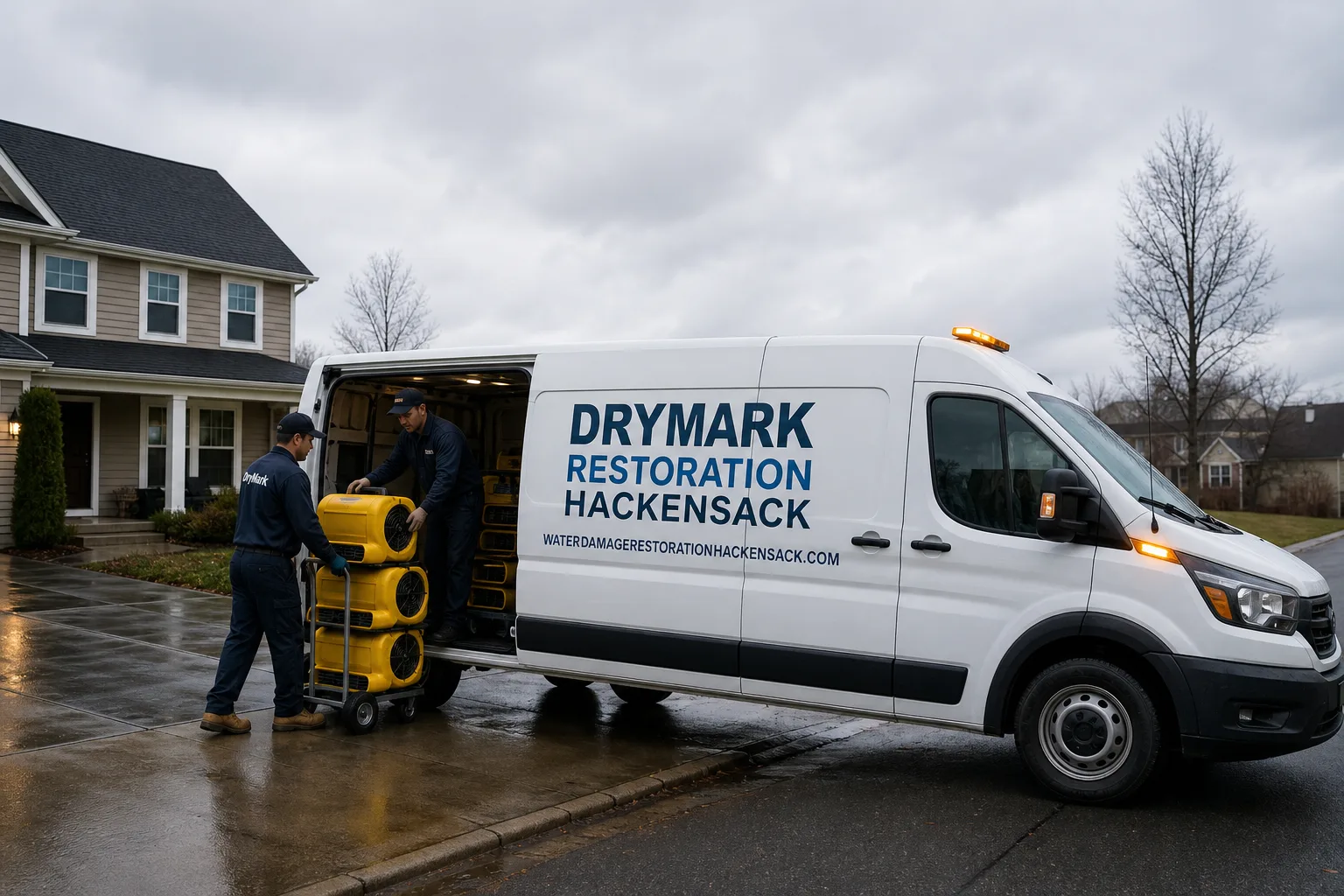
Free visual inspection and a written scope of work before any mitigation begins - photos, moisture readings, and drying logs go in your claim file
The scope we write is the scope we bill. Anything new gets shown to you, in writing, before we touch it.
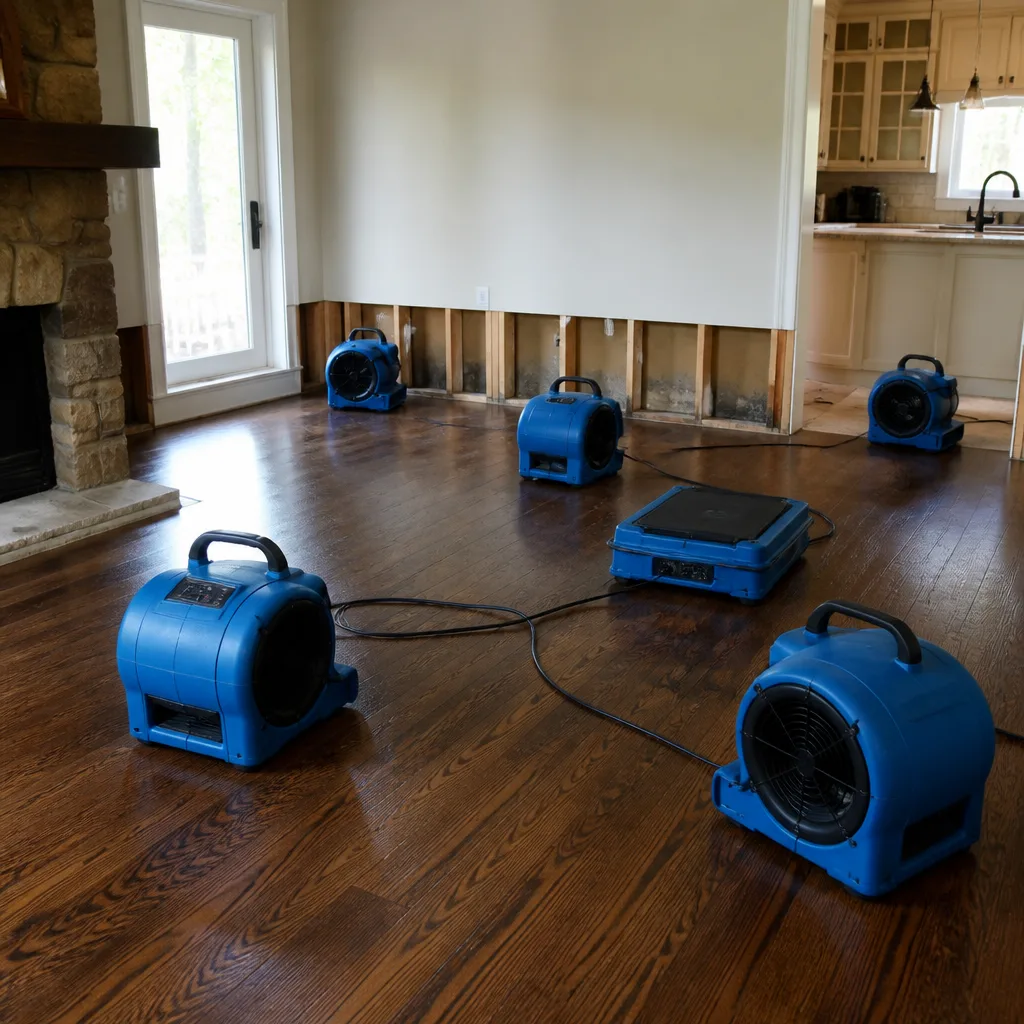
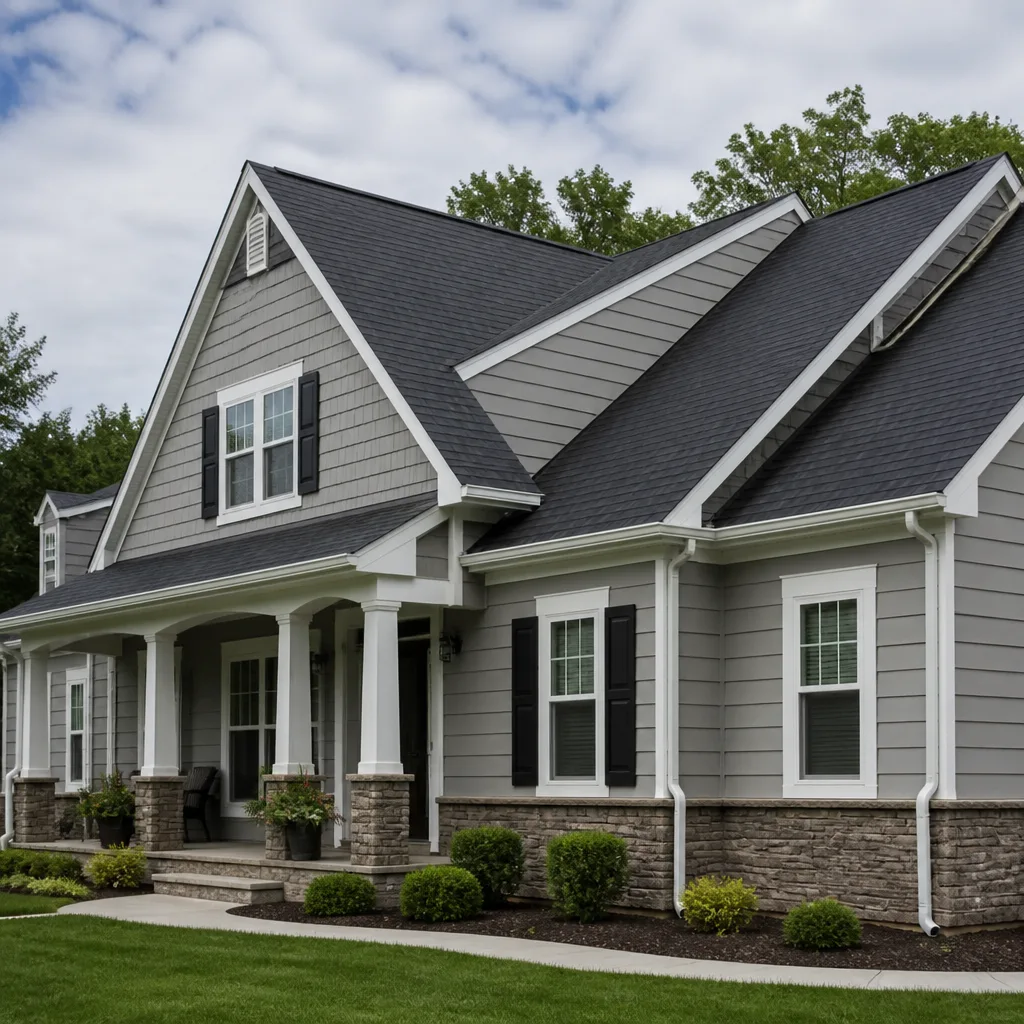
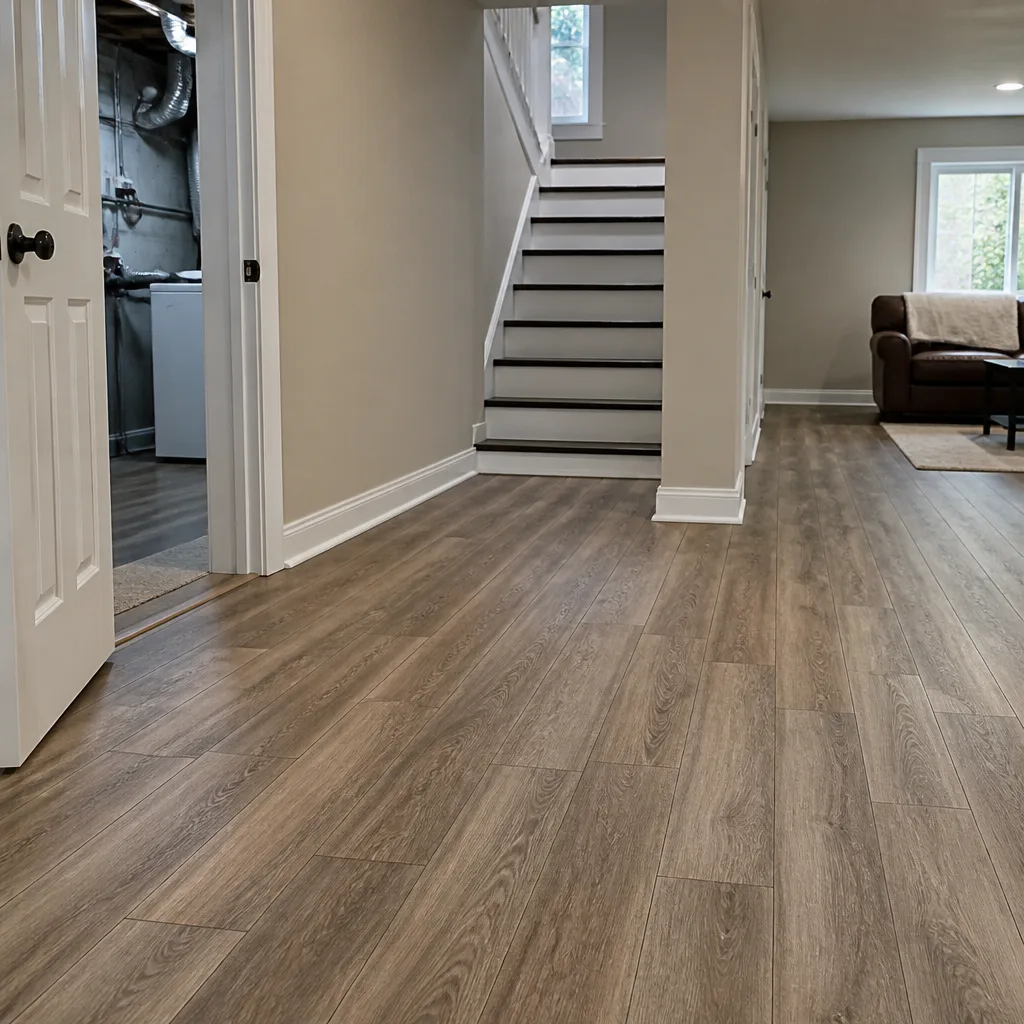
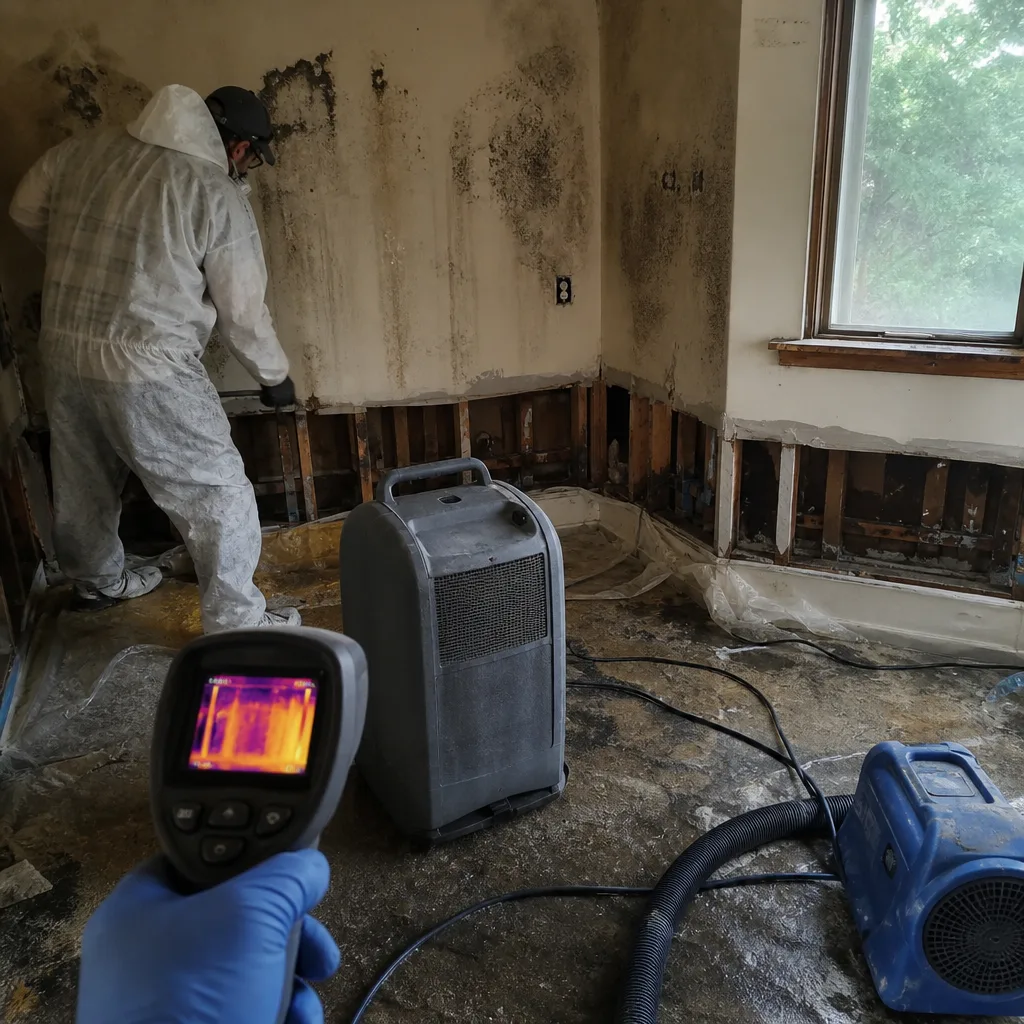 Before
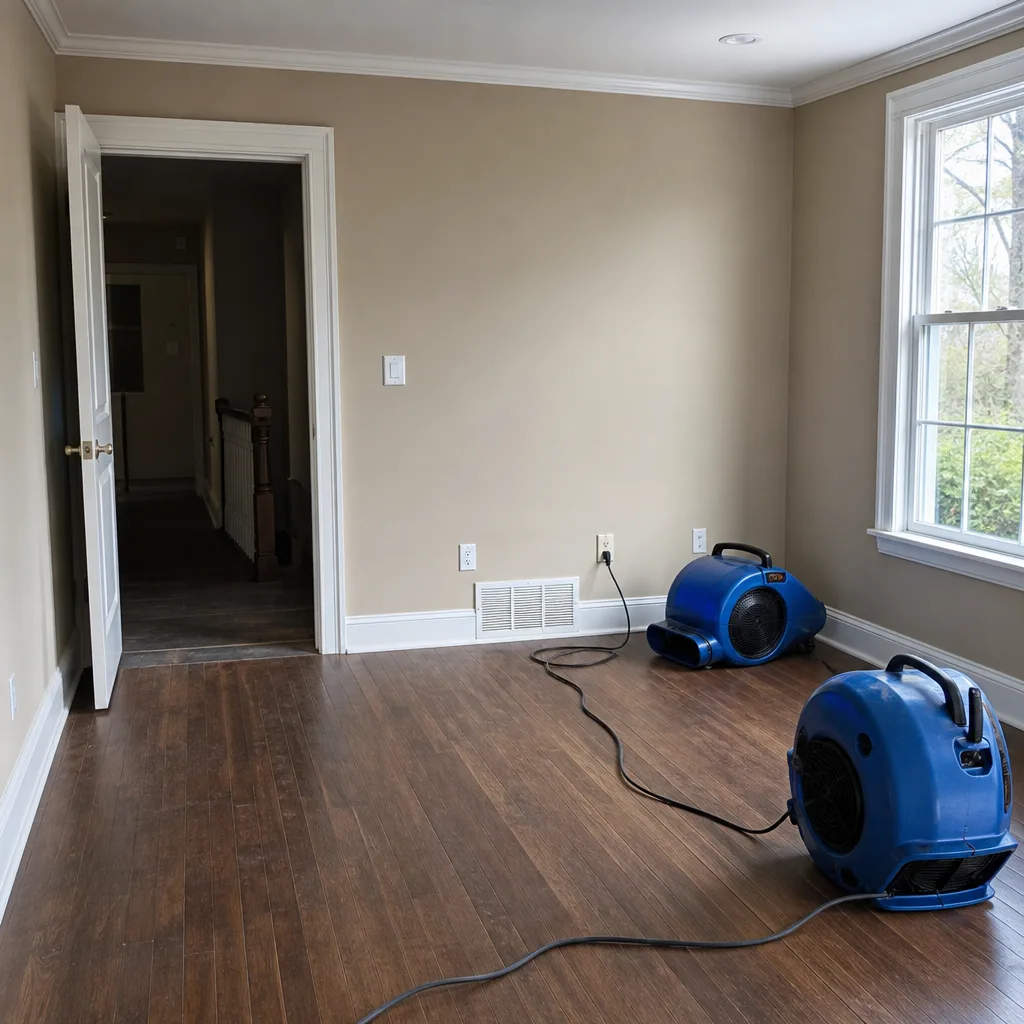 After
After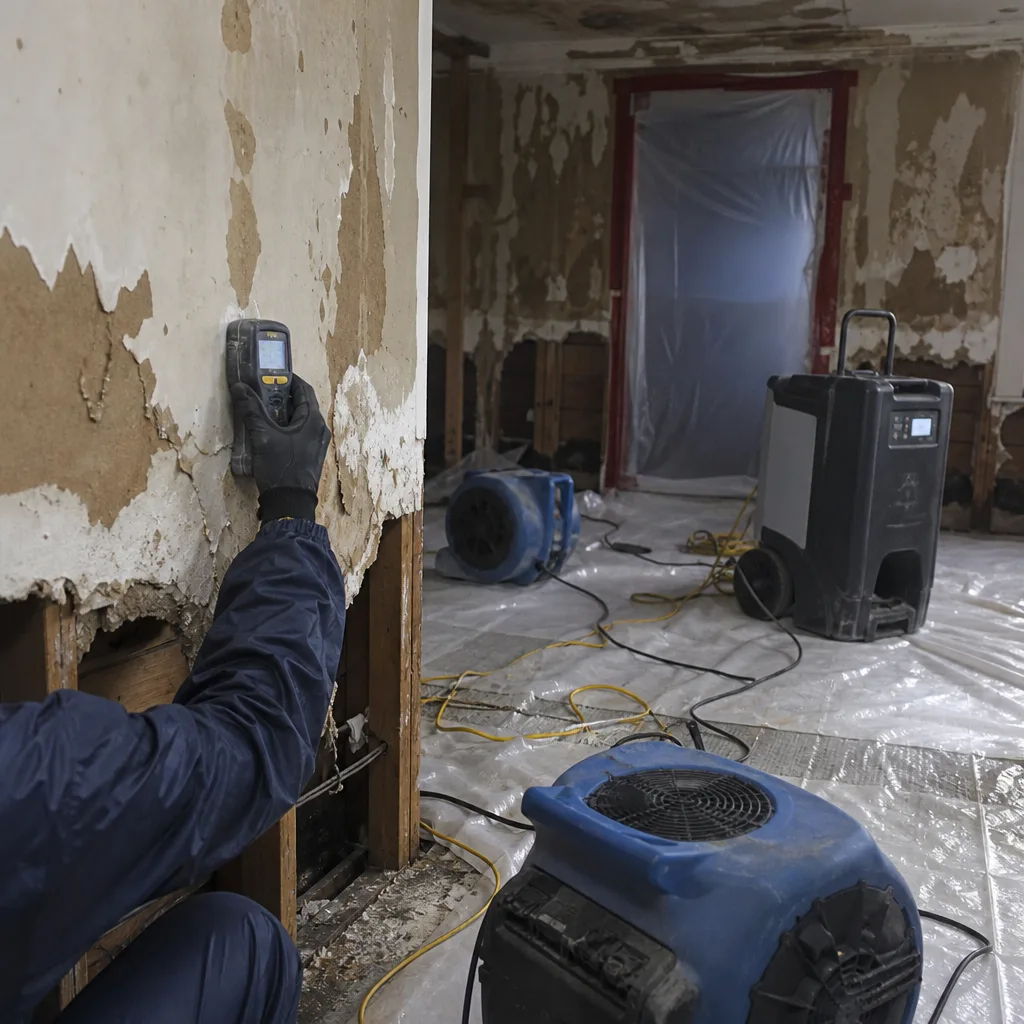 Before
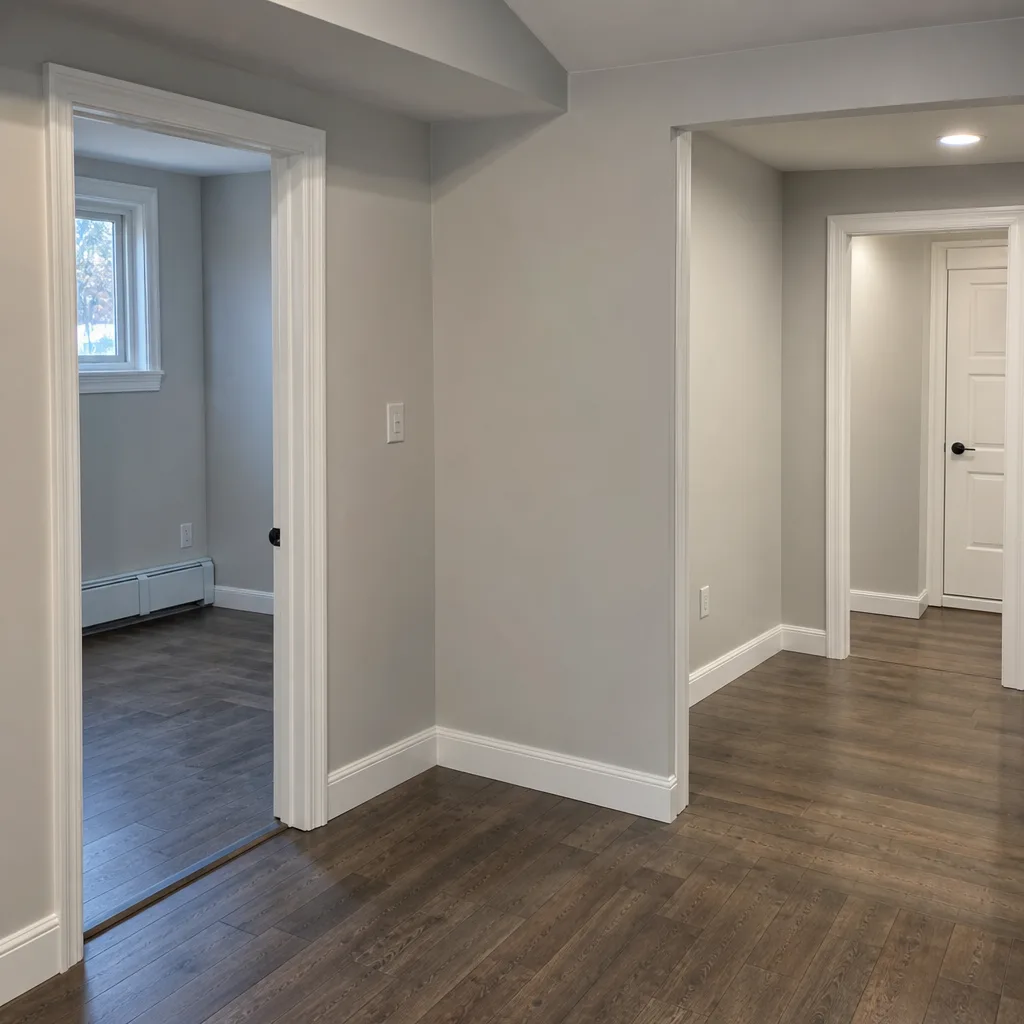 After
After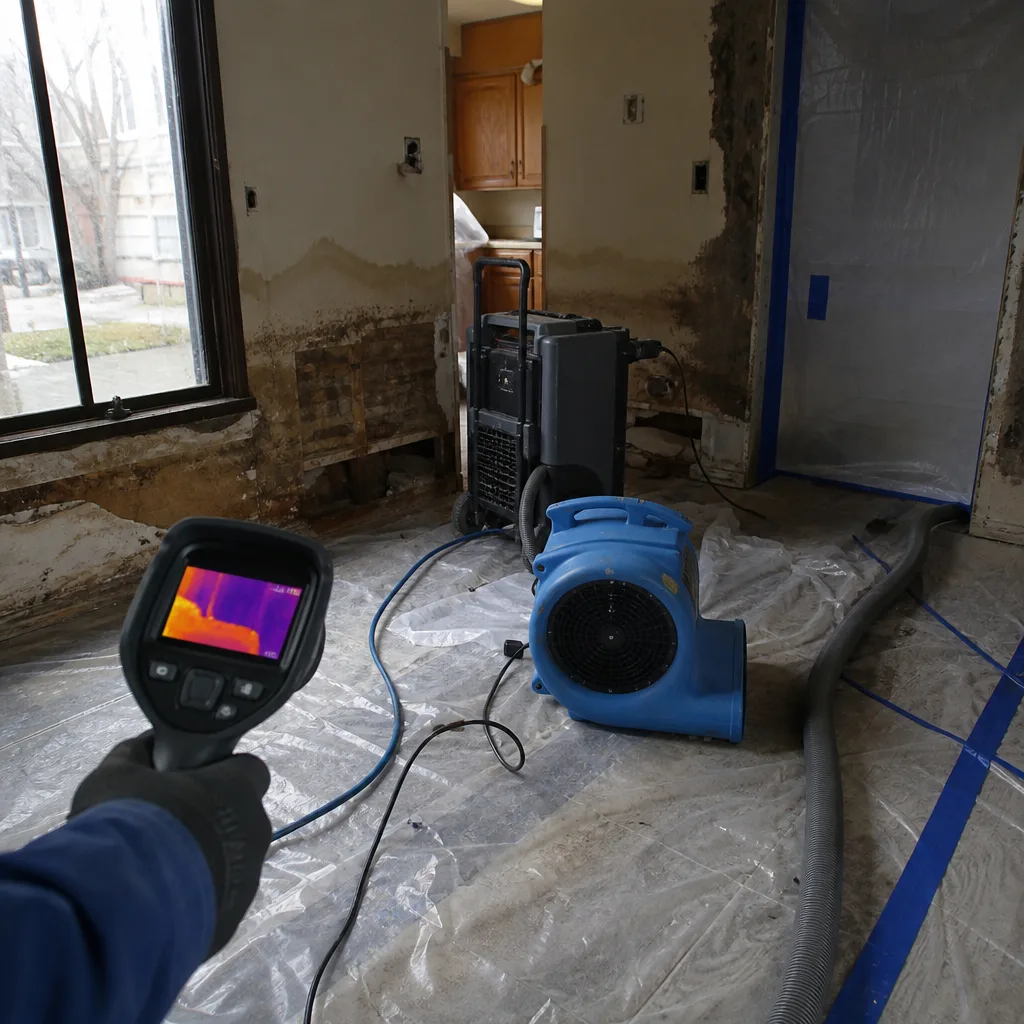 Before
 After
AfterFast, Reliable Water Damage Restoration Across Fort Lee
Water damage restoration in Fort Lee typically costs $2,800-$7,500 for a standard condo unit affected by a supply-line leak, with whole-floor or multi-unit cascade events running $15,000-$45,000 depending on how many floors the water traveled. Our crews are on the road to Fort Lee within 45 minutes of your call, and we answer live 24 hours a day at (551) 213-3409. We’ve restored water damage in Fort Lee’s high-rise towers along Hudson Terrace, the brick walk-ups near Lemoine Avenue, and the mid-century buildings lining the Palisades - and we know that a pinhole leak on the 14th floor can surface as a ceiling stain six floors down, turning one call into a 10-unit mitigation before anyone finds the source.
Our Water Damage Restoration team is dispatched from our New York City office, with crews serving Fort Lee locally and equipment pre-staged with building management companies throughout the 07024 zip code. That pre-staging matters here more than almost anywhere in Bergen County - when Routes 4, 95, or Anderson Avenue gridlock during GWB approach traffic, a contractor without stored equipment is 90 minutes away from an active pipe burst while 12 units flood simultaneously.
Why DryMark Restoration Hackensack Is Fort Lee’s Preferred Water Damage Restoration Company
We’ve restored water damage in more than 12,000 homes since 2011, and a significant share of those jobs have been in Fort Lee’s unusually vertical housing stock. Our customers here are property managers, condo association boards, and unit owners who measure a contractor by what they can document, not by how reassuring they sound on the phone. They read the three-star reviews. They want to see the moisture readings.
Our response time to Fort Lee averages 45 minutes from call to on-site, but the buildings that trust us most have something better: pre-staged Dri-Eaz and Phoenix drying systems in their mechanical rooms, ready to deploy before traffic becomes a variable. We established those agreements after learning the hard way that the GWB corridor doesn’t forgive late arrivals.
Fort Lee customers choose us because we write the price before we start the work - Haven Standard, Clause 1 - and because we produce daily drying logs, photo records on every visit, and unified scopes of work that multiple adjusters can read without fighting over which unit caused which damage. Alicia Brennan built this company around the documentation gap that costs homeowners their claims. That gap is widest in multi-unit cascade losses, where four adjusters and a condo board need to agree on one scope.
We carry a strong local reputation in Fort Lee’s high-rise market because we’ve handled the complexity others avoid: 11-unit losses from a single pinhole riser, coordination with building management companies, and the thermal imaging required to trace water through concrete slab penetrations before it surfaces three floors below.
Our Water Damage Restoration Services in Fort Lee
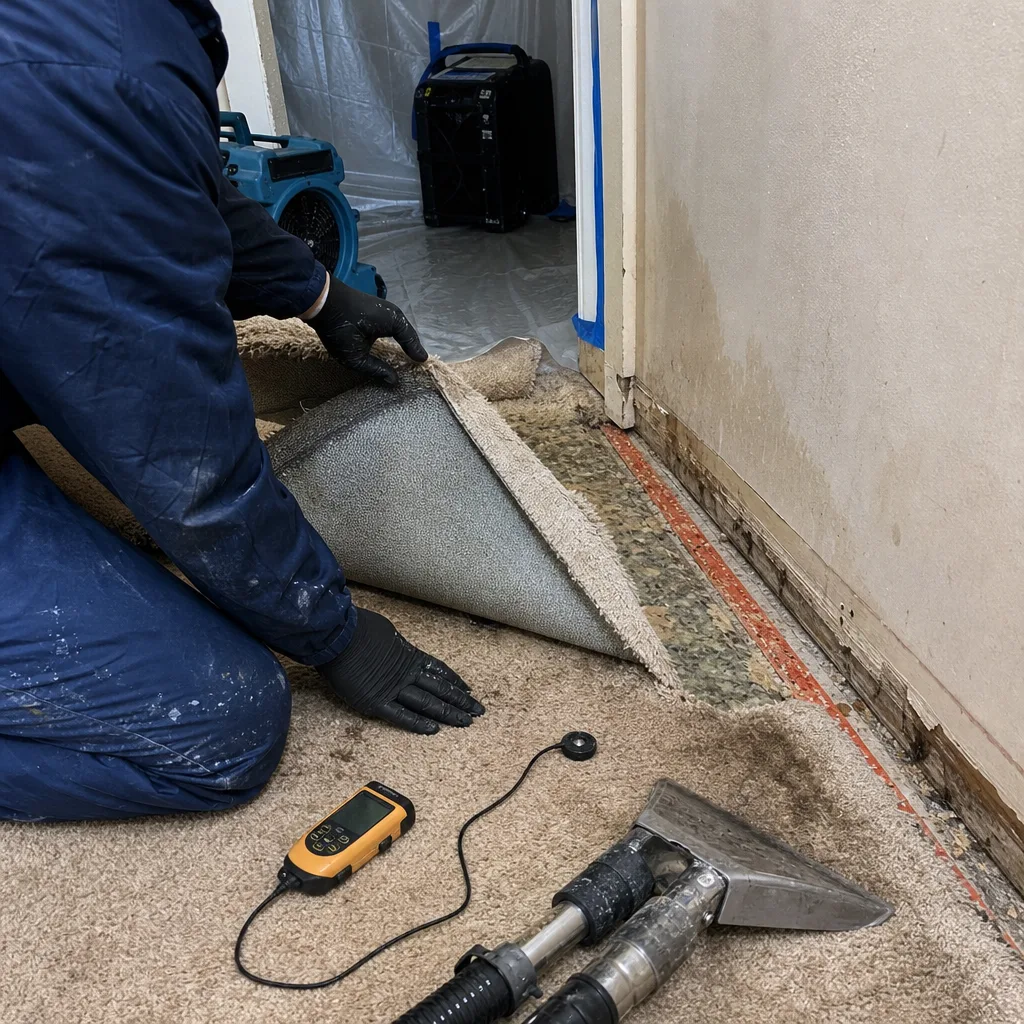
Emergency Water Extraction
A burst galvanized supply line in a Fort Lee high-rise can release 50 gallons per hour into a slab chase, and that water doesn’t stay on one floor. Our emergency extraction teams carry truck-mounted systems and portable submersibles sized for both individual unit flooding and whole-floor events. In Fort Lee’s concrete-frame towers, we extract standing water first, then deploy moisture detection to find what traveled through penetrations. Speed matters because Category 1 water becomes Category 2 within 24 hours, and the 07024 building stock’s original cast-iron stacks can harbor bacteria that accelerate contamination.
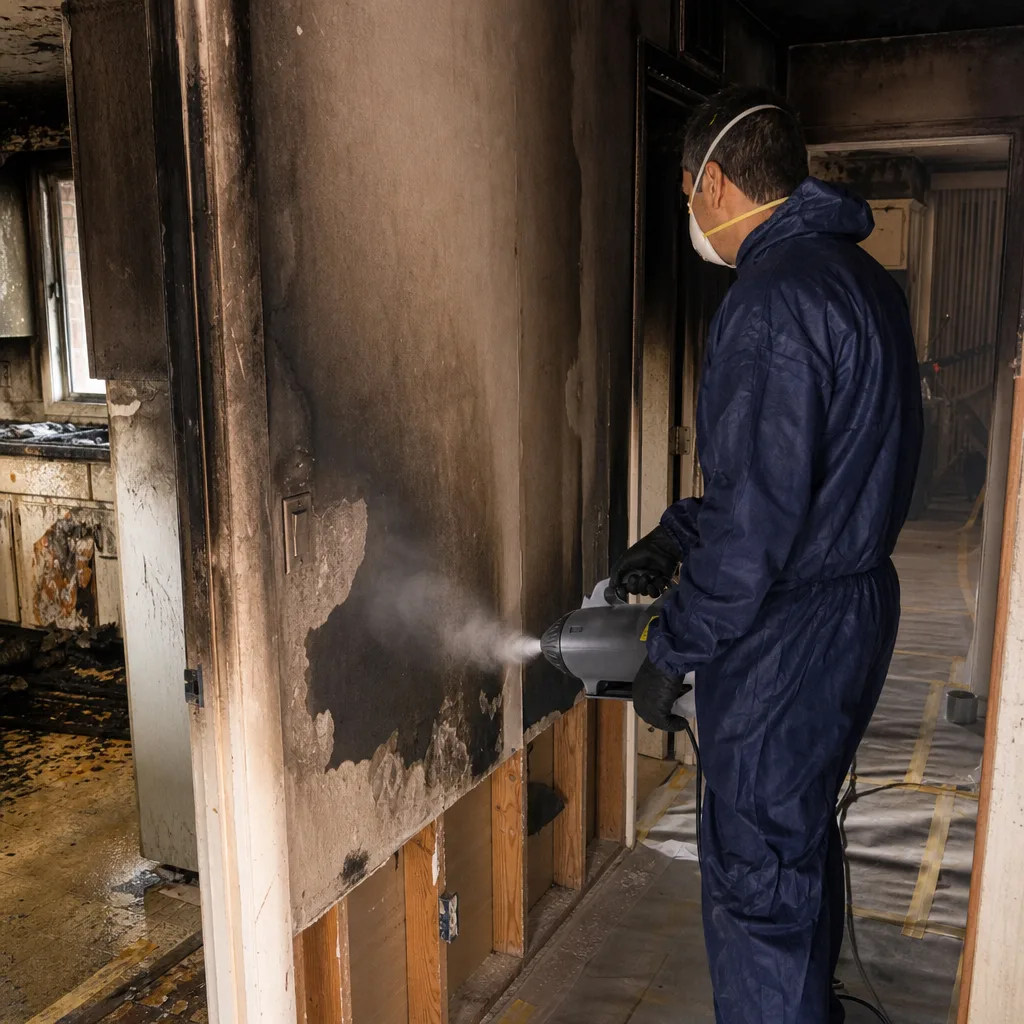
Structural Drying & Dehumidification
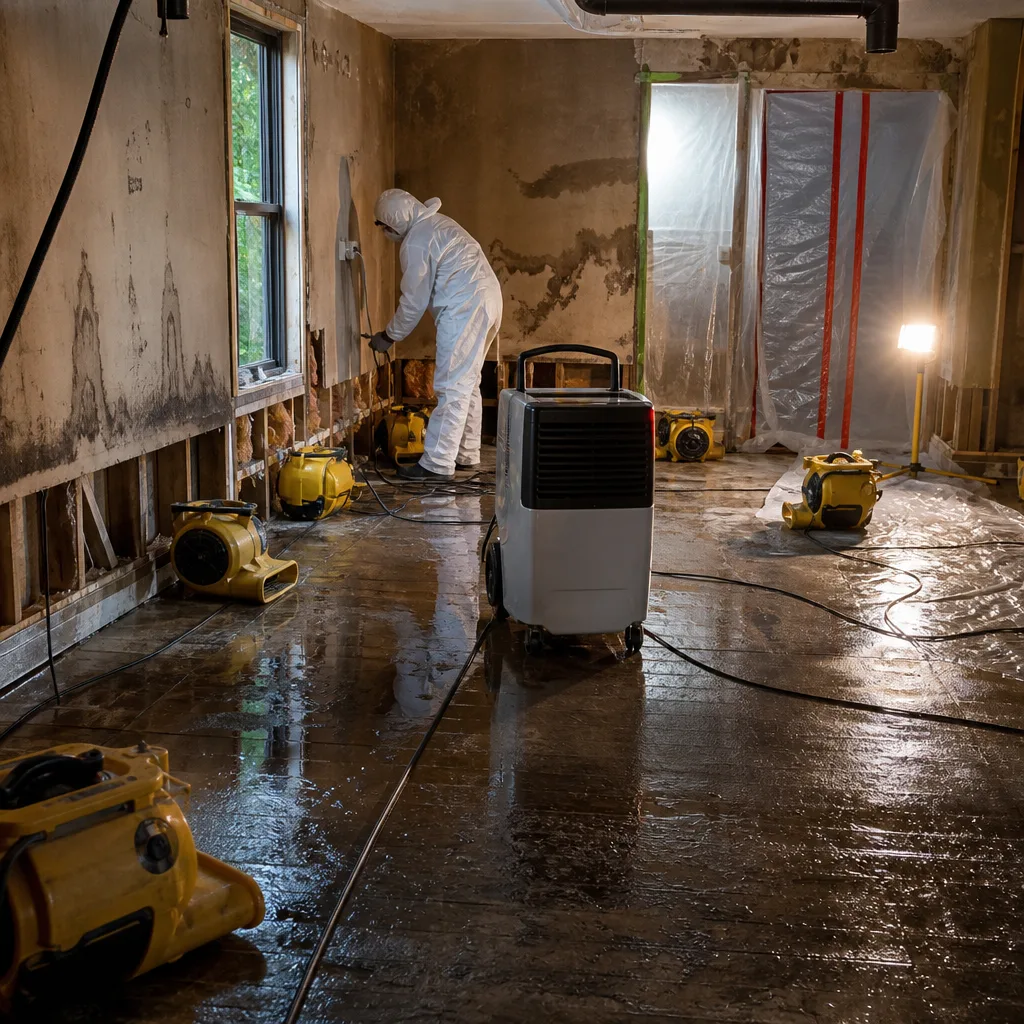
Concrete slabs and steel studs dry differently than wood-frame construction, and Fort Lee’s high-rises are almost entirely concrete and steel. We calculate vapor pressure differential - the force that drives moisture from wet materials into dry air - and set psychrometric targets for each affected unit. Our drying systems from Dri-Eaz, Phoenix, and XPOWER are documented to IICRC standards, and we log daily moisture readings in a format your adjuster can follow without interpretation. In a typical Fort Lee cascade loss, we’ll have dehumidification running on six to twelve units simultaneously, with each unit’s drying chart tracked separately but reported in a single unified log.
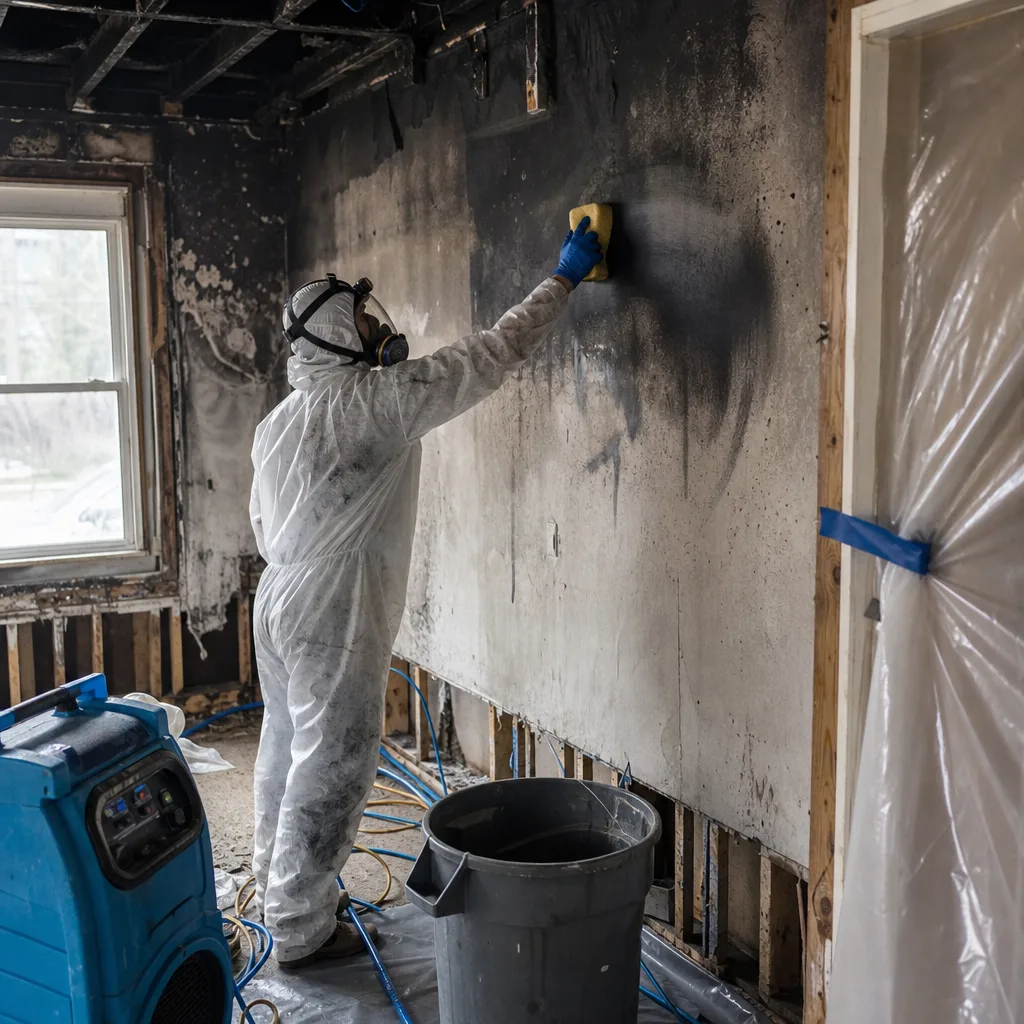
Flood Cleanup
Fort Lee’s position atop the Palisades exposes its buildings to channeled wind and driving rain that attacks aging EPDM and built-up flat roofs. Membrane failures here lead to interior water intrusion that can travel down elevator shafts and mechanical chases for weeks before discovery. Our flood cleanup addresses not just the visible damage but the hidden migration paths: we inspect mechanical chases, elevator pits, and electrical rooms that share vertical runs with affected units. The Palisades elevation also creates rapid freeze-thaw cycling on exposed upper-floor balconies and rooftop mechanical equipment, so we check for secondary pipe failures that may not have burst yet.
Burst Pipe Restoration
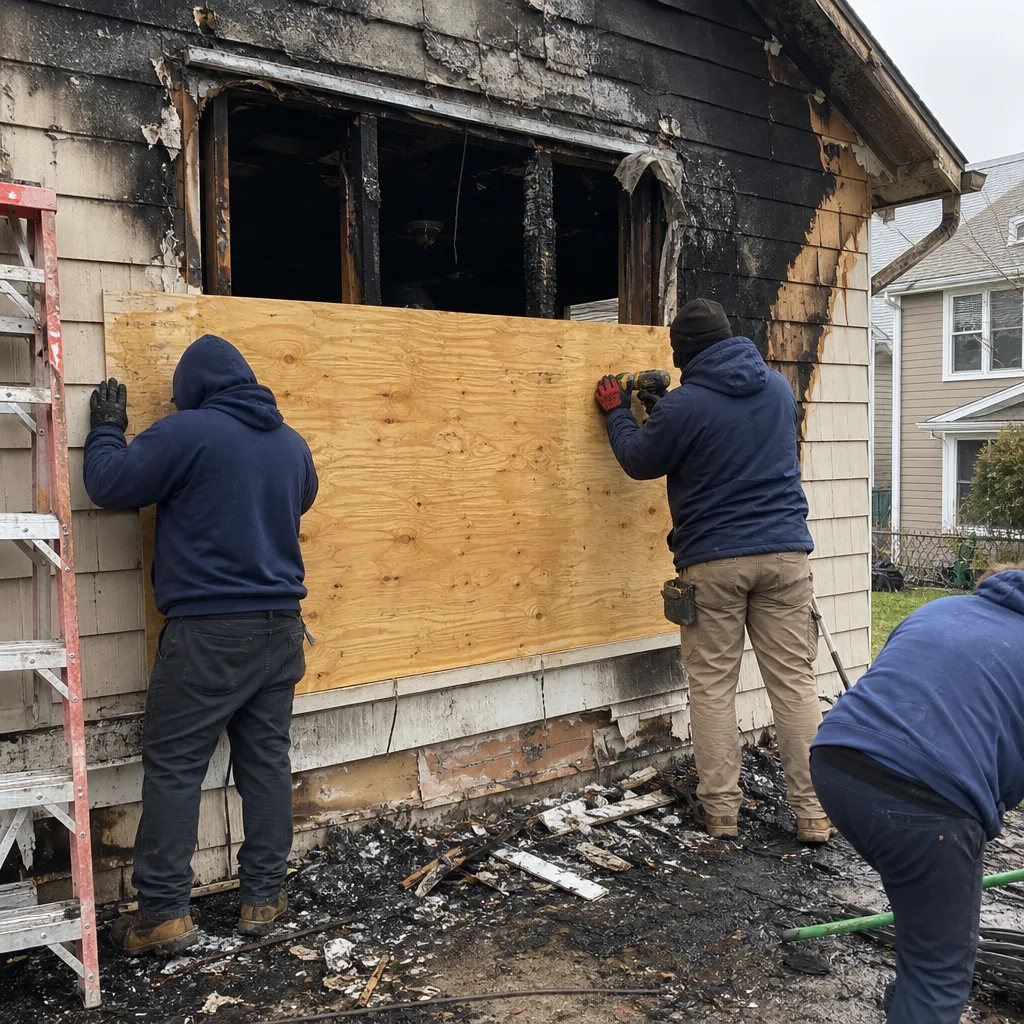
This is where Fort Lee’s housing stock becomes the job itself. Original galvanized supply lines and cast-iron drain stacks from the 1960s-80s corrode internally, so the visible leak is rarely the whole problem. We got called to a Hudson Terrace tower when a third-floor owner reported water dripping from a bedroom ceiling - turned out an original galvanized supply riser in the 14th-floor mechanical closet had pinhole-failed and been weeping into the slab chase for weeks. We set up moisture mapping and thermal imaging across six floors, established containment, ran extraction on the wettest units, and hung Dri-Eaz and Phoenix air movers with dehumidification on 11 affected condos while we coordinated with the building management company and four separate insurance adjusters. The project required a single unified scope of work so each adjuster could see the shared loss source, and we logged daily moisture readings in a drying log to close all 11 units without a re-open.
That job illustrates why burst pipe restoration in Fort Lee demands more than cutting and capping. We evaluate whether the stack or riser shows internal corrosion upstream of the failure, document our findings with photos, and present a written scope that addresses the full line condition - not just the emergency patch.
What happens when you call
- 1
A real person answersNo phone trees - you reach a local pro.
- 2
You get an upfront price rangeHonest numbers before anyone is dispatched.
- 3
A background-checked tech heads outLicensed & insured, dispatched right away.
- 4
You approve before work beginsNothing starts until you say go.
BeforeAfterTrusted Brands We Service in Fort Lee
We deploy professional-grade drying equipment from Dri-Eaz, Phoenix, and XPOWER on Fort Lee jobs, with B-Air and Injectidry systems available for specialized cavity drying and hardwood floor rescue. These aren’t brand names we mention for credibility - they’re the machines we pre-stage in Fort Lee high-rise mechanical rooms so deployment isn’t delayed by Hudson River crossing traffic. Every unit is maintained to manufacturer specification and documented to IICRC, RIA, and IFA standards. When we arrive at a Fort Lee tower, the equipment that starts drying your unit is the same equipment that produced the psychrometric data in your insurance file.
Common Water Damage Restoration Problems We See in Fort Lee Homes
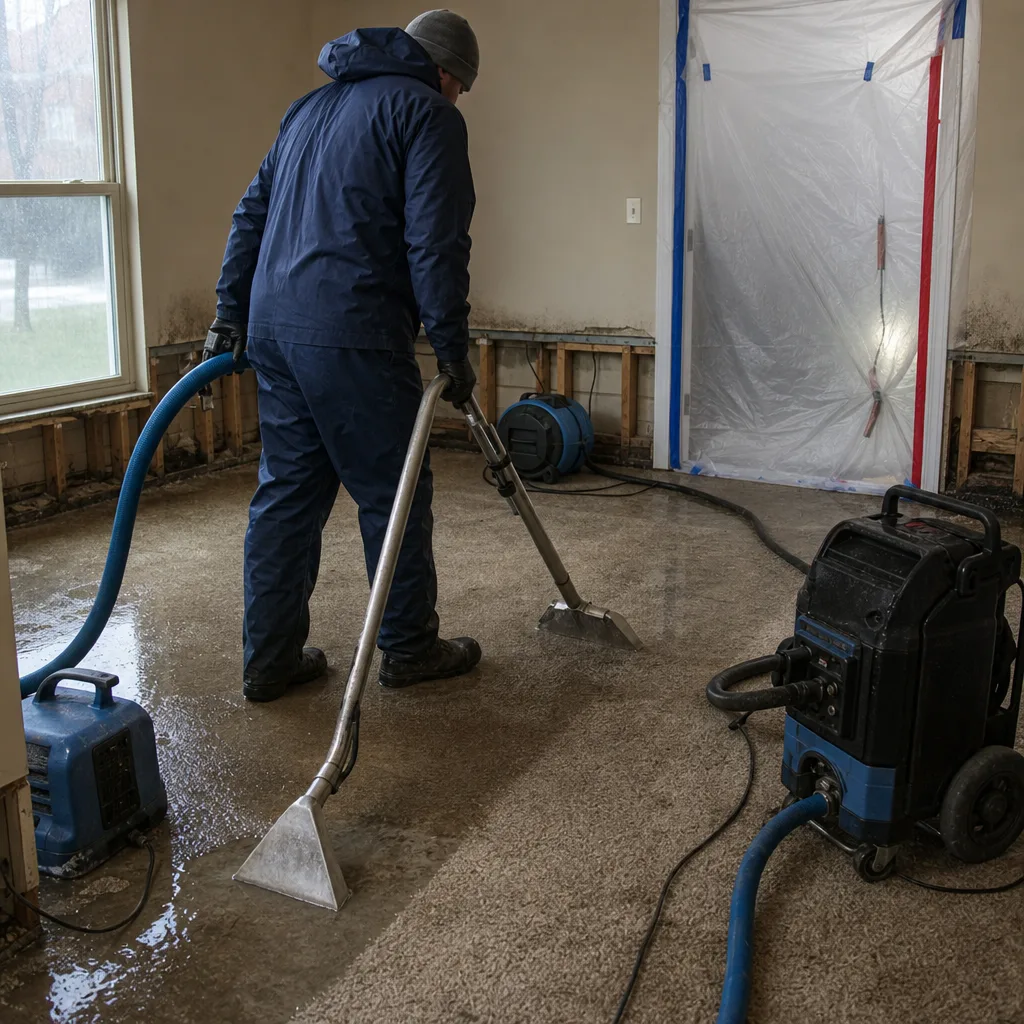
- Multi-unit cascade failures from single-source leaks. A pinhole in a 14th-floor galvanized riser travels silently through slab penetrations and surfaces as ceiling stains six floors down. Crews who treat the visible stain as an isolated unit loss miss the source entirely, and the leak keeps running until the job re-opens.
- Delayed response due to GWB corridor gridlock. Contractors without pre-staged equipment agreements get stuck on Routes 4 or 95 while water migrates into adjacent walls. By the time dehumidification arrives, the 24-48 hour mold clock has started and Category 2 water has become Category 3.
- Partial stack repairs that ignore upstream corrosion. Cast-iron drain stacks and galvanized risers get cut and capped above the visible leak without checking for internal corrosion. The same stack fails again on the next freeze-thaw cycle because the retrofit-versus-repair call was skipped.
- Flat roof membrane failure from Palisades wind exposure. EPDM and built-up roofs on Fort Lee’s high-rises degrade faster than inland buildings due to channeled Hudson River wind. Water enters through membrane breaches and travels down mechanical chases for weeks before any unit owner sees a stain.
Pricing for Water Damage Restoration in Fort Lee, NJ
Water damage restoration pricing in Fort Lee reflects the complexity of high-rise cascade losses and the documentation required for multi-adjuster claims. Here’s what we typically see in this market:
- Single-unit water extraction and drying: $2,800-$4,500
- Multi-unit cascade loss (3-6 units, common source): $12,000-$22,000
- Large-scale high-rise event (10-20 units): $28,000-$45,000
- Burst pipe repair with corrosion assessment: $1,800-$3,500 per stack segment
- Thermal imaging and moisture mapping (required for slab-penetration tracing): $450-$750
What moves these numbers: the floor count affected, whether the source was found quickly or traveled for weeks, the category of water (clean, gray, or black), and whether asbestos or lead abatement is required in pre-1980 construction. Every job is quoted in writing before work begins - Haven Standard, Clause 1 - with no scope-creep additions once the crew is inside. We also offer a Free Second Opinion on any competitor’s written estimate; bring us their scope and we’ll review it at no charge. Call (551) 213-3409 for your written price.
We Also Serve Cities Near Fort Lee
Our crews respond to water damage emergencies throughout Bergen County, including Fort Lee and the surrounding communities of Leonia, Palisades Park, Ridgefield, and Ridgefield Park. Each of these markets has distinct housing stock and response considerations, but our documentation-first approach and pre-staged equipment network apply across the service area.
Serving Fort Lee, NJ - Our Local Coverage Area
We’re based in the Fort Lee area and know this community well. Use the map below to see our service coverage - if you’re nearby, we can almost certainly help.
FAQs - Water Damage Restoration in Fort Lee
In Fort Lee’s 1960s-80s concrete-frame towers, a single burst supply line typically damages 6 to 12 units, and we’ve seen losses extend to 20 units when the leak runs undetected through slab penetrations for more than a few hours. The original galvanized risers and cast-iron stacks create vertical highways for water that concrete alone won’t contain. Call (551) 213-3409 and we’ll dispatch with thermal imaging to trace the full affected area before extraction starts.
Water is traveling through a slab penetration, mechanical chase, or riser shaft from a source that may be several floors above the unit directly overhead. In Fort Lee’s high-rises, we’ve traced ceiling leaks back to pinhole failures three, four, even six floors above the visible stain. The unit above you may be dry because the water found a faster path through the building’s infrastructure than through their finished surfaces. We use thermal imaging and moisture mapping to locate the actual source without destructive testing.
Drying should begin within 4 to 6 hours for Category 1 water, and within 2 to 4 hours if the water has contacted cast-iron drain stacks or traveled through wall cavities where contamination risk is higher. In Fort Lee’s high-rises, the density of units and shared ventilation systems means mold colonization in one unit can affect air quality in adjacent spaces quickly. Our pre-staged equipment agreements with Fort Lee building managers let us start dehumidification before our crews arrive, bypassing GWB corridor traffic variables.
Yes. Multi-unit cascade losses in Fort Lee routinely involve a condo association master policy, individual HO-6 policies for affected units, and sometimes a building management company’s general liability coverage. We produce a single unified scope of work that identifies the shared loss source and allocates damage by unit, with daily moisture logs and photo records that each adjuster can use independently. This documentation-first approach is why property managers in Fort Lee’s Hudson Terrace towers keep our number on file.
No. Drywall removal depends on the water category, the duration of saturation, and whether the wall cavity can be dried without demolition. In Fort Lee’s concrete-frame construction, we often salvage drywall by deploying Injectidry cavity drying systems and establishing directed airflow through wall penetrations. We make the repair-versus-remove call based on moisture readings, not assumptions, and we document each decision with photos so your adjuster understands why we saved or removed each material. Call (551) 213-3409 for a written assessment of your specific loss.
Water damage in Fort Lee doesn’t wait for convenient traffic, and neither do we. Our 24-hour live dispatch answers at (551) 213-3409, and we’ll deliver a written price before any work begins - Haven Standard, Clause 1. Every job carries our 365-Day Done Right Promise: if it’s not done right, we make it right. That’s not a marketing line. It’s a signed guarantee, stamped on every project under The Haven Standard.
Written by Alicia Brennan, Owner at DryMark Restoration Hackensack, serving Fort Lee since 2011.