
Last updated September 23, 2026
Free visual inspection and a written scope of work before any mitigation begins - photos, moisture readings, and drying logs go in your claim file
The scope we write is the scope we bill. Anything new gets shown to you, in writing, before we touch it.
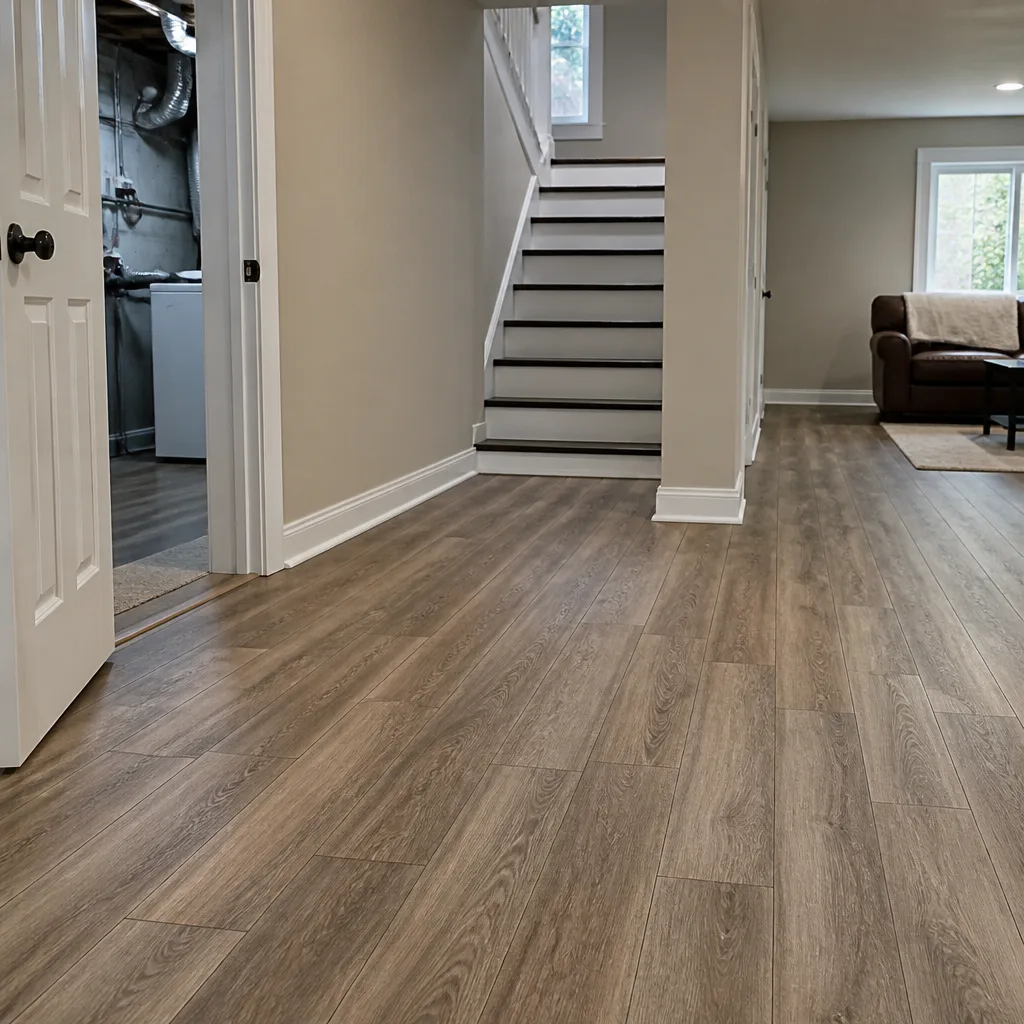
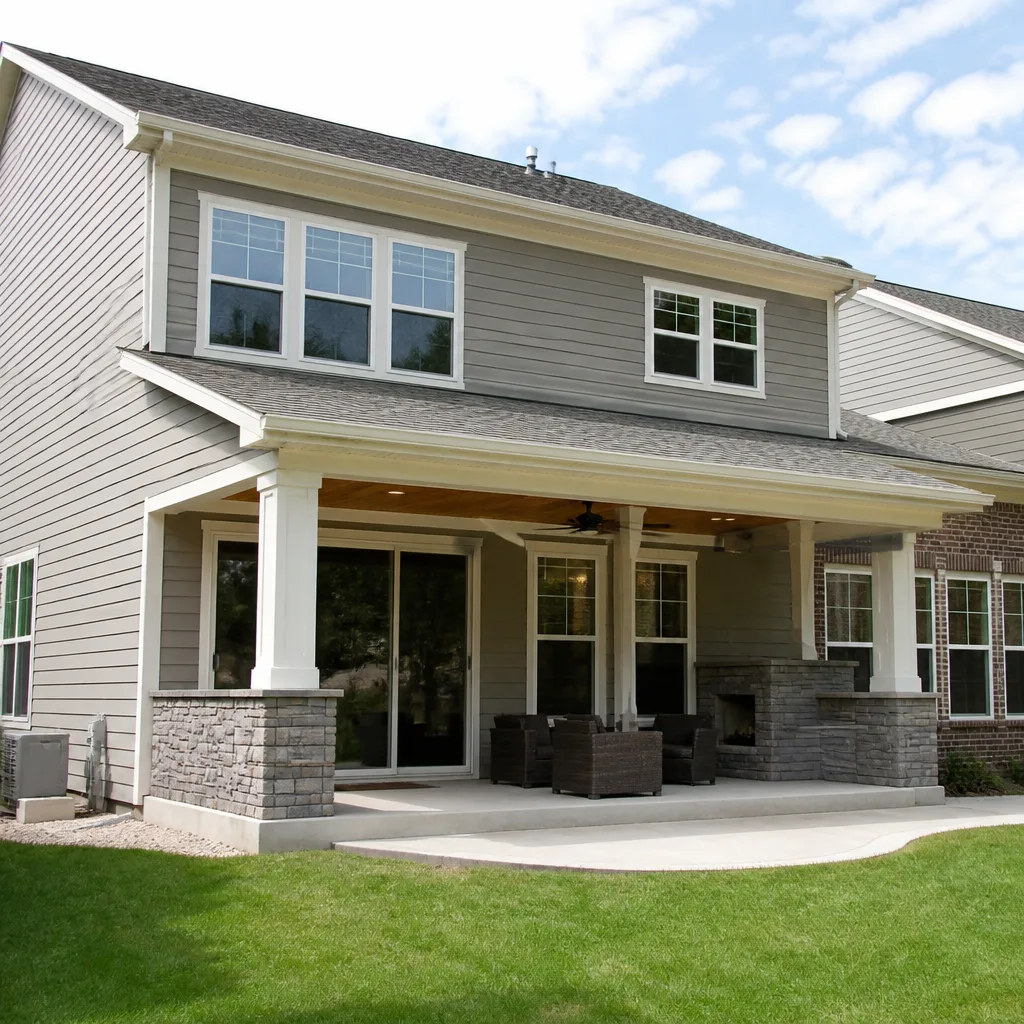
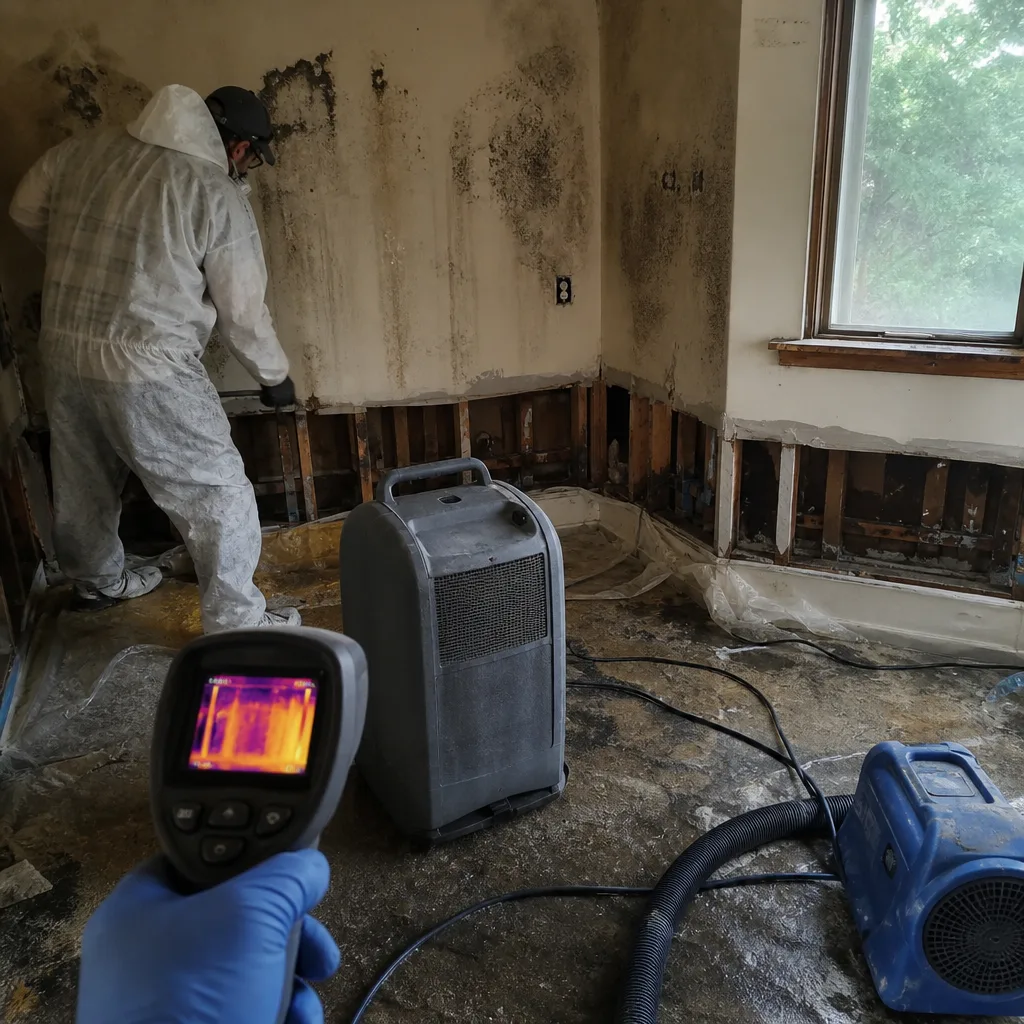 Before
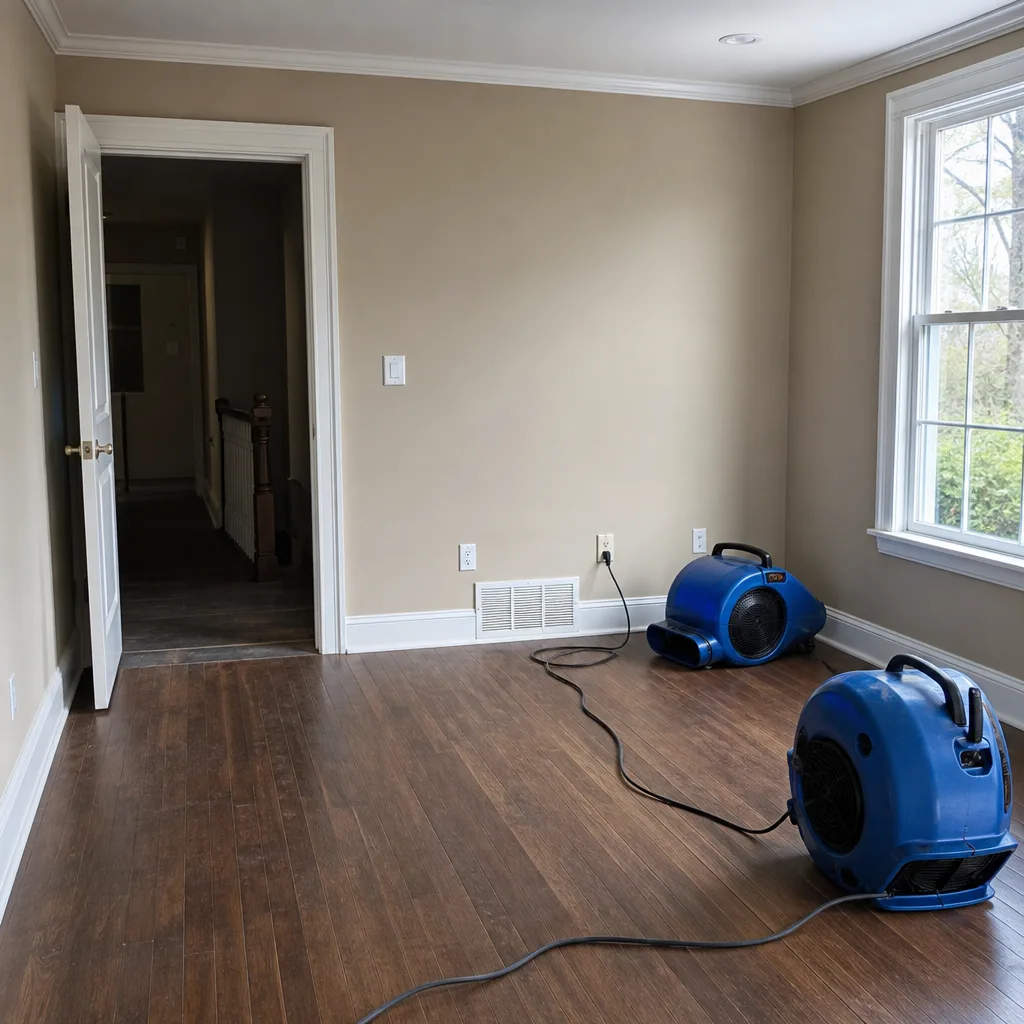 After
After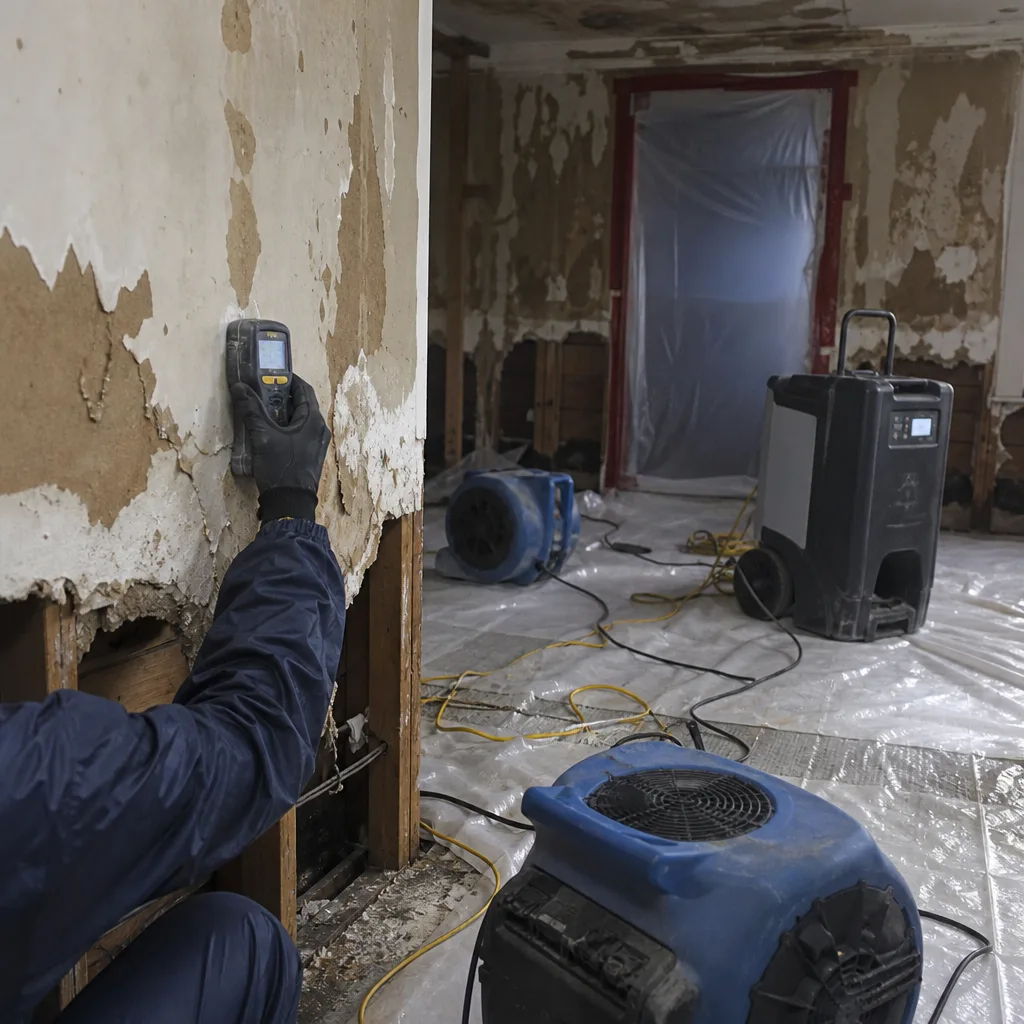 Before
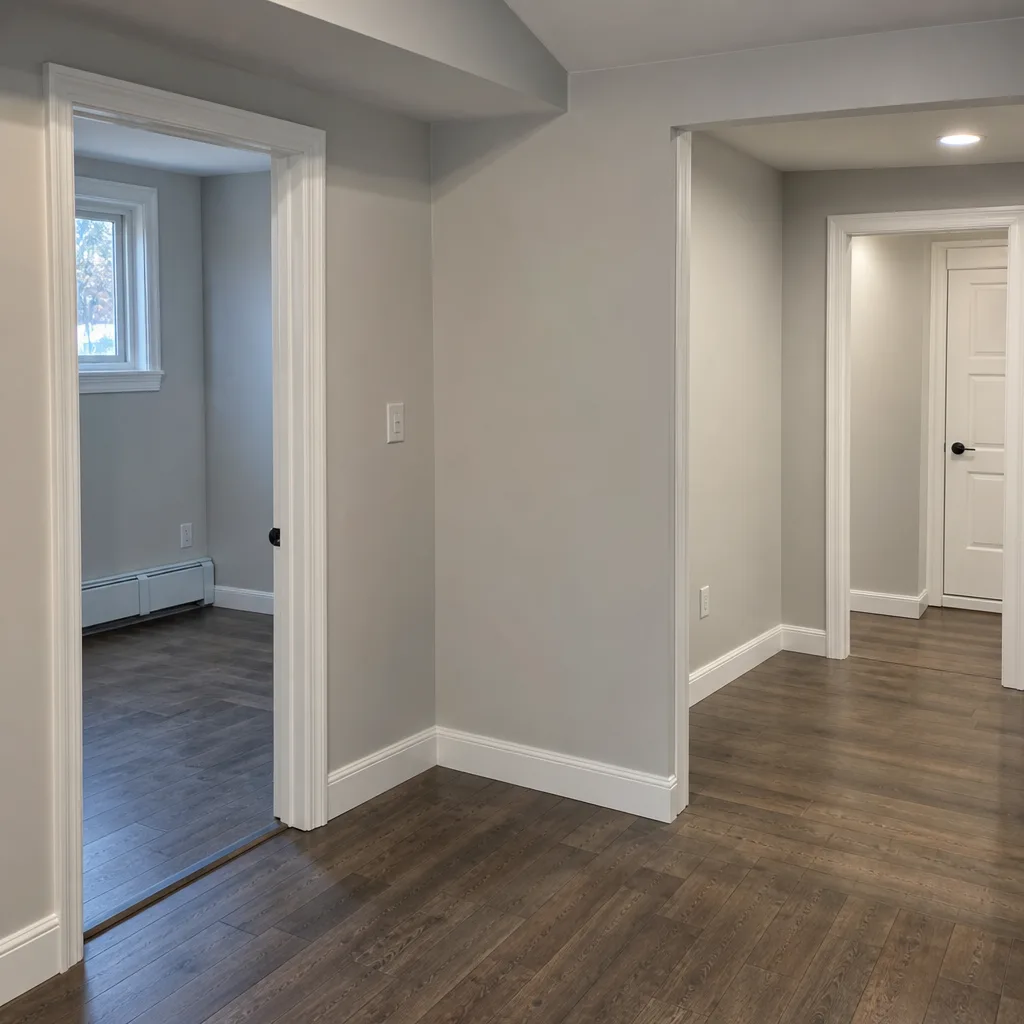 After
After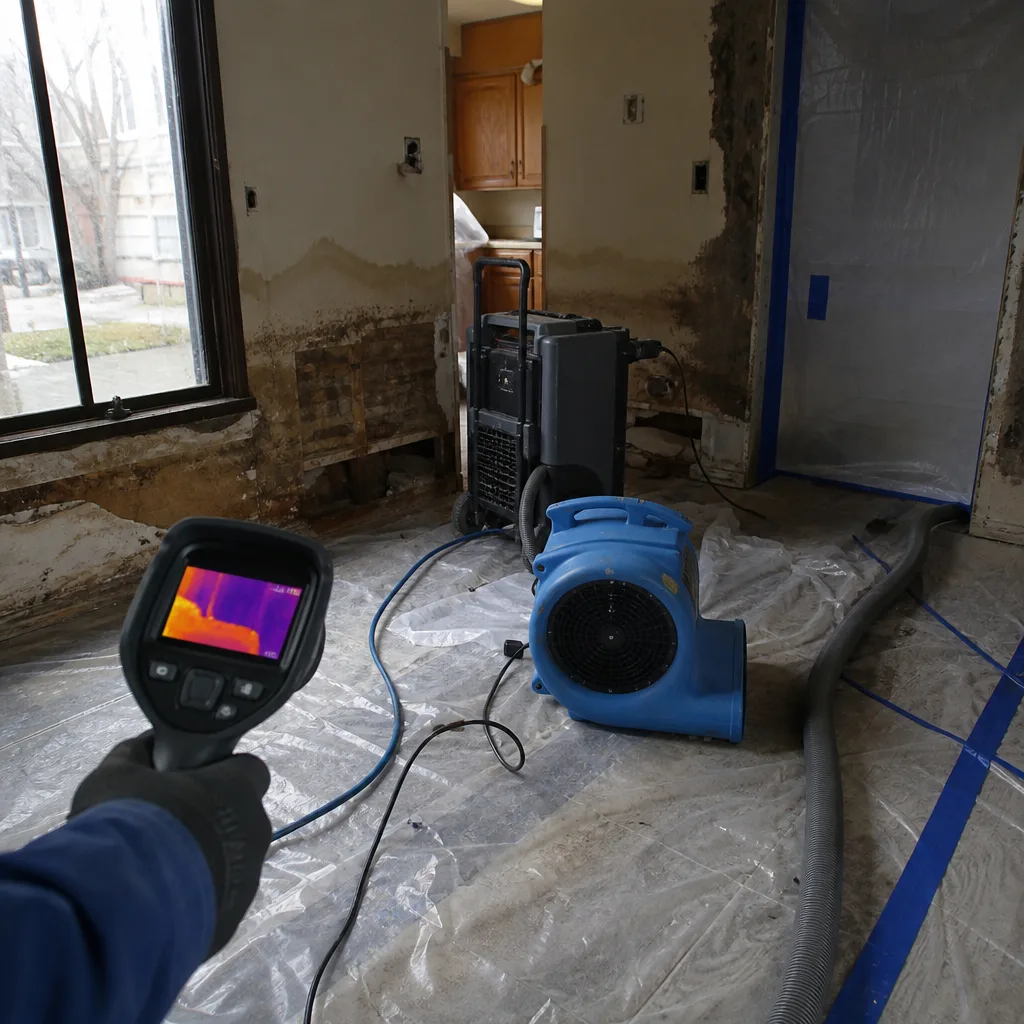 Before
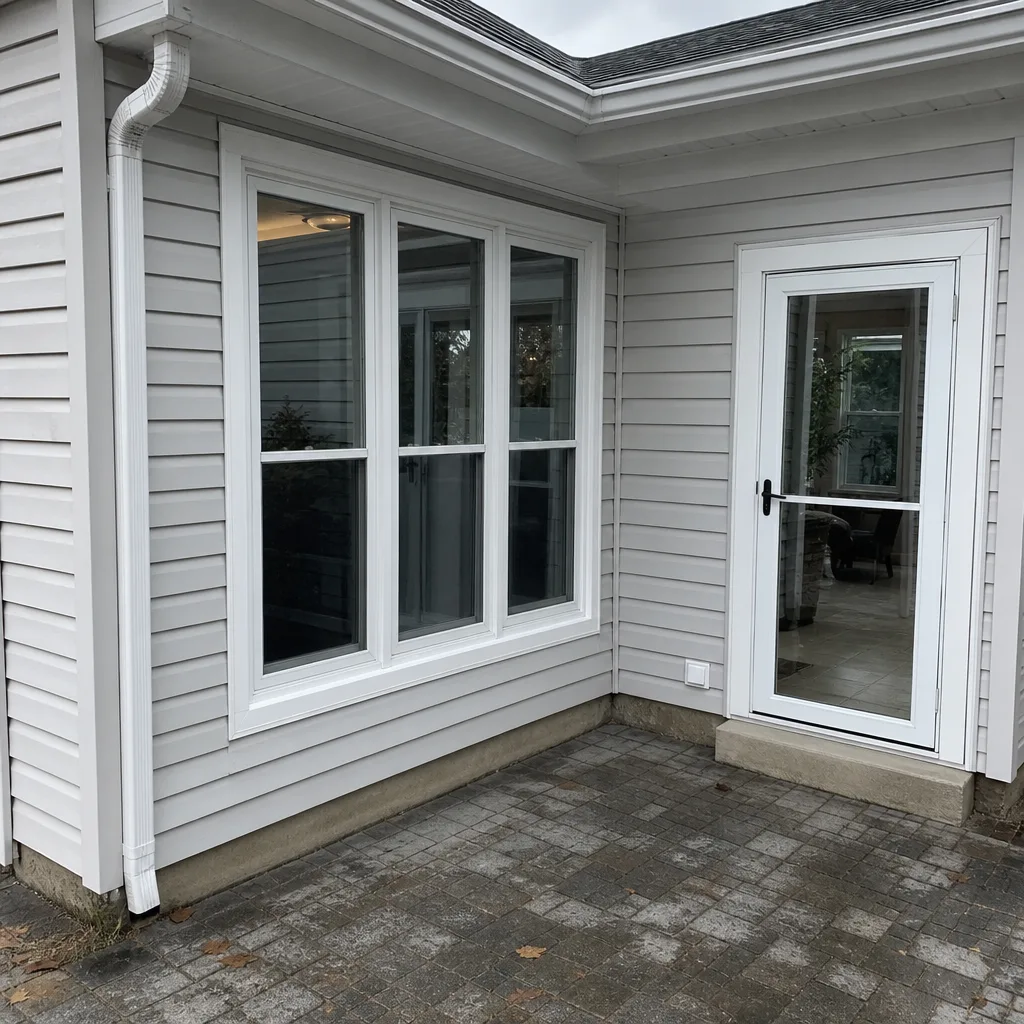 After
AfterDamage Restoration Permits, Codes & Inspections in NJ: What You Need to Know
A Hackensack homeowner who sells without disclosing that unpermitted structural repairs followed a flood can face rescission of the sale under New Jersey’s Consumer Fraud Act. The contractor’s decision to skip a permit becomes the seller’s legal problem years later, often with interest and attorney fees attached. In this guide, we’ll walk through which restoration projects actually require permits in Bergen County, how FEMA’s Substantial Improvement Rule affects flood-zone properties, and why a passed municipal inspection belongs in your claim file - not in a drawer. For more guides & resources on navigating damage restoration, visit our blog.
Quick Answer
Most structural, electrical, plumbing, and HVAC work performed during damage restoration in New Jersey requires a permit under the NJ Uniform Construction Code. Cosmetic repairs like painting, flooring replacement, and cabinet installation typically do not. In Hackensack, permits are issued by the Construction Office at City Hall, and failure to obtain required permits can void insurance coverage, trigger municipal stop-work orders, and create undisclosed liabilities at sale.
Table of Contents
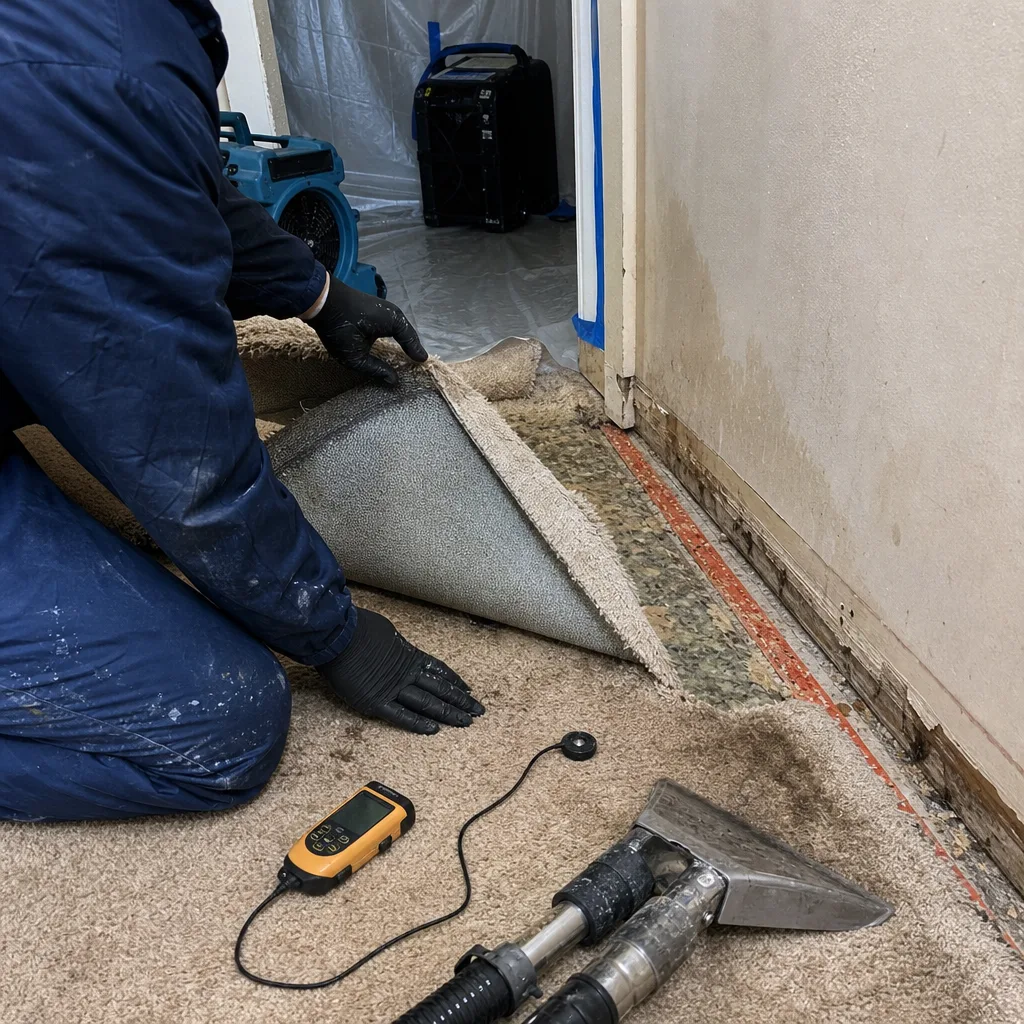
- When Are Permits Required for Restoration Work in NJ?
- The Hackensack Permit Process: Step by Step
- The Substantial Improvement Rule and Flood Zones
- Asbestos and Lead Abatement Notification Requirements
- How Inspections Support Your Insurance Claim
- Hackensack Permit Fees and Turnaround Times
- Common Mistakes to Avoid
- When to Call a Professional
- Frequently Asked Questions
BeforeAfterWhen Are Permits Required for Restoration Work in NJ?
New Jersey’s Uniform Construction Code (UCC), adopted under N.J.S.A. 52:27D-119 et seq., governs all construction, alteration, repair, and demolition work. The code does not distinguish between new construction and restoration work - if the activity falls under a regulated category, it requires a permit regardless of what caused the damage.
In our experience across Hackensack and Bergen County, here’s what actually triggers permitting:
Work That Requires a Permit
- Structural repairs: Replacement of load-bearing walls, floor joists, roof trusses, or foundation elements. This includes sistering joists after water damage and repairing fire-compromised framing.
- Electrical work: New circuits, panel upgrades, rewiring after fire or water damage, and replacement of submerged outlets or switches.
- Plumbing: Repiping, water heater replacement, sewer line repair, and any modification to the drainage system.
- HVAC: Furnace or air handler replacement, ductwork modification, and new gas lines.
- Window and door replacement: Only when altering the rough opening size or changing egress requirements.
- Roofing: Full replacement or structural deck repair; spot repairs under 100 square feet on residential properties are typically exempt.
- Demolition: Any structural demolition, even when preparing for restoration.
Work Typically Exempt
- Painting, wallpapering, and cosmetic finishes
- Floor covering replacement (carpet, vinyl, hardwood over existing subfloor)
- Cabinet and countertop replacement without plumbing or electrical changes
- Minor drywall repair under 200 square feet in a single room
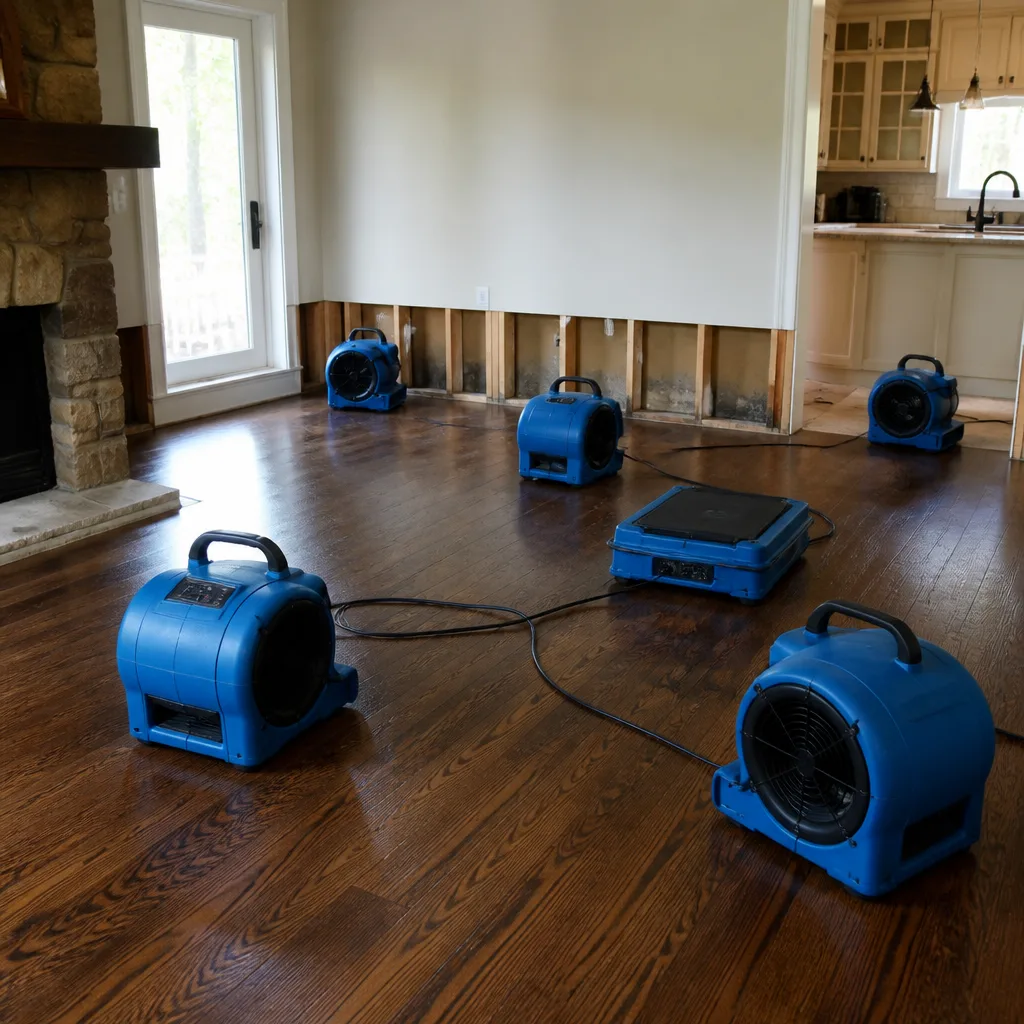
- Portable dehumidifier and air mover placement during initial mitigation
The exemption threshold for drywall is where we see the most confusion. In Hackensack, if water damage requires removal of drywall beyond 200 square feet per room, or if the removal exposes insulation or framing that must be replaced, the repair crosses into permit territory. We’ve documented this on hundreds of jobs: what starts as a “simple patch” often reveals compromised fireblocking or vapor barriers that must be restored to code.
The NJ UCC delegates enforcement to municipal construction officials, meaning Hackensack’s inspector has final authority on whether your specific scope requires permitting. When in doubt, we file a written inquiry with the Construction Office before work begins. The response becomes part of the job file, protecting both the homeowner and the restoration contractor from retroactive enforcement.
The Hackensack Permit Process: Step by Step
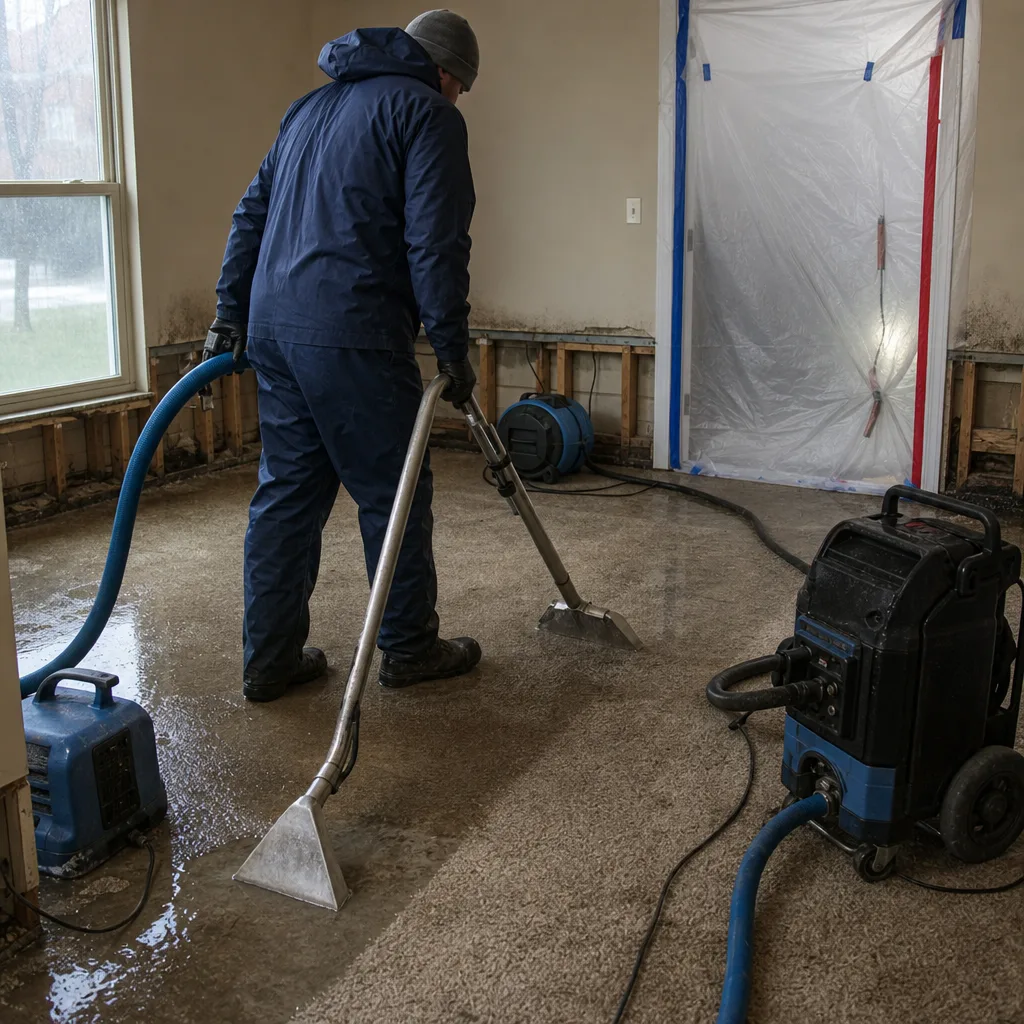
Permit applications in Hackensack are handled by the Construction Office at City Hall, 65 Central Avenue. The process follows a predictable sequence, though timing varies by project complexity and current backlog.
Step 1: Application Submission
The property owner or their licensed contractor submits a completed UCC permit application, two sets of construction documents, and proof of contractor licensing and insurance. For restoration work, we attach the insurance adjuster’s scope of loss, our written estimate, and photographs documenting the damage. This establishes that the work is repair of existing conditions rather than new construction, which affects fee calculation.
Step 2: Plan Review
The construction official reviews submissions for code compliance. Simple permits - electrical panel replacement, water heater swap - may be approved over the counter. Structural repairs, foundation work, or projects in flood zones require detailed plan review, typically 10-15 business days in Hackensack.
Step 3: Third-Party Engineering Review
Projects involving structural modification, foundation repair, or work on pre-1940 structures trigger a third-party engineering review. The applicant selects from the city’s approved list of licensed professional engineers, who verify load calculations, soil conditions, and compliance with current seismic and wind standards. This adds 7-14 days and $800-$2,500 to the project depending on complexity.
Step 4: Permit Issuance and Fee Payment
Once approved, the permit is issued with a posted fee schedule. Payment must be made before work begins. The permit card must remain visible at the job site until final inspection.
Step 5: Inspection Scheduling
Most restoration permits require multiple inspections: rough inspection (before walls close), insulation inspection (if applicable), and final inspection. In Hackensack, inspections are scheduled through the Construction Office with 48-hour notice. Same-day requests are sometimes accommodated for emergency situations, but this is discretionary.
Step 6: Final Approval and Certificate of Occupancy or Completion
After passing final inspection, the construction official issues a Certificate of Completion or updated Certificate of Occupancy. This document should be scanned into your claim file and retained with your property records permanently.
We’ve seen restoration contractors in Bergen County skip Step 6, leaving homeowners with approved permits but no final certificate. Without that certificate, the work is not legally complete. When those homeowners later refinance or sell, the open permit flags in title searches, requiring costly re-inspection of work that may be years old.
The Substantial Improvement Rule and Flood Zones
Hackensack sits within the Hackensack River floodplain, with significant portions of the city designated as Special Flood Hazard Areas on FEMA’s Flood Insurance Rate Maps. This matters for restoration because of FEMA’s Substantial Improvement Rule, commonly called the 50% Rule.
The rule states: if the cost of repairs to a structure in a flood zone equals or exceeds 50% of the structure’s market value before the damage occurred, the entire structure must be brought into compliance with current floodplain management standards. Not just the repaired portion. The entire building.
Here’s how this plays out in practice. A homeowner on Hackensack’s west side near the river has a pre-1975 ranch with a market value of $400,000. A spring nor’easter floods the first floor, causing $210,000 in damage - 52.5% of structure value. Under the 50% Rule:
- The restoration project triggers substantial improvement status
- The structure must be elevated to or above Base Flood Elevation, or demolished and rebuilt compliant
- All new construction must meet current NJ Uniform Construction Code, not the code in force when the house was built
- Flood insurance claims may be reduced or denied if work proceeds without addressing elevation requirements
The 50% calculation uses the structure value only, not land value. Hackensack’s tax assessor maintains structure valuations that the Construction Office references for this determination. We’ve worked with public adjusters who obtain pre-damage structure valuations from the assessor’s office specifically to argue against substantial improvement findings - or to confirm them and plan accordingly.
The rule creates a painful decision point. A homeowner with $210,000 in damage and a $400,000 structure value faces two paths: limit repairs to $199,999 (49.9%) and restore without triggering elevation requirements, or commit to full compliance, which in Hackensack’s flood zones often means raising the structure or significant foundation work. The first path leaves unrepaired damage. The second path may cost $300,000+ and require temporary relocation.
We document this analysis in writing before work begins. Haven Standard, Clause 1: written price before work starts. In flood-zone properties, that written price includes a substantial improvement assessment based on current assessor data, not guesswork.
Asbestos and Lead Abatement Notification Requirements
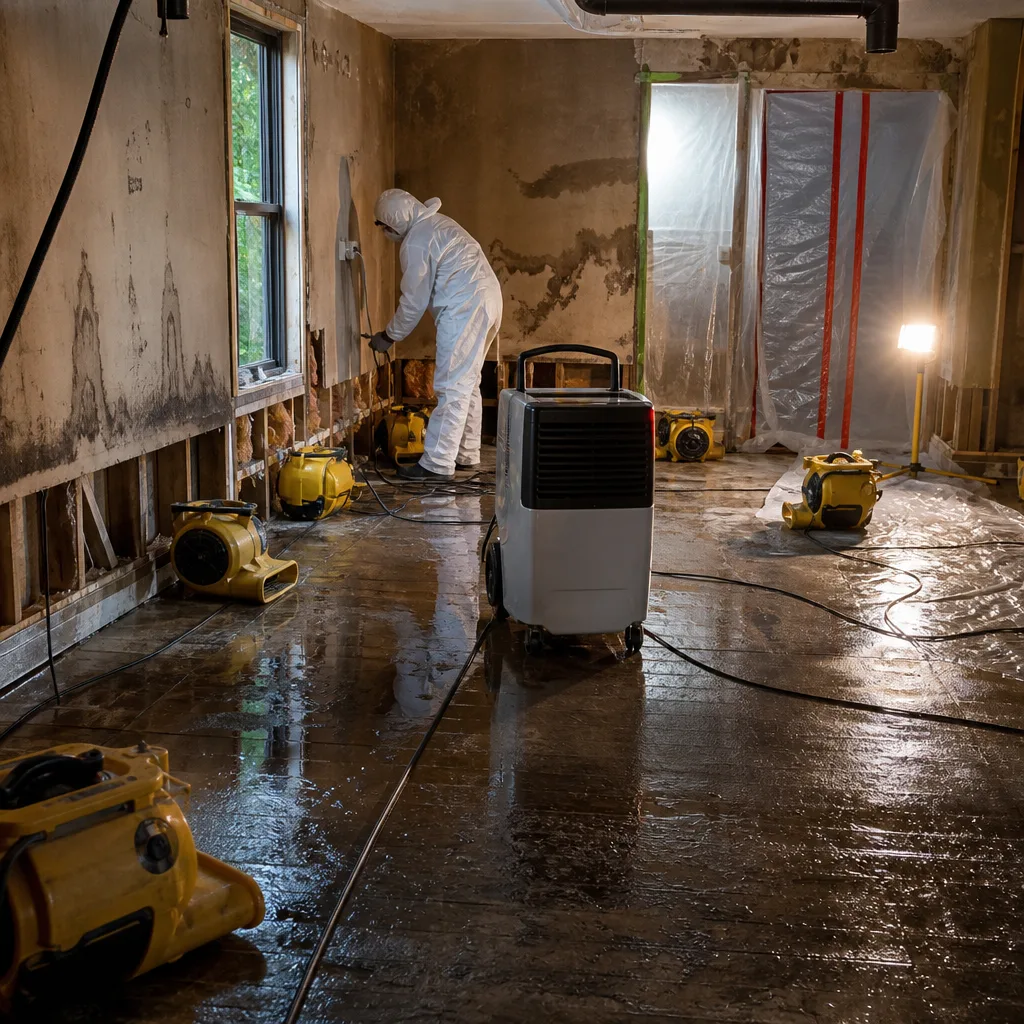
Pre-1980 homes dominate Hackensack’s housing stock, particularly in neighborhoods south of Route 46 and east of the river. These properties carry specific regulatory obligations under NJ Department of Environmental Protection rules that restoration contractors cannot ignore - and that owner-occupants sometimes mistakenly believe don’t apply to them.
Asbestos: N.J.A.C. 7:1-1 et seq.
Before any renovation or demolition work that disturbs regulated asbestos-containing material (RACM), a licensed inspector must conduct a survey. In New Jersey, this requirement applies to:
- Residential buildings with more than four dwelling units
- Any demolition, regardless of building type
- Renovations exceeding threshold amounts: 260 linear feet of pipe insulation, 160 square feet of other surfacing material, or 35 cubic feet of off-site debris
Single-family homes and owner-occupied duplexes are exempt from the survey requirement - but only if the owner performs the work themselves or hires non-contractor labor. Once a licensed restoration contractor is engaged, the contractor becomes legally responsible for ensuring compliance. We do not proceed with demolition in pre-1980 Hackensack properties without asbestos survey documentation. The liability for improper abatement falls on the contractor, and NJ DEP enforcement includes criminal penalties for knowing violations.
Notification to NJ DEP is required 10 days before any asbestos abatement begins. Emergency exemptions exist for imminent health hazards, but the exemption must be documented and the notification filed within 24 hours of work commencement.
Lead: N.J.A.C. 5:23-10 and EPA RRP Rule
Lead-based paint hazards in pre-1978 housing trigger the EPA’s Renovation, Repair, and Painting (RRP) Rule, incorporated into New Jersey’s administrative code. Any renovation that disturbs more than 6 square feet of interior surface or 20 square feet of exterior surface requires:
- Firm certification from EPA (or NJ DEP delegation)
- Lead-safe work practices by certified renovators
- Pre-renovation education for occupants
- Documentation of compliance maintained for three years
The owner-occupant exemption that exists for asbestos does not exist for lead. Even homeowners performing their own work in their own residence are encouraged - though not federally required - to follow RRP practices. Contractors have no exemption. We maintain EPA RRP firm certification and assign certified renovators to every pre-1978 project in Hackensack.
Documentation here serves dual purposes. The lead-safe work practice checklist and post-renovation cleaning verification become evidence in your claim file that work was performed to health-protective standards. Some insurers have denied supplemental claims for lead-related illness when initial restoration failed to document RRP compliance.
How Inspections Support Your Insurance Claim
The connection between municipal inspections and insurance claim payment is where Back to Dry’s documentation-first approach originated. Our founder, Alicia Brennan, spent years as a claims adjuster watching legitimate restoration invoices get reduced or denied for lack of independent verification that work was actually performed and performed correctly.
A passed municipal inspection is third-party verification of scope legitimacy. It is not the contractor saying work was done. It is a licensed construction official, employed by the municipality, confirming that work meets code. This distinction matters when:
- An insurer disputes that drywall replacement was necessary (inspection report shows square footage of removed and replaced material)
- A subsequent claim arises in the same area (inspection history demonstrates proper prior repair)
- A public adjuster negotiates supplemental payment (inspection documentation supports scope expansion)
- A homeowner sells the property (disclosure requirements are satisfied with dated certificates)
We’ve worked with public adjusters in Bergen County who specifically request inspection certificates before presenting final invoices. One adjuster we collaborate with regularly will not file a demand package for structural repairs without rough and final inspection documentation attached. His view: the certificate converts a contractor’s claim into a verified fact.
The daily moisture logs we produce using Dri-Eaz and Phoenix dehumidification systems, documented to IICRC S500 standards, show psychrometric data - temperature, relative humidity, vapor pressure differential - that proves drying progress. The municipal inspection certificate proves structural repairs were completed to code. Together, they form a claim file that resists reduction.
We also photograph every inspection. The construction official’s approval sticker on the electrical panel. The signed final inspection card. These images join our standard photo record, delivered to every customer as a standard deliverable, never an upsell.
Hackensack Permit Fees and Turnaround Times
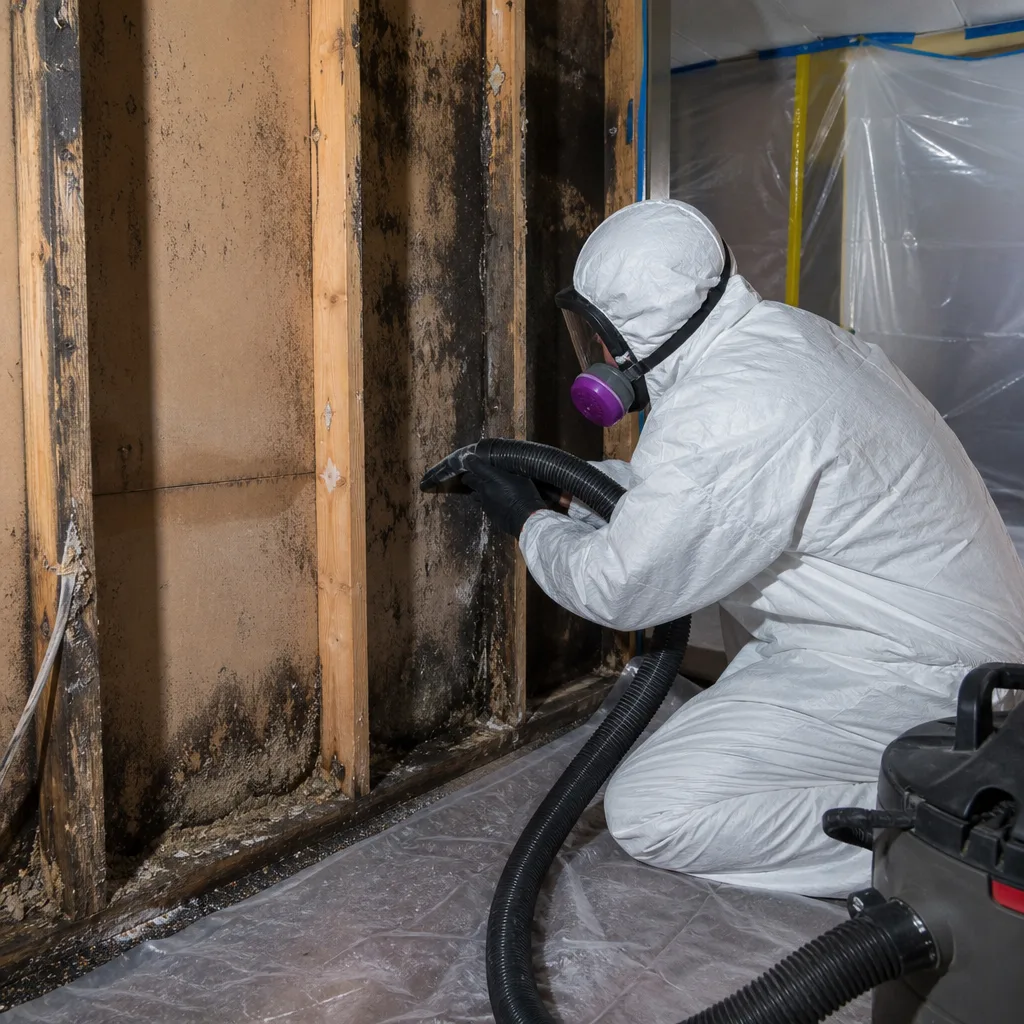
Permit fees in Hackensack follow a structured schedule set by city ordinance, with specific rates for common restoration scenarios. These are current as of our most recent project filings; always confirm with the Construction Office before budgeting.
| Permit Type | Base Fee | Additional Charges | Typical Turnaround |
|---|---|---|---|
| Electrical panel replacement (200A) | $150 | $50 per additional circuit | Same day to 3 days |
| Water heater replacement | $125 | None for like-kind replacement | Same day to 3 days |
| Drywall repair (permit required scope) | $100 | $0.15 per square foot over 500 sq ft | 5-10 days |
| Structural repair (joists, framing) | $200 | Engineering review: $800-$2,500 | 15-25 days with engineering |
| Roof replacement | $250 | $0.10 per square foot | 5-10 days |
| Furnace/HVAC replacement | $175 | Mechanical inspection: $75 | 3-7 days |
| Demolition (structural) | $300 | Asbestos survey required if applicable | 10-15 days |
Expedited review is available for emergency situations - active water intrusion, structural instability, unsafe electrical conditions - with an additional fee equal to 50% of the base permit fee. The Construction Office has granted expedited processing for our Hackensack emergency calls when we document the hazard with photographs and a written description.
Third-party engineering review, when triggered, is the longest variable. We maintain relationships with three engineers on Hackensack’s approved list to minimize scheduling delays. The engineering report itself becomes a permanent record of the structure’s condition and repair requirements, valuable for both permitting and claim documentation.
One cost homeowners often overlook: re-inspection fees. If work is not ready when the inspector arrives, or if corrections are required, each return visit carries a fee of $75-$150 depending on inspection type. We schedule inspections only after our own quality check, using the same photo documentation standards we apply to drying logs. This coordination reduces re-inspections to near zero on our Hackensack jobs.
Common Mistakes to Avoid
- Assuming insurance restoration is exempt from permits. Some homeowners believe that because an insurer is paying, municipal rules don’t apply. The opposite is true: insurer-paid work is often more closely scrutinized because of the third-party funding source.
- Relying on contractor verbal assurances that a permit “isn’t needed.” We’ve been called to Hackensack properties where a previous contractor performed unpermitted electrical work, leaving the homeowner with a stop-work order and a $5,000 rewiring bill to achieve compliance. Get the determination in writing from the Construction Office.
- Failing to disclose unpermitted work at sale. New Jersey’s Consumer Fraud Act, N.J.S.A. 56:8-1 et seq., requires disclosure of known defects and material facts. Unpermitted structural repairs are material facts. Rescission, damages, and attorney fees have been awarded against sellers who failed to disclose.
- Ignoring the 50% Rule in flood zones. Homeowners who proceed with restoration without a substantial improvement assessment risk completing work that must later be removed or modified for compliance. The cost of early analysis is minor compared to the cost of rework.
- Discarding inspection certificates. These documents should be retained for the life of the structure plus seven years. We provide digital copies to every customer and recommend cloud storage with backup.
- Confusing owner-occupant asbestos exemptions with contractor obligations. The exemption for single-family homeowners performing their own work does not transfer to hired contractors. A restoration company that proceeds without required asbestos survey and notification exposes the homeowner to joint liability.
- Scheduling final inspection before all trades are complete. In Hackensack, calling for final with one trade still open - say, electrical rough approved but final not yet performed - results in a failed inspection and re-inspection fee. Coordinate all trades to completion before scheduling.
When to Call a Professional
Call a licensed restoration contractor when your damage involves structural elements, electrical systems, plumbing, or HVAC - the categories that trigger permits and inspections. Not sure whether to handle it yourself? Read our DIY vs Professional Damage Restoration: The Hackensack Homeowner’s Decision Guide before deciding. The permitting complexity rises with the scope, and the documentation requirements for insurance alignment increase proportionally.
In Hackensack, we see the greatest need for professional coordination when flood damage intersects with pre-1980 construction and flood-zone location. Learn to spot problems early with our Damage Restoration Warning Signs: A Hackensack Homeowner’s Reference Guide. The layering of UCC permits, NJ DEP asbestos/lead rules, and FEMA substantial improvement analysis exceeds what most homeowners can navigate while also managing displacement and claim communication.
DryMark Restoration Hackensack offers free estimates in Hackensack and throughout Bergen County. Every estimate is delivered in writing before work begins, per Haven Standard, Clause 1. We coordinate permit applications, schedule inspections, and deliver photo-documented records that support claim payment. Call (551) 213-3409 for a free estimate.
Frequently Asked Questions
Most insurers do not explicitly require permits in their policy language, but they reserve the right to deny claims for work that violates applicable law. Unpermitted work that causes subsequent damage - a fire from unpermitted electrical repair, for example - is frequently excluded from coverage. We document permit compliance in every claim file to eliminate this exposure. Call (551) 213-3409 for a free estimate - we’ll review your scope and identify any permitting requirements.
Emergency permits for hazardous conditions can often be issued same-day or within 24 hours in Hackensack, provided the application is complete and the hazard is documented. Expedited review carries a 50% surcharge on base fees. For non-emergency work, plan on 5-15 business days depending on scope complexity and whether engineering review is triggered. We file emergency applications immediately upon engagement to prevent delay in mitigation work.
You assume the liability. Unpermitted work may be required to be brought to current code at your expense, may void your homeowner’s insurance for related perils, and must be disclosed when you later sell. In Hackensack, open permits flag in municipal records and title searches. We recommend a permit history review - available from the Construction Office for a nominal fee - before closing on any property with prior damage history.
The Substantial Improvement Rule applies to structures in FEMA-designated Special Flood Hazard Areas. In Hackensack, this includes properties near the Hackensack River, portions of the Meadowlands corridor, and certain areas west of Interstate 80. Check your property’s flood zone designation at msc.fema.gov or contact the Hackensack Construction Office. If your property is in a flood zone and damage estimates approach 40% of structure value, engage a professional to assess 50% Rule exposure before finalizing scope.
Either party may apply, but the licensed contractor performing the work is professionally responsible for code compliance. At DryMark Restoration Hackensack, we pull permits as a standard part of project management. The permit is issued in the property owner’s name, but our license and insurance back the application. This ensures continuity between permit scope, written estimate, and completed work.
Owner-occupants of single-family homes may perform their own work without contractor licensing, but they remain subject to permit requirements for regulated categories. The owner-occupant exemption for asbestos surveys does not eliminate the underlying hazard or the obligation to handle material safely. For electrical, plumbing, and structural work, permits are required regardless of who performs the work. Self-performed work without permits creates the same resale and insurance liabilities as unpermitted contractor work.
The Bottom Line
Permits in restoration are not bureaucratic friction. They are documented evidence that work was completed to code, by licensed professionals, with third-party verification. In Hackensack’s market - where flood zones, pre-1980 housing stock, and strict NJ enforcement intersect - skipping permits compounds risk across insurance, resale, and health compliance. The homeowner who demands permit documentation from their restoration contractor, and retains those certificates with their property records, owns a verifiable asset. The homeowner who doesn’t inherits a liability that may not surface for years.
We built DryMark Restoration Hackensack around documentation because we’ve seen what its absence costs. Every job we perform in Hackensack includes permit coordination when required, inspection scheduling, and certificate delivery as part of our standard process - not as an add-on, but as essential evidence. The Haven Standard requires nothing less.
Written by Alicia Brennan, Owner at DryMark Restoration Hackensack, serving Hackensack since 2011.