
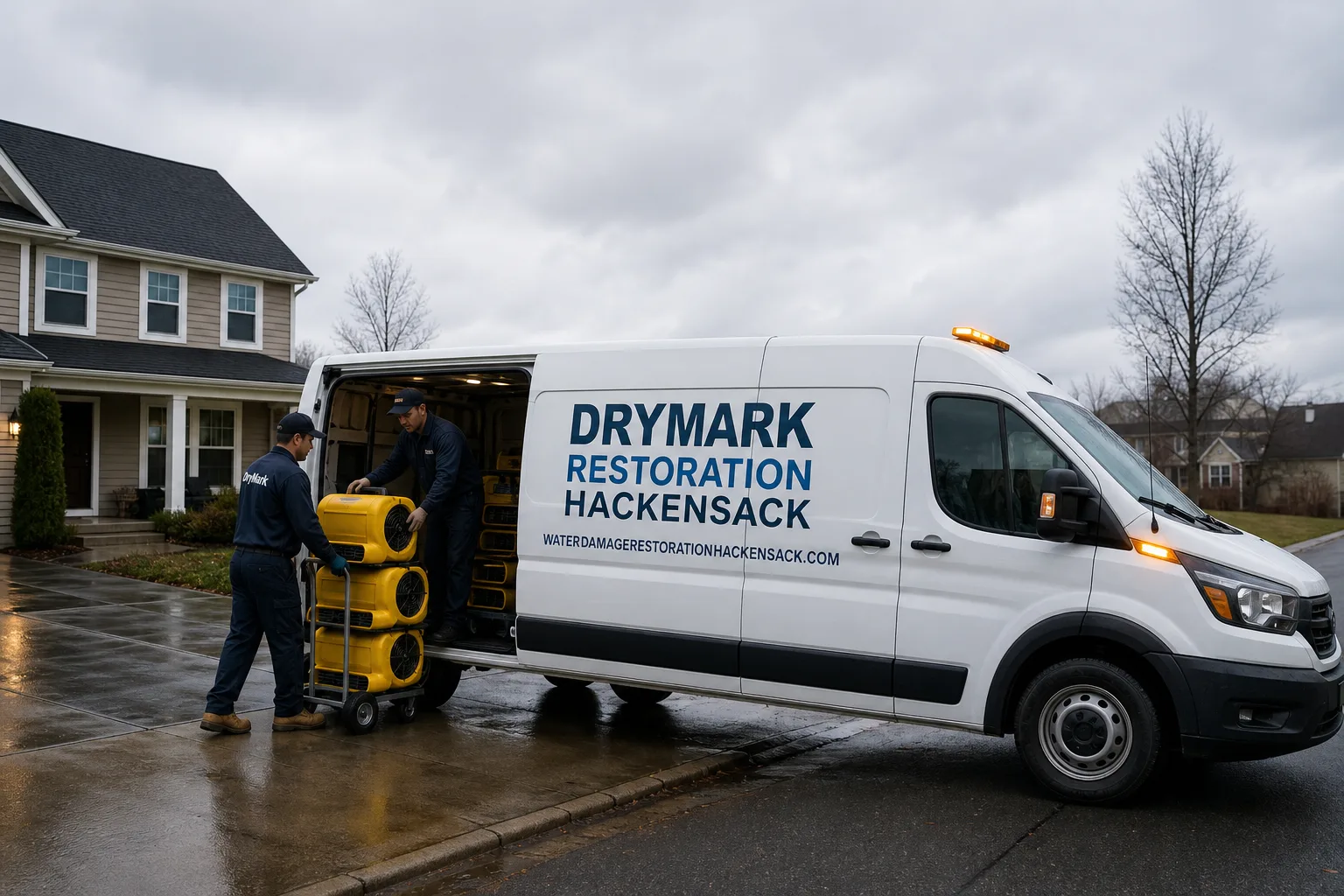
Free visual inspection and a written scope of work before any mitigation begins - photos, moisture readings, and drying logs go in your claim file
The scope we write is the scope we bill. Anything new gets shown to you, in writing, before we touch it.
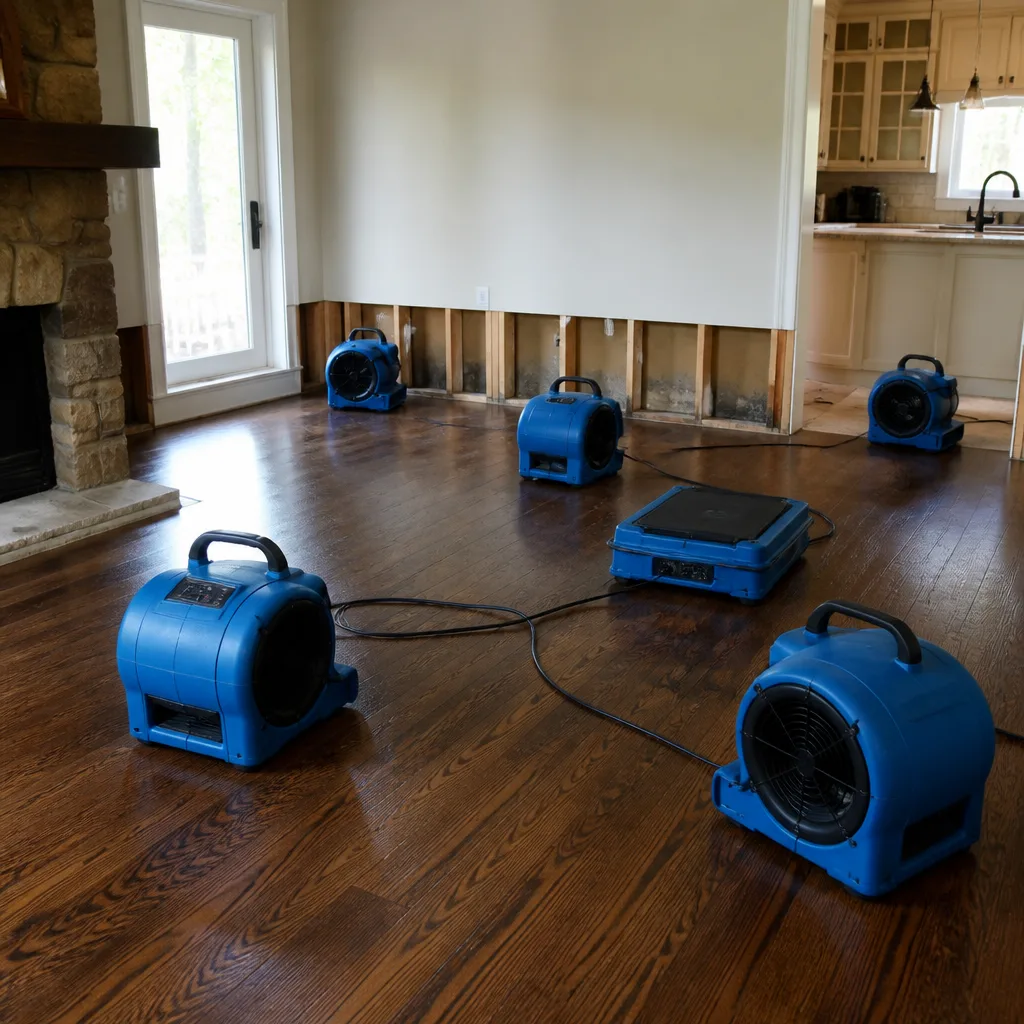
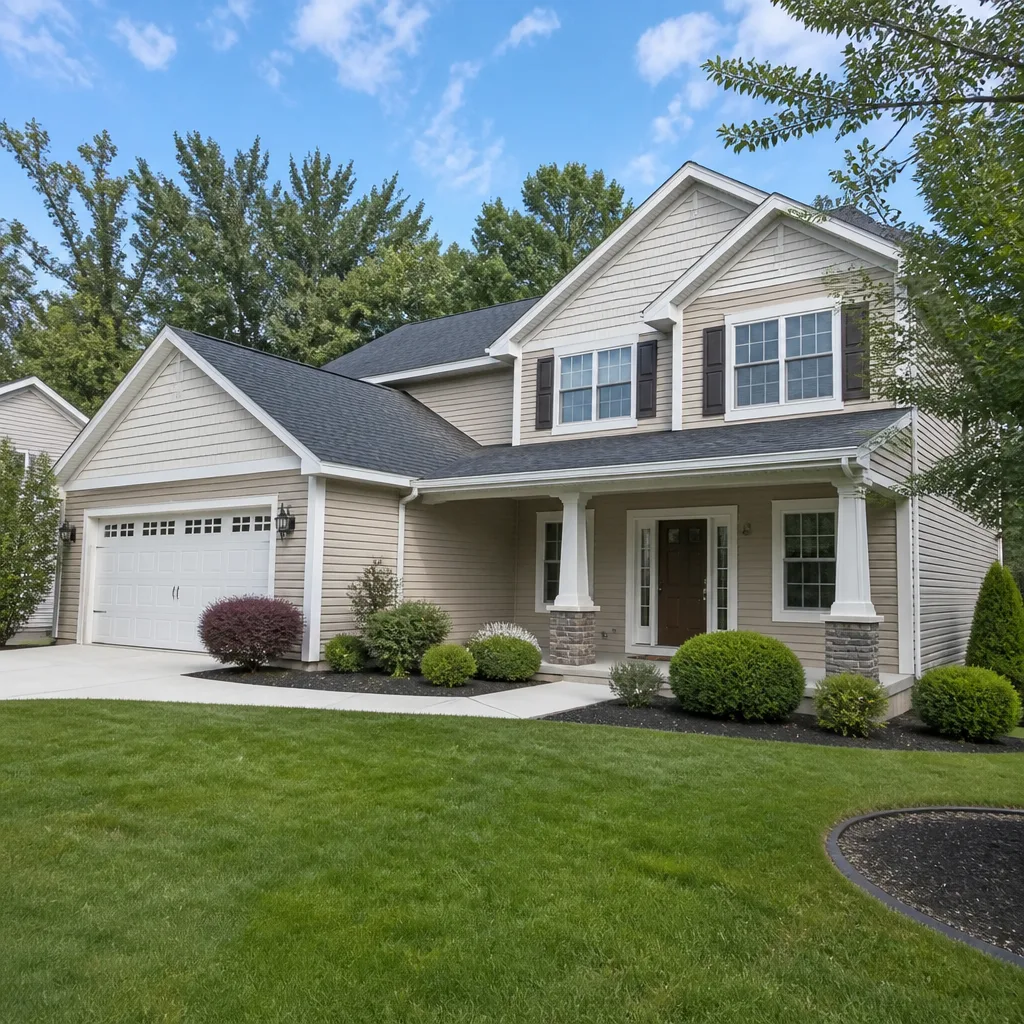
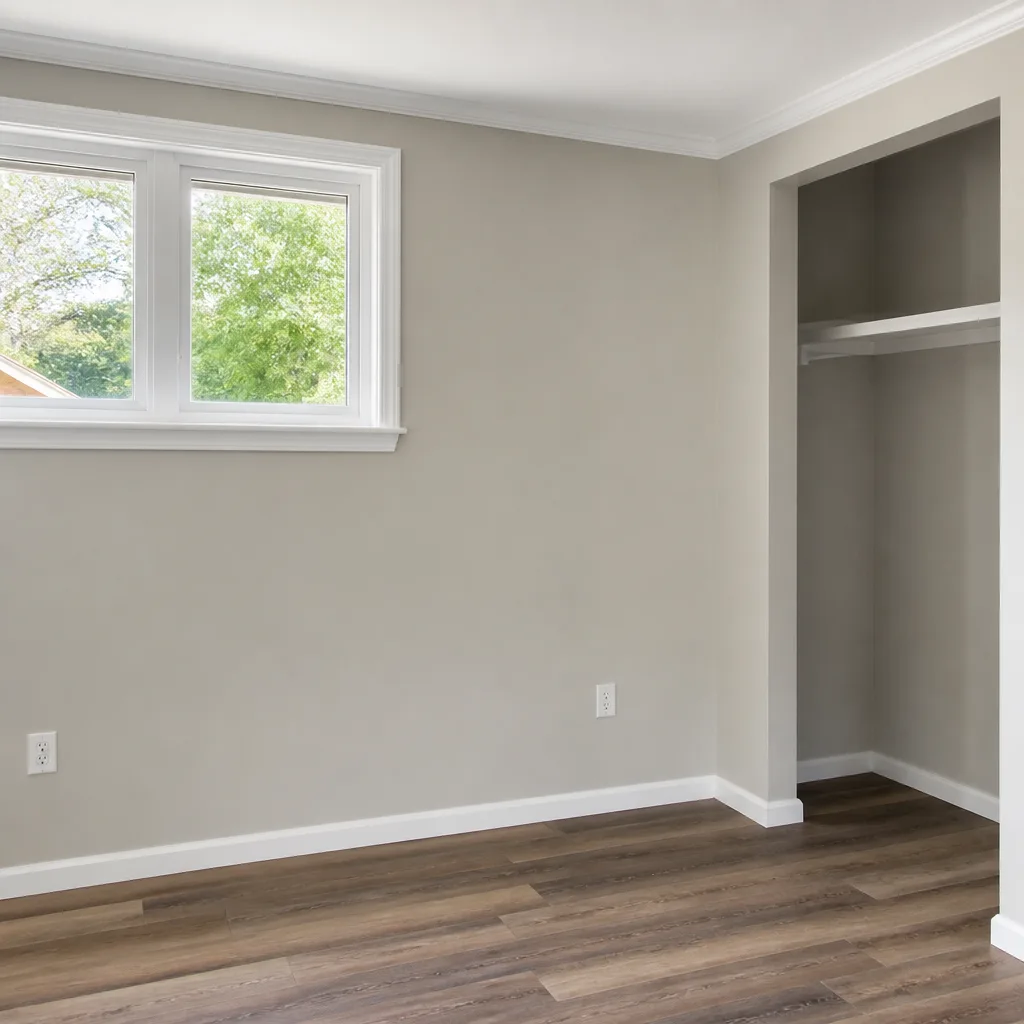
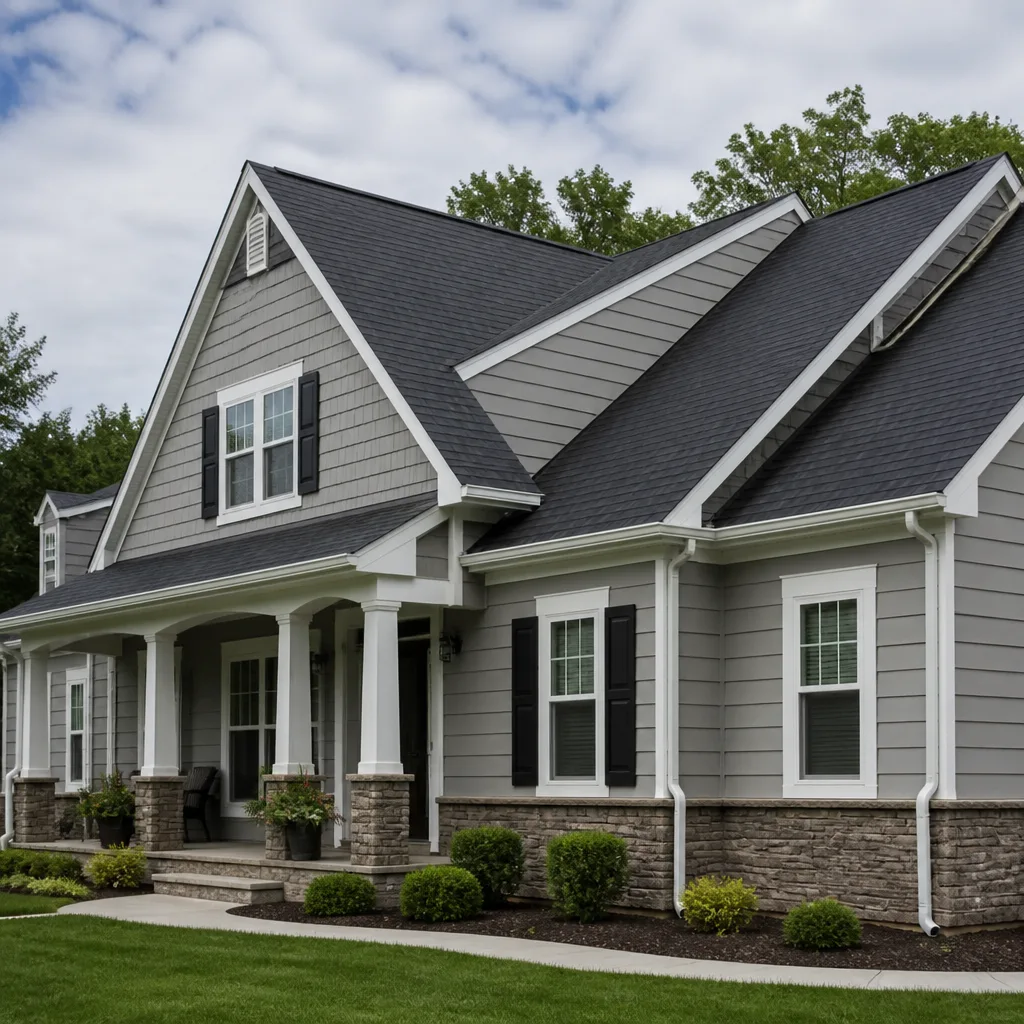
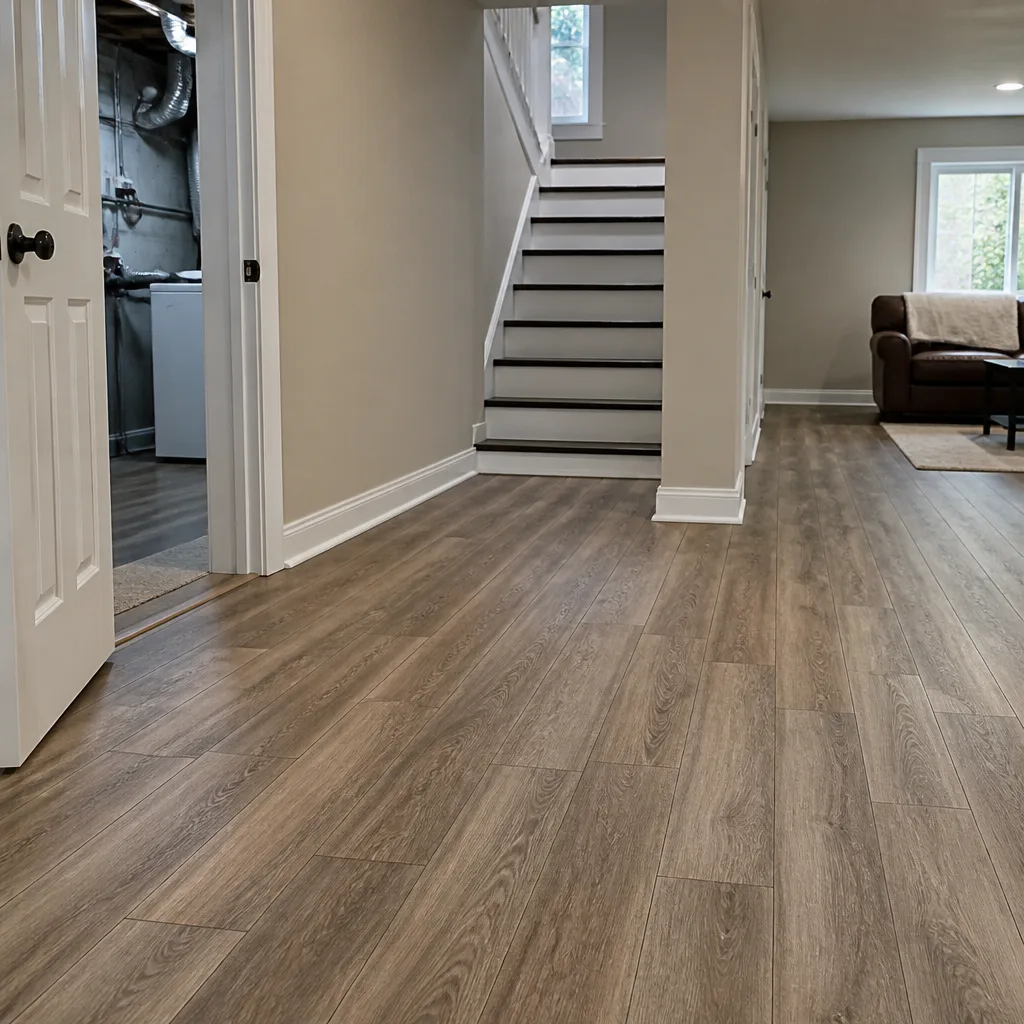
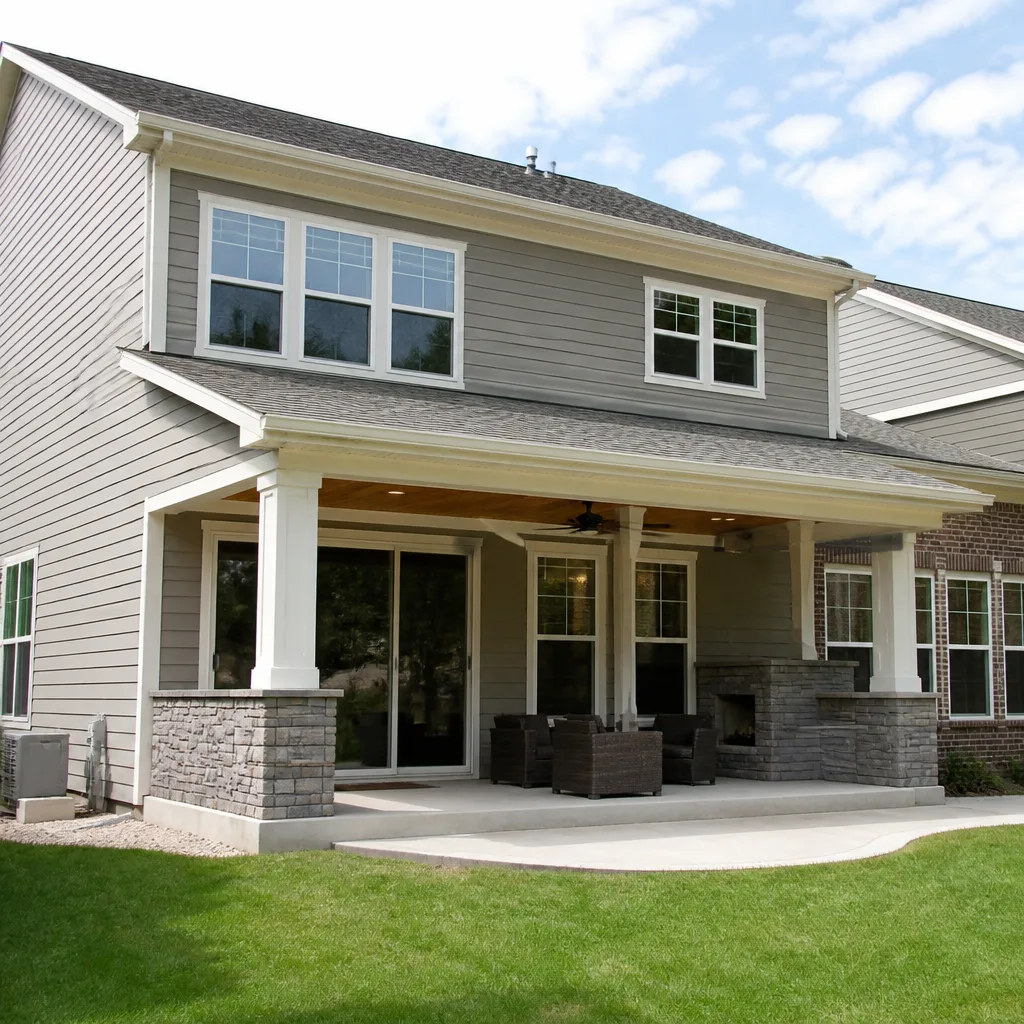
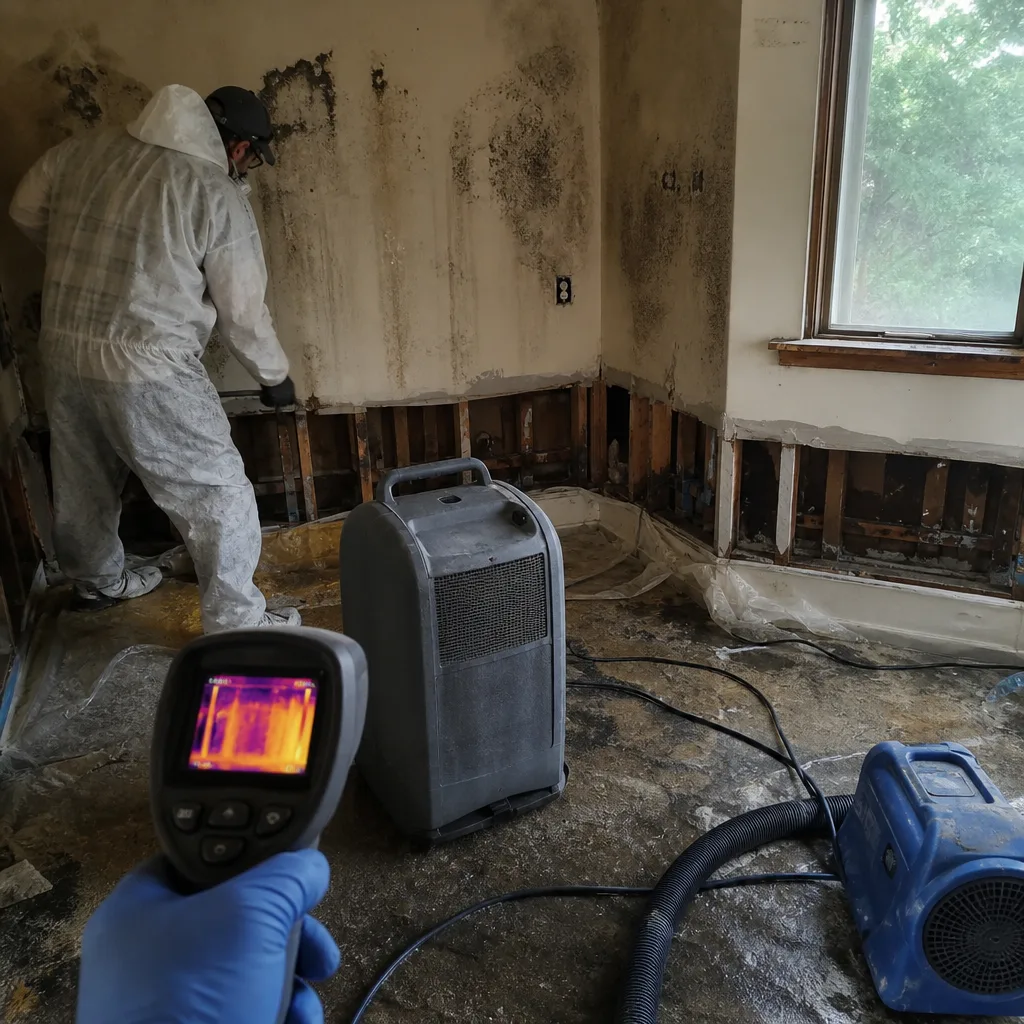 Before
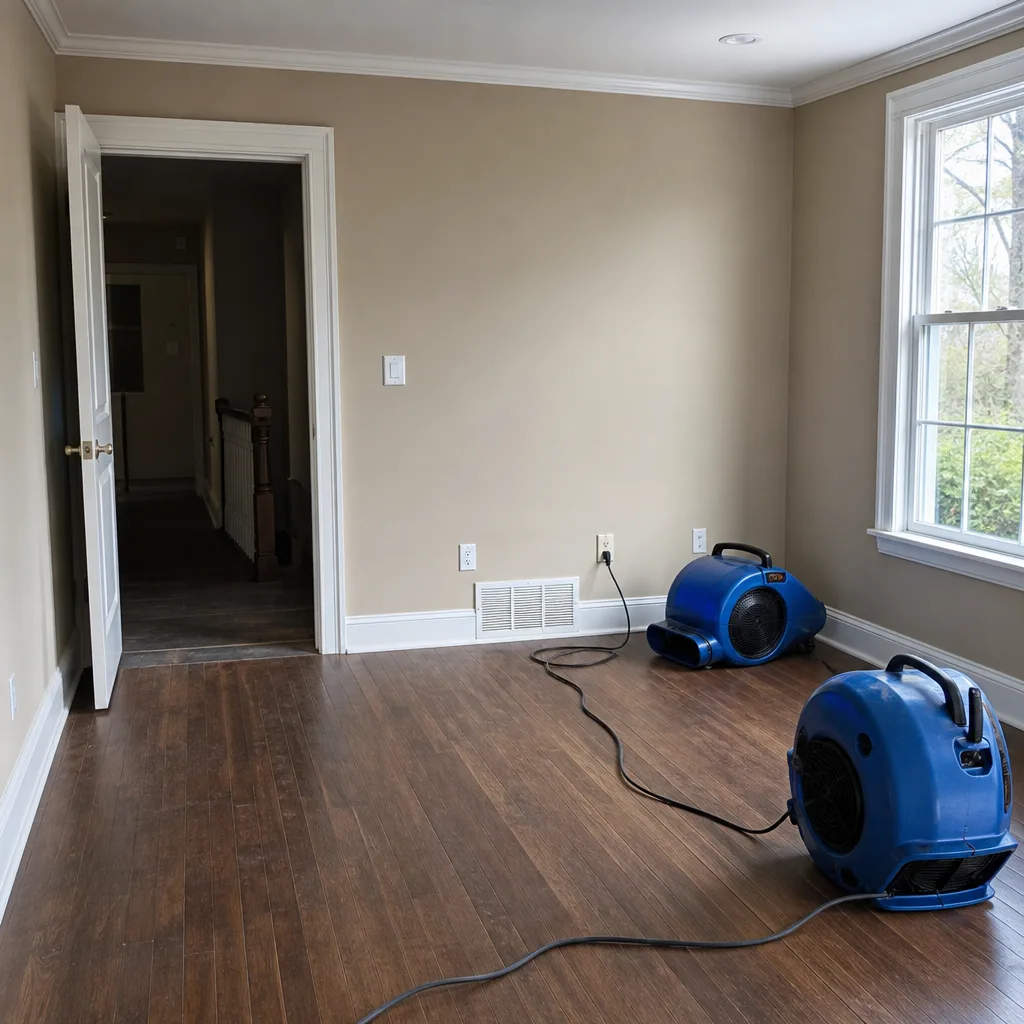 After
After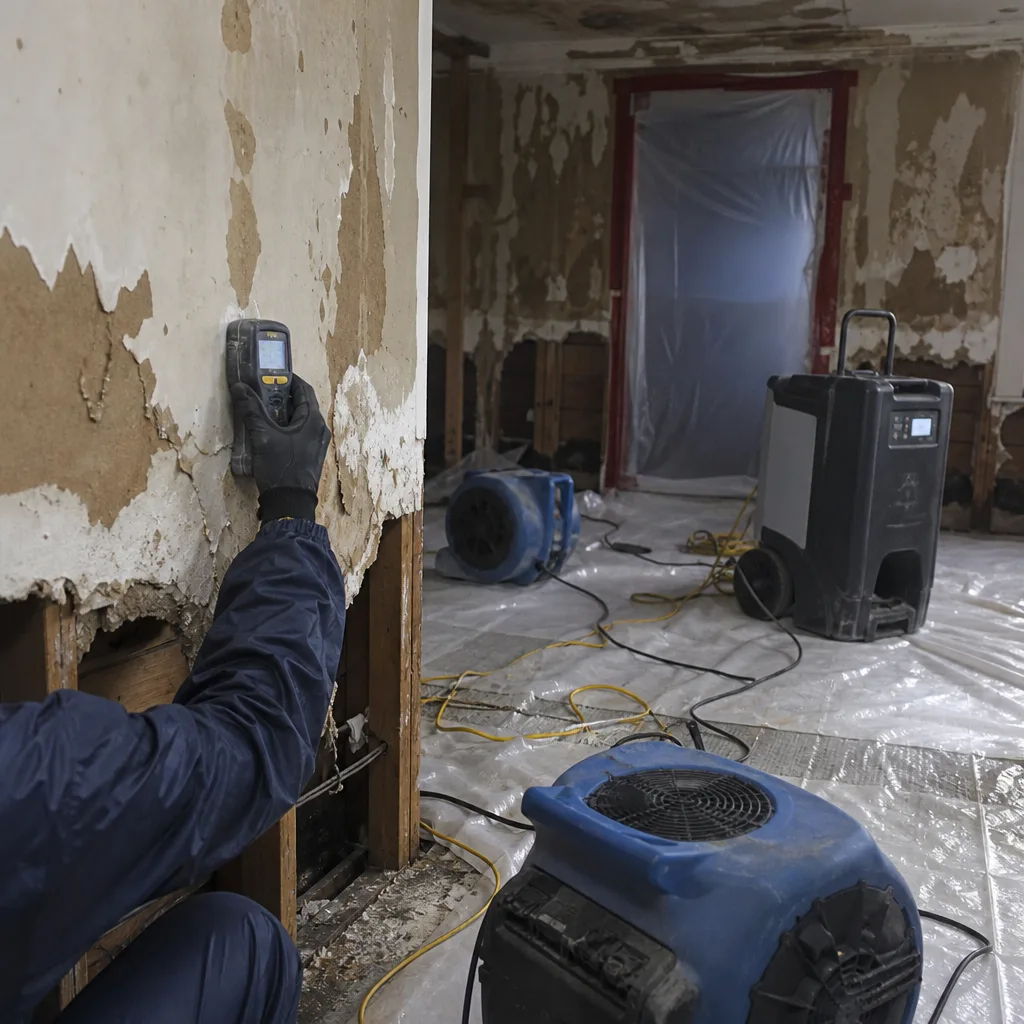 Before
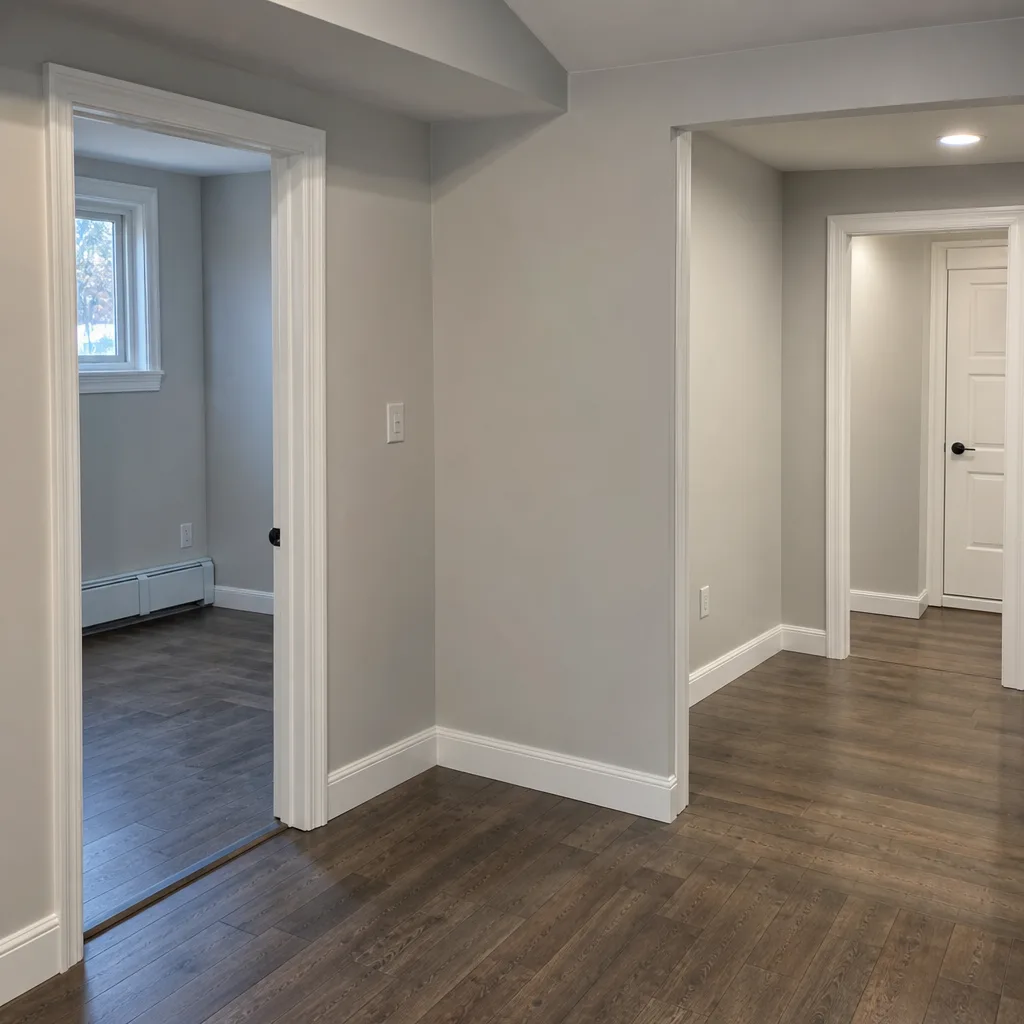 After
After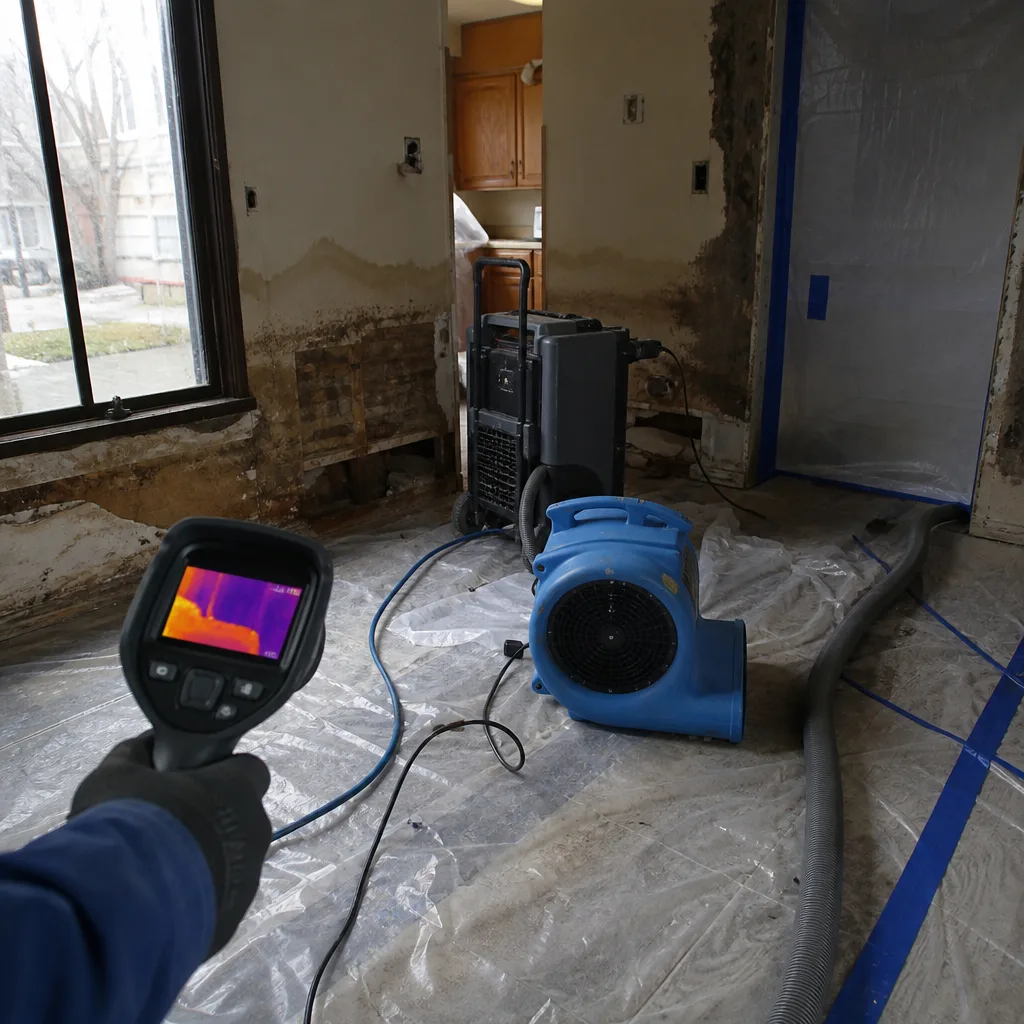 Before
 After
AfterFast, Reliable Fire & Smoke Damage Restoration Across Hackensack
Fire and smoke damage restoration in Hackensack typically runs $3,200-$18,500 depending on square footage and contamination level, with emergency board-up and tarping available within 2-4 hours of your call. Our crews are dispatched from the New York City metro office and carry corrosion-resistant hardware, antimicrobial treatments, and Injectidry cavity-drying systems specifically chosen for Hackensack’s pre-WWII housing stock and tidal flood exposure. Call (551) 213-3409 - a live person answers, 24 hours a day, 7 days a week.
We’re familiar with the blocks that flood first. River Street corridor, the downtown apartment buildings near the river, the two-family wood-frames along the lower stretches - we’ve restored fire damage in all of them. Hackensack’s combination of dense older housing, tidal backflow from the Hackensack River, and salt-laden storm air creates a restoration environment you won’t find in upland Bergen County towns. That local knowledge changes what we pack, how we scope, and what we document.
Why DryMark Restoration Hackensack Is Hackensack’s Preferred Fire & Smoke Damage Restoration Company
Our reputation in Hackensack was built on documentation that survives adjuster scrutiny. Every job receives a written price before work begins - Haven Standard, Clause 1 - plus a photo record on every visit and daily moisture logs formatted to IICRC and RIA standards. Homeowners here review their three-star reviews carefully, and ours hold up because we show what we found, not what we felt.
Response time to Hackensack averages 2-4 hours for emergency board-up and tarping. We’re not promising instant arrival - we’re promising a live dispatcher who coordinates crew deployment from the metro office, tracks traffic patterns across the Route 46 corridor, and confirms your ETA in real time. No voicemail trees while smoke is still settling.
We know the local building types: the 1920s brick multifamilies with plaster-and-lath walls that trap moisture for weeks, the 1940s wood-frame two-families with knob-and-tube cavities that hide smoke residue, the basement apartments that flood with Category 3 black water before the fire department even leaves. That specificity means our scopes are accurate the first time, not revised upward after demolition starts.
Our Fire & Smoke Damage Restoration Services in Hackensack
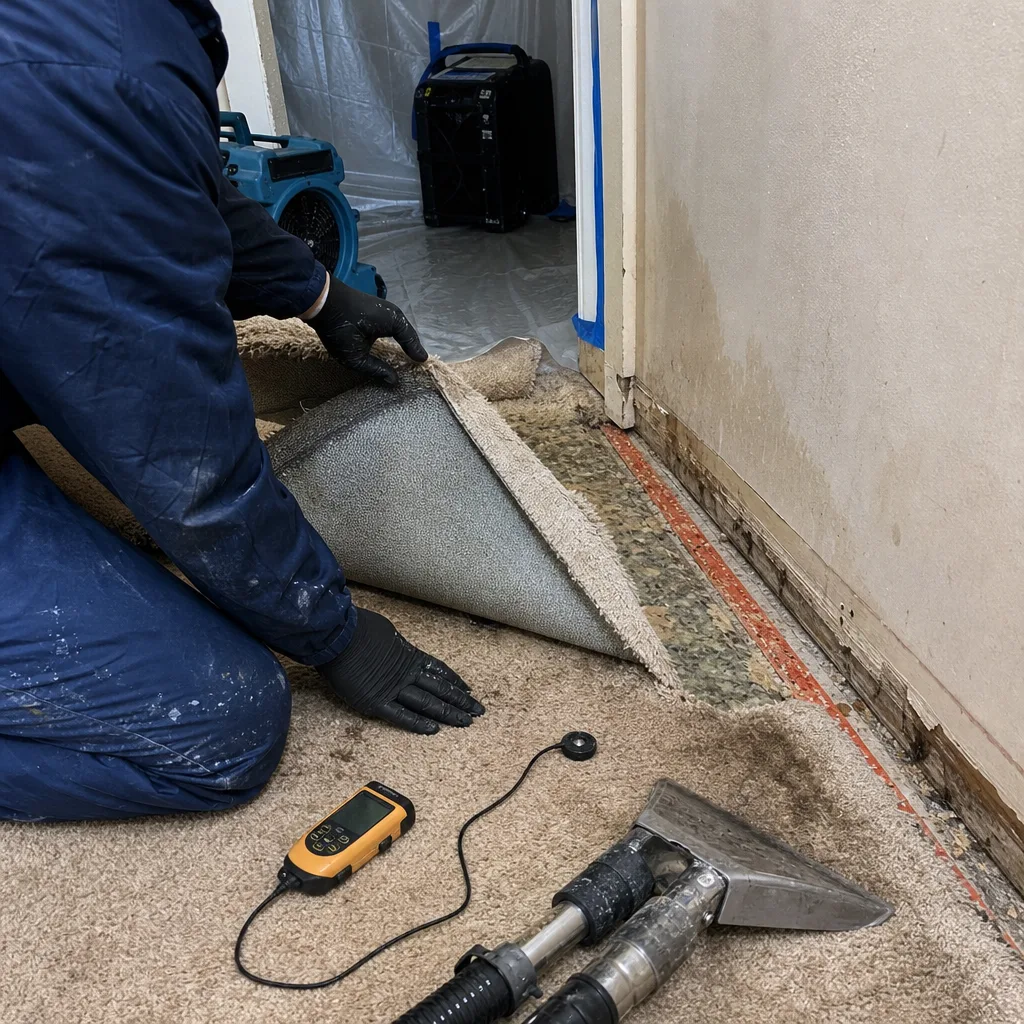
Fire Damage Cleanup
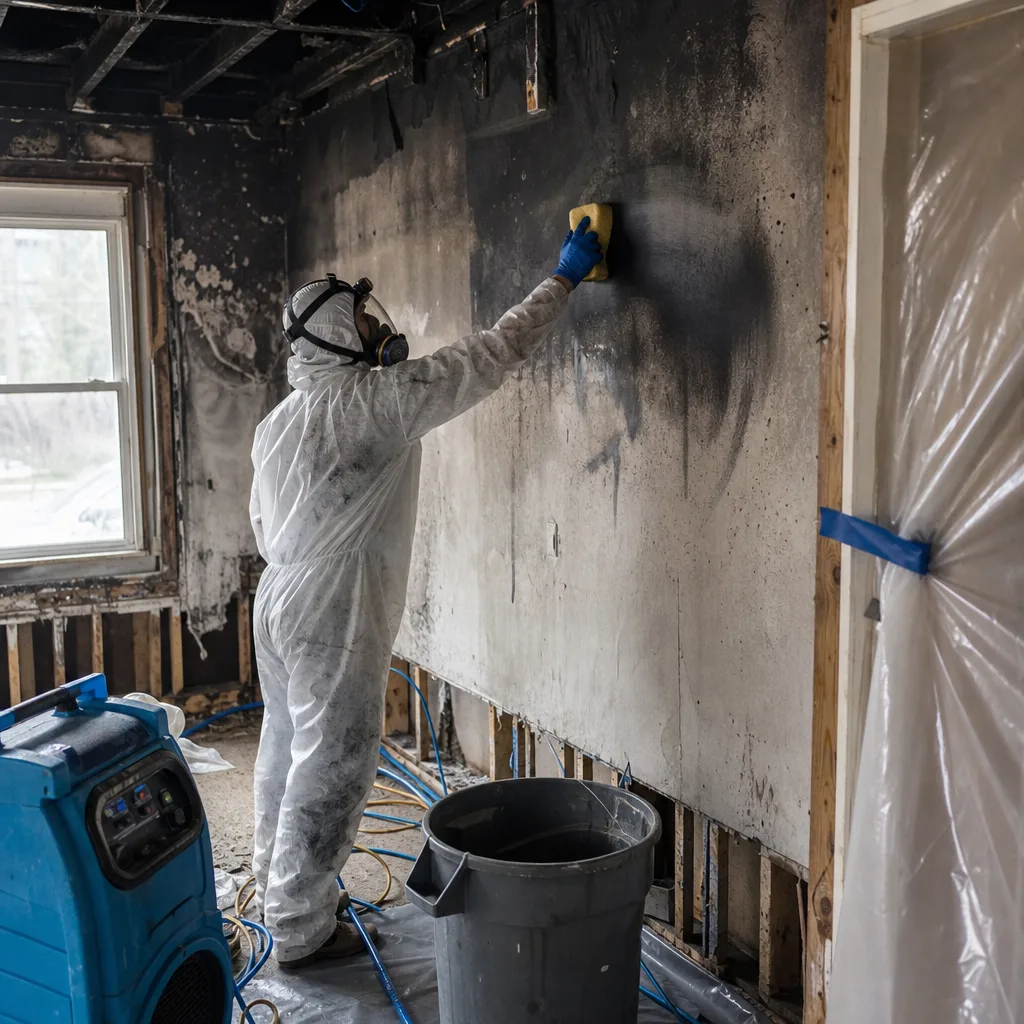
Fire damage cleanup in Hackensack starts with classification - was this a dry protein fire, a wet smolder, or a complex fire involving plastics and synthetics? In the dense multifamily buildings near Main Street and the River Street corridor, we regularly see complex fires where the fuel load includes decades of layered paint, old varnishes, and modern PVC. Each fuel type leaves a distinct residue requiring specific cleaning chemistry. We test before we treat, document the results, and build the scope from there.
Our crews carry HEPA vacuums, chem sponges for dry soot, and ultrasonic cleaning systems for salvageable contents. In Hackensack’s older buildings, we also pack thermal imaging to trace fire extension behind plaster - a step that’s non-negotiable when knob-and-tube wiring is present and may have compromised hidden cavities.
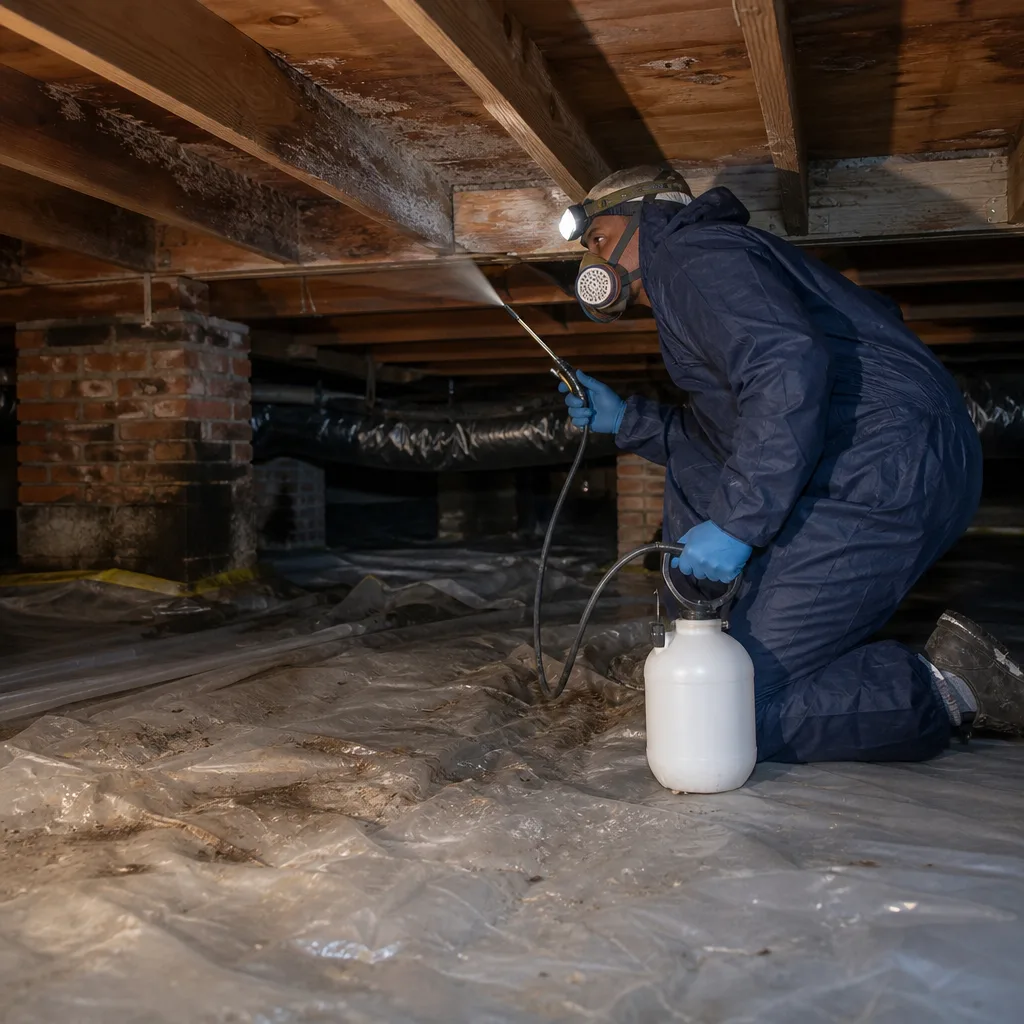
Smoke & Soot Removal
Smoke and soot removal in Hackensack requires understanding how the Hackensack River’s tidal behavior affects the job. When a named storm pushes surge upstream and floods low-lying blocks with Category 3 black water, the soot from a concurrent or subsequent fire doesn’t land on clean surfaces. It fuses with sewage-contaminated silt into a crust that standard dry-cleaning won’t touch. We were called to a River Street corridor two-family after exactly this scenario - tidal water in the basement, boiler-room fire, soot and silt fused to the joists. Our crew set containment, performed antimicrobial treatment on the studs, and ran drying logs with Injectidry and Dri-Eaz equipment so the plaster-and-lath walls could dry without full tear-out upstairs. The homeowner said three neighbors on the same block had the same call that week. We were the only ones who scoped it as black water from the start.
That distinction matters for your claim. Contractors who treat tidal-surge soot as ordinary fire residue skip antimicrobial treatment, leaving sewage-contaminated smoke odor embedded in plaster-and-lath walls that trap moisture for weeks. We don’t.
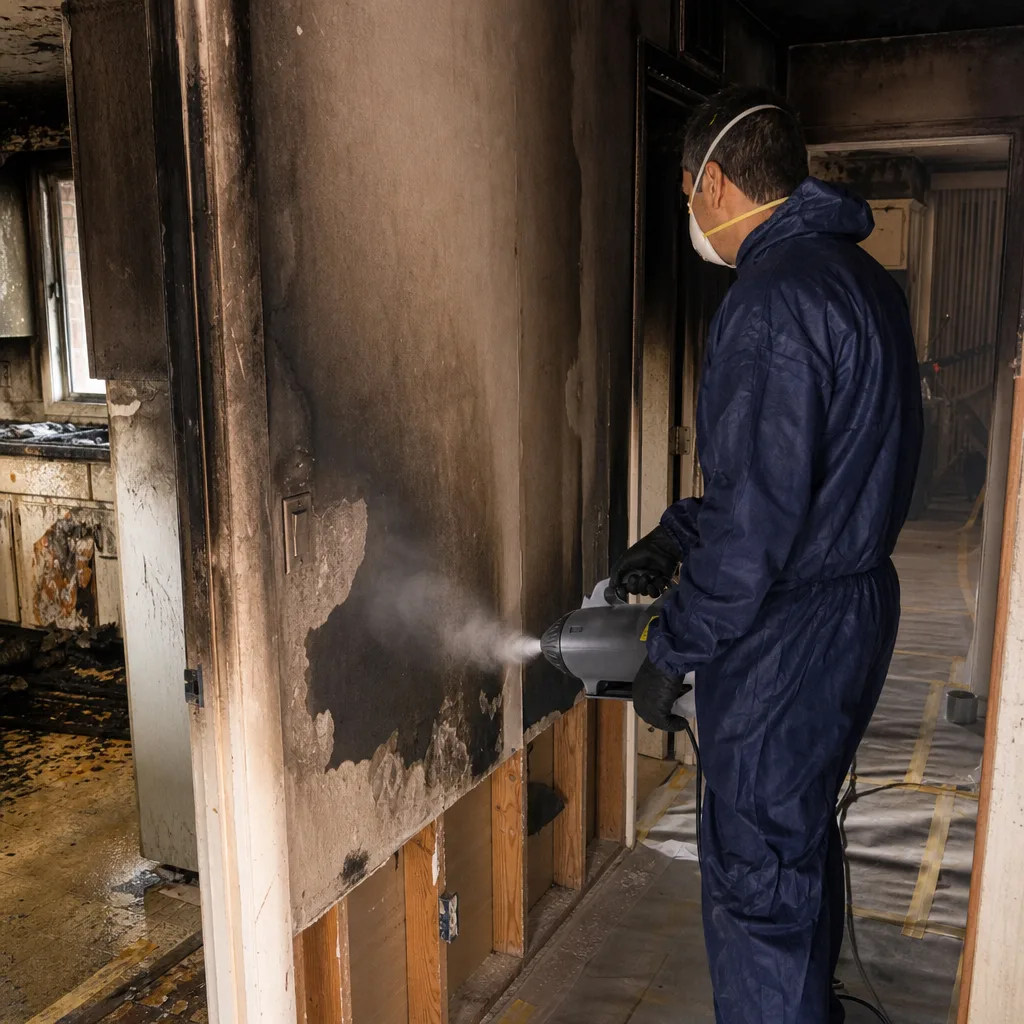
Odor Removal & Deodorization
Odor removal in Hackensack’s pre-WWII housing stock is a vapor-pressure problem, not a surface problem. Plaster-and-lath walls, dense brick construction, and the chronic moisture load from the high water table mean smoke odor molecules migrate through materials rather than sitting on top of them. Our approach pairs thermal fogging for open cavities with hydroxyl generators for occupied spaces - documented to IFA standards - and we don’t declare the job complete until psychrometric data shows vapor pressure differential has normalized.
The salt-laden storm air near the river complicates this further. Corrosion from that environment attacks smoke-damaged hinges, opener chains, and garage-door springs before drying is even complete. Doors fail months after the fire because no corrosion inspection was in the original scope. We inspect and document every piece of hardware that moved smoke during the event.
Emergency Board-Up & Tarping
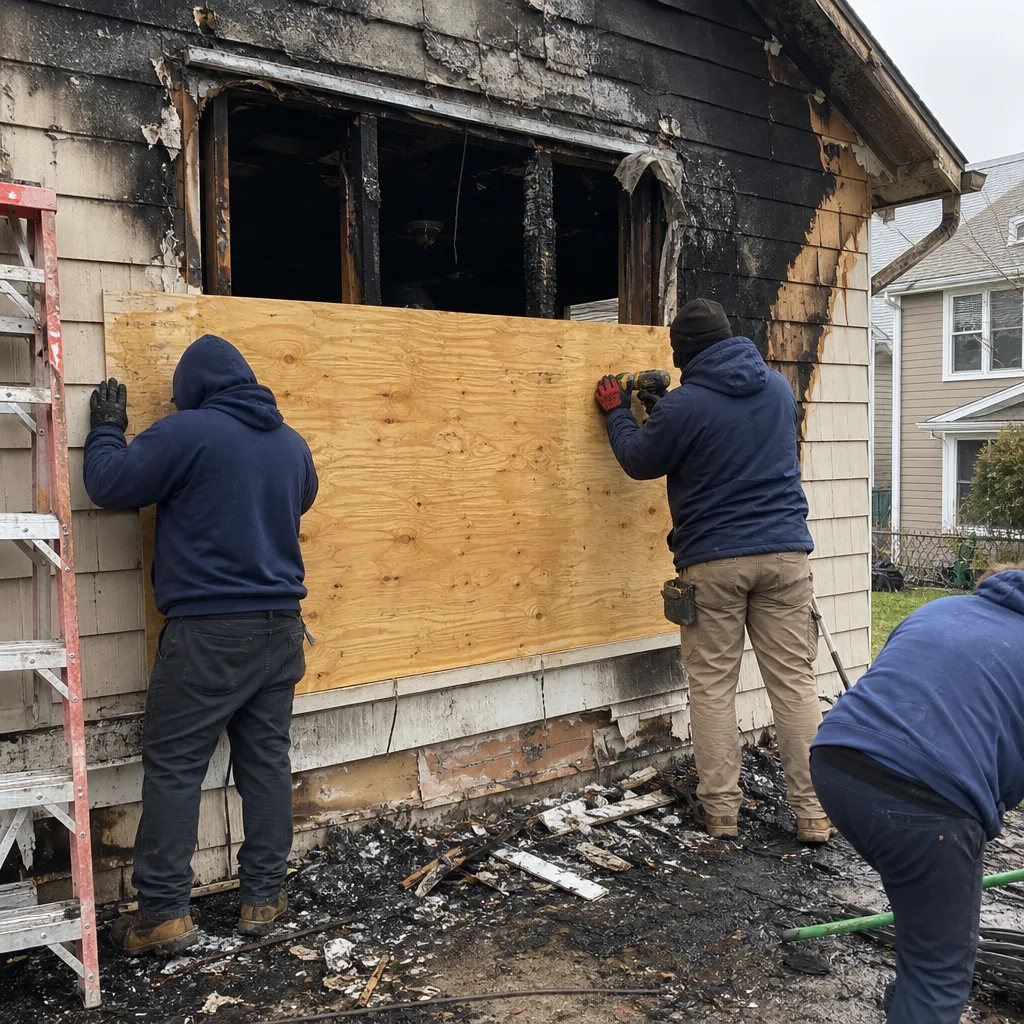
Emergency board-up and tarping in Hackensack is often needed during active weather - nor’easters, tropical remnants, or the coastal storms that drive tidal surge up the Hackensack River. Our crews carry marine-grade plywood, corrosion-resistant fasteners, and temporary roofing materials rated for wind exposure in exposed riverfront conditions. We secure the envelope first, then document every opening with photos before any interior work begins. That photo record becomes part of your standard deliverable, not an upsell.
Contents Cleaning & Pack-Out
Contents cleaning after a Hackensack fire follows a triage protocol: clean on-site when the structure is stable and power is available, pack out to our controlled facility when Category 3 contamination, structural instability, or dense soot load makes on-site cleaning impractical. We inventory every item with photo documentation, provide you and your adjuster with a written contents scope, and store items in a climate-controlled environment until structural restoration is complete. The decision is yours, informed by our written assessment - not made under pressure while smoke is still in the air.
What happens when you call
- 1
A real person answersNo phone trees - you reach a local pro.
- 2
You get an upfront price rangeHonest numbers before anyone is dispatched.
- 3
A background-checked tech heads outLicensed & insured, dispatched right away.
- 4
You approve before work beginsNothing starts until you say go.
BeforeAfterTrusted Brands We Service in Hackensack
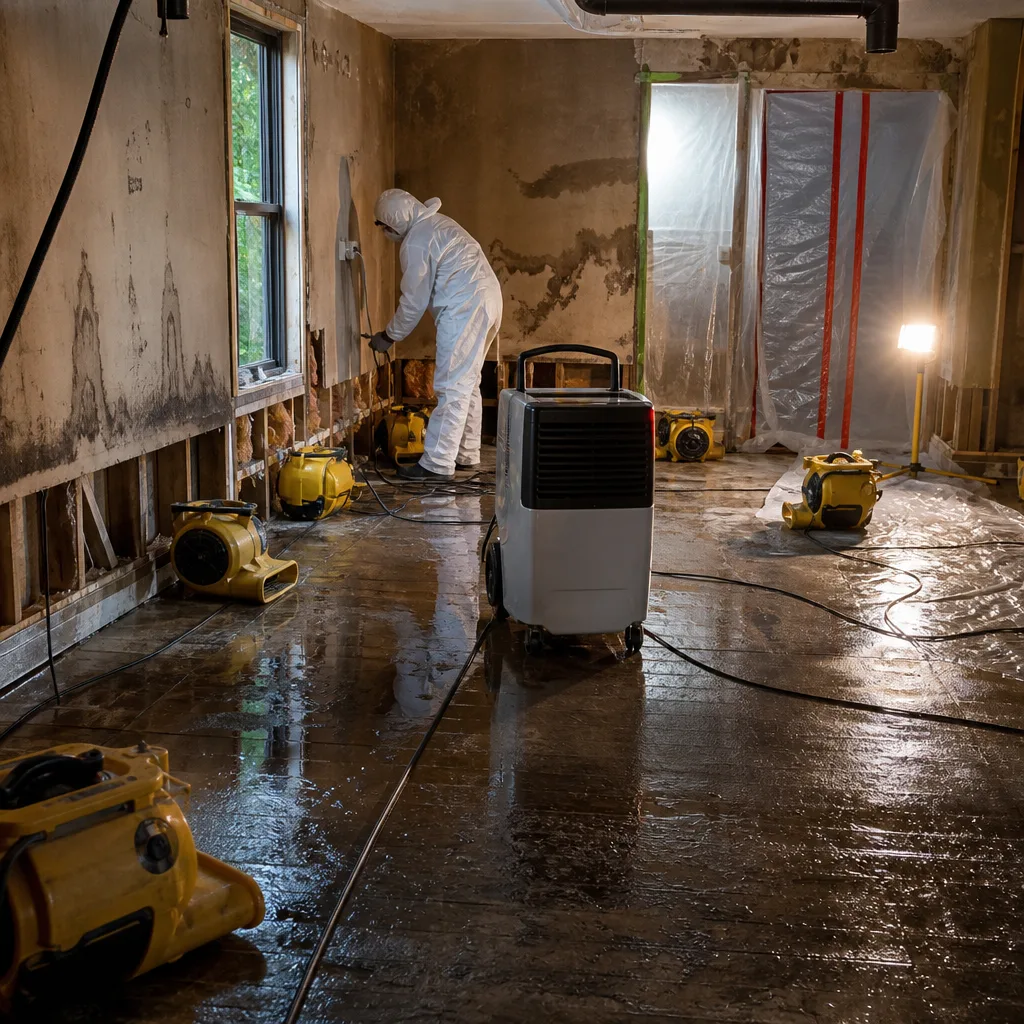
Our equipment inventory for Hackensack includes professional-grade drying systems from Dri-Eaz, Phoenix, and Injectidry - brands selected specifically for their performance in dense, older construction where cavity drying is the bottleneck. We stock antimicrobial treatments rated for Category 3 black-water contamination, corrosion inhibitors for salt-air exposure, and HEPA filtration systems that meet RIA documentation standards. Parts and consumables are carried on every response vehicle, so we’re not waiting for a supply run while your plaster-and-lath walls continue absorbing moisture.
Common Fire & Smoke Damage Restoration Problems We See in Hackensack Homes
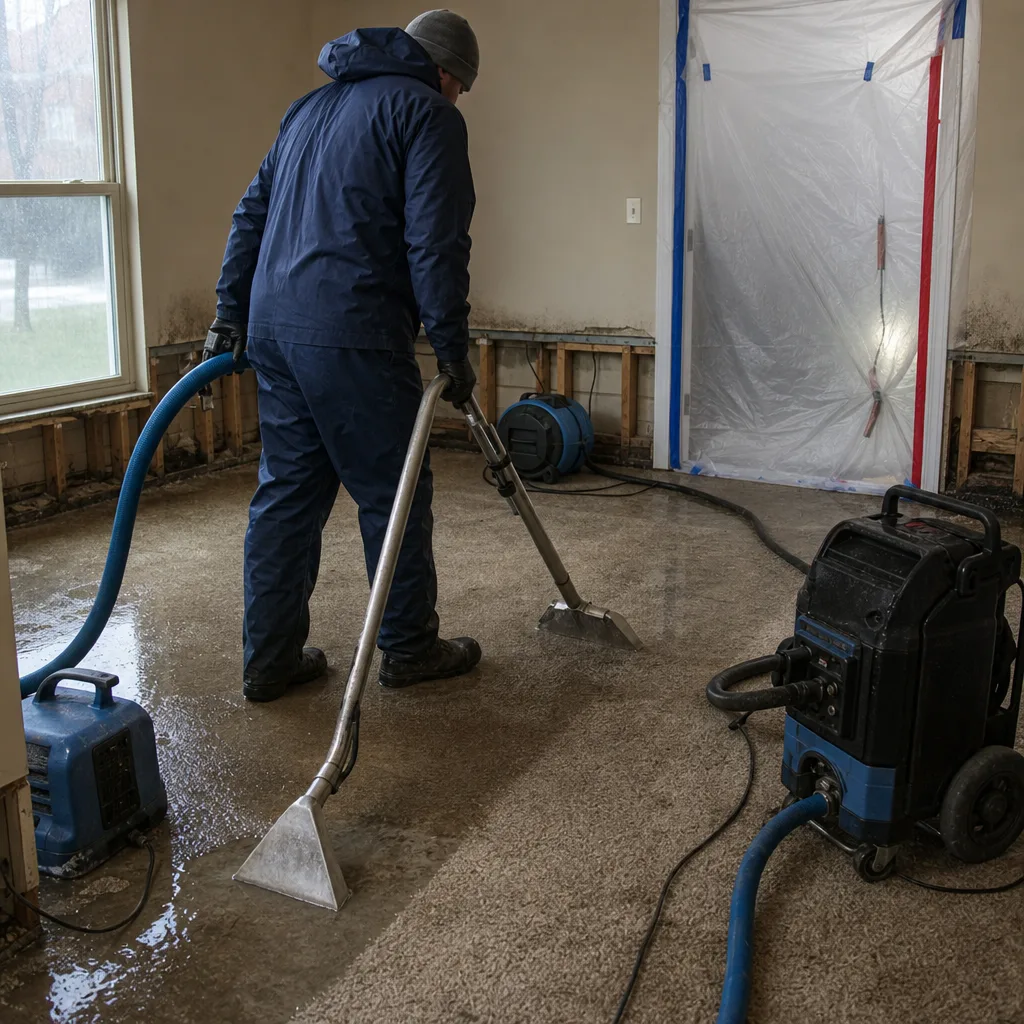
- Tidal black water fusing with fire residue. The Hackensack River’s tidal behavior pushes sewage-contaminated surge into low-lying basements during coastal storms, creating a Category 3 contamination that bonds with soot into a crust standard cleaning won’t remove. Demolition scopes on these jobs routinely go to the studs.
- Plaster-and-lath walls hiding smoke extension. Pre-WWII multifamily buildings throughout Hackensack’s urban core use plaster-and-lath construction that traps moisture and smoke odor behind apparently clean surfaces. Without thermal imaging and cavity moisture mapping, crews miss contamination that re-emerges weeks later.
- Corrosion of garage-door hardware from salt-laden storm air. Smoke-damaged springs, hinges, and opener chains in Hackensack’s river-adjacent properties corrode faster than inland equivalents because salt air accelerates oxidation before drying completes. We inspect and document this hardware as standard practice.
- Cross-contamination from unmapped air mover placement. Crews set air movers without moisture mapping the dense brick and knob-and-tube cavities common in Hackensack’s 1940s housing, forcing smoke residue into unaffected rooms through pressure differentials. Our drying logs track psychrometric data room by room to prevent this.
Pricing for Fire & Smoke Damage Restoration in Hackensack, NJ
Fire and smoke damage restoration pricing in Hackensack reflects the local building stock, contamination type, and documentation requirements that insurers in this market expect.
| Service | Typical Range in Hackensack |
|---|---|
| Emergency board-up & tarping | $850-$2,400 |
| Smoke & soot removal (per affected room) | $1,200-$3,800 |
| Odor removal & deodorization (whole house) | $2,100-$5,500 |
| Contents cleaning & pack-out | $1,800-$6,200 |
| Structural fire repair (per 100 sq ft) | $3,500-$9,000 |
Category 3 black-water contamination from tidal flooding adds 30-60% to base pricing due to antimicrobial treatment, controlled demolition, and enhanced documentation. Every job receives a written price before work begins - Haven Standard, Clause 1 - with no scope-creep additions once the crew is inside. Bring a competitor’s written estimate and we’ll review it at no charge. Call (551) 213-3409 for your exact scope.
We Also Serve Cities Near Hackensack
Our Fire & Smoke Damage Restoration in Hackensack crews also respond to Bogota, Lodi, Hasbrouck Heights, and Ridgefield Park. Dispatch and scheduling are coordinated from the New York City metro office, with local crews deployed throughout the lower Bergen County service area. The same documentation standards, written pricing, and 365-Day Done Right Promise apply in every municipality.
Serving Hackensack, NJ - Our Local Coverage Area
We’re based in the Hackensack area and know this community well. Use the map below to see our service coverage - if you’re nearby, we can almost certainly help.
FAQs - Fire & Smoke Damage Restoration in Hackensack
Tidal flooding from the Hackensack River introduces Category 3 black-water contamination that fuses with soot and requires antimicrobial treatment, controlled demolition, and extended drying before smoke remediation can even begin. Paramus sits at higher elevation with no tidal exposure, so fire restoration there follows standard protocols without the decontamination layer. Call (551) 213-3409 and we’ll scope your specific property.
Salt-laden storm air near the tidal river accelerates corrosion of heat-weakened metal hardware, causing failures months after the fire event when other contractors have already closed the job. We inspect, document, and treat or replace these components during the initial scope so they don’t become a secondary claim. Our written price includes this inspection - Haven Standard, Clause 1.
Yes. Sewage-contaminated tidal water bonds with soot into a crust that standard deodorization won’t neutralize; we apply antimicrobial treatment to studs and joists before any odor-removal protocol, and we extend drying timelines for plaster-and-lath walls that absorb both moisture and odor molecules. The documentation reflects this dual-contamination classification, which insurers require for full coverage. Call (551) 213-3409 for a written scope.
We produce a photo record on every visit, daily moisture logs with psychrometric data formatted to IICRC and RIA standards, and a written scope with line-item pricing delivered before work begins. For Hackensack’s pre-WWII brick buildings, we specifically document plaster-and-lath cavity conditions, knob-and-tube wiring presence, and any tidal contamination classification - the three factors that most commonly trigger adjuster questions in this market.
We clean on-site when the structure is stable, power is available, and contamination is limited to dry smoke; we pack out when Category 3 water, structural instability, or heavy soot load makes on-site cleaning impractical. You receive a written contents assessment with photo inventory before either decision is finalized, and storage is climate-controlled with full documentation. Call (551) 213-3409 to discuss your specific situation.
Ready for a written price before any work begins? Call (551) 213-3409 now. A live person will answer, 24 hours a day, 7 days a week. We’ll dispatch a crew to your Hackensack property, document what we find, and deliver a written scope with line-item pricing - no exceptions, no surprises. Every job is covered by our 365-Day Done Right Promise under The Haven Standard.
Written by Alicia Brennan, Owner at Back to Dry Restoration, serving Hackensack since 2011.