
Last updated September 23, 2026
Free visual inspection and a written scope of work before any mitigation begins - photos, moisture readings, and drying logs go in your claim file
The scope we write is the scope we bill. Anything new gets shown to you, in writing, before we touch it.
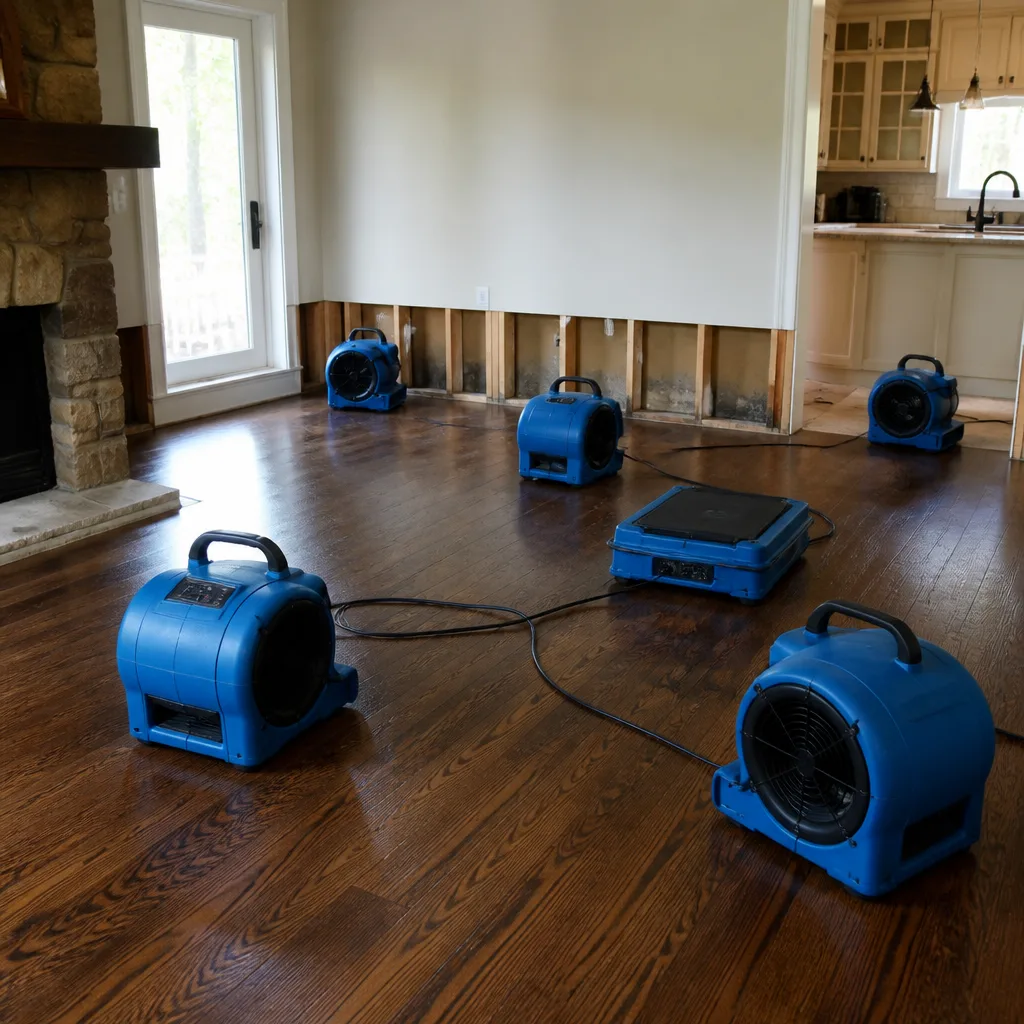
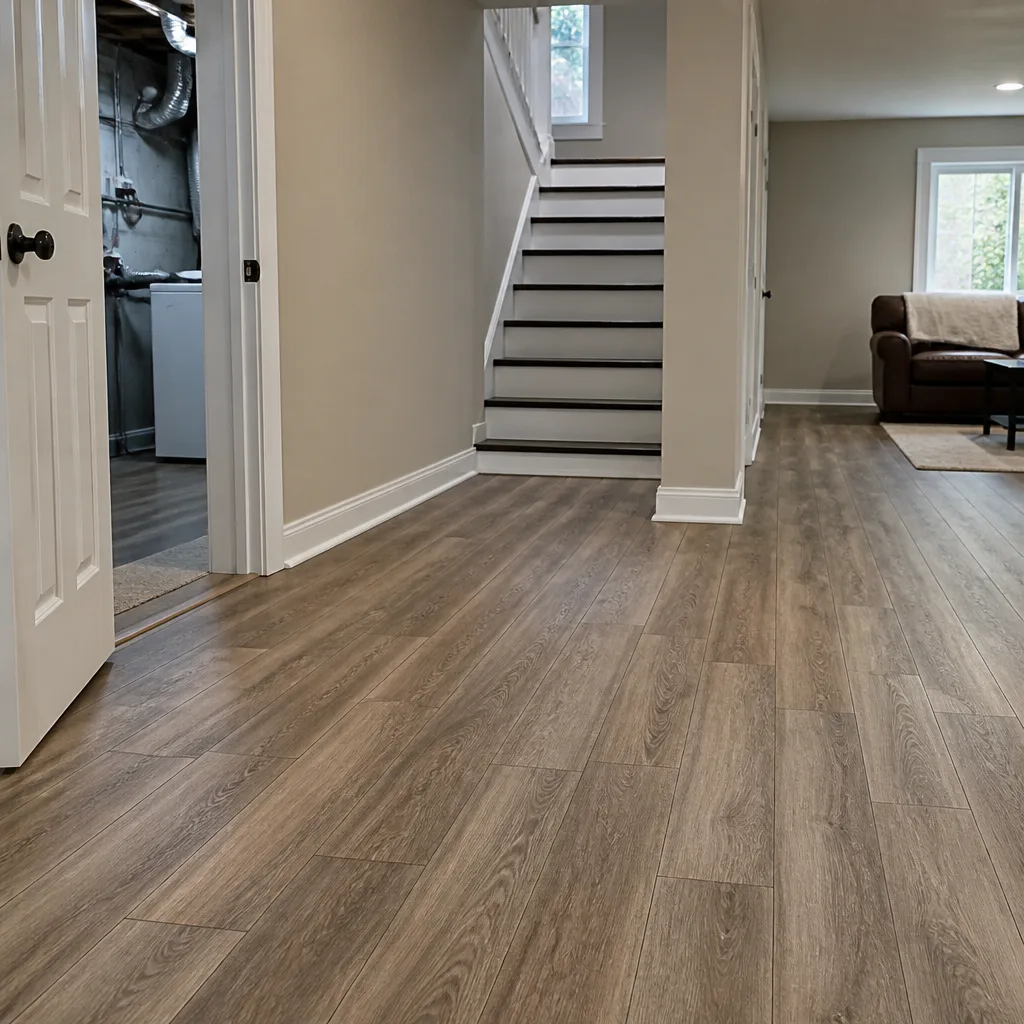
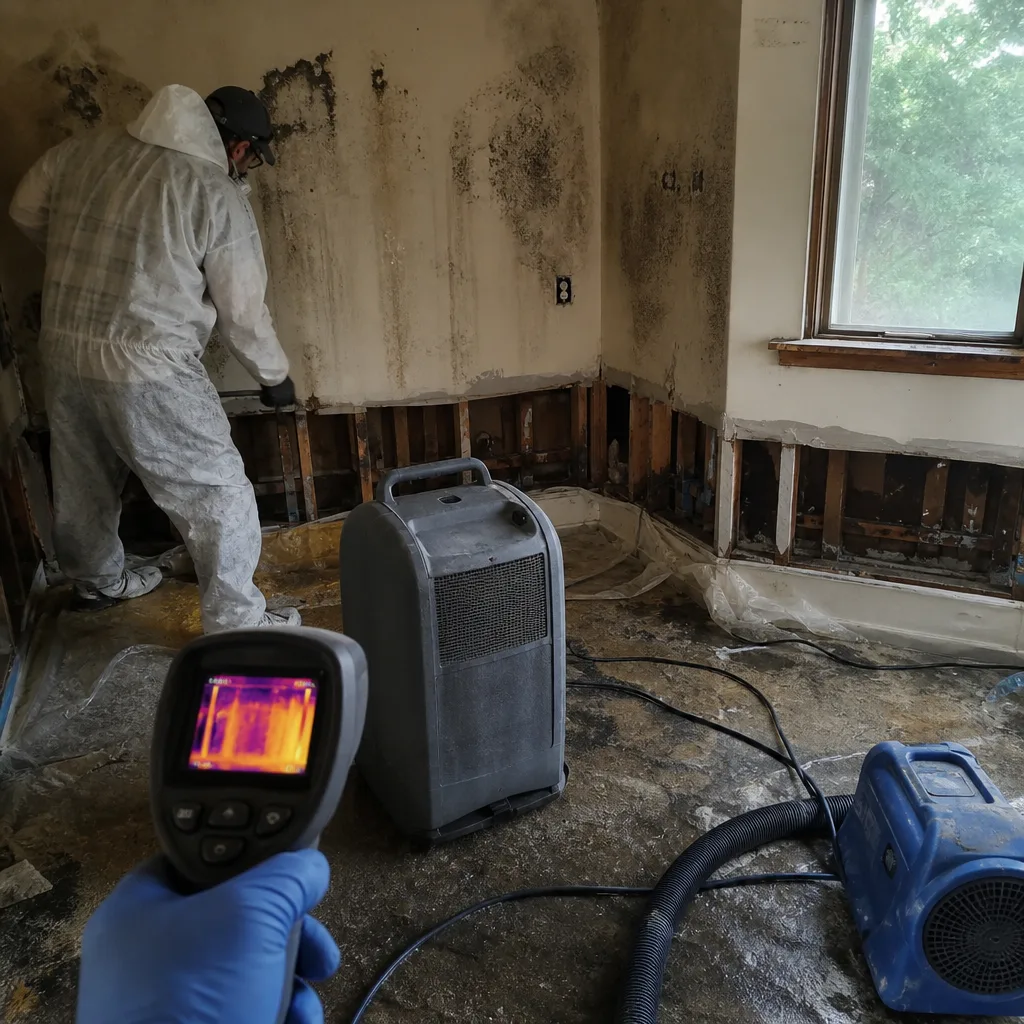 Before
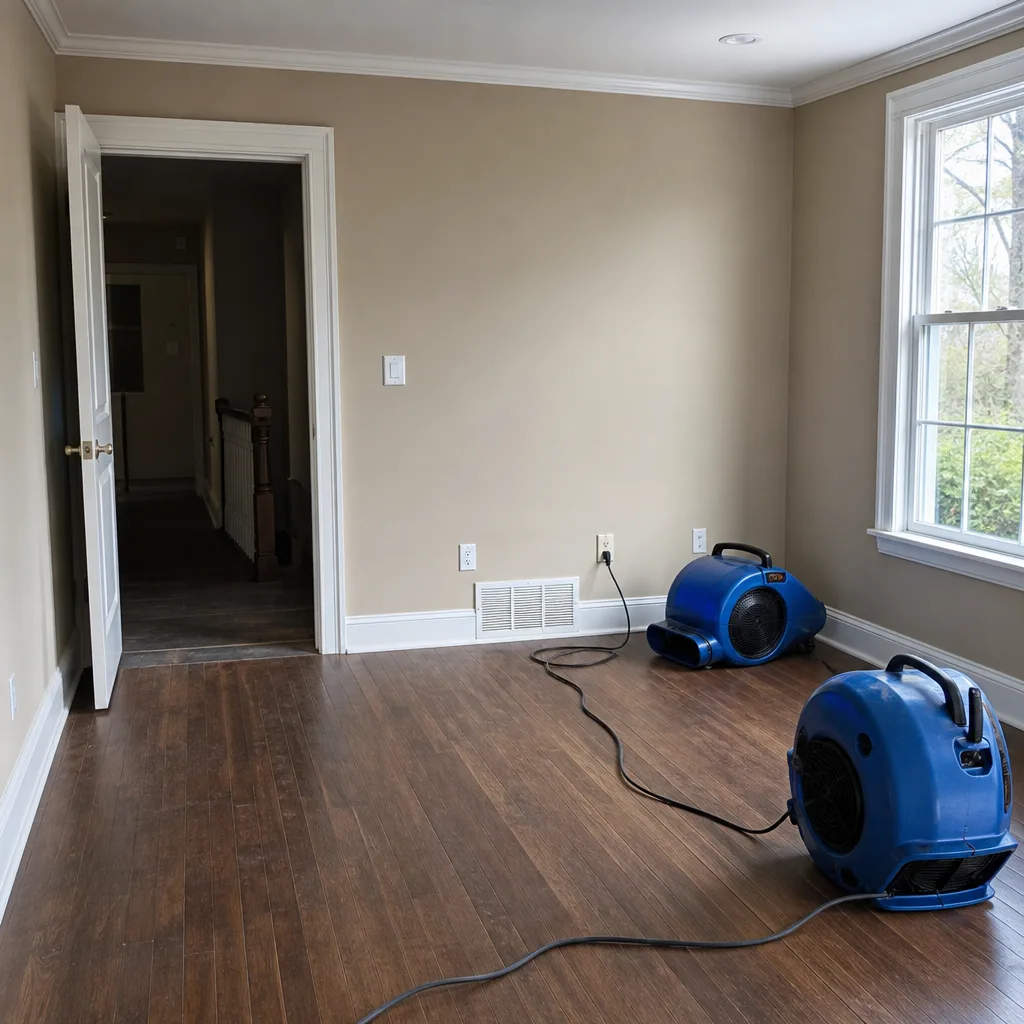 After
After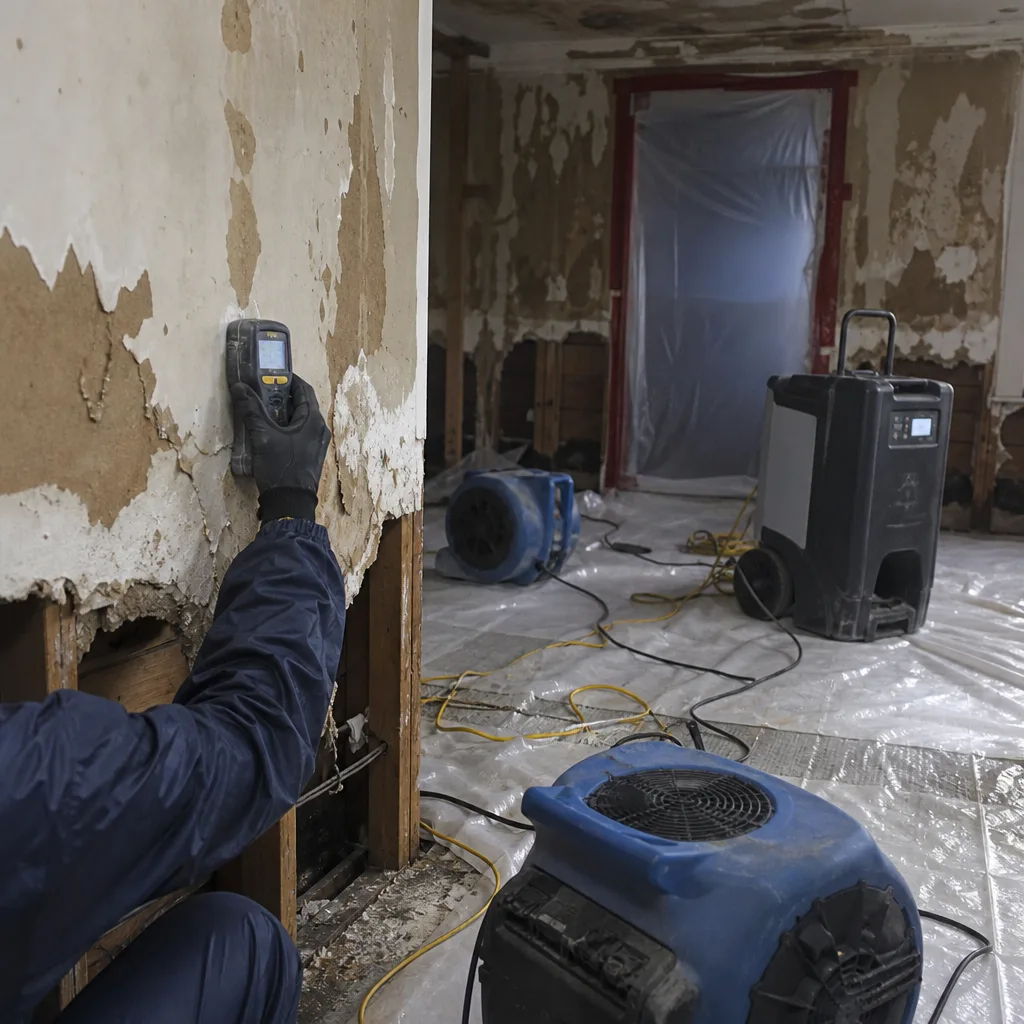 Before
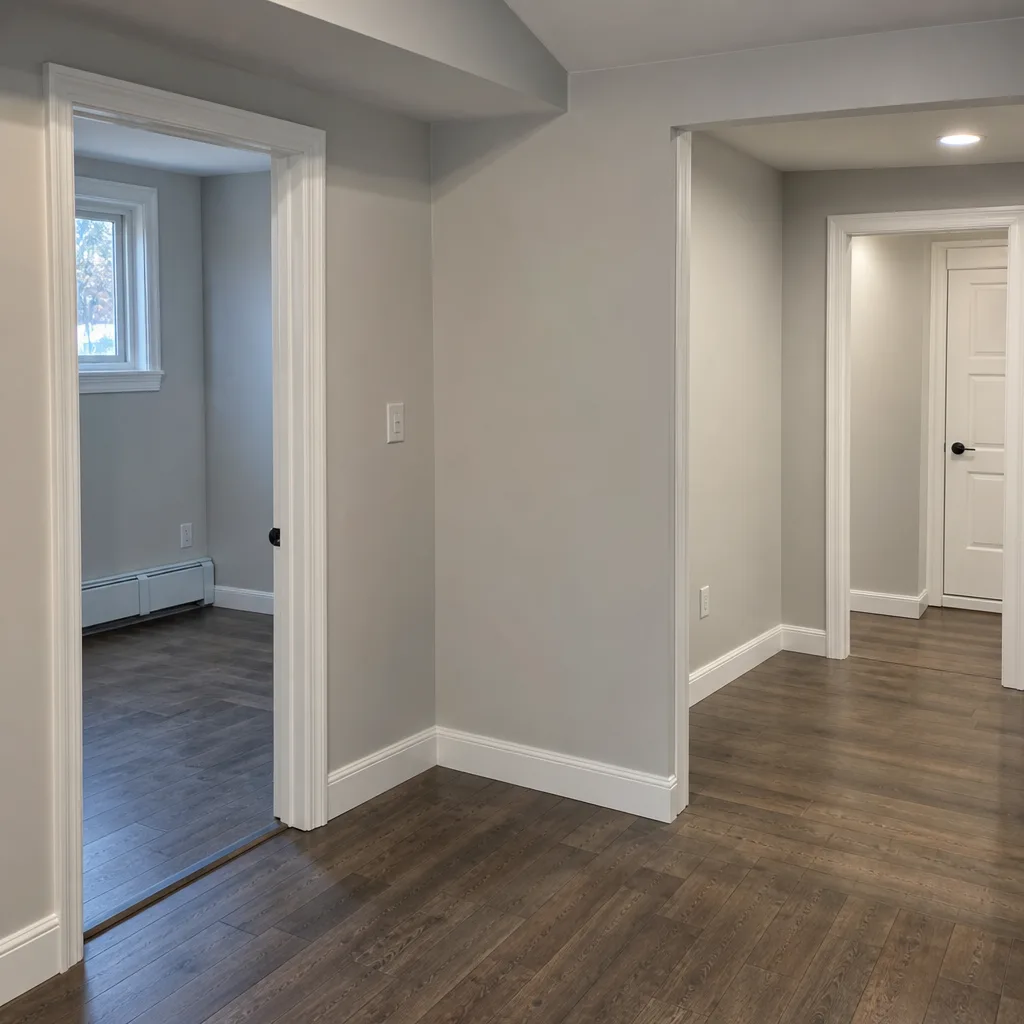 After
After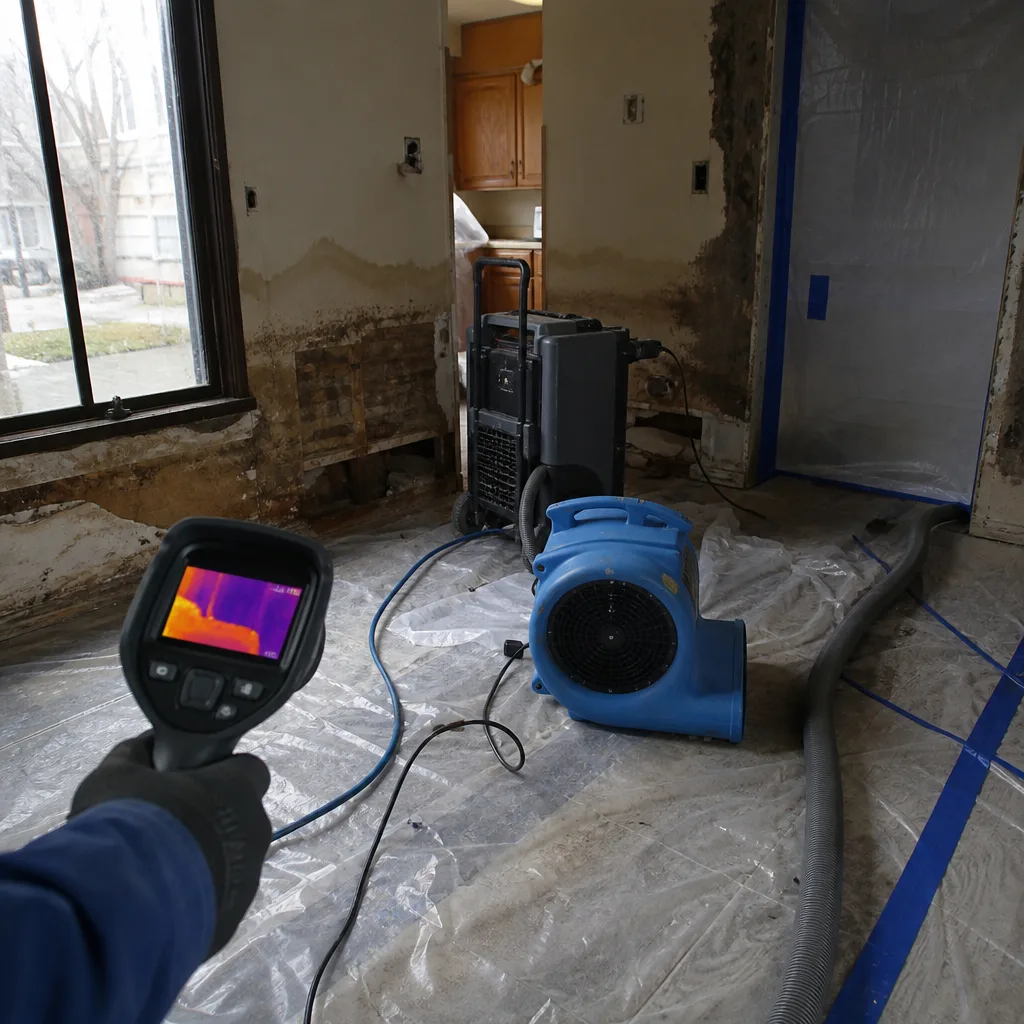 Before
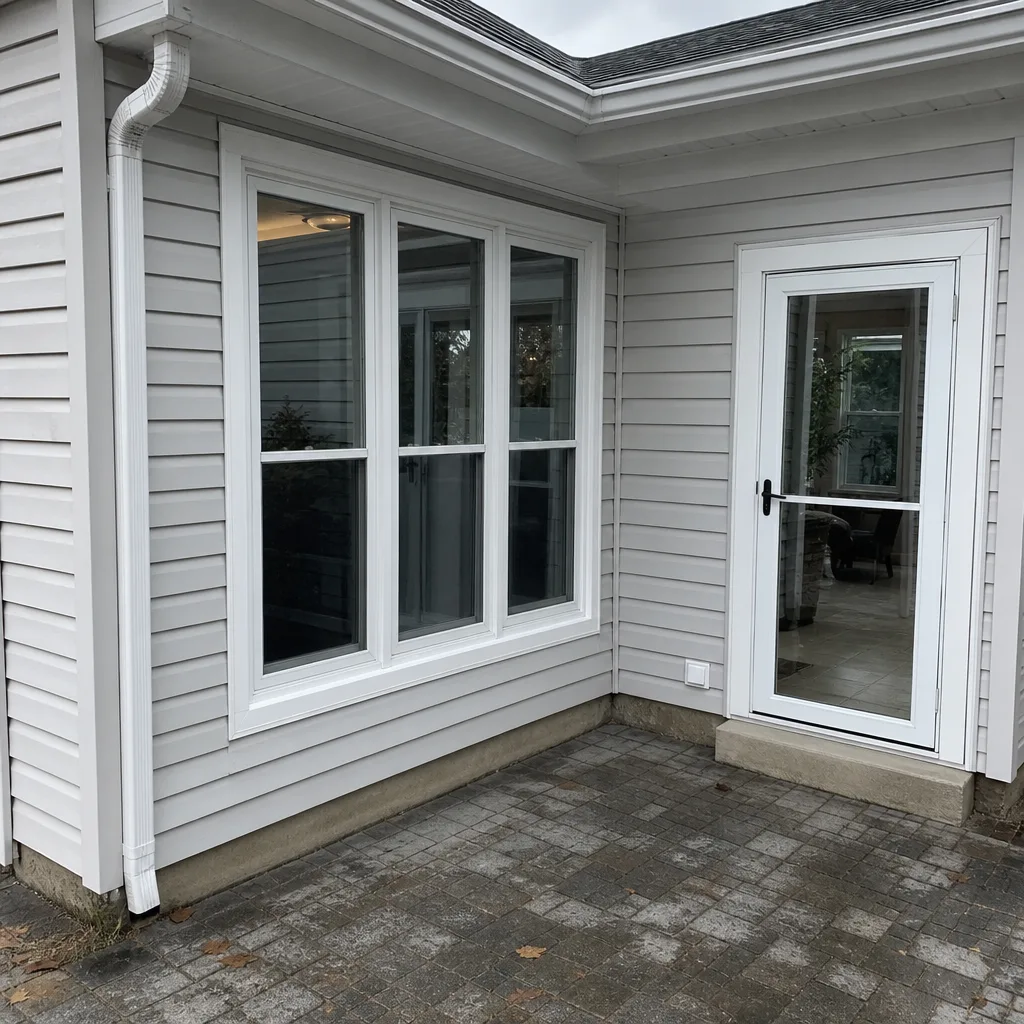 After
AfterDamage Restoration Cost Breakdown: The Hackensack Homeowner’s Reference for 2026
Xactimate, the pricing software most insurers and contractors use, publishes regional pricing databases updated quarterly for Bergen County. Yet most Hackensack homeowners have never seen one. This means they evaluate a $35,000 restoration estimate with exactly zero reference points. In this guide and our more guides & resources, we translate the actual cost components of restoration work into measurable units: equipment daily rates, technician hours by task, material costs per square foot, and the overhead margins typical for a licensed New Jersey contractor. You’ll learn to read any invoice and identify what is reasonable, what is inflated, and what documentation should justify each line.
Quick Answer
Water damage restoration in Hackensack typically ranges from $3,200 for a contained Class 1 kitchen leak to $28,000 or more for a Class 3 finished basement with category 2 or 3 water. Most residential drying projects in Bergen County fall between $4,800 and $12,500, with equipment rental comprising 35-45% of the total, labor 30-40%, materials 15-25%, and contractor overhead/profit 10-20%. The exact figure depends on water category, damage class, affected square footage, and whether structural materials require removal.
Table of Contents
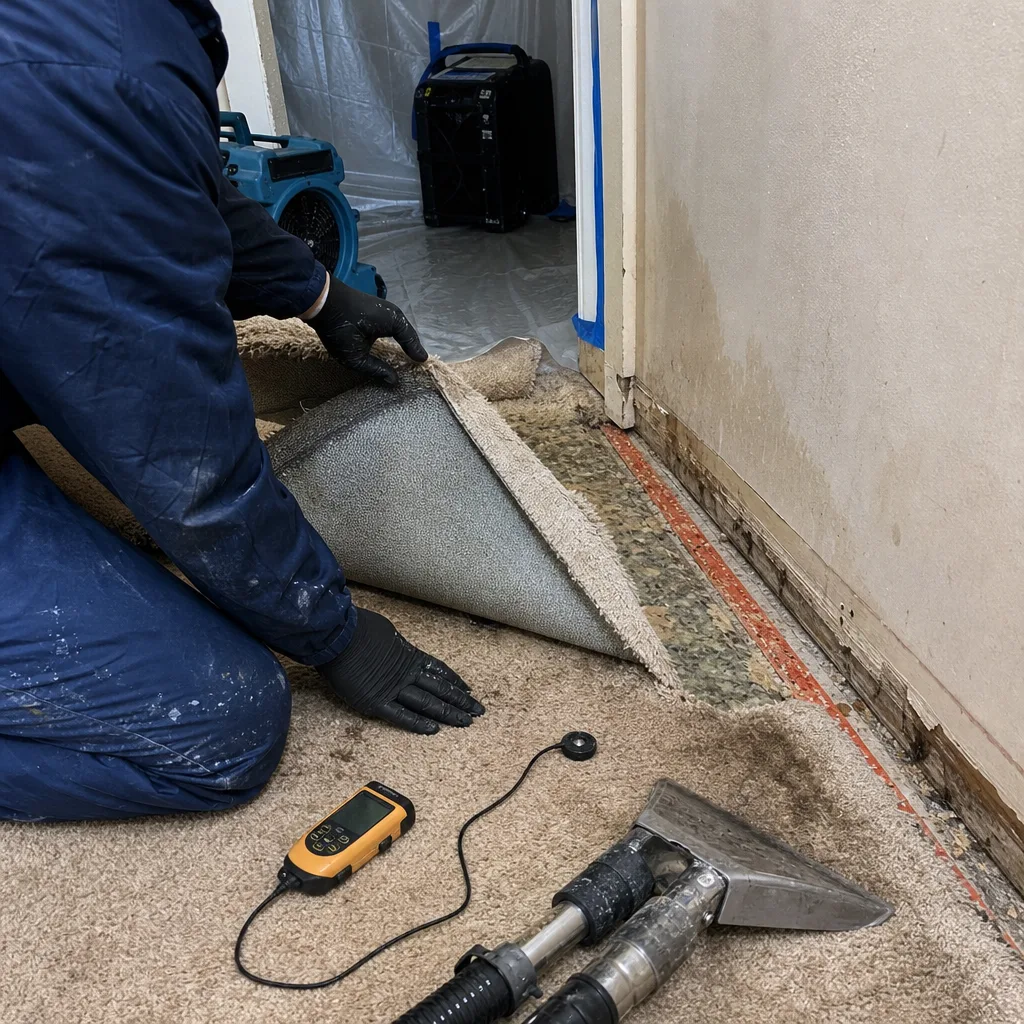
- How Xactimate Pricing Works in Bergen County
- Equipment Costs: Dehumidifiers, Air Movers, and Specialty Gear
- Labor Costs: Technician Hours by Task Type
- Material Costs Per Square Foot for Common Assemblies
- How Project Size and Access Affect Unit Costs in Hackensack
- Water Category and Class: Why They Change Everything
- Red-Flag Cost Checklist: Spotting Inflated Invoices
- The Haven Standard: How Documentation Protects Your Claim
BeforeAfterHow Xactimate Pricing Works in Bergen County
Xactimate is not a suggestion. It is the pricing engine that drives most insurance claims in New Jersey, and Hackensack contractors who work with adjusters use it daily. The software pulls from a regional database that reflects actual contractor charges submitted and paid in Bergen County over the preceding quarters. When a contractor enters “dehumidifier, large, commercial” and a Hackensack ZIP code, Xactimate returns a daily rate derived from what licensed, insured contractors in this market actually bill and collect.
This matters because the database is public enough that homeowners can access it, yet opaque enough that most never do. A 2024 Verisk report showed Bergen County water mitigation rates running 12-18% above the New Jersey state average, driven by higher labor costs, tighter access in older housing stock, and the density premium of working in built-up areas like Hackensack where parking, material staging, and equipment haul time all add cost.
The key line items that generate disputes on Hackensack claims are not exotic. They are:
- Contents manipulation - moving furniture and belongings to access wet areas. Xactimate prices this per item or per hour, but documentation of what was moved, when, and why is often absent.
- Antimicrobial application - billed per square foot, but justified only when applied to porous materials affected by category 2 or 3 water, or when mold is documented. Spraying non-porous tile and billing for it is a common inflation tactic.
- Equipment monitoring - daily visits to check psychrometric readings and adjust equipment. Legitimate when a signed log with moisture readings, relative humidity, and vapor pressure differential accompanies each visit. Illegitimate when “monitoring” appears as a line item with no data.
At DryMark Restoration Hackensack home, we provide the Xactimate line-item breakdown with every written estimate. Haven Standard, Clause 1 requires it. The price you see before work starts uses the same unit costs your adjuster will recognize, which is why our invoices rarely generate disputes.
Equipment Costs: Dehumidifiers, Air Movers, and Specialty Gear
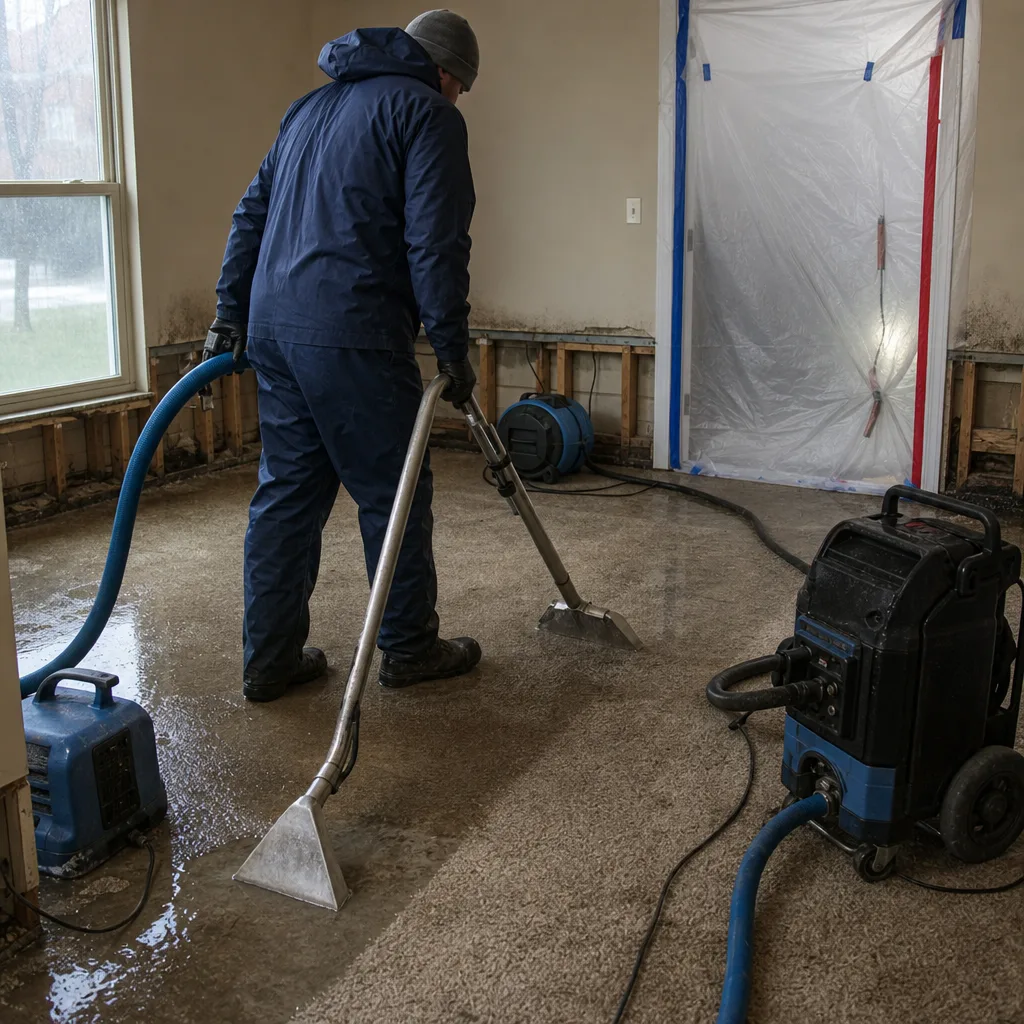
Equipment rental is the largest single cost category in most water damage projects, typically 35-45% of the total invoice. Understanding the daily rates and how long equipment should reasonably stay in place lets you verify any estimate.
Current Bergen County market ranges, derived from Xactimate Q4 2025 data and our own billing:
| Equipment Type | Daily Rate Range | Typical Deployment |
|---|---|---|
| Large commercial dehumidifier (Dri-Eaz LGR 7000XLi or Phoenix 200 HT) | $145-$195/day | 1 per 400-600 sq ft of affected space |
| Air mover (centrifugal, B-Air Grizzly or XPOWER X-430) | $28-$42/day | 1 per 50-70 linear feet of wall |
| Air scrubber (HEPA, Phoenix Guardian or Dri-Eaz HEPA 500) | $55-$85/day | 1 per contained work area; required for mold or category 3 water |
| Injectidry hardwood floor drying system | $185-$265/day | Per affected floor area; specialty attachment for hardwood and subfloor |
| Negative air machine | $75-$110/day | Mold remediation containment; 1 per 300 sq ft of containment |
| Thermal imaging camera (FLIR) | $45-$65/day | Initial assessment and monitoring; often a one-time charge |
The critical variable is duration. A Class 1 water loss in a Hackensack condo with vinyl plank flooring might dry in 2-3 days. A Class 3 loss with wet plaster walls in a Fairmount Avenue Victorian can run 7-10 days, with equipment adjusted as psychrometric data dictates. Psychrometric data, for homeowners unfamiliar with the term, is simply the measurement of air temperature, relative humidity, and vapor pressure that tells a technician whether the drying environment is improving, stable, or failing.
We document this data on every visit. Our daily drying logs, produced with equipment from Dri-Eaz, Phoenix, XPOWER, B-Air, and Injectidry, record the readings that justify continued equipment rental. Without this documentation, equipment charges are unsupported. With it, they pass adjuster review without challenge. All work is documented to IICRC, RIA, and IFA standards.
One Hackensack-specific factor: parking and building access. Garden-level units in buildings along Prospect Avenue or State Street often require equipment haul through common hallways or service entrances. This does not change the daily equipment rate, but it can add labor hours for setup and breakdown, and it may justify additional air scrubbers if the path crosses finished common areas.
Labor Costs: Technician Hours by Task Type
Labor runs 30-40% of a typical restoration invoice in Hackensack. The unit cost is straightforward: technician time billed at hourly rates that reflect skill level, certification, and the complexity of the work environment. What varies is the task mix and the documentation that proves it happened.
Current Bergen County labor rate ranges for licensed, insured restoration work:
- Water mitigation technician (IICRC WRT certified): $85-$125/hour
- Applied structural drying technician (IICRC ASD): $110-$155/hour
- Mold remediation specialist (IICRC AMRT): $125-$175/hour
- Fire and smoke restoration technician: $115-$165/hour
- Contents cleaning and pack-out specialist: $75-$110/hour
- Reconstruction carpenter (post-mitigation repair): $95-$140/hour
Task types break down differently on every job. A standard water loss in Hackensack typically requires:
- Initial assessment and moisture mapping: 2-4 hours. Includes thermal imaging, moisture meter readings at multiple depths, and documentation of affected materials. This produces the written scope.
- Water extraction: 1-3 hours for portable extraction; 4-8 hours for truck-mounted systems on larger losses. Extraction is the most efficient dollar spent in mitigation - every gallon removed by machine is a gallon not evaporated, which reduces drying time and equipment days.
- Content manipulation and protection: 1-4 hours depending on furnishings density. In Hackensack’s smaller pre-war units, this can be more time-intensive per square foot than in suburban homes with open plans.
- Equipment setup and containment: 1-2 hours. Includes positioning, power distribution, and establishing drying zones.
- Daily monitoring and adjustment: 0.75-1.5 hours per visit. The IICRC S500 standard calls for daily monitoring on active drying jobs; this is not optional, and the time should appear on the invoice with corresponding log entries.
- Equipment removal and final cleaning: 1-2 hours.
A 1,200-square-foot Class 2 water loss in a Hackensack ranch typically runs 18-28 technician hours total. A Class 3 loss in a finished basement of the same footprint can run 35-50 hours due to demolition, extended drying, and more complex monitoring.
The red flag to watch: labor hours with no task breakdown. “Mitigation labor: 32 hours @ $125” tells you nothing. A proper invoice lists hours by task, with dates, so you can cross-reference against the drying log and photo record.
Material Costs Per Square Foot for Common Assemblies
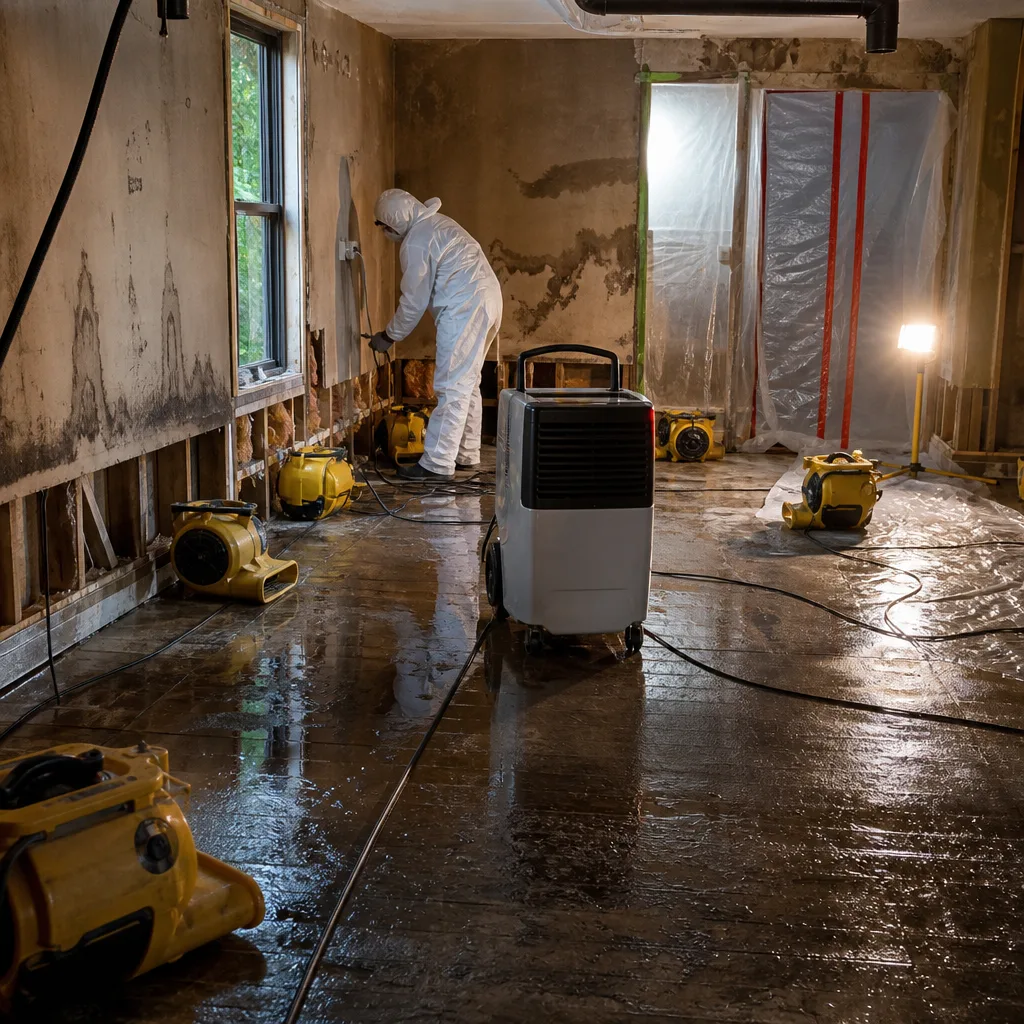
Materials comprise 15-25% of most restoration invoices, but this share rises sharply when demolition and reconstruction are required. The per-square-foot costs below reflect Bergen County supplier pricing and typical waste factors for residential work in Hackensack’s housing stock.
| Material Assembly | Cost Per Square Foot | Notes |
|---|---|---|
| Drywall removal and replacement (1/2″, painted) | $3.50-$5.25 | Higher for plaster or multiple paint layers common in pre-1960 Hackensack homes |
| Insulation removal and replacement (fiberglass batt, R-13) | $2.25-$3.75 | Closed-cell spray foam remediation: $6.50-$9.50/sq ft |
| Hardwood floor removal and replacement (red oak, unfinished) | $8.50-$14.00 | Refinishing additional; engineered wood 20-30% less |
| Subfloor removal and replacement (3/4″ plywood) | $4.50-$7.00 | Includes joist inspection; OSB slightly less, but not recommended for wet applications |
| Vinyl plank flooring (LVP, floating installation) | $5.50-$9.50 | Material only; installation $3.50-$5.50/sq ft additional |
| Ceramic tile removal and replacement | $12.00-$19.00 | Includes backer board; natural stone 40-60% premium |
| Baseboard removal and replacement (MDF, primed) | $2.75-$4.50/linear ft | Solid wood or custom profiles higher |
| Antimicrobial application (porous materials, documented need) | $0.85-$1.50/sq ft | Justified only with category 2/3 water or visible mold; non-porous application is not standard |
| HEPA vacuuming and surface cleaning (mold remediation) | $1.25-$2.25/sq ft | Within containment; includes disposal PPE and waste |
One Hackensack-specific consideration: many homes in neighborhoods like Fairmount and Hackensack Heights were built with plaster and lath rather than drywall. Plaster removal runs 40-60% more per square foot due to weight, disposal cost, and the skilled labor required for replacement. A contractor who prices plaster removal at drywall rates is either underbidding and will change-order later, or planning to substitute inferior materials without disclosure. See our Damage Restoration Warning Signs: A Hackensack Homeowner’s Reference Guide for additional red flags.
At DryMark Restoration Hackensack, our written scope specifies material type and grade before work begins. Haven Standard, Clause 1 requires this. If we encounter plaster where drywall was expected, we document the finding with photos, explain the cost adjustment, and obtain written approval before proceeding. No scope-creep additions once the crew is inside.
How Project Size and Access Affect Unit Costs in Hackensack
Restoration has diseconomies of scale at the small end. A 900-square-foot garden-level unit in a Hackensack mid-rise costs more per square foot to dry than a 2,000-square-foot colonial in Teaneck or Paramus. Understanding why helps you evaluate whether a per-square-foot premium is legitimate.
The factors are specific and measurable:
- Minimum equipment deployment: Even a small water loss requires at least one dehumidifier and multiple air movers. A 400-square-foot studio basement needs nearly the same equipment count as an 800-square-foot partial basement, but the cost is spread over half the area.
- Access time: Hackensack’s denser housing means parking restrictions, elevator reservations, and longer equipment haul distances. A crew might spend 45 minutes loading in at a Prospect Avenue walk-up versus 15 minutes at a suburban home with driveway access. This labor is real and billable, but it should appear as a distinct line item or be embedded in a documented minimum charge.
- Containment complexity: Small units with open floor plans may require more extensive containment to isolate the drying zone from living space. Negative air and air scrubber counts can exceed what square footage alone would predict.
- Material density: Older Hackensack housing stock tends toward smaller rooms, more interior walls, and plaster construction. More wall surface per square foot of floor area means more wet material and longer drying curves.
The inverse is also true. Very large losses - a 4,000-square-foot home with whole-house flooding - can achieve lower per-square-foot equipment rates through zone drying and more efficient labor deployment. The key is whether the contractor documents the zoning plan and justifies equipment placement with moisture readings, not assumptions.
We see this regularly in Hackensack’s multi-family housing. A garden-level unit on Essex Street with a failed sump pump might present 600 square feet of affected space but require the same technician hours and equipment days as a 1,200-square-foot single-family partial basement. Our written scope explains the access and containment factors that drive the unit cost. The documentation is what makes the invoice defensible to your adjuster.
Water Category and Class: Why They Change Everything
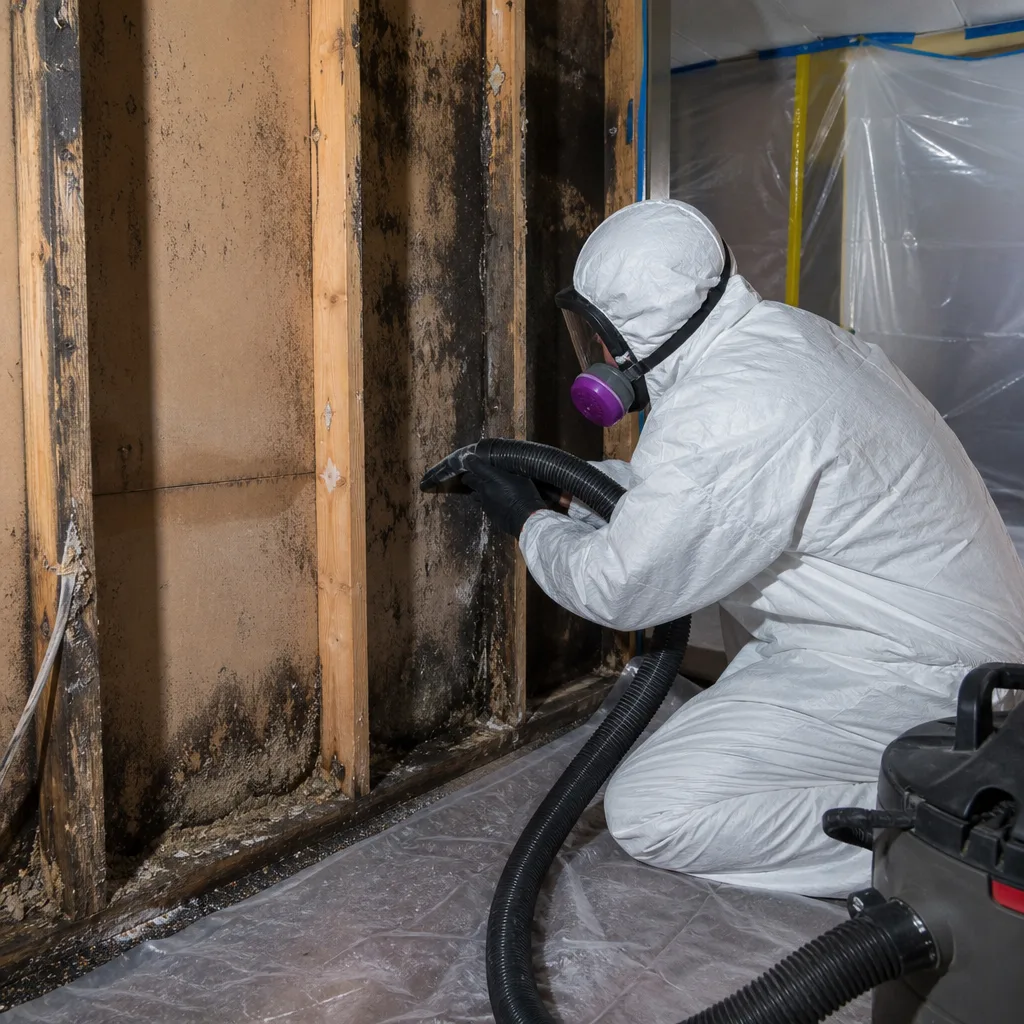
Two classification systems govern every restoration estimate, and most homeowners never hear them explained. Water category describes contamination level. Water class describes the extent of wetting and the evaporation load. Together they determine labor hours, equipment type and duration, material removal scope, and whether antimicrobial application is justified.
Water Categories:
- Category 1: Clean water from a broken supply line, faucet, or rainwater intrusion. No significant health risk if addressed promptly. Mitigation focuses on extraction and drying; antimicrobial application is not standard unless drying is delayed beyond 24-48 hours.
- Category 2: Gray water with significant contamination - dishwasher discharge, washing machine overflow, sump pump failures. Antimicrobial application to affected porous materials is standard. Technicians require enhanced PPE. Disposal of saturated porous materials (carpet pad, section of drywall) is often required.
- Category 3: Black water - sewage, seawater, rising ground water, or water that has traversed the ground or building envelope. Porous materials in the water line are removed, not dried. HEPA air filtration, negative air, and full PPE are required. Disposal costs rise sharply. Water Damage Restoration in Hackensack addresses category 3 protocols specifically.
Water Classes:
- Class 1: Minimum moisture, slow evaporation. Affects less than 5% of combined floor, wall, and ceiling surface area. Minimal wet porous materials. Equipment: 2-3 days, light deployment.
- Class 2: Significant wetting, fast evaporation. 5-40% of surface area affected. Wet carpet and cushion, moisture wicking up walls 12-24 inches. Equipment: 3-5 days, standard deployment.
- Class 3: Greatest wetting, fastest evaporation. Over 40% of area affected, or water from above (ceiling, upper floor) affecting walls, insulation, and subfloor. Equipment: 5-10 days, heavy deployment with possible injection drying for hardwood.
- Class 4: Specialty drying situations - low-permeance materials like hardwood, plaster, concrete, or deep water pockets in subfloor assemblies. Requires extended drying, specialty equipment like Injectidry systems, and advanced psychrometric monitoring.
The cost impact is dramatic. A Class 1, Category 1 kitchen leak in Hackensack might run $3,200-$5,500. The same kitchen with a Class 3, Category 2 dishwasher discharge - water from above, gray water contamination - could run $12,000-$18,000 due to cabinet removal, extended drying, antimicrobial application, and possible subfloor access.
Your invoice should state the category and class determination, with the technician’s rationale. Without this, equipment and material charges lack foundation. With it, you can verify whether the scope matches the loss.
Red-Flag Cost Checklist: Spotting Inflated Invoices
After reviewing thousands of estimates and invoices in Bergen County, we’ve identified the charges that most often signal inflation, poor documentation, or both. This checklist is not about distrusting contractors. It is about requiring the documentation that distinguishes professional work from billing artistry. For related guidance, see Damage Restoration Permits, Codes & Inspections in NJ: What You Need to Know.
- Equipment counts unsupported by psychrometric data. A dehumidifier and six air movers in a 200-square-foot bathroom with no moisture readings to justify the airflow density. Ask for the daily drying log; if it doesn’t exist, the equipment is unsupported.
- Antimicrobial applied to non-porous surfaces. Spraying ceramic tile, sealed granite, or metal fixtures and billing per square foot. Antimicrobials are justified on porous materials affected by category 2/3 water, or where mold is documented. On non-porous surfaces, detergent cleaning suffices.
- Daily monitoring billed without signed logs. “Equipment monitoring” at $125/day for five days, with no corresponding drying log entries, no technician initials, no moisture readings. Monitoring is legitimate work; it produces legitimate documentation. Absent that documentation, it is a line item in search of a task.
- Contents manipulation without itemization. “Move contents, living room: $485.” What contents? How many pieces? Where were they moved? Photos should show furniture repositioned or stored, with dates.
- Dehumidifier days exceeding drying curve. Equipment left in place for 10 days when moisture readings reached dry standard on day 6. The final four days are pure profit, unsupported by data. Daily logs with target moisture content (typically 12-16% for wood, <4% for drywall) prevent this.
- Category 3 classification without visible contamination. A clean water supply line break classified as Category 3 “because it sat for 24 hours.” Category degradation requires documented evidence - visible contamination, confirmed sewage intrusion, or professional testing. Assumed degradation is assumed revenue.
- Reconstruction bundled without line-item detail. “Rebuild bathroom: $14,500” with no breakdown of drywall, tile, plumbing, fixtures, or labor hours. This prevents comparison and conceals markup. Haven Standard, Clause 1 requires line-item written pricing before any work begins.
If you encounter these charges, request the supporting documentation. A legitimate contractor provides it promptly. A contractor who resists or deflects is telling you something about their business model.
We offer a Free Second Opinion on Any Written Estimate. Bring a competitor’s quote and we will review it at no charge, flagging unsupported charges and missing documentation. It is a service we have provided since 2011, and it has saved Hackensack homeowners thousands in inflated or incomplete scopes.
The Haven Standard: How Documentation Protects Your Claim
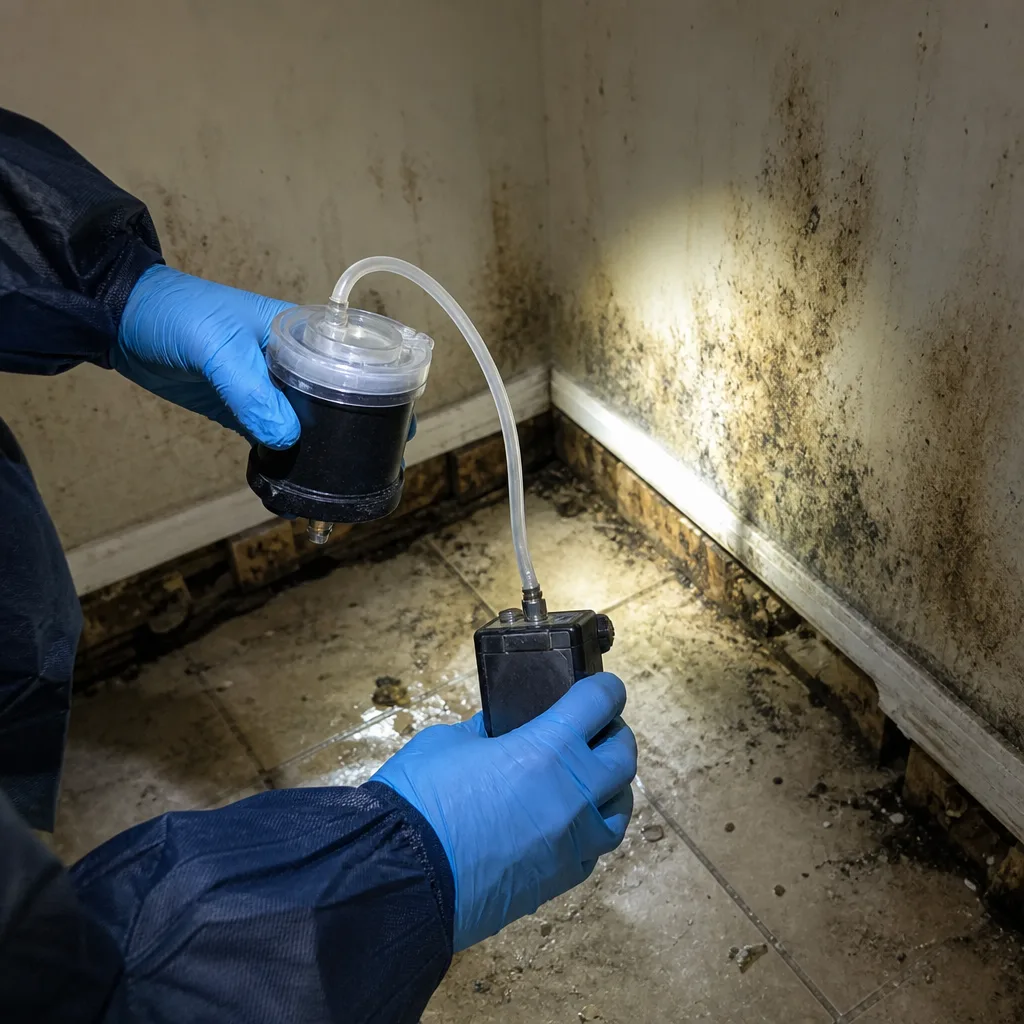
The Haven Standard is not a marketing concept. It is a documented operating protocol with numbered clauses, and it exists because our founder, Alicia Brennan, spent years as a claims adjuster watching homeowners lose legitimate coverage over documentation gaps. The standard clauses most relevant to cost verification are:
- Haven Standard, Clause 1: Written price before work begins, every time, with no exceptions. No verbal estimates. No “we’ll figure it out as we go.” A signed scope with line-item pricing, provided before equipment is unloaded.
- Haven Standard, Documentation Protocol: Photo record on every visit, included as standard. Every moisture reading, every equipment adjustment, every material removal - dated, geotagged, and stored with the job file.
- Haven Standard, Drying Log Standard: Daily psychrometric data recorded to IICRC S500 requirements. Temperature, relative humidity, specific humidity, and vapor pressure differential at multiple points in the drying environment, with technician signature and time stamp.
- 365-Day Done Right Promise: If it’s not done right, we make it right. A written warranty, not a verbal assurance, stamped on every job file. Backed by The Haven Standard, not a marketing department.
This documentation serves two masters. It ensures quality work - you cannot fake dry readings, and technicians know their data is reviewed. And it ensures claim payment - adjusters recognize IICRC-compliant documentation, and invoices with photo-verified scopes pass review without the back-and-forth that delays checks by weeks.
We have restored over 12,000 homes since 2011, every one with a written price before work started and a documented record when the crew left. The documentation gap that costs homeowners their claims is the problem we were built to solve.
Common Mistakes to Avoid
- Accepting a single total without line-item detail. A $15,000 invoice with three line items is not a price; it is a number. Request the Xactimate-style breakdown that shows equipment, labor, materials, and overhead as separate, verifiable components.
- Confusing mitigation with reconstruction when comparing bids. One contractor bids $8,000 for drying only; another bids $22,000 for drying plus rebuild. The second is not necessarily more expensive - it may simply include more scope. Compare like phases, or demand separate pricing for each.
- Ignoring access factors in Hackensack’s dense housing. A contractor who prices a State Street walk-up the same as a suburban ranch with driveway access has either underpriced the labor or plans to add change orders. Legitimate access costs appear in the initial scope.
- Assuming insurance covers everything without verifying scope alignment. Adjusters pay for documented, necessary work. If your contractor’s invoice lacks the documentation to prove necessity, you may absorb the difference. Photo records and drying logs prevent this.
- Delaying the call to minimize cost. Water damage compounds. A Class 1 loss becomes Class 3 as water migrates. Category 1 degrades to Category 2 or 3 with time. The cheapest mitigation is fast mitigation, documented and started within hours, not days.
- Failing to verify contractor credentials. New Jersey requires home improvement contractor registration. Ask for the HIC license number and verify it through the NJ Division of Consumer Affairs. Background-checked, uniformed technicians with named, verifiable credentials are the standard, not a premium service.
- Overlooking the reconstruction phase in initial planning. Mitigation dries the structure; reconstruction returns it to pre-loss condition. Some contractors do both; some subcontract or exit after drying. Clarify who handles reconstruction, whether their pricing is included, and whether the same warranty covers both phases.
When to Call a Professional
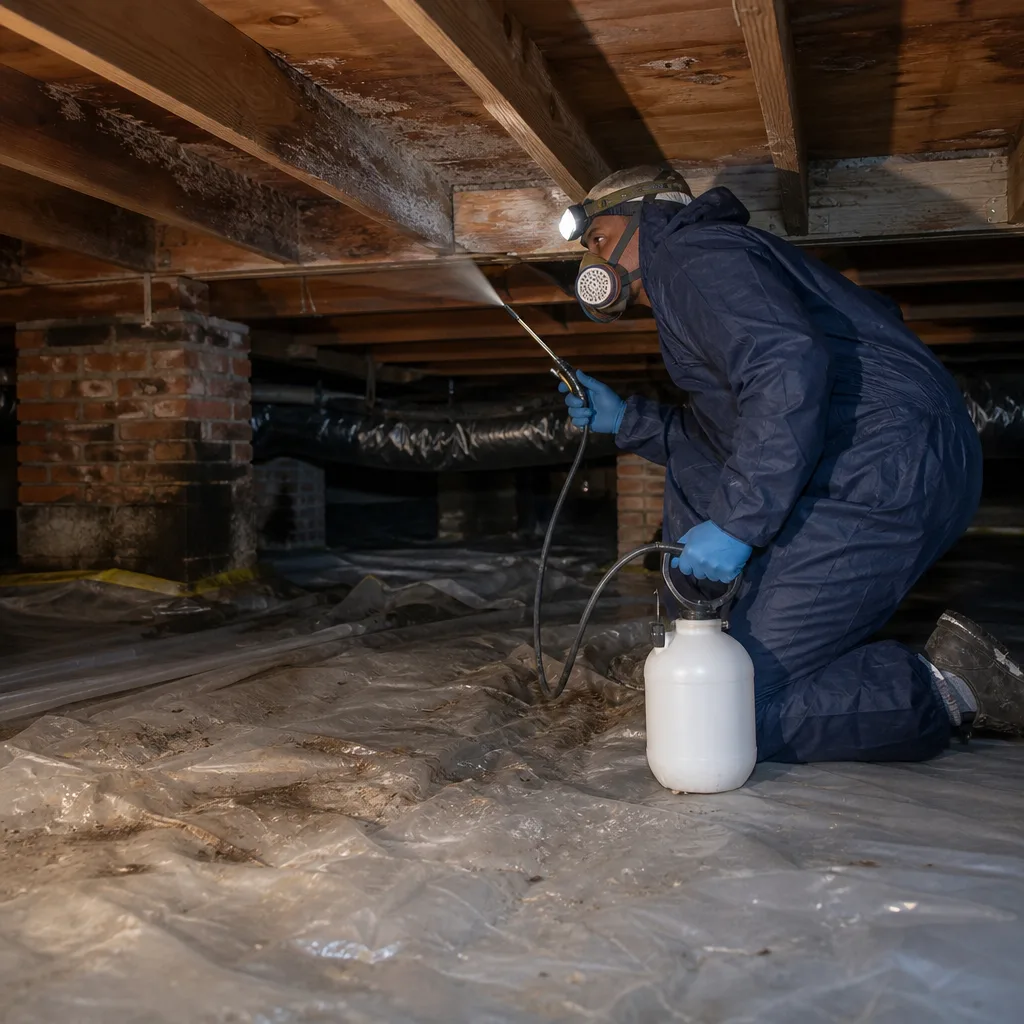
Call for professional assessment when water affects more than a single, small area you can dry with household fans; when water originates from a dishwasher, washing machine, sump pump, or any source other than a clean supply line; when you smell mustiness or see discoloration suggesting mold; when water has stood for more than a few hours; or when the loss involves sewage, fire suppression, or structural damage. These scenarios require documented moisture mapping, controlled drying environments, and the written scopes that insurance claims demand.
DryMark Restoration Hackensack offers free estimates in Hackensack. A live person answers every call, 24 hours a day, 7 days a week - no voicemail trees, no next-business-day callbacks while water is still moving. Call (551) 213-3409 for a written estimate with line-item pricing before any work begins. For fire and smoke losses, see our dedicated Fire & Smoke Damage Restoration in Hackensack page. For documented mold concerns, our Mold Remediation in Hackensack team provides containment protocols and air quality verification.
Frequently Asked Questions
Most residential water damage restoration in Hackensack ranges from $4,800 to $12,500, with contained Class 1 losses starting around $3,200 and extensive Class 3 finished basement projects reaching $28,000 or more. The exact figure depends on water category, damage class, affected square footage, and whether structural materials require removal. Call (551) 213-3409 for a written estimate with line-item pricing - estimates are free.
Most Hackensack homeowners policies cover sudden and accidental water damage from clean sources (Category 1), though coverage varies for sump pump failures, sewer backup, and gradual leaks. The key to claim approval is documentation: dated photos, moisture readings, a written scope, and daily drying logs that prove the work was necessary and properly executed. We coordinate directly with adjusters and provide the documentation package that supports claim payment. Call (551) 213-3409 to discuss your specific policy and loss.
Our live dispatch answers emergency calls 24 hours a day, 7 days a week, with no voicemail. For active water losses, we prioritize same-day response because water migration continues until extraction begins. Speed matters for mitigation - water, fire, storm, and sewage emergencies - but reconstruction work is scoped, scheduled, and priced in writing like any remodel. Call (551) 213-3409 to report an active loss.
Category 1 water affecting less than 50 square feet of non-porous surface can sometimes be handled with extraction and aggressive household drying if started immediately. Anything beyond this - category 2 or 3 water, porous materials affected, moisture behind walls, or any mold suspicion - requires professional equipment and documentation. DIY efforts that fail to achieve dry standard often produce secondary damage that costs more to remediate later, and lack the documentation that insurance claims require. Read our DIY vs Professional Damage Restoration: The Hackensack Homeowner’s Decision Guide to weigh your options. Call (551) 213-3409 for an assessment.
We do. Our documentation package - photo record, drying logs, written scope, and line-item invoice - is formatted for adjuster review. We speak the same language: Xactimate pricing, IICRC standards, and the documentation requirements that turn restoration invoices into payable claims. You are not left to translate between contractor and insurer. Call (551) 213-3409 and we will coordinate directly with your adjuster from assessment through payment.
If our work is not done right, we make it right - a written warranty under The Haven Standard, not a verbal assurance. The guarantee is stamped on every job file and covers both workmanship and materials for 365 days. It exists because documentation without accountability is just paperwork. Call (551) 213-3409 with any concern during the warranty period.
The Bottom Line
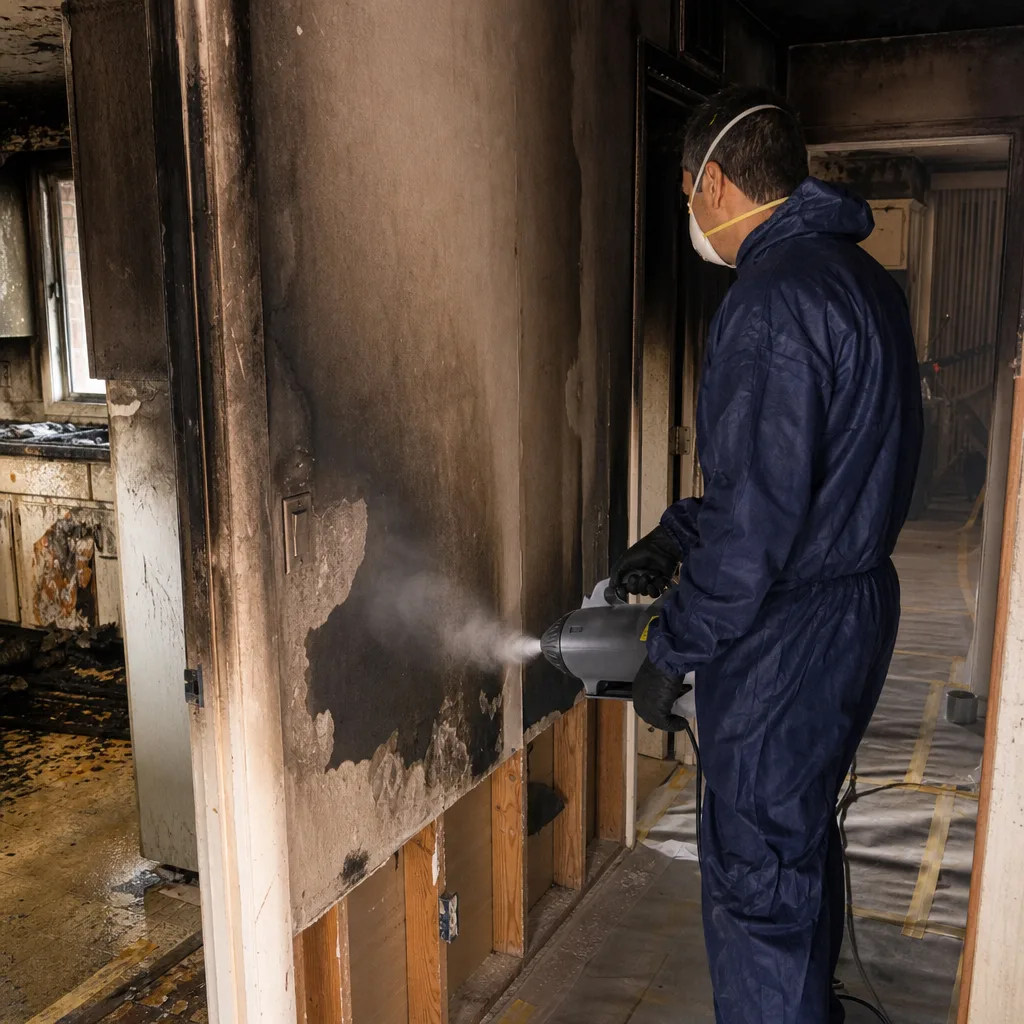
A restoration invoice is only as trustworthy as the documentation behind it. The cost ranges in this guide - equipment daily rates, labor hours by task, material costs per square foot, and the overhead margins typical for licensed Bergen County contractors - give you the reference points most homeowners never see. Use them to evaluate any estimate, including ours. The questions to ask are simple: What documentation supports this charge? What standard governs this work? What happens if it’s not done right? Contractors with nothing to hide answer directly. Those who deflect or obscure are telling you what kind of invoice you’ll receive.
At DryMark Restoration Hackensack, we built our company around the documentation gap that costs homeowners their claims. Written price before work begins. Photo record on every visit. Daily drying logs to IICRC standards. A 365-Day Done Right Promise backed by The Haven Standard. These are not marketing lines. They are the operating protocol we have followed since 2011, through 12,000 homes, because they are the only way to produce an invoice an adjuster will pay without a fight.
Written by Alicia Brennan, Owner at DryMark Restoration Hackensack, serving Hackensack since 2011.