
Free visual inspection and a written scope of work before any mitigation begins - photos, moisture readings, and drying logs go in your claim file
The scope we write is the scope we bill. Anything new gets shown to you, in writing, before we touch it.
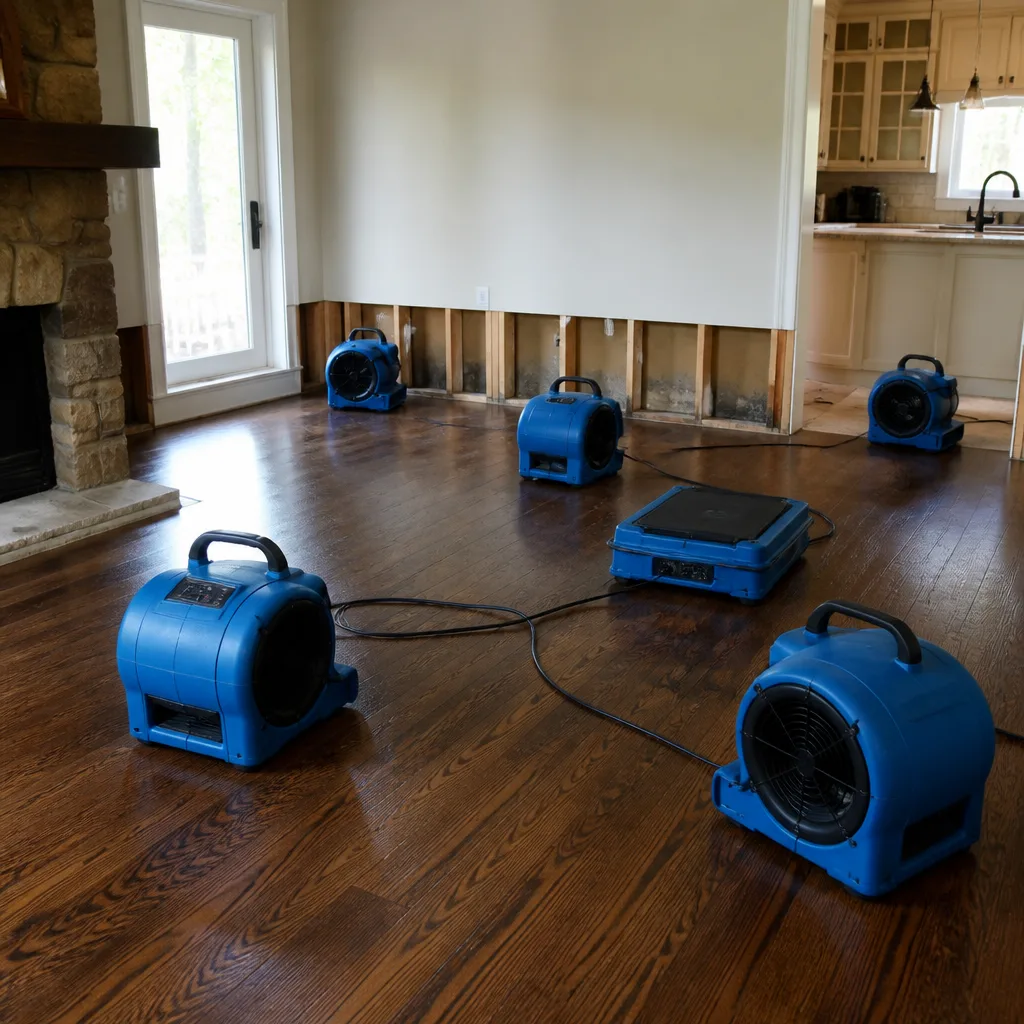
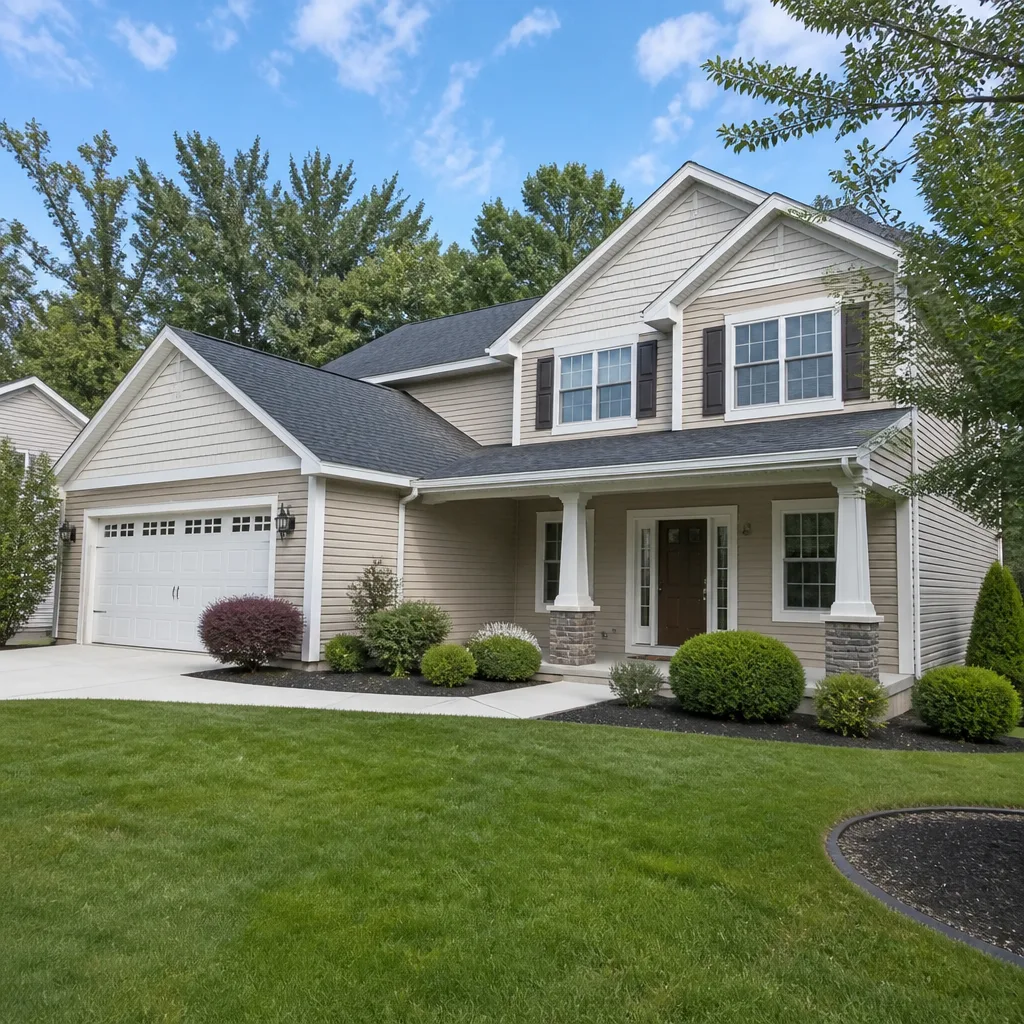
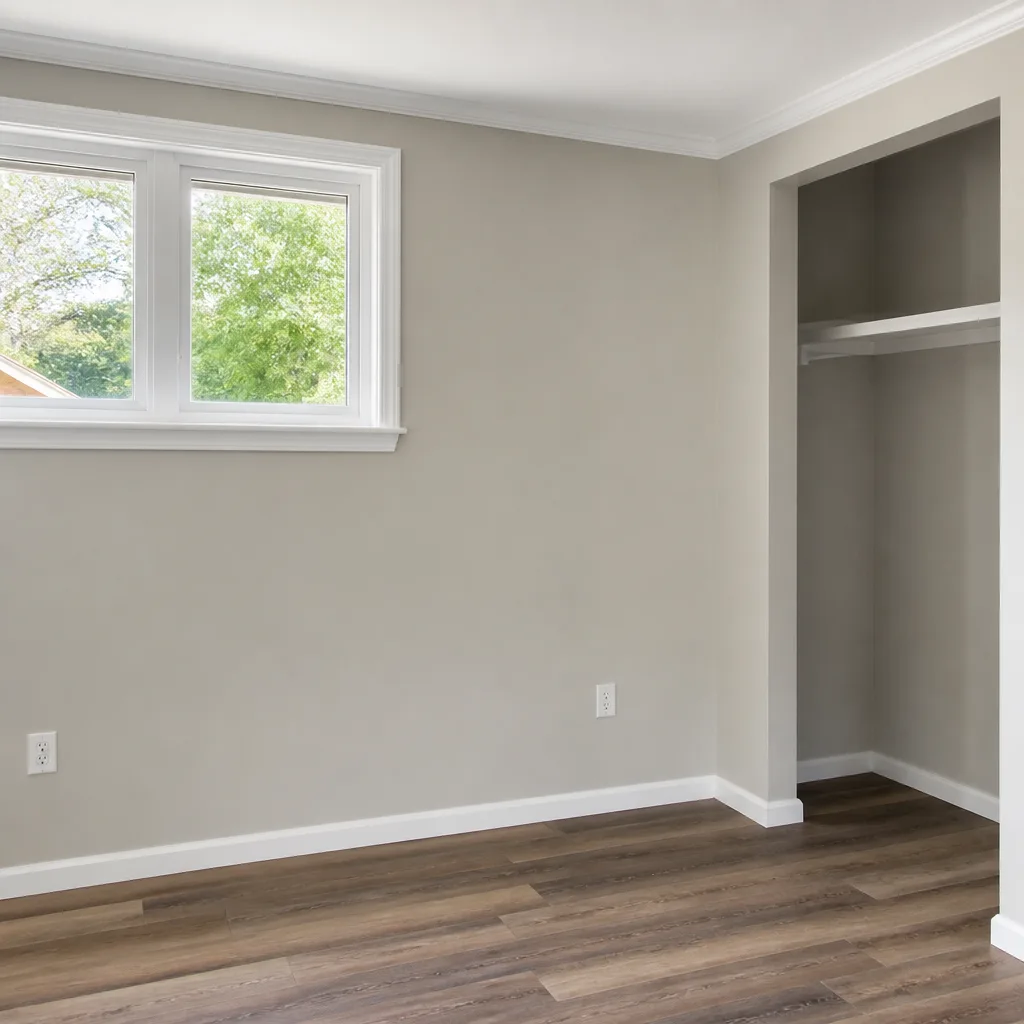
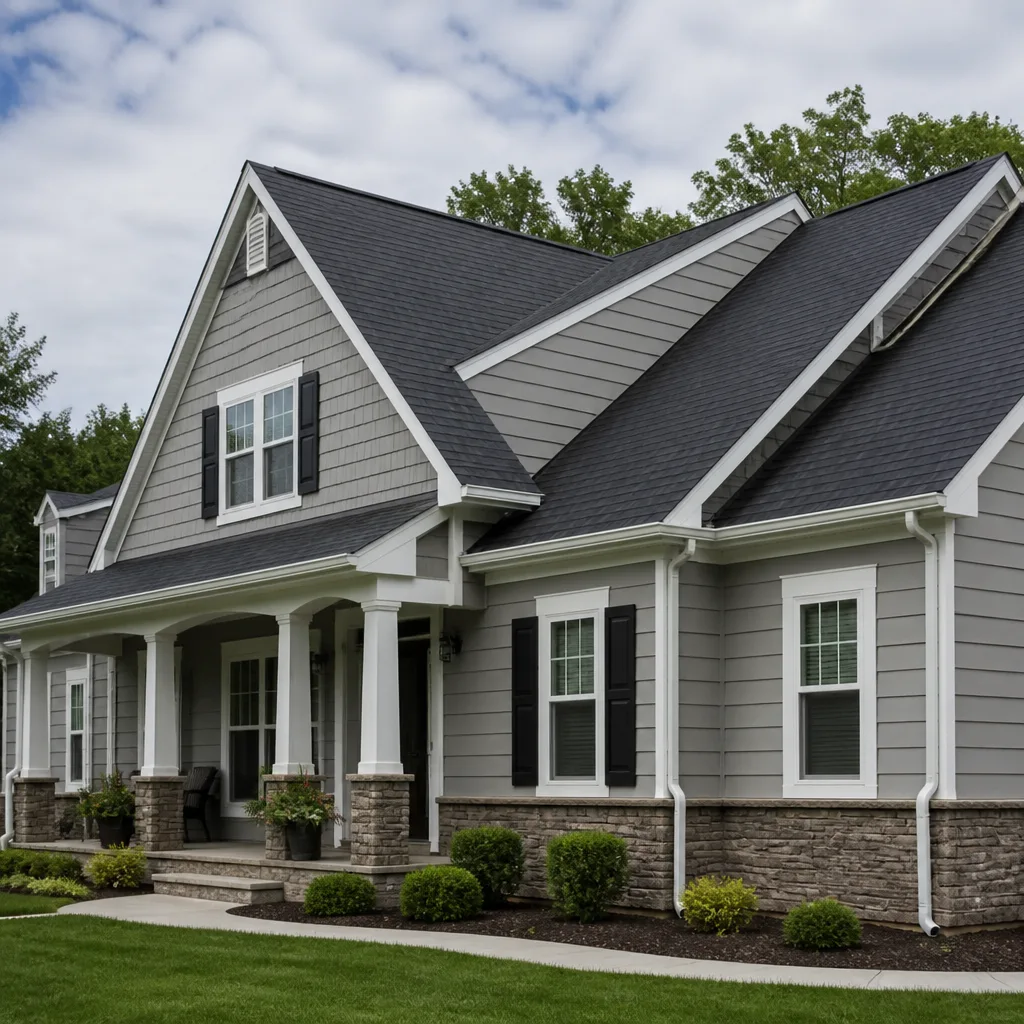
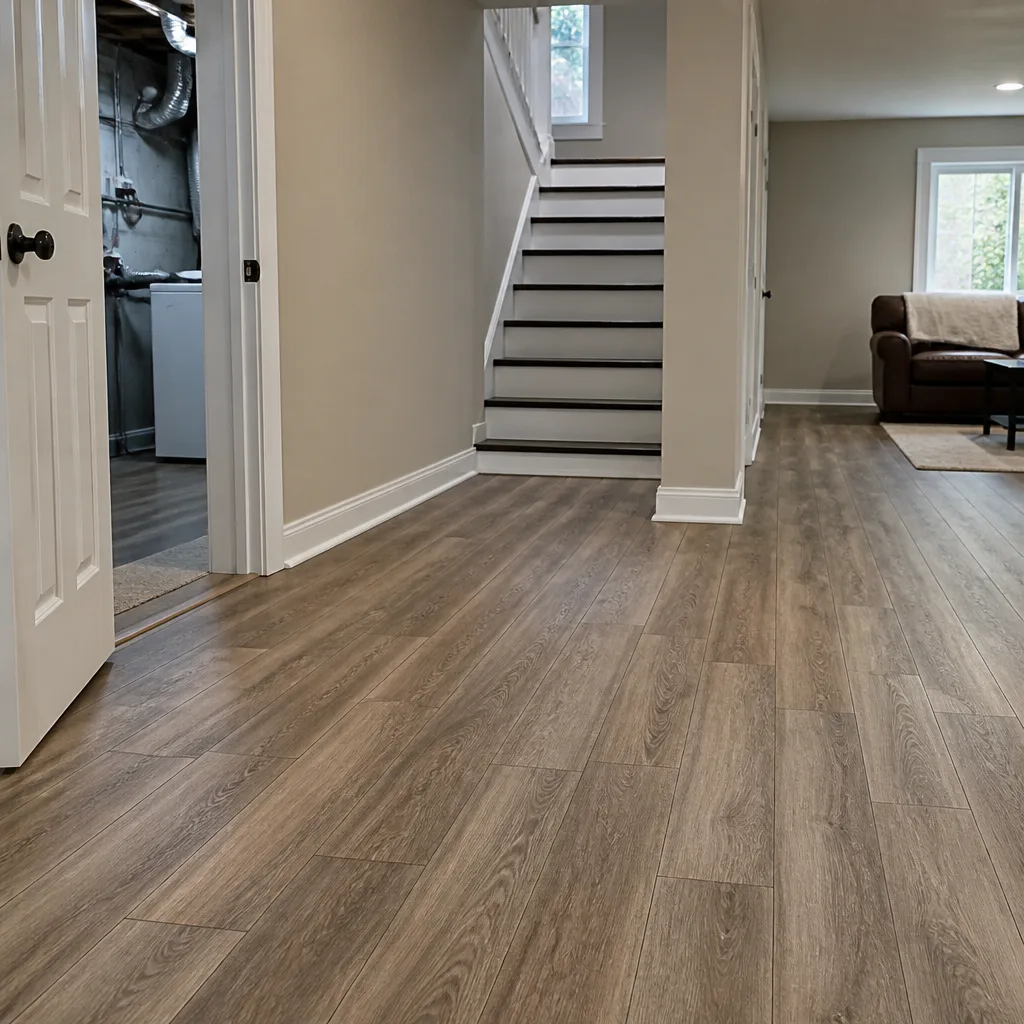
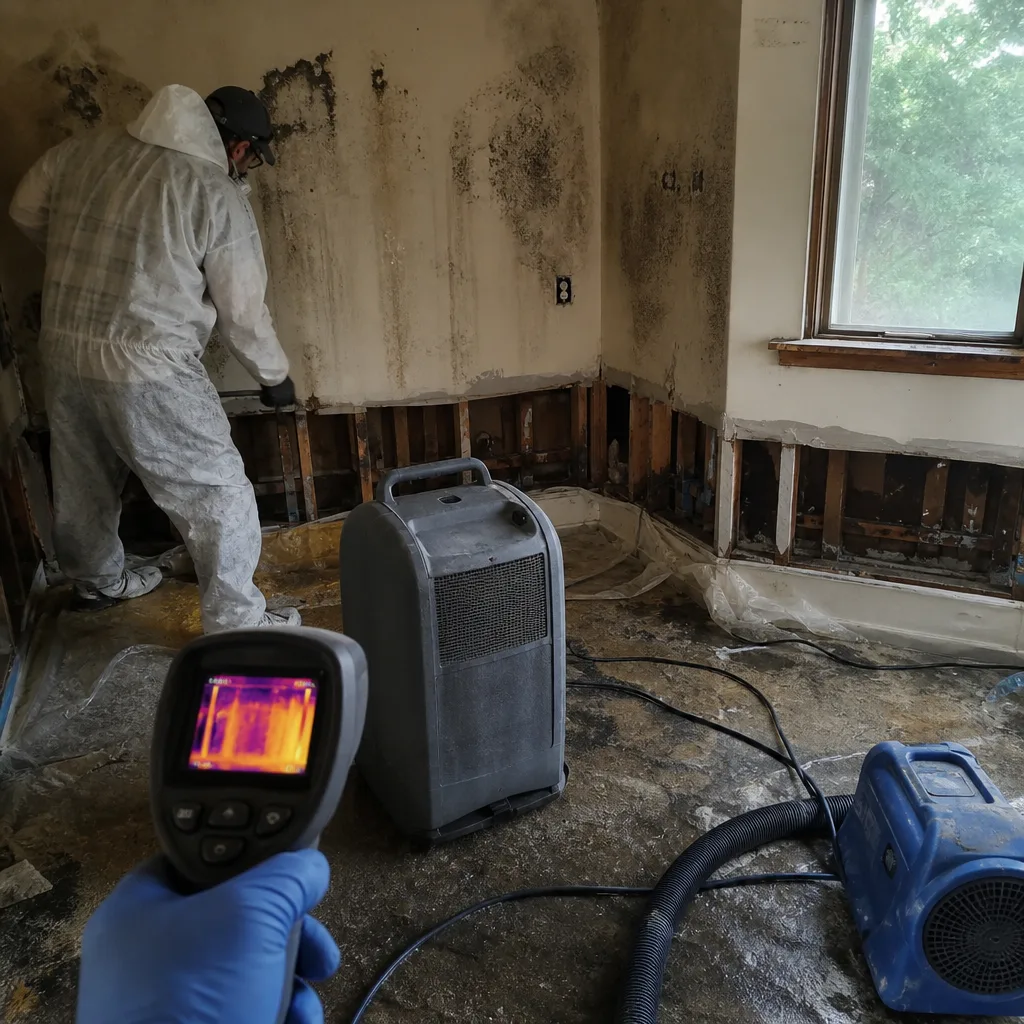 Before
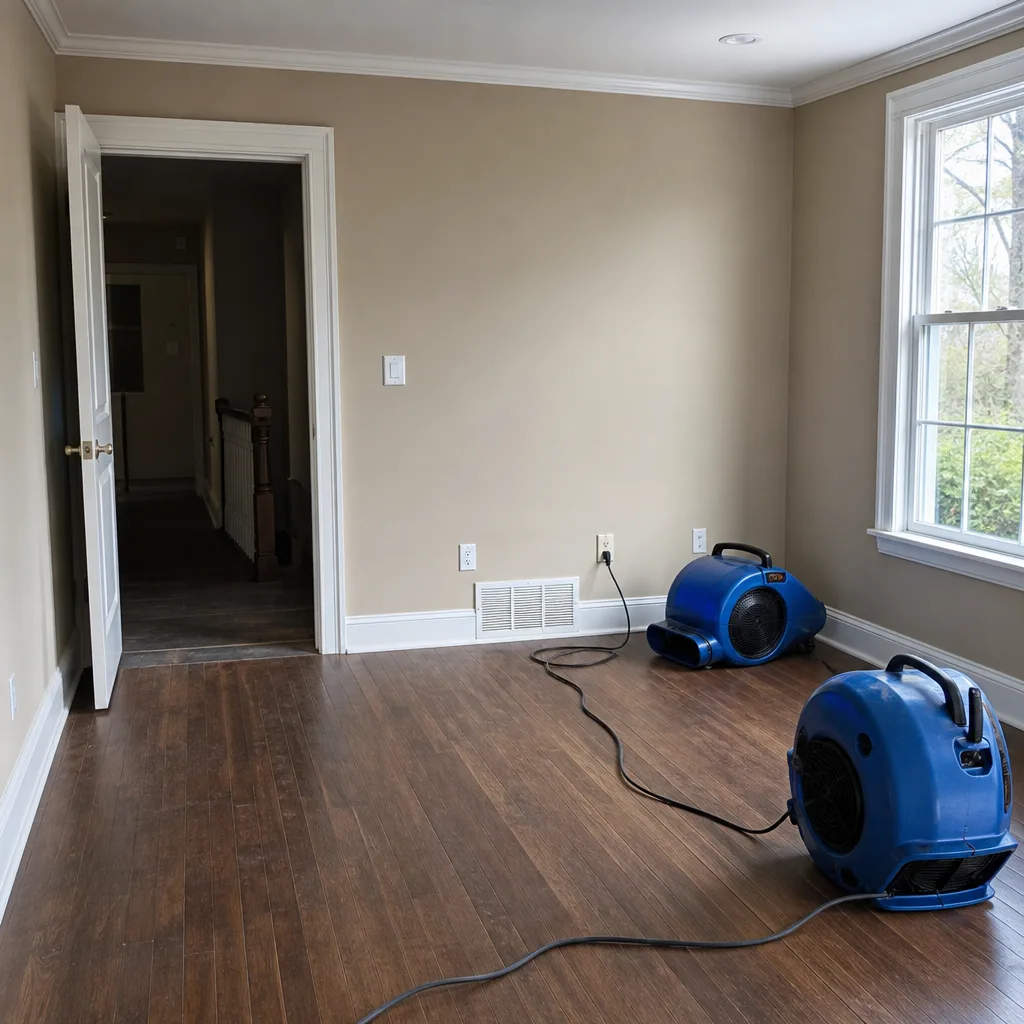 After
After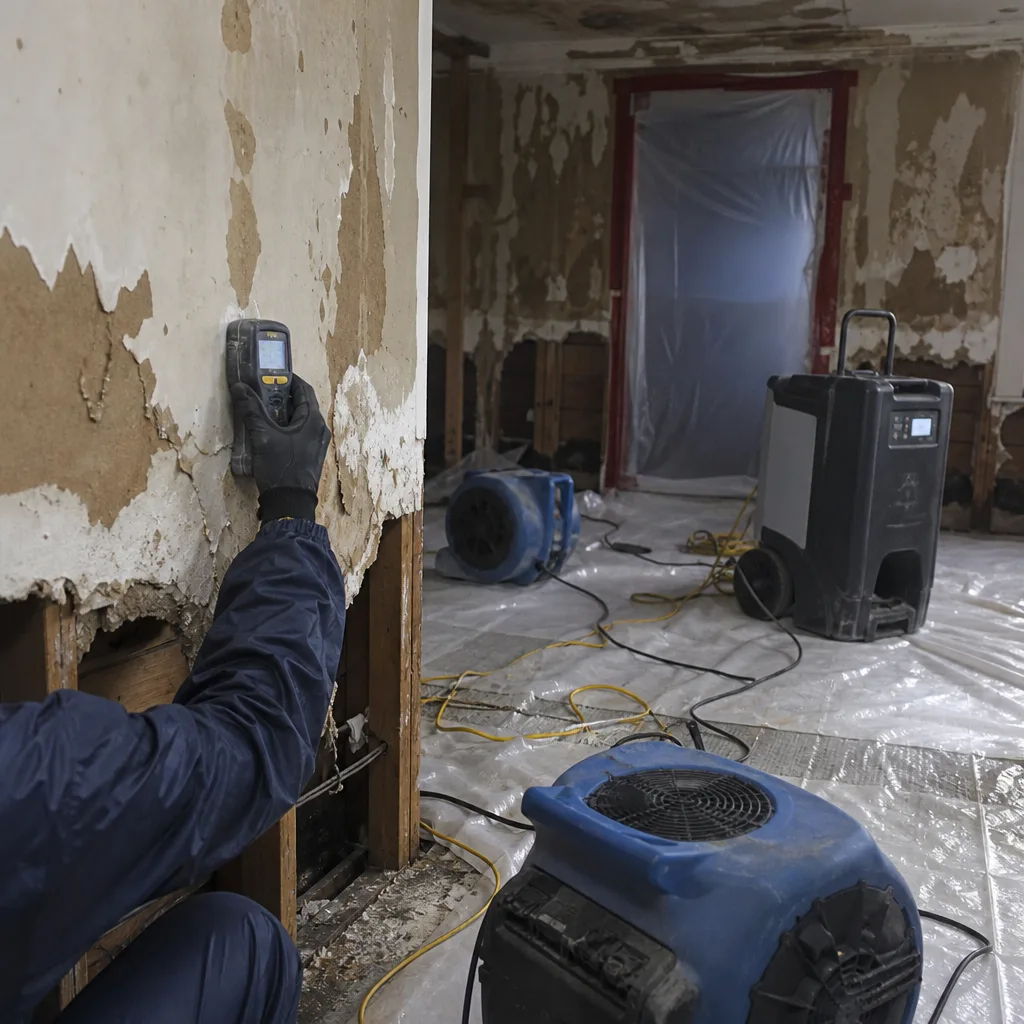 Before
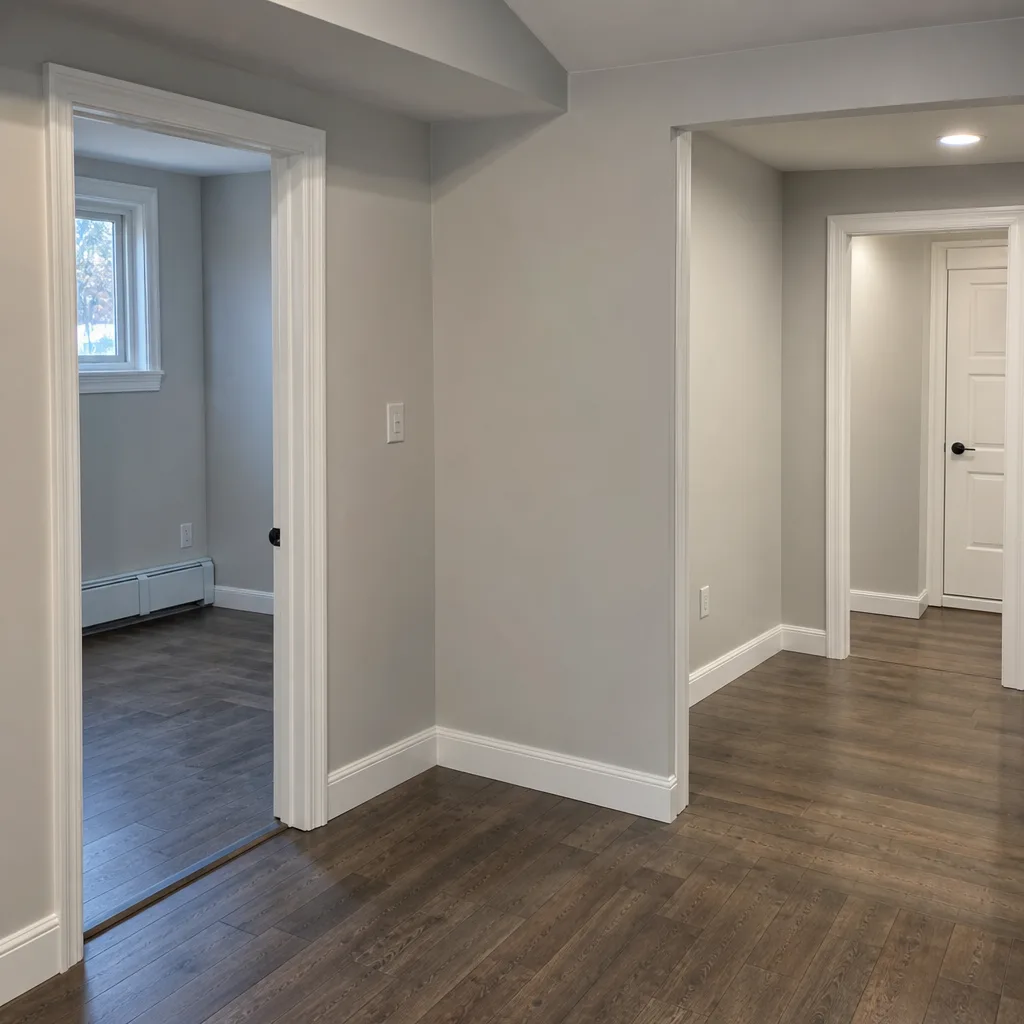 After
After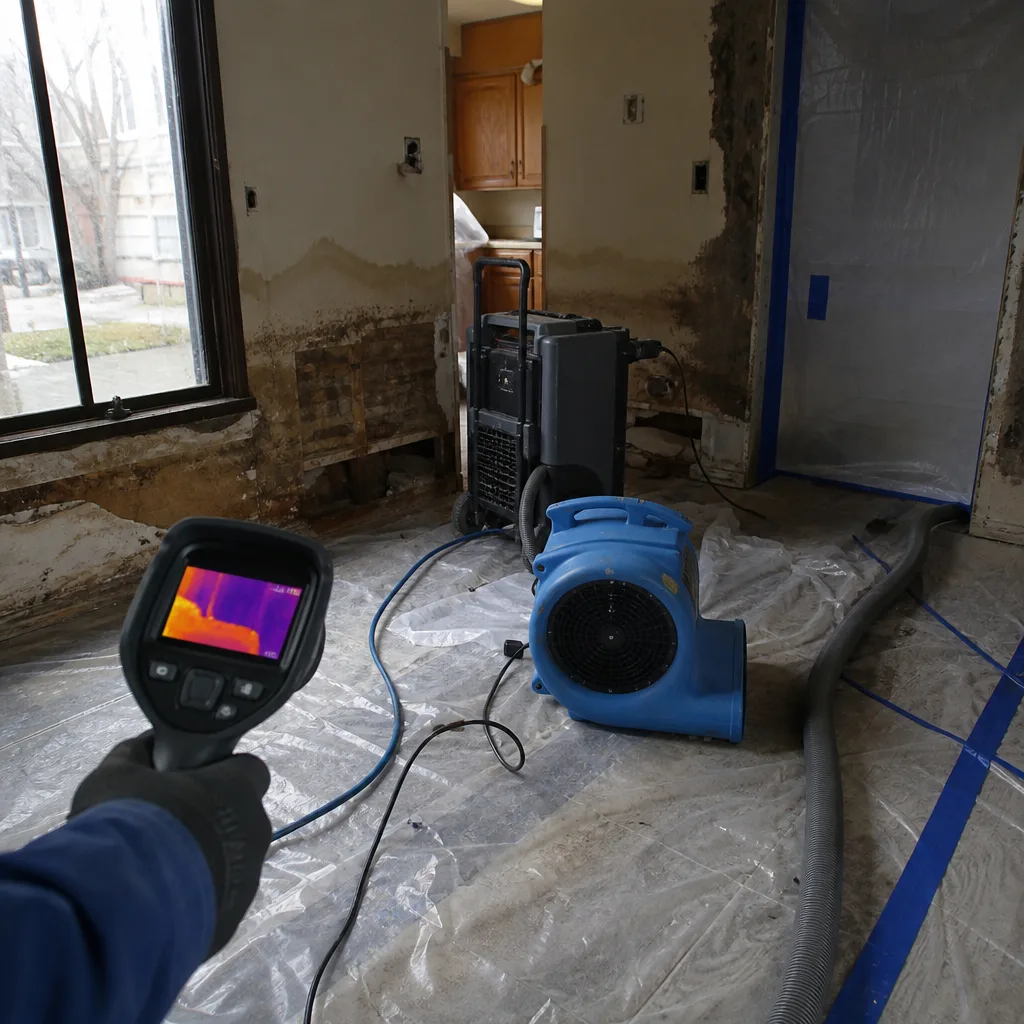 Before
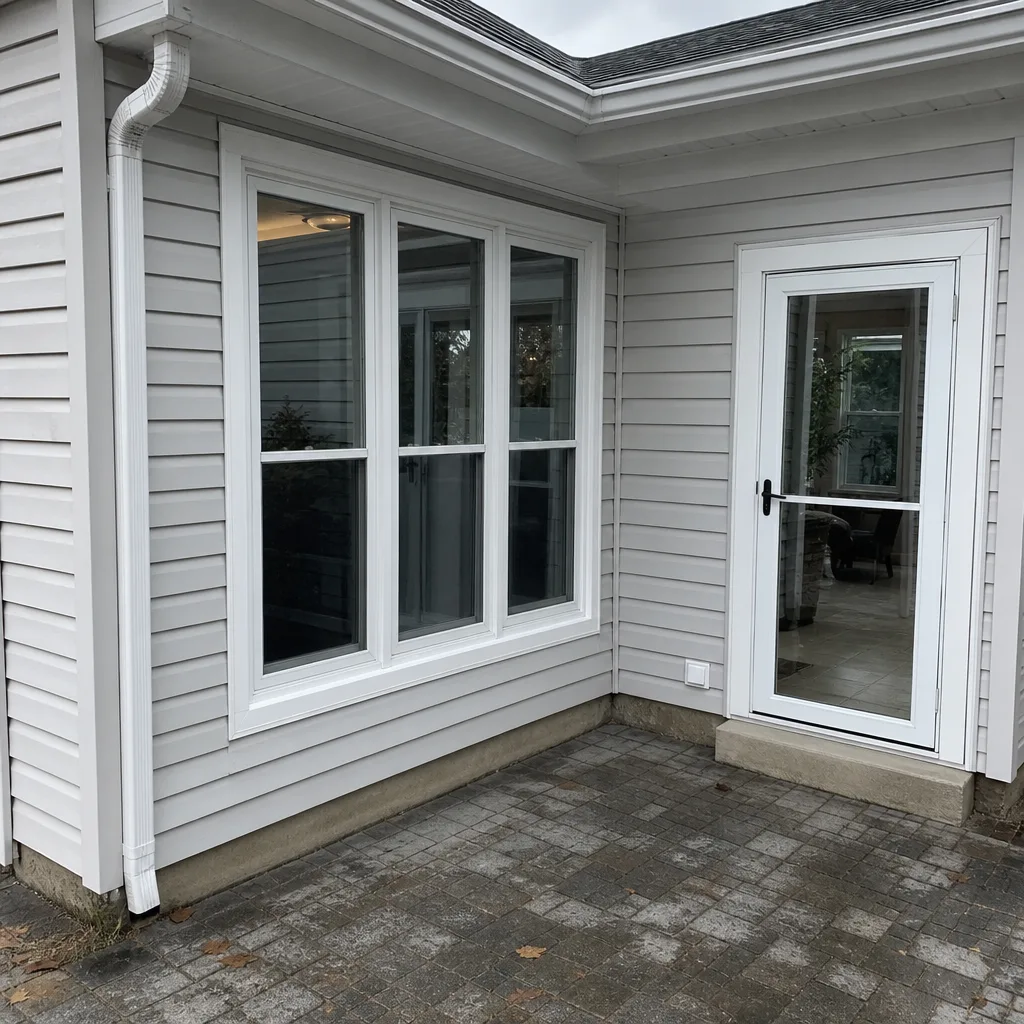 After
AfterStructural Drying & Dehumidification in Hackensack, NJ
Structural drying and dehumidification in Hackensack typically costs between $1,500 and $4,500 depending on the square footage affected, the class of water damage, and the specific building materials involved. At DryMark Restoration Hackensack, we use industrial-grade equipment like Phoenix and Dri-Eaz dehumidifiers to lower the vapor pressure differential in your home, which allows moisture to evaporate from structural elements like subfloors and wall studs safely. You can reach us at (551) 213-3409 for a written scope and price before any work begins.
Water damage is rarely just a surface problem. When water spills from a Hackensack burst pipe or a leaking roof during a heavy storm, it doesn’t just sit on the carpet; it migrates into the structural skeleton of the building. Standard air movers are insufficient for this. We specialize in the science of psychrometrics, managing the temperature and humidity balance to pull moisture out of materials without causing secondary damage like warping or microbial growth. This is a specialized, technical component of our broader Water Damage Restoration in Hackensack services, ensuring that your home is not just dry to the touch, but dry to the core.
When You Need Structural Drying & Dehumidification
You need professional structural drying when moisture has penetrated porous materials that cannot be easily replaced or when humidity levels inside your home remain elevated for more than 24 hours. Waiting for natural evaporation in our humid New Jersey climate usually leads to mold and structural degradation.
- Engineered Hardwood Buckling: If you notice cupping or crowning in your flooring, it means moisture has reached the subfloor. We use specialized mat systems to draw that water out from underneath the planks.
- Elevated Moisture Readings Behind Drywall: We often find drywall that feels dry on the surface but registers high moisture content on our meters. This trapped moisture feeds mold growth inside the wall cavity.
- Saturated Insulation: After a pipe burst or ceiling leak, fiberglass or cellulose insulation acts like a sponge. It requires immediate mechanical dehumidification to prevent the insulation from collapsing and losing its R-value.
- Baseboard and Trim Swelling: When baseboards in older Hackensack homes start to pull away from the wall or show paint blistering, it is a clear indicator that the wall studs are actively absorbing water.
- High Humidity After Minor Leaks: If you have cleaned up a spill but the air in your home feels heavy or “sticky,” your home’s relative humidity is too high. This creates the perfect environment for secondary water damage.
Our Structural Drying & Dehumidification Process
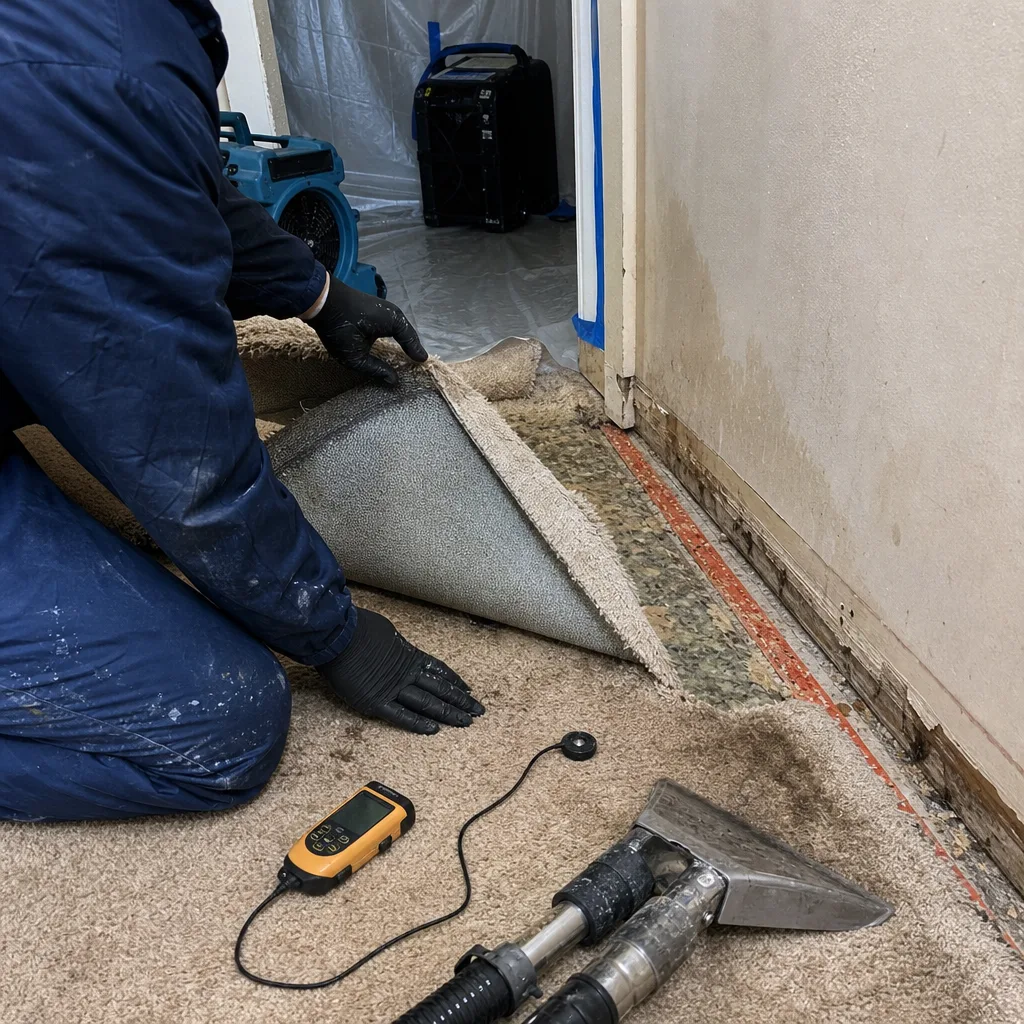
We follow IICRC and RIA standards to ensure every step is documented. This is not guesswork; it is a data-driven process that creates the moisture logs necessary for your insurance claim.
- Initial Moisture Mapping: We arrive with calibrated moisture meters to determine the extent of the saturation. We record the moisture content of affected materials versus unaffected control areas in your home to establish a baseline.
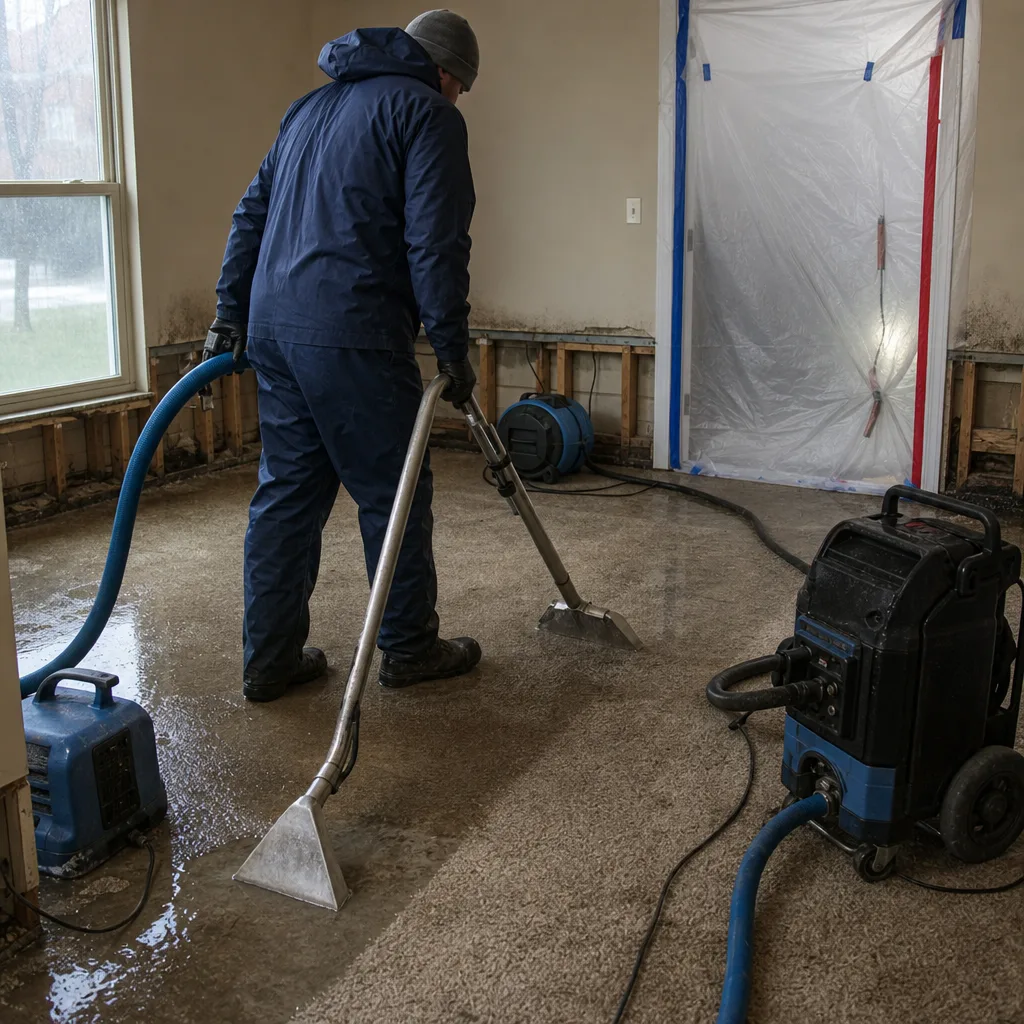
- Establishing the Drying Chamber: We create a controlled environment by sealing off the affected area. This allows our high-capacity dehumidifiers to focus on the specific space, maximizing the vapor pressure differential and accelerating the drying rate.
- Strategic Equipment Placement: Based on our psychrometric calculations, we place Phoenix or Dri-Eaz dehumidifiers and air movers to force airflow across saturated surfaces. We utilize Injectidry systems for hard-to-reach areas like wall cavities or under cabinets.
- Daily Monitoring and Logs: We return daily to record moisture readings. We document these readings in a formal drying log, which tracks the decline in moisture content. This log is the proof required by adjusters to verify that the drying was necessary and effective.
- Final Verification: Once the moisture levels in the structural materials match the baseline readings from unaffected areas, we remove the equipment. We provide you with a final report showing the pre-drying and post-drying data, confirming the structure is safe.
BeforeAfterStructural Drying & Dehumidification Pricing in Hackensack
We provide a written price before any work begins, adhering to the Haven Standard, Clause 1. We do not offer “ballpark” figures over the phone, as the cost depends on the specific moisture levels and the duration of the drying process. However, the following ranges represent typical expenditures for professional structural drying in the Hackensack market.
| Service Component | Typical Cost Range |
|---|---|
| Initial Inspection & Moisture Mapping | $250 - $400 |
| Equipment Setup & First Day Rental | $600 - $1,200 |
| Daily Monitoring & Log Maintenance | $150 - $300 per day |
| Injectidry/Specialized Cavity Drying | $400 - $900 (flat fee) |
The total cost is largely driven by the number of days the equipment must run. Because we monitor the moisture content daily, we pull the equipment the moment the structure is dry, which prevents unnecessary rental costs. We are happy to provide a free second opinion on any written estimate you have received from another contractor. Call (551) 213-3409 to discuss your specific situation.
FAQs - Structural Drying & Dehumidification
How do I know if I need professional drying or if a fan will work?
If the water has penetrated porous materials like drywall, wood framing, or subflooring, a standard household fan will not work. Household fans move air but do not remove moisture from the air, which can actually spread humidity to other parts of your home and cause secondary damage. Professional drying systems, such as those compliant with IFA standards, remove moisture from the air while simultaneously forcing dry air into the materials to extract trapped water. If the material feels damp to the touch or if you see visible staining, call (551) 213-3409 for a professional assessment.
Can you dry hardwood floors without removing them?
Yes, we can often save hardwood floors using specialized floor-drying mat systems if we catch the moisture early enough. These mats create a vacuum seal over the floorboards, pulling the moisture out from underneath the planks and through the wood pores. This process is highly effective if the cupping or warping has not yet caused permanent structural failure of the wood fibers. The sooner we start the process after a leak occurs, the higher the likelihood of saving the flooring.
What happens if the structure is not dried properly?
Improper drying leads to secondary damage, which is often more expensive to repair than the initial water event. If moisture remains in wall studs or subfloors, you will likely face mold colonization within 48 to 72 hours, as well as potential rot or structural weakening. Furthermore, insurance companies often deny claims for mold damage if the policyholder failed to mitigate the water damage properly. Our documentation process ensures that every step of the drying is recorded and verified, protecting you from these complications.
Does my insurance cover structural drying services?
Most standard homeowners insurance policies cover structural drying when it is a necessary part of mitigating a sudden, accidental water loss. The key is documentation; insurers require proof that the work was necessary and that the drying was effective. We provide the photo records, the moisture logs, and the written scope of work that adjusters need to approve these claims. We operate under the Haven Standard, meaning we provide a written price before we start, which helps streamline the claims process. Call us at (551) 213-3409 for a free estimate and to discuss your documentation needs.
Written by Alicia Brennan, Owner at DryMark Restoration Hackensack, serving Hackensack.