
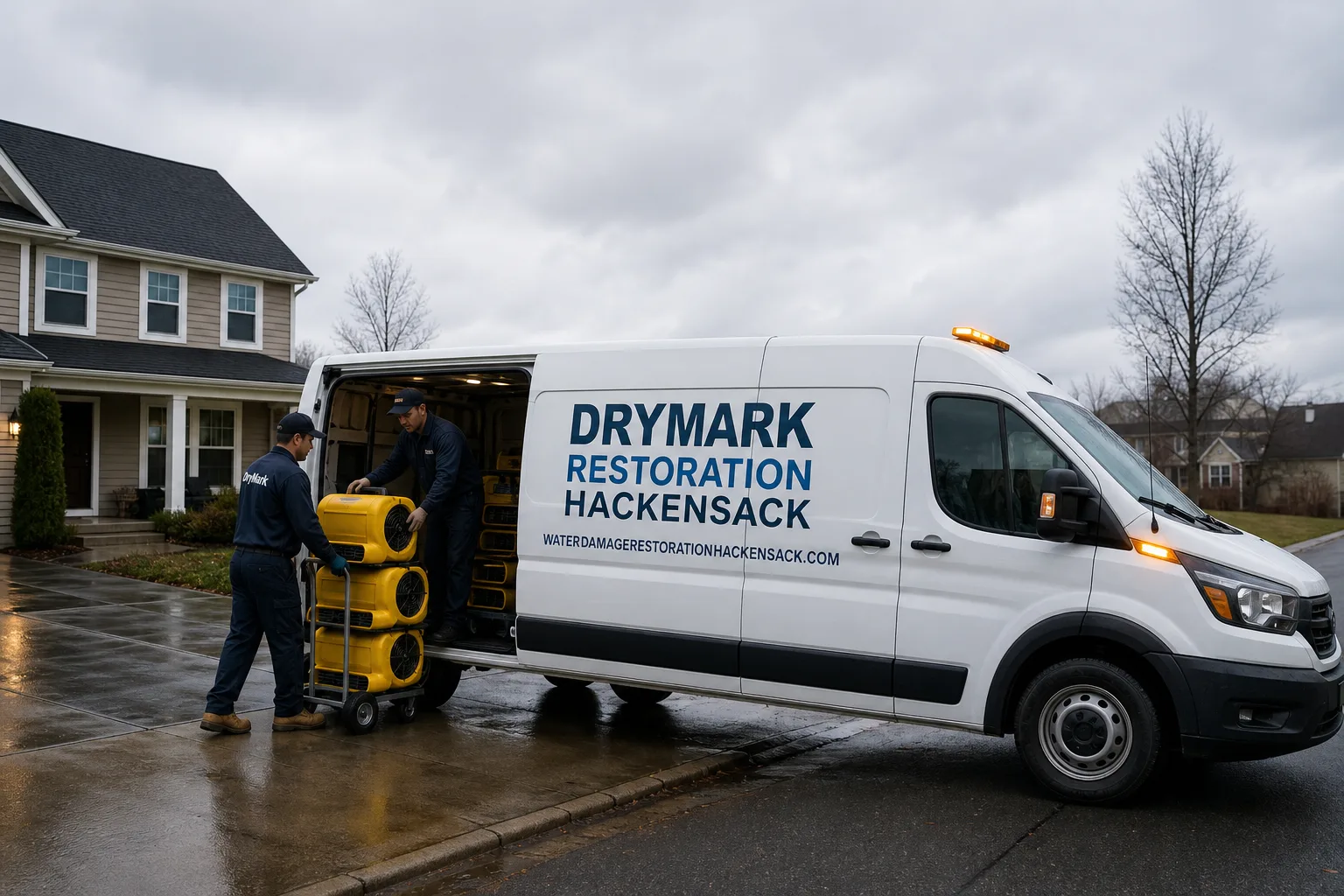
Free visual inspection and a written scope of work before any mitigation begins - photos, moisture readings, and drying logs go in your claim file
The scope we write is the scope we bill. Anything new gets shown to you, in writing, before we touch it.
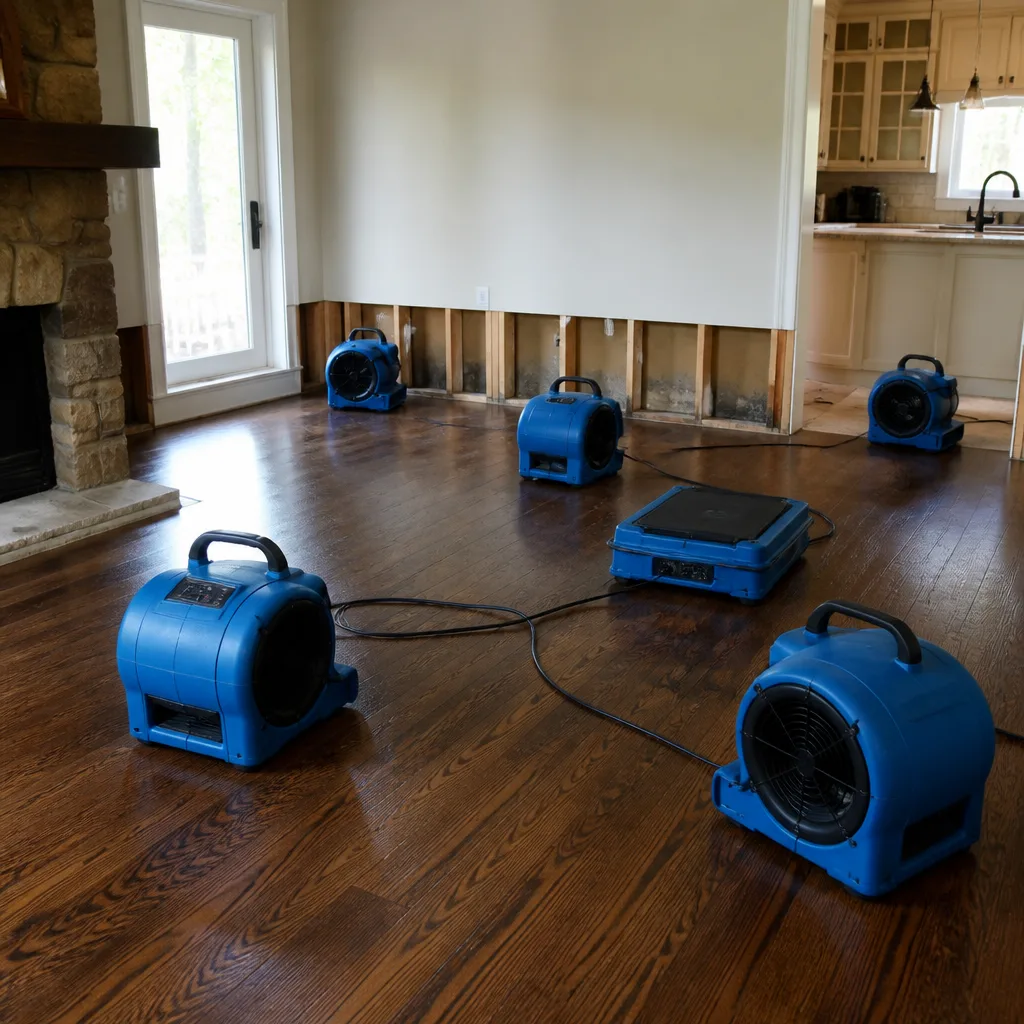
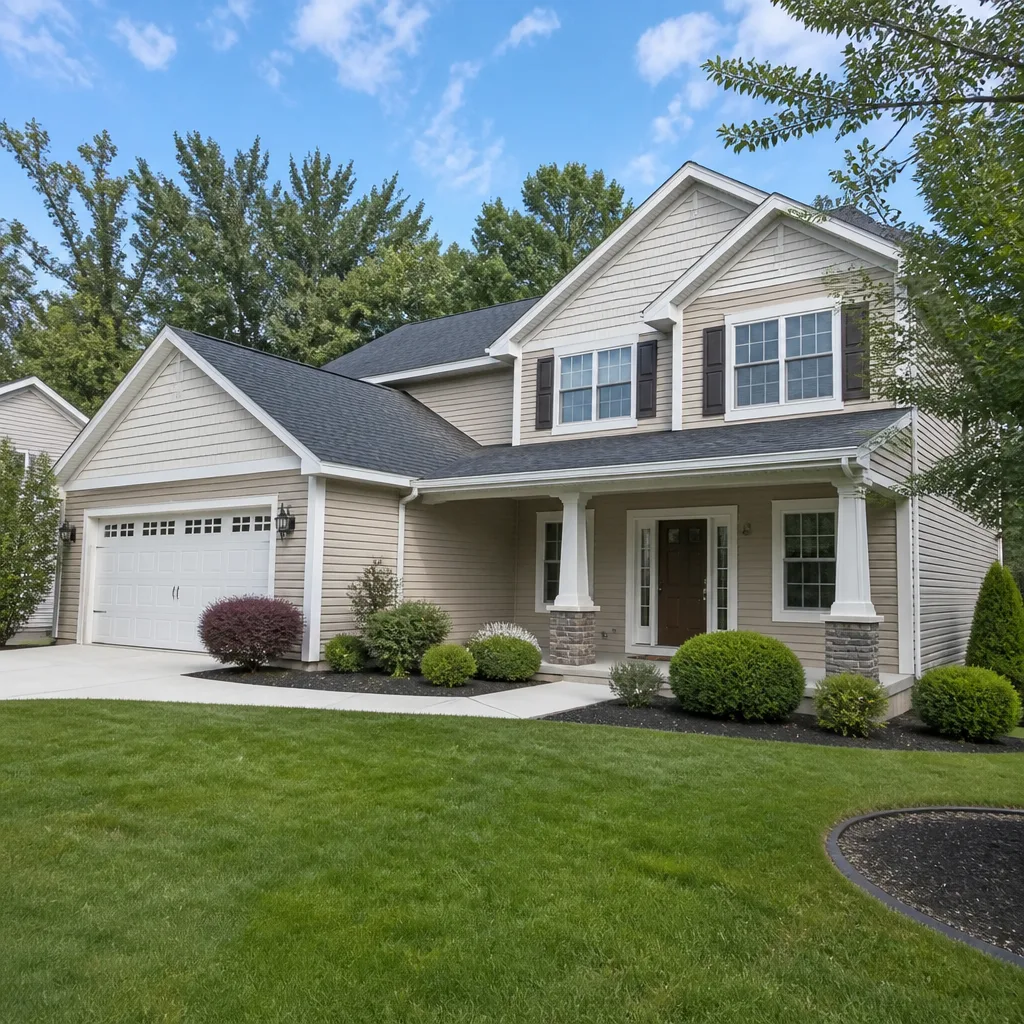
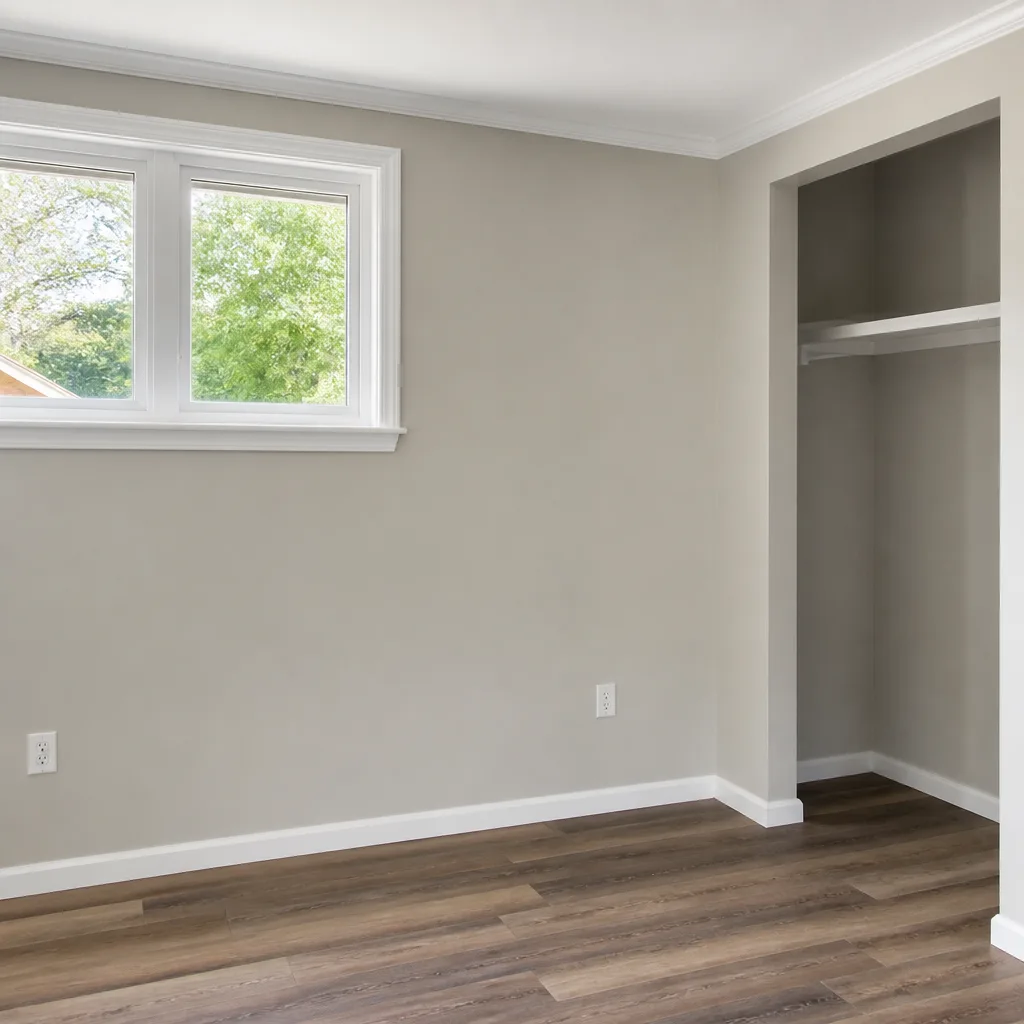
 Before
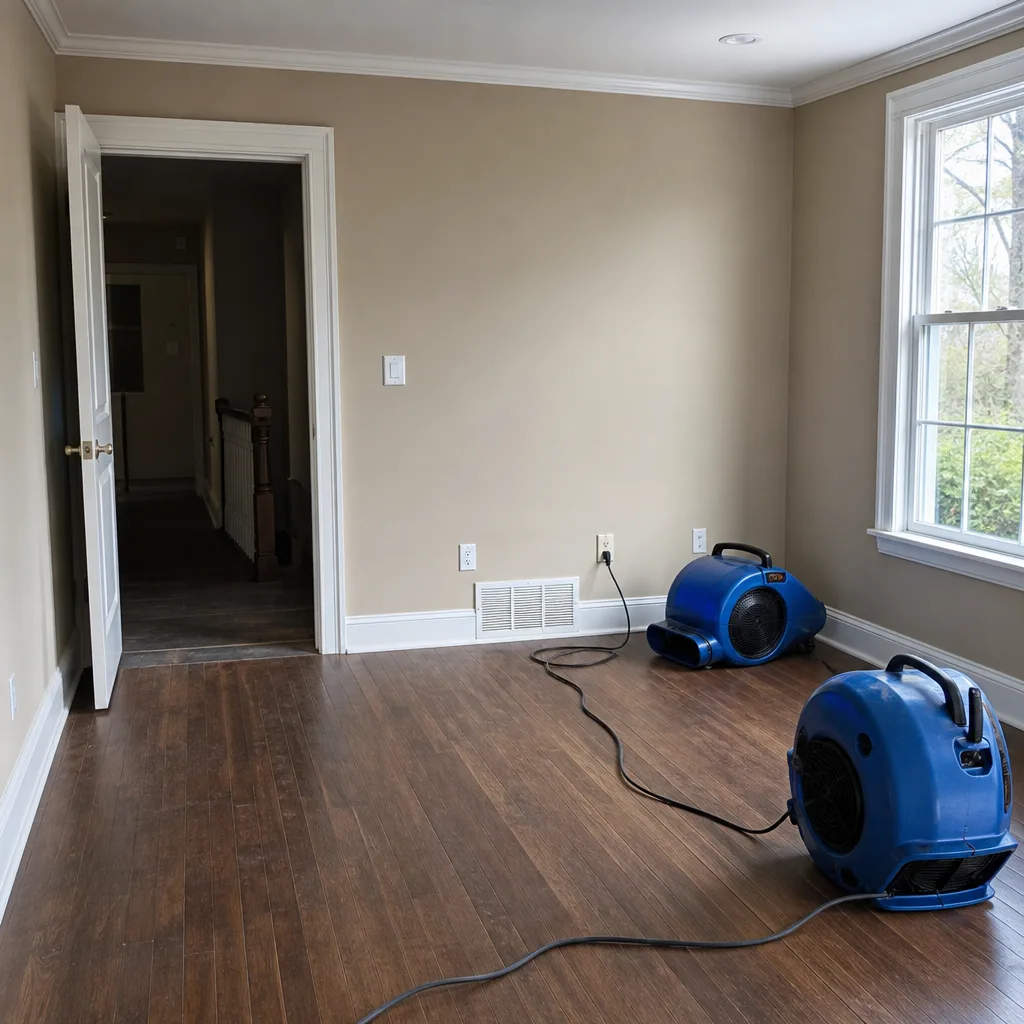 After
After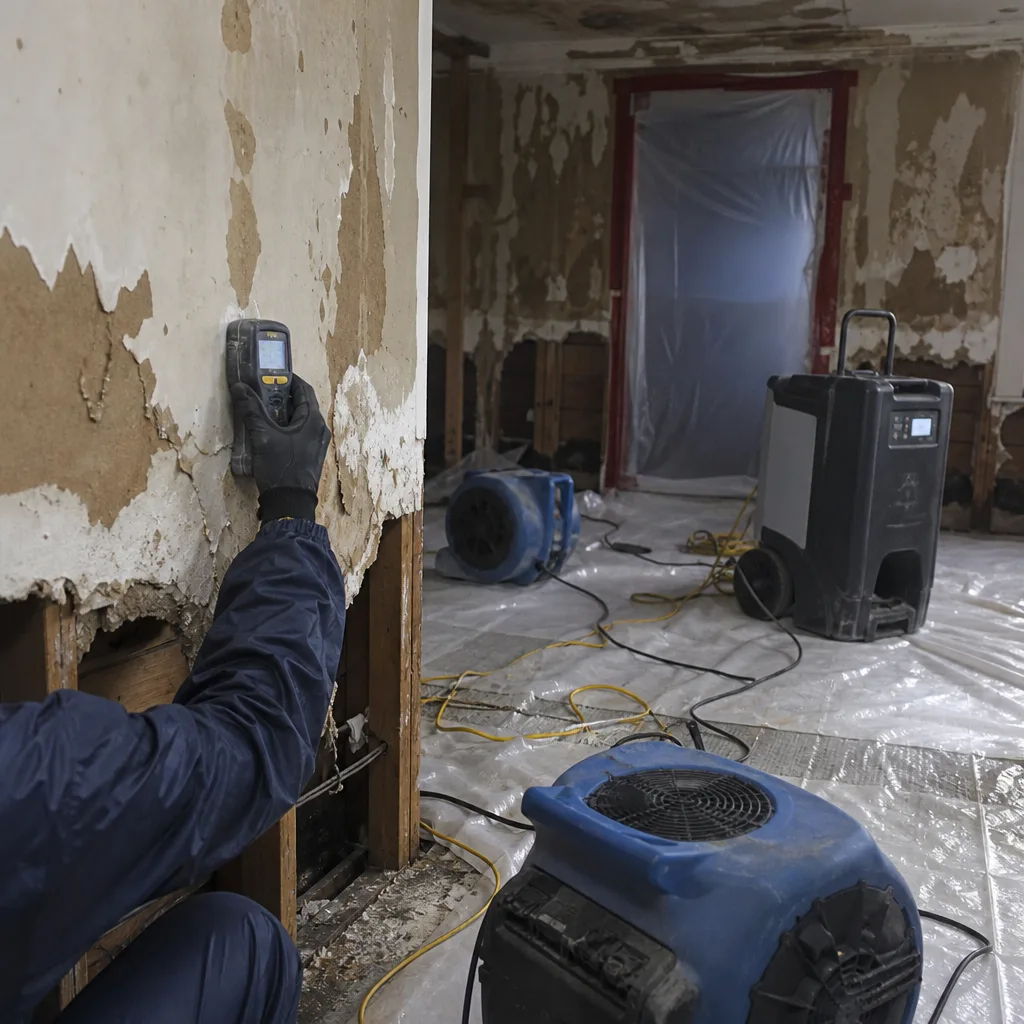 Before
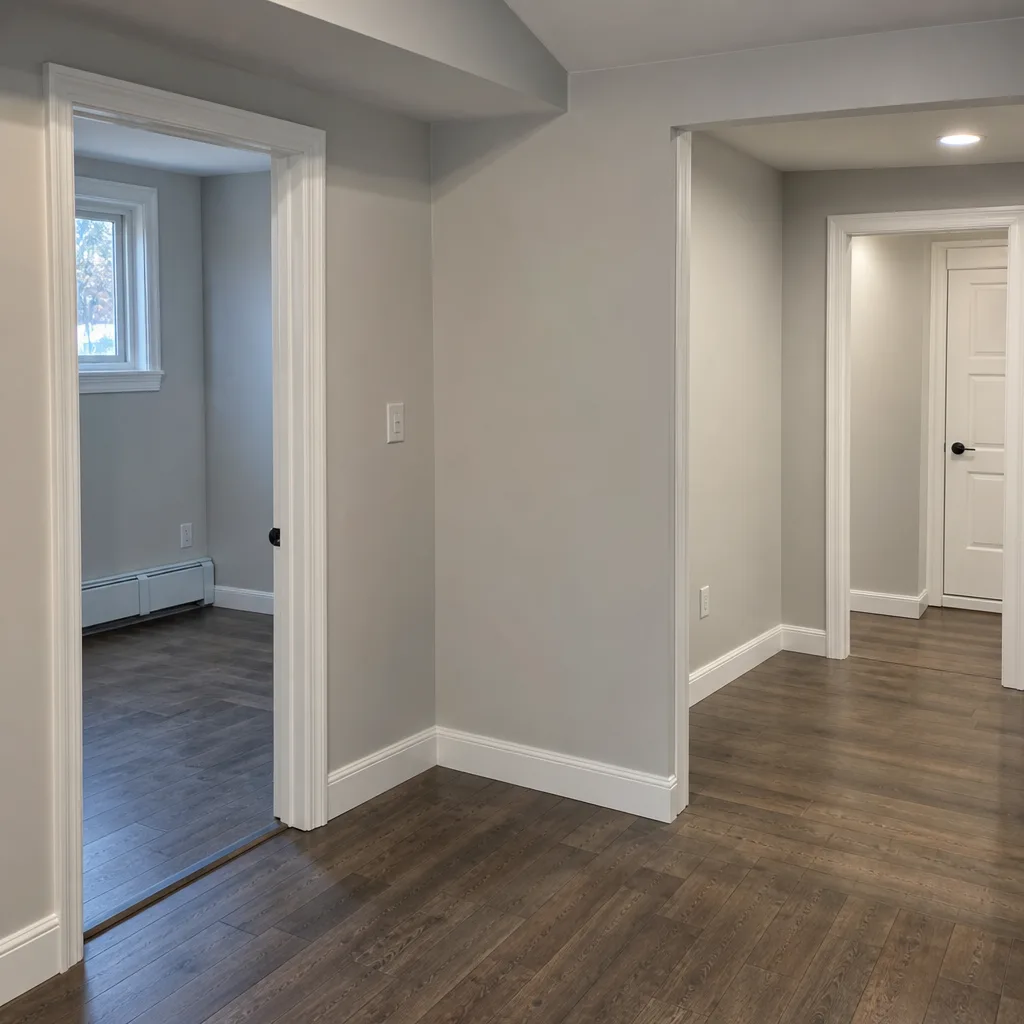 After
After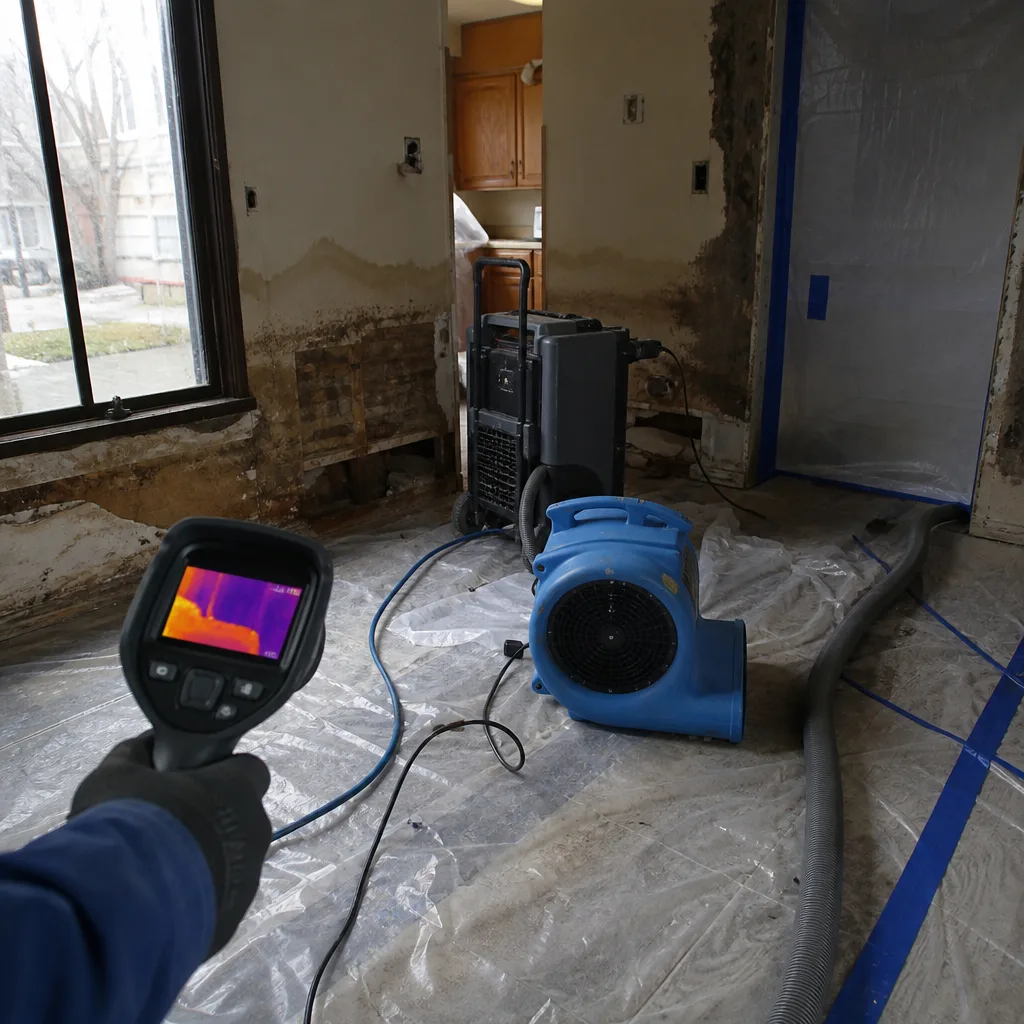 Before
 After
AfterFast, Reliable Water Damage Restoration Across Fairview
Water damage restoration in Fairview, NJ typically runs $1,800-$6,500 depending on the affected square footage and whether the loss has spread through shared wall assemblies in a multi-family building. Our crews are usually on-site in Fairview within 60-90 minutes of a call to (551) 213-3409, and we bring a written price before any equipment gets plugged in. Dispatch and scheduling are coordinated from our New York City office, but the technicians who arrive at your door know Fairview’s ridge-line topography and its stock of 1920s-1950s attached masonry homes - the building type that defines nearly every job we handle here.
Why DryMark Restoration Hackensack Is Fairview’s Preferred Water Damage Restoration Company
We’ve restored water damage in Fairview’s attached two- and three-family homes since 2011, and our file on this borough is thick with a specific pattern: one burst pipe on an upper floor that wicks through shared floor-ceiling assemblies into the unit below, then migrates laterally through party walls into the neighboring building. Our Water Damage Restoration team documents every job to IICRC, RIA, and IFA standards because we’ve seen what happens when sloppy paperwork kills a legitimate insurance claim.
Our live phone coverage answers every call 24 hours a day, 7 days a week - no voicemail trees, no next-business-day callbacks while water is still moving through plaster and lath. Reviews from Fairview customers consistently mention our photo-documented assessments and the written scope they receive before work starts. We know the difference between a flat-terrain basement and a Palisades ridge-edge basement carved into rock, and we know that moderate rainfall here can overwhelm foundation drainage that would handle the same volume in Ridgefield or Palisades Park.
Our Water Damage Restoration Services in Fairview
Emergency Water Extraction
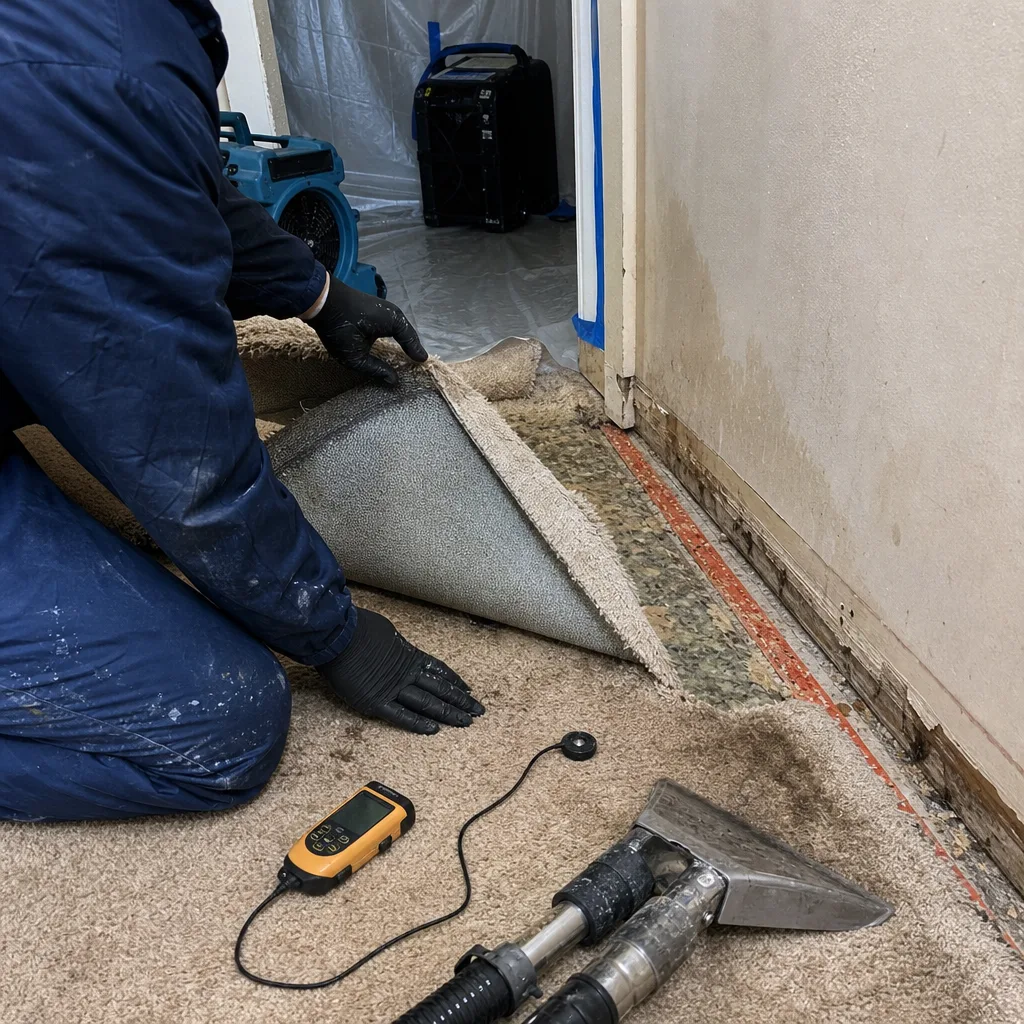
Speed matters in Fairview’s dense attached housing. We extract standing water within hours, not days, using truck-mounted systems and portable extraction tools sized for narrow stairwells and tight basement access common in pre-war masonry buildings. Every extraction is photo-documented before, during, and after, with moisture readings taken at the start so we can prove dry standards were met at the end.
Structural Drying & Dehumidification
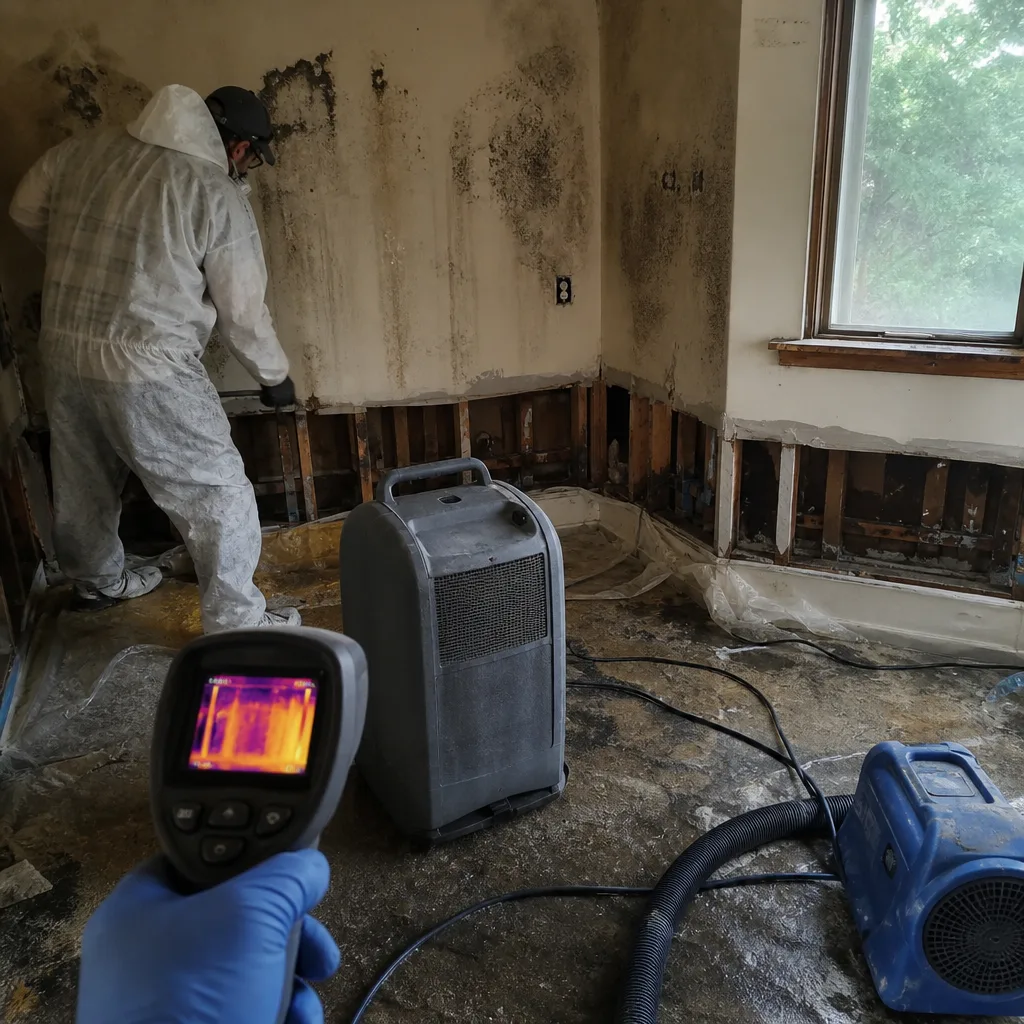
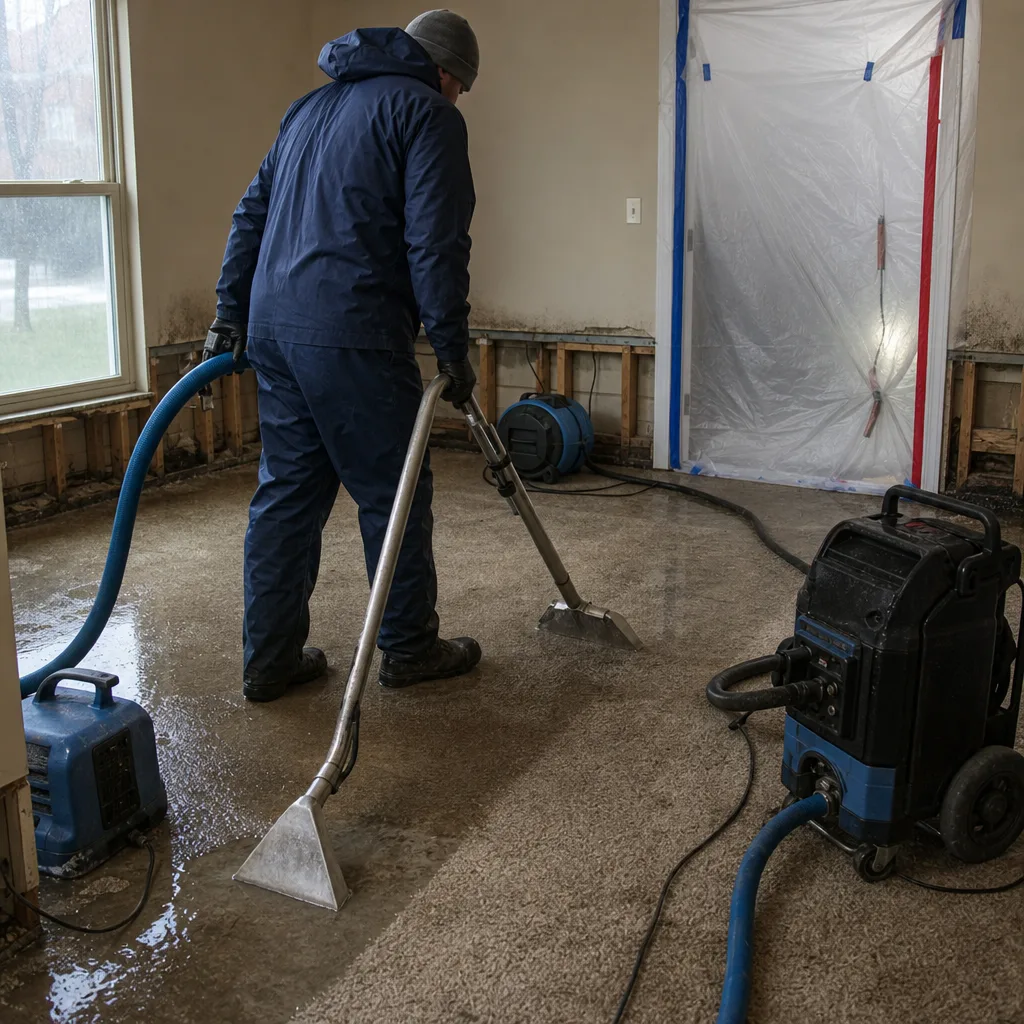
Our crews deploy Phoenix dehumidifiers, XPOWER air movers, and Injectidry drying systems to establish controlled vapor pressure differentials that pull moisture from wall cavities and subfloors. In Fairview’s shared-wall construction, we set containment per unit and document drying logs separately for each ownership - critical when three insurance carriers are watching the same job. Psychrometric data, the temperature-and-humidity readings that tell us whether materials are actually dry or just surface-dry, gets logged daily and delivered with the final invoice.
Flood Cleanup
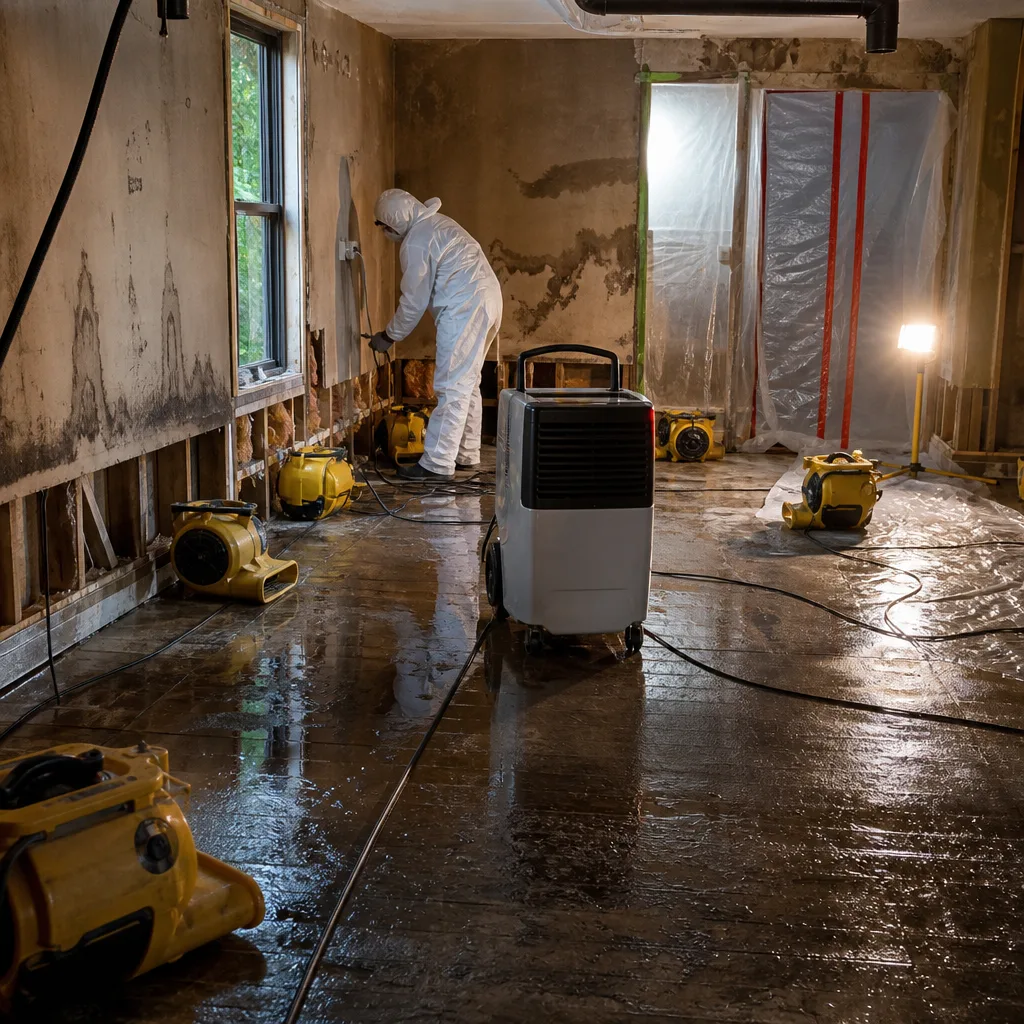
Fairview’s position atop the Palisades escarpment means stormwater concentrates and surges downslope during nor’easters and summer cloudbursts. Ridge-edge lots see chronic basement infiltration that flat-terrain neighbors don’t experience. Our flood cleanup includes sub-slab moisture mapping on hillside-adjacent foundations, not just surface extraction, because water trapped against the rocky substrate will wick back into masonry for weeks if it’s not found and dried.
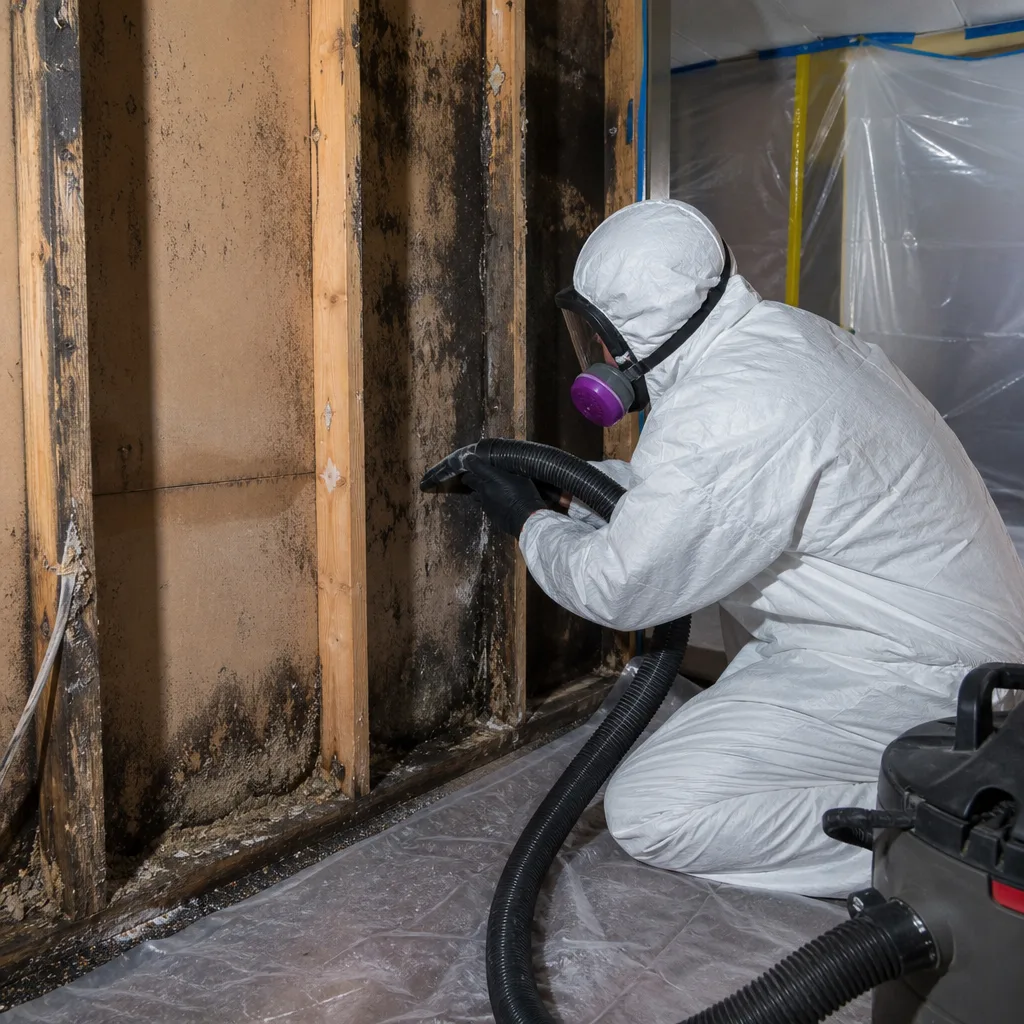
Burst Pipe Restoration
Fairview’s aging cast-iron and galvanized plumbing fails predictably in freeze-thaw season, and when it does, the damage rarely stays in one unit. We scope and bill across multiple ownerships from a single source event, coordinating lien rights and insurance documentation for each party. Our written price covers the full restoration scope before demolition starts - Haven Standard, Clause 1 - so no owner gets surprised by scope-creep additions once the crew is inside.
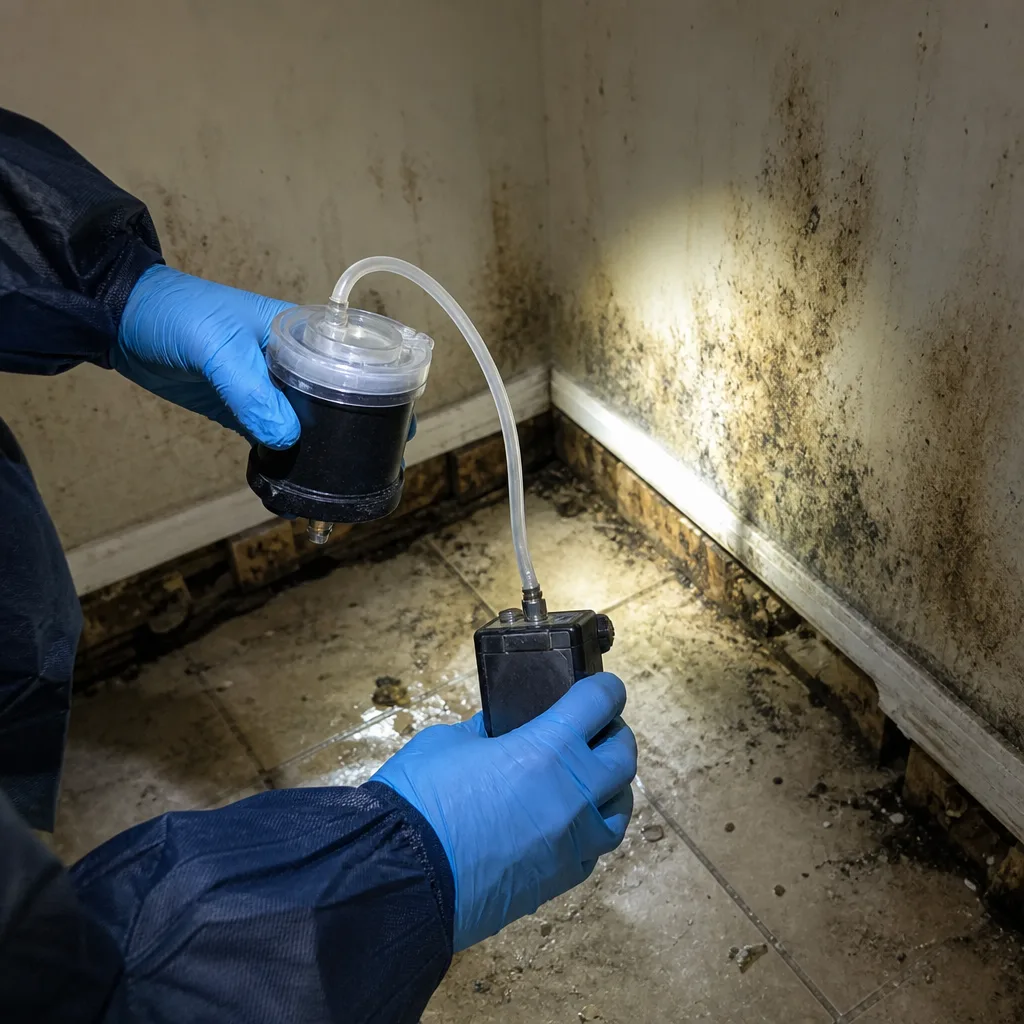
Basement Water Removal
Basements in Fairview are shallow, often carved directly into the Palisades ridge with limited drainage fall. Snowmelt and ice concentrate against the rocky substrate rather than draining freely, saturating soil around masonry foundations and amplifying spring water intrusion. We map sub-slab moisture and install temporary sump capacity when foundation drainage is overwhelmed, then document the drying curve to prove the space returned to acceptable equilibrium moisture content.
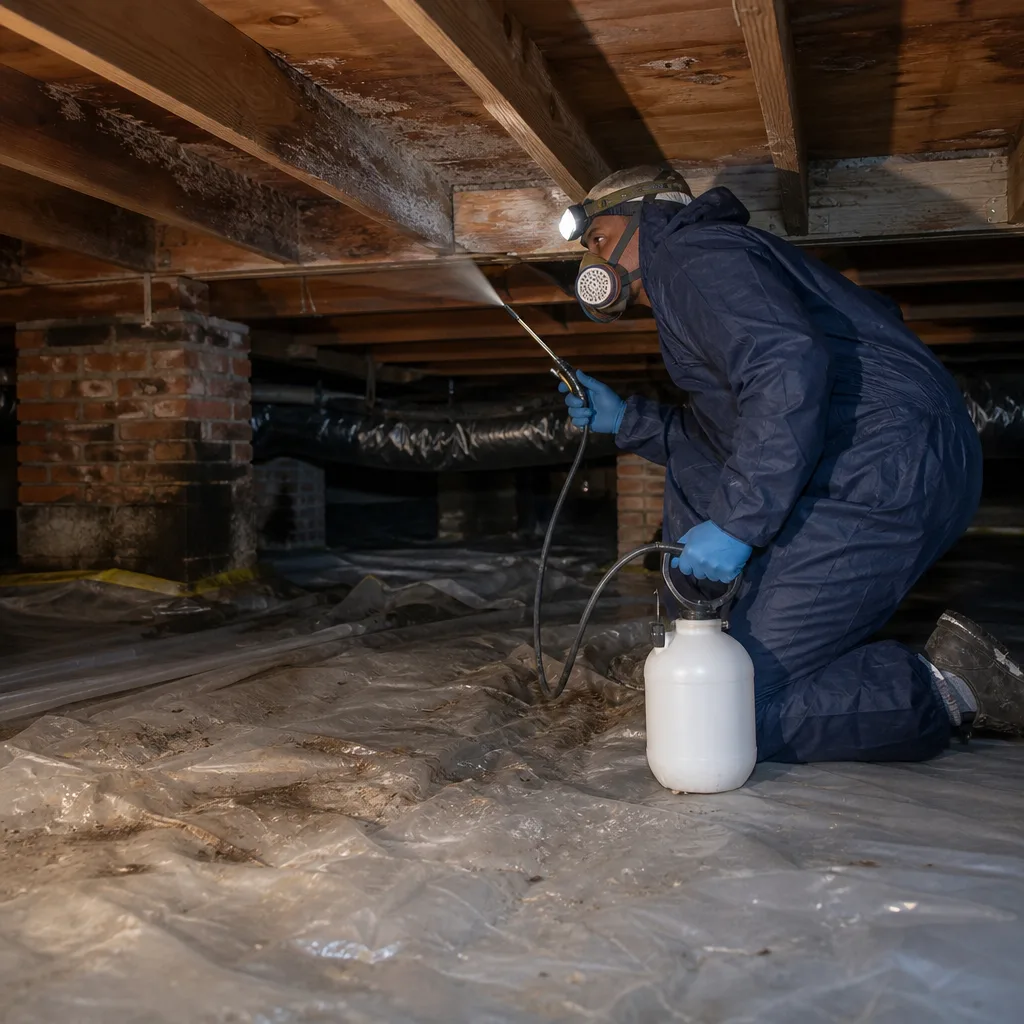
Ceiling & Roof Leak Water Damage
Flat roofs and parapet walls on Fairview’s multi-family masonry stock leak at penetration points and coping joints. Water travels along structural steel and deck channels, appearing far from the source. We trace the migration path with thermal imaging, document the affected area with photos, and deliver a written scope that names the square footage, material classifications, and drying equipment by model number.
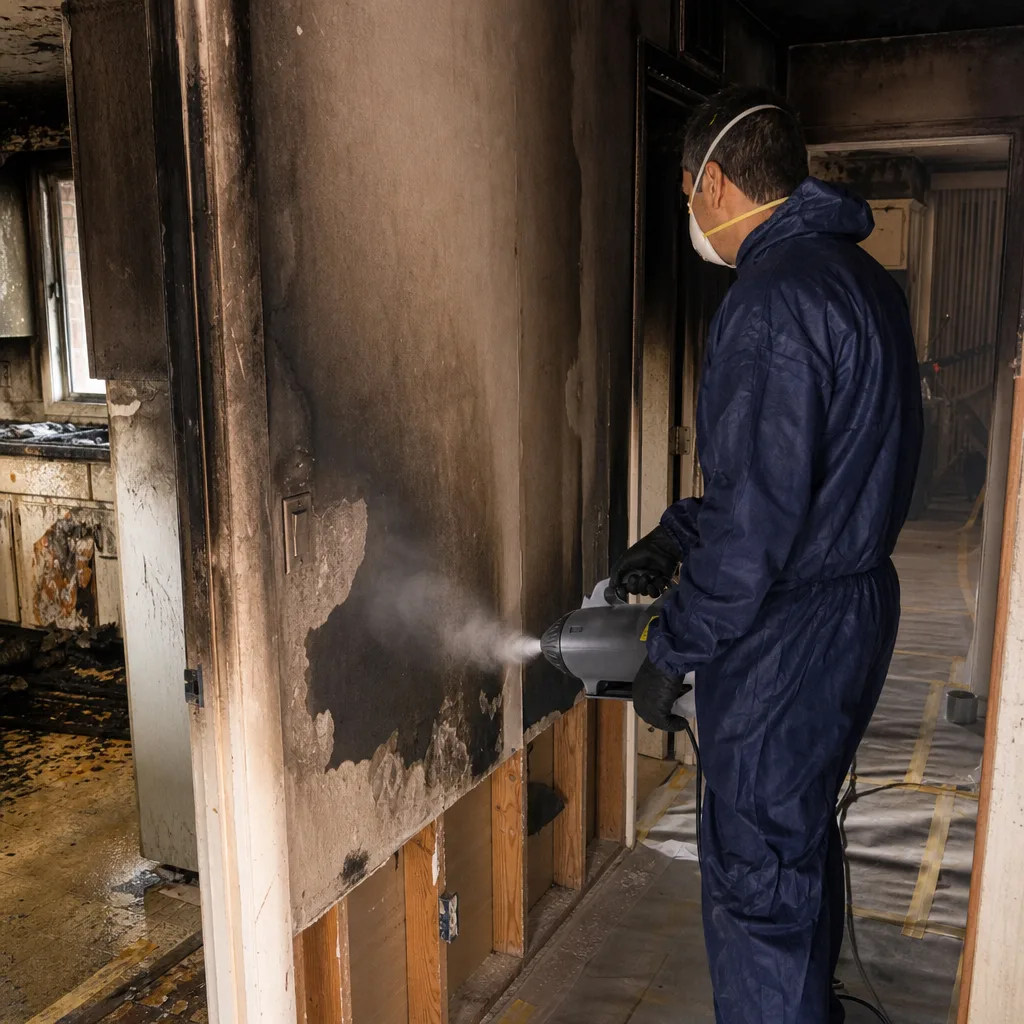
What happens when you call
- 1
A real person answersNo phone trees - you reach a local pro.
- 2
You get an upfront price rangeHonest numbers before anyone is dispatched.
- 3
A background-checked tech heads outLicensed & insured, dispatched right away.
- 4
You approve before work beginsNothing starts until you say go.
BeforeAfterTrusted Brands We Service in Fairview
We specify professional-grade drying equipment from Dri-Eaz, Phoenix, and XPOWER on every Fairview job, not because brand names impress anyone, but because adjusters recognize the output documentation these systems produce. Daily drying logs with grain depression readings, equilibrium moisture content targets, and equipment placement diagrams are standard deliverables, never upsells. When we deploy Injectidry panel systems to dry inside wall cavities without removing plaster, the documentation shows exactly where hoses were inserted and what readings were achieved. This is the equipment that turns restoration invoices into payable claims.
Common Water Damage Restoration Problems We See in Fairview Homes
- Multi-unit wicking from a single source. A burst pipe on the third floor of a three-family Anderson Avenue building sends water through shared floor-ceiling assemblies into the second and first-floor units. Drying only the source unit leaves hidden moisture in the shared framing that breeds mold within 48 hours.
- Ridge-edge basement saturation. Homes built close to the Palisades cliff face collect stormwater against the rocky substrate that flat-terrain foundations never see. Standard basement drying protocols skip sub-slab moisture mapping and miss the water that will wick back for weeks.
- Single-owner scopes on multi-owner buildings. A crew runs extraction and drying for one unit in a 1920s attached home without coordinating containment, drying logs, or billing across the affected ownerships. Insurance denies coverage for the undocumented units, and the remaining moisture damages party-wall assemblies the original scope never addressed.
- Freeze-thaw plumbing failures in galvanized lines. Fairview’s pre-1950s water supply piping fatigues through Bergen County’s winter cycles. The failure point is often concealed inside a shared wall, so the first sign is water staining on the neighbor’s ceiling - not the burst itself.
Pricing for Water Damage Restoration in Fairview, NJ
Emergency water extraction in Fairview typically runs $350-$850 for the initial extraction and moisture assessment. Structural drying and dehumidification on a standard single-family or single-unit loss runs $1,200-$3,200 for a three- to five-day drying cycle with daily logs. Burst pipe restoration with limited demolition and reconstruction runs $2,800-$6,500, but multi-unit attached homes with shared-wall migration routinely scope higher - $4,500-$9,000 - because of the additional containment, separate drying zones, and multi-carrier documentation required.
Basement water removal on ridge-edge lots with sub-slab moisture mapping adds $400-$800 to standard basement pricing. Flood cleanup involving Category 2 or 3 water, antimicrobial treatment, and disposal of contaminated materials runs $3,500-$8,500 depending on affected square footage. Every job gets a written price before work begins, Haven Standard, Clause 1. Bring a competitor’s written estimate and we’ll review it free - our Free Second Opinion policy.
What drives cost: the number of affected units in attached construction, whether sub-slab moisture mapping is required for Palisades ridge foundations, the water category (clean, gray, or black), and whether demolition is needed to access wet plaster and lath behind finished surfaces. Call (551) 213-3409 for a written estimate at no charge.
We Also Serve Cities Near Fairview
Our crews respond daily to Water Damage Restoration in Fairview and the surrounding Bergen County communities of Ridgefield, Palisades Park, Fort Lee, and Ridgefield Park. Each municipality has its own topography and housing stock, and our scopes adjust accordingly - flat-terrain basements in Ridgefield Park don’t get the same sub-slab protocol as Palisades ridge-edge homes in Fairview.
Serving Fairview, NJ - Our Local Coverage Area
We’re based in the Fairview area and know this community well. Use the map below to see our service coverage - if you’re nearby, we can almost certainly help.
FAQs - Water Damage Restoration in Fairview
Fairview’s housing stock is almost entirely attached two- and three-family masonry buildings with shared party walls and floor-ceiling assemblies constructed between the 1920s and 1950s. A single burst pipe or overflow on any floor wicks laterally through party walls and vertically through shared assemblies into neighboring units - it’s the structural reality of the borough’s built environment, not an exception. Our crews scope and document pre-loss condition for each affected ownership before extraction begins, with separate drying logs and containment per unit. Call (551) 213-3409 and we’ll walk through how multi-owner coordination works on your specific building.
Yes. Fairview sits atop the Palisades escarpment, and the steep rocky ridge forces stormwater to concentrate and surge rapidly downslope during rainfall events. On hillside-adjacent lots, even moderate rain overwhelms foundation drainage systems that would handle the same volume on flat terrain in Palisades Park or Ridgefield. Snowmelt and ice damming against the rocky substrate saturate the soil around masonry foundations in ways flat-terrain neighbors don’t experience. Our basement water removal protocol includes sub-slab moisture mapping for Fairview ridge-edge properties as standard, not optional.
Within 2-4 hours to prevent lateral migration through shared wall assemblies into the attached neighboring building. Gypsum plaster and lath, common in Fairview’s pre-1950s construction, wicks water rapidly along wall cavities, and Category 1 clean water degrades to Category 2 gray water within 24-48 hours once it contacts aging building materials. Our live phone coverage dispatches crews to Fairview within 60-90 minutes, and we bring enough equipment to establish containment on multiple units from the start. Call (551) 213-3409 for immediate dispatch.
Category 1 is clean water from a supply line - still time-critical in shared-wall construction, but the simplest to dry. Category 2 is gray water with contaminants, like the discharge from Fairview’s aging galvanized supply lines that carry sediment and microbial growth; this requires antimicrobial treatment on affected materials per IICRC protocol. Category 3 is black water from sewage backup or ground flooding, common in Palisades ridge basement infiltration events, and demands full PPE, disposal of porous materials, and documented clearance testing. The category determines demolition depth, treatment chemistry, and whether your insurance carrier will require independent verification before releasing payment - we document the classification with photos and lab criteria at the start of every job.
Yes. Bergen County’s freeze-thaw cycles stress Fairview’s aging cast-iron and galvanized plumbing, and the Palisades ridge elevation means exposed piping and foundation perimeters experience more extreme temperature swings than lower-lying areas. Ice formation against masonry foundations expands cracks that become spring water intrusion points when thaw arrives. We see a predictable surge in burst pipe calls from January through March, and in basement infiltration calls from late February through April as snowmelt concentrates against the rocky substrate. Preventive inspection of visible supply lines and foundation drainage before freeze season is the single best mitigation step a Fairview owner can take.
Written by Alicia Brennan, Owner at DryMark Restoration Hackensack, serving Fairview since 2011.