Free visual inspection and a written scope of work before any mitigation begins - photos, moisture readings, and drying logs go in your claim file
The scope we write is the scope we bill. Anything new gets shown to you, in writing, before we touch it.
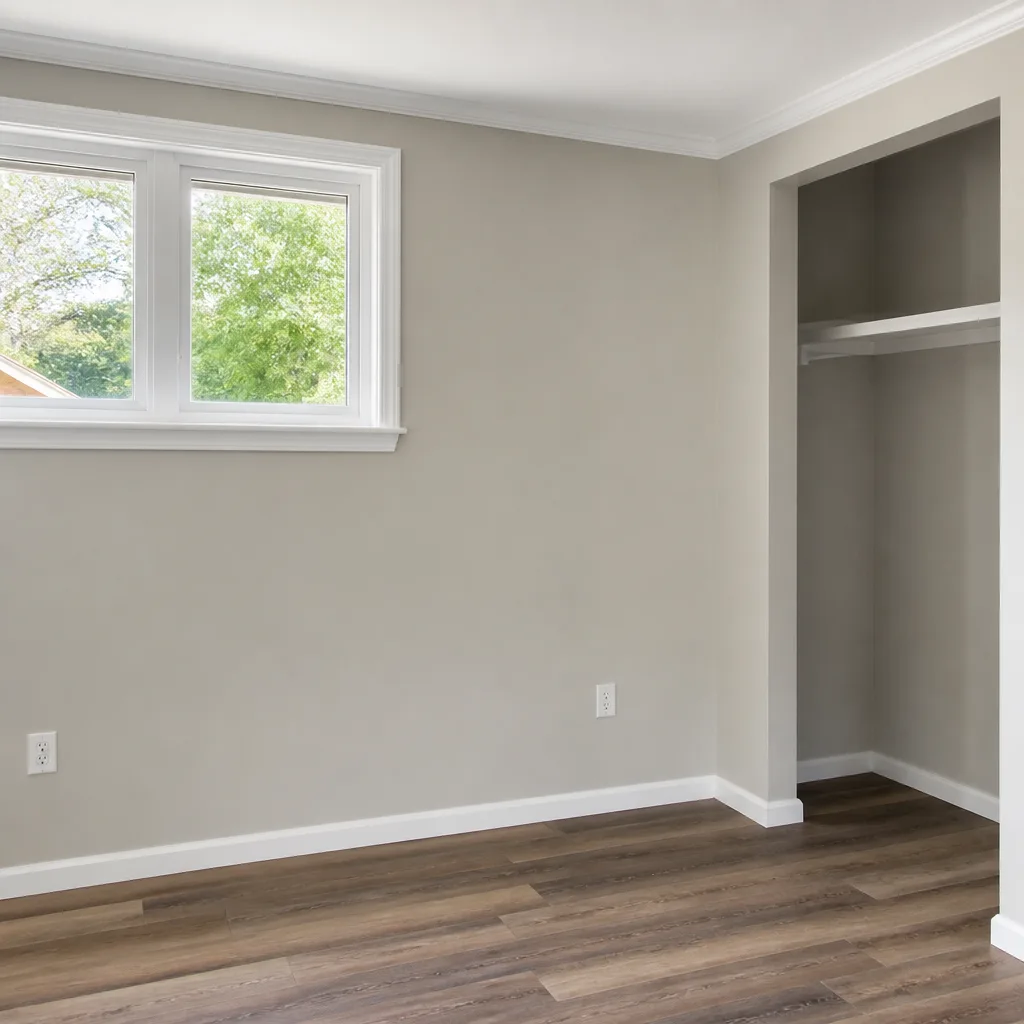
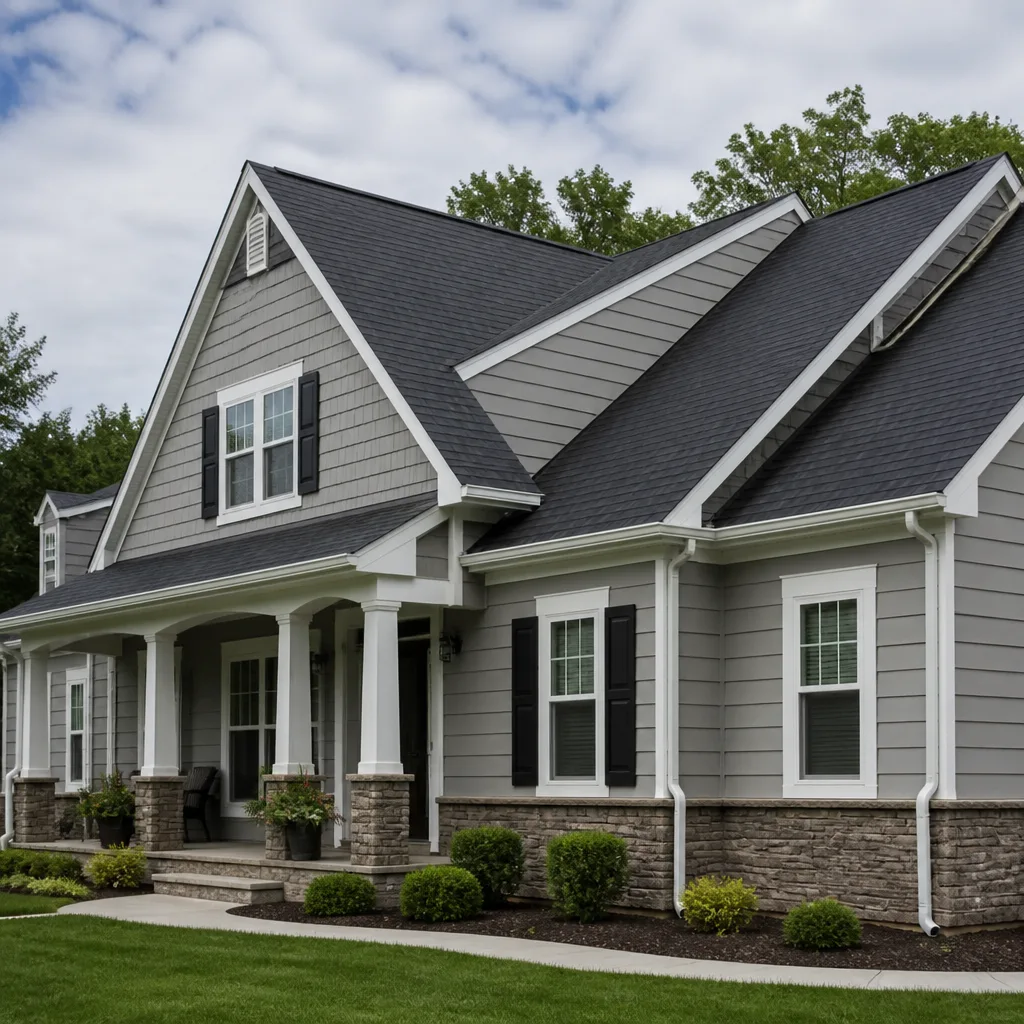
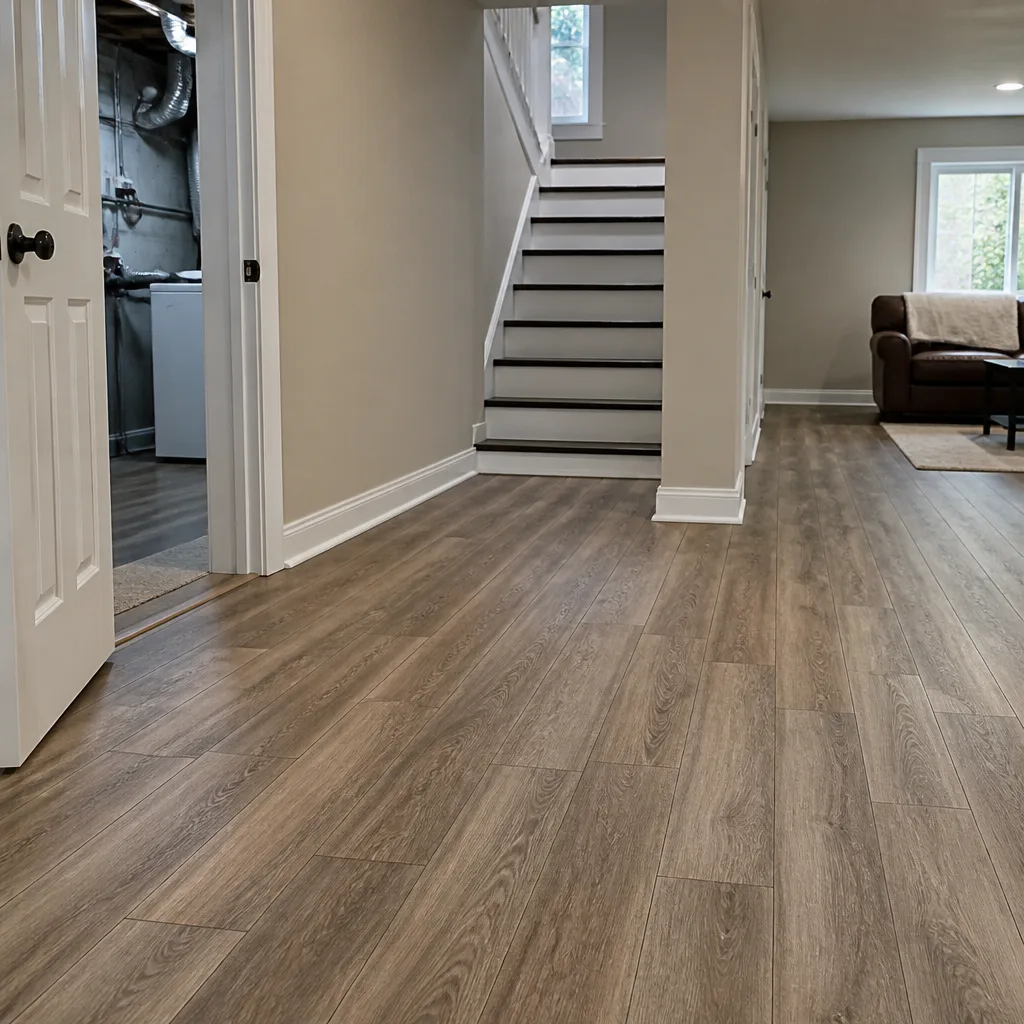
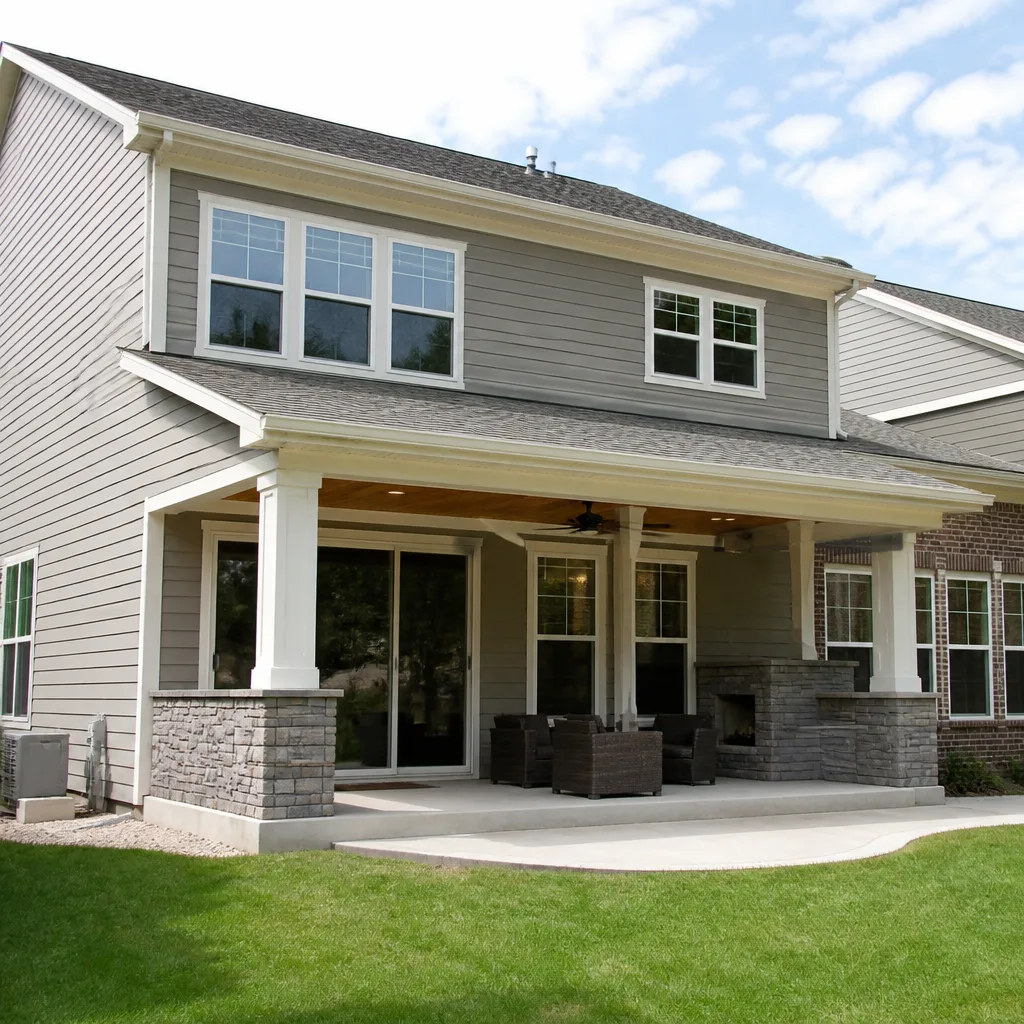
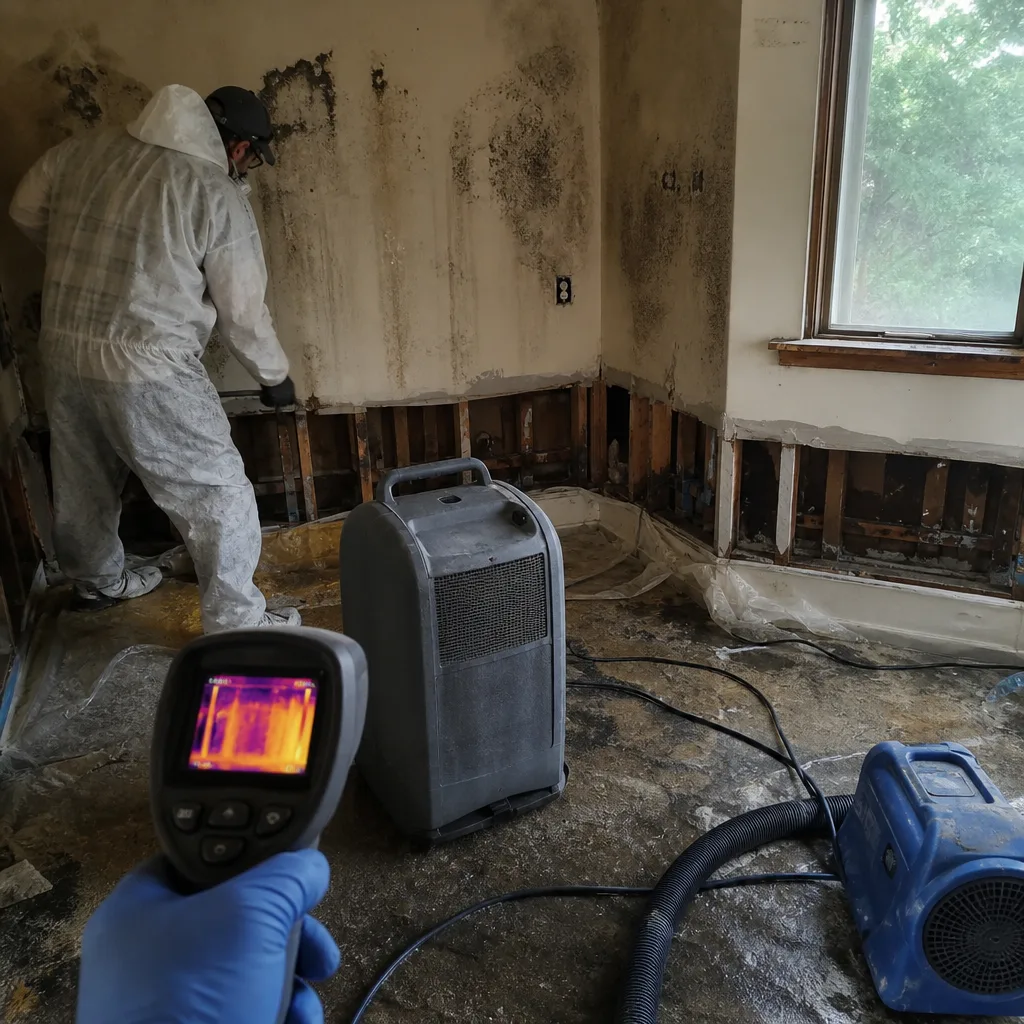 Before
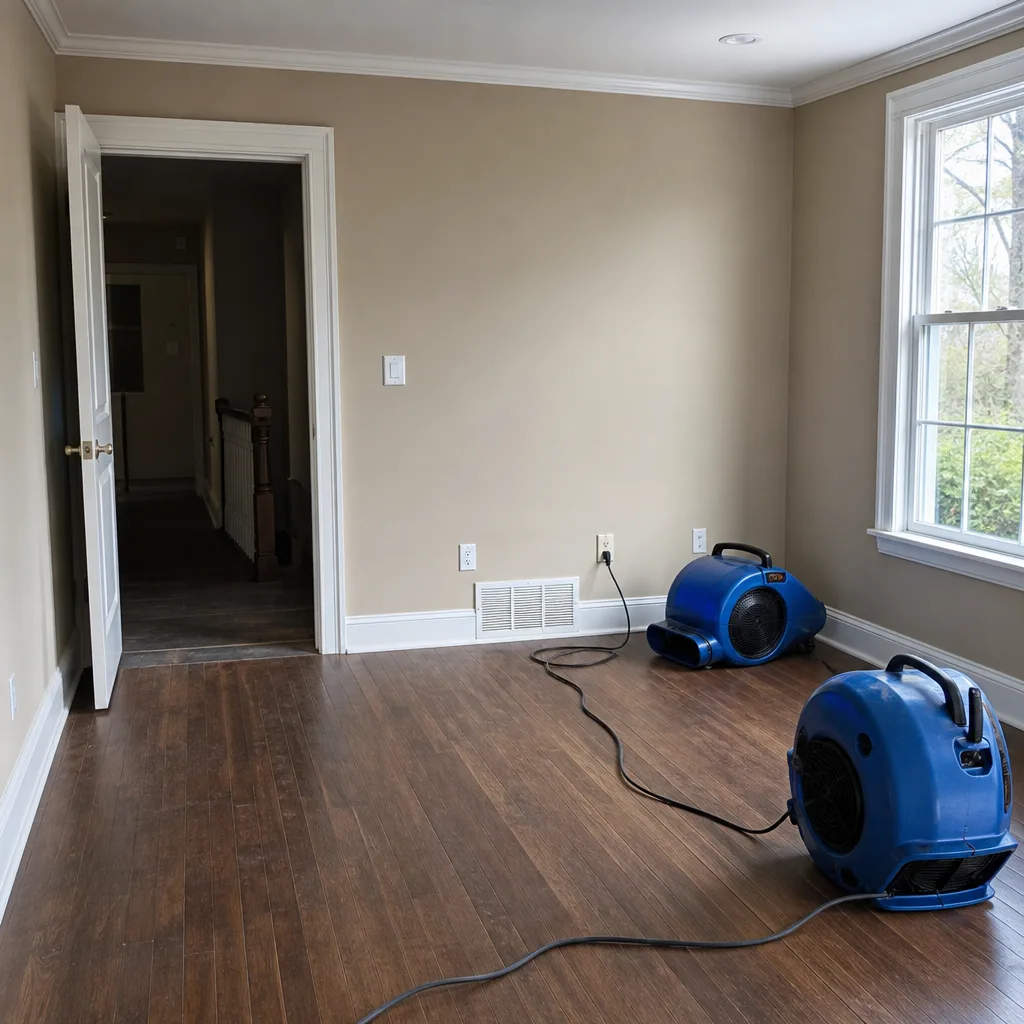 After
After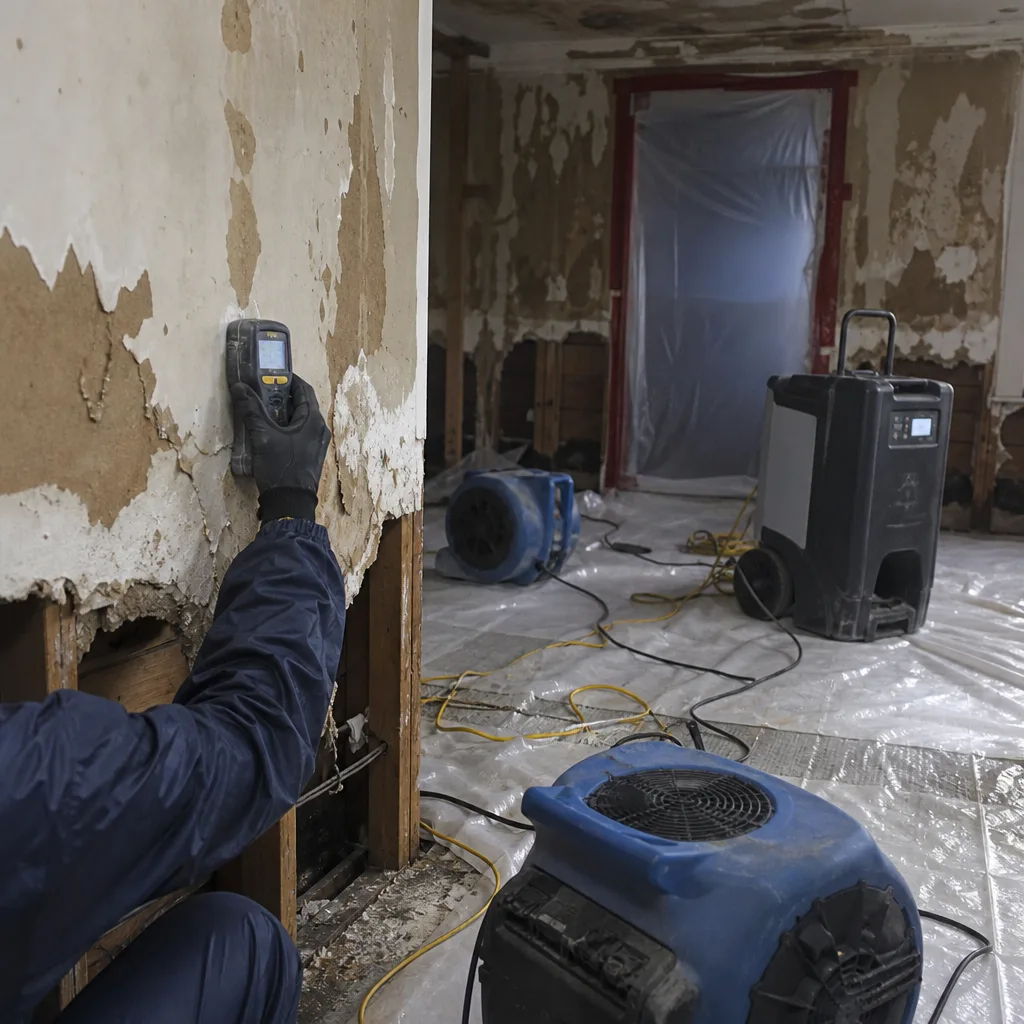 Before
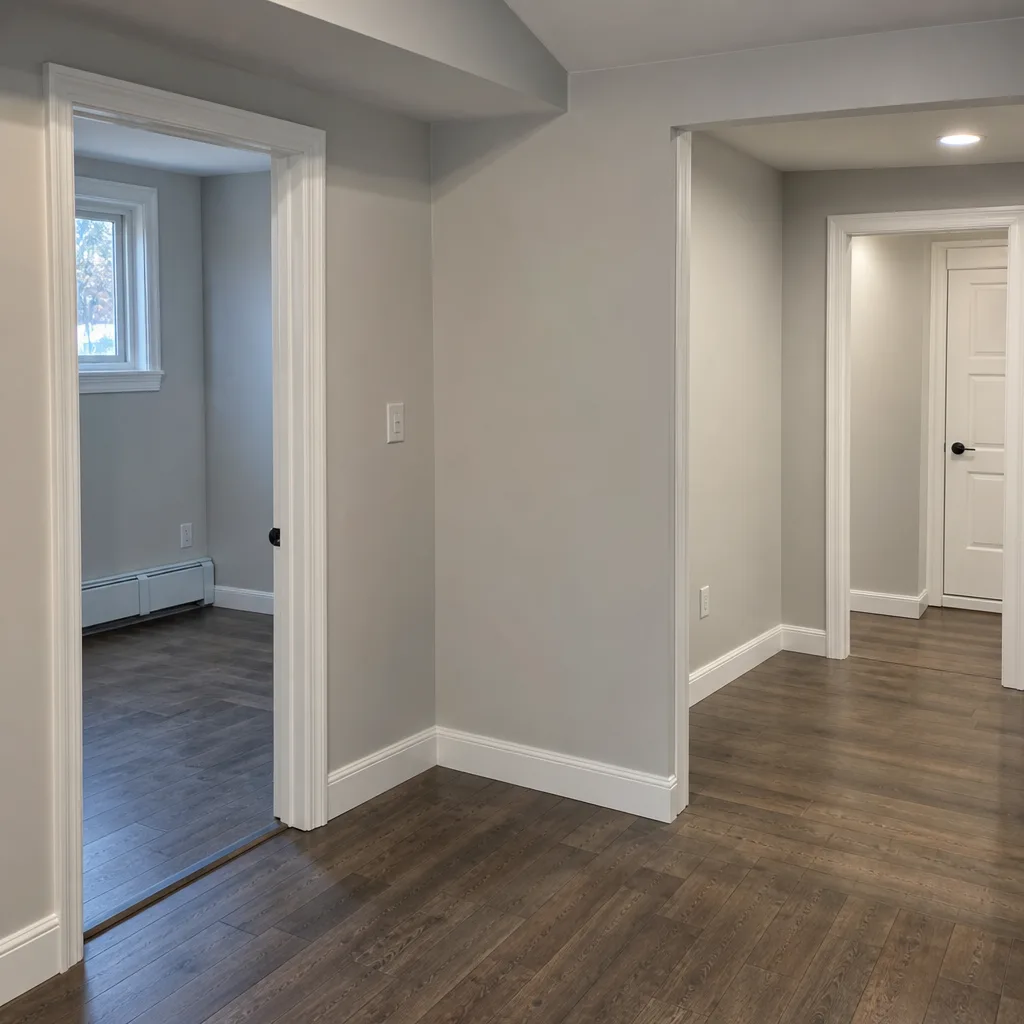 After
After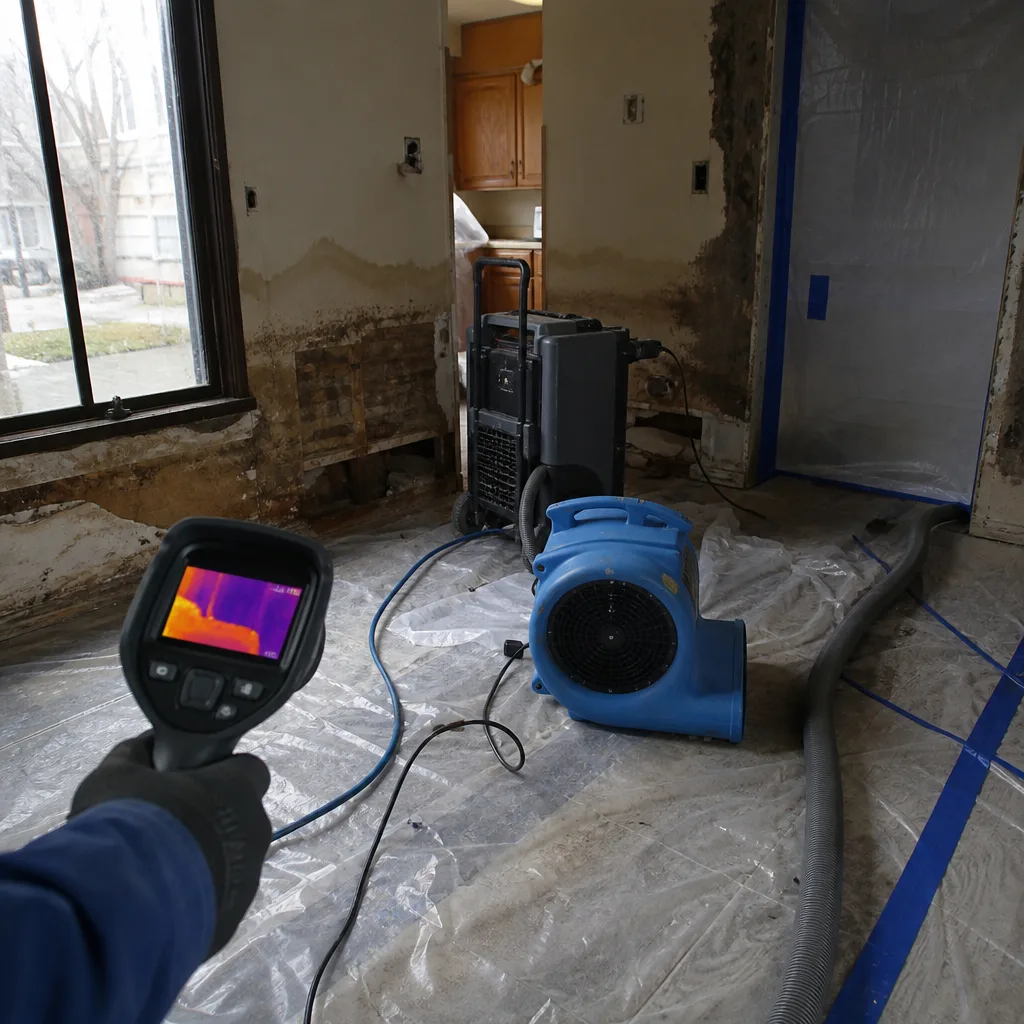 Before
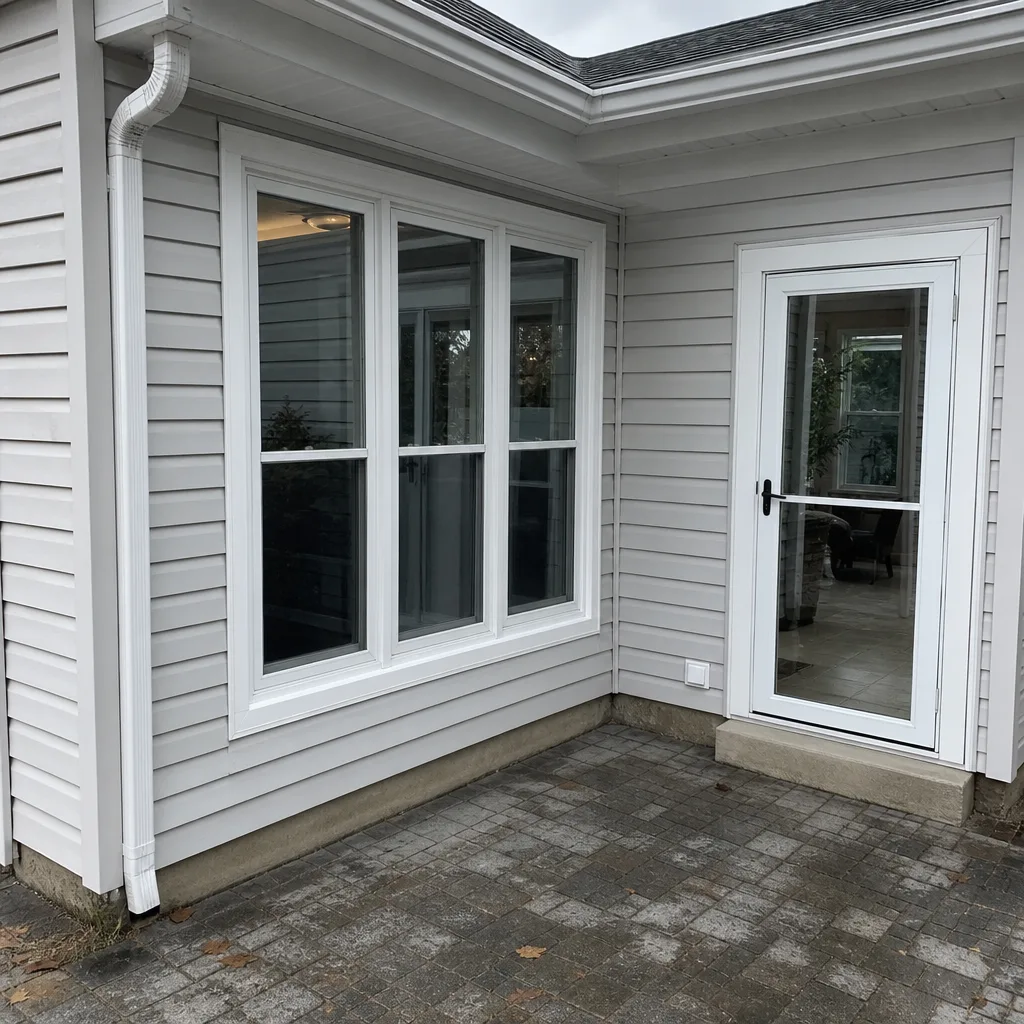 After
AfterFast, Reliable Water Damage Restoration Across Hackensack
Water damage restoration in Hackensack, NJ typically runs $2,800-$6,500 for a standard residential job, with emergency water extraction starting at $1,200 and full structural drying adding $1,600-$4,200 depending on square footage and contamination level. Most Hackensack properties need same-day response because the Hackensack River’s tidal behavior pushes contaminated floodwater into basements faster than upland Bergen County towns experience. Call (551) 213-3409 and a live person answers, 24 hours a day, 7 days a week - no voicemail while water is still moving.
We know Hackensack’s buildings. The pre-WWII brick multifamilies along River Street, the 1940s wood-frame two-families in the Fairmount neighborhood, the converted downtown commercial spaces - each carries different moisture behavior, different plumbing vulnerabilities, different documentation requirements for insurance adjusters. Our crews coordinate dispatch from our metro office and carry the moisture meters, thermal cameras, and written scopes that turn restoration invoices into payable claims.
Why DryMark Restoration Hackensack Is Hackensack’s Preferred Water Damage Restoration Company
We’ve restored properties in Hackensack since before Superstorm Sandy rewrote the local flood map in 2012, and we returned after Hurricane Ida in 2021 to many of the same addresses along the river corridor. That repeat-flood reality taught us what upland Bergen County contractors never had to learn: tidal black water demands demolition protocols, not drying shortcuts.
Our Water Damage Restoration team holds to The Haven Standard, Clause 1 - a written price before any work starts, every time, with no scope-creep additions once the crew is inside. Alicia Brennan built this company in 2011 after working as a claims adjuster and watching homeowners lose thousands to restoration invoices that lacked documentation. We’ve since restored 12,000+ homes, every one with a photo record on every visit and a 365-Day Done Right Promise stamped on the job file.
Response time to Hackensack averages 45-90 minutes for emergency calls, depending on traffic patterns along Route 46 and the Bergen Turnpike. We know which basement apartment buildings near the river will call within 24 hours of a named storm - and we pre-position equipment accordingly.
Our Water Damage Restoration Services in Hackensack
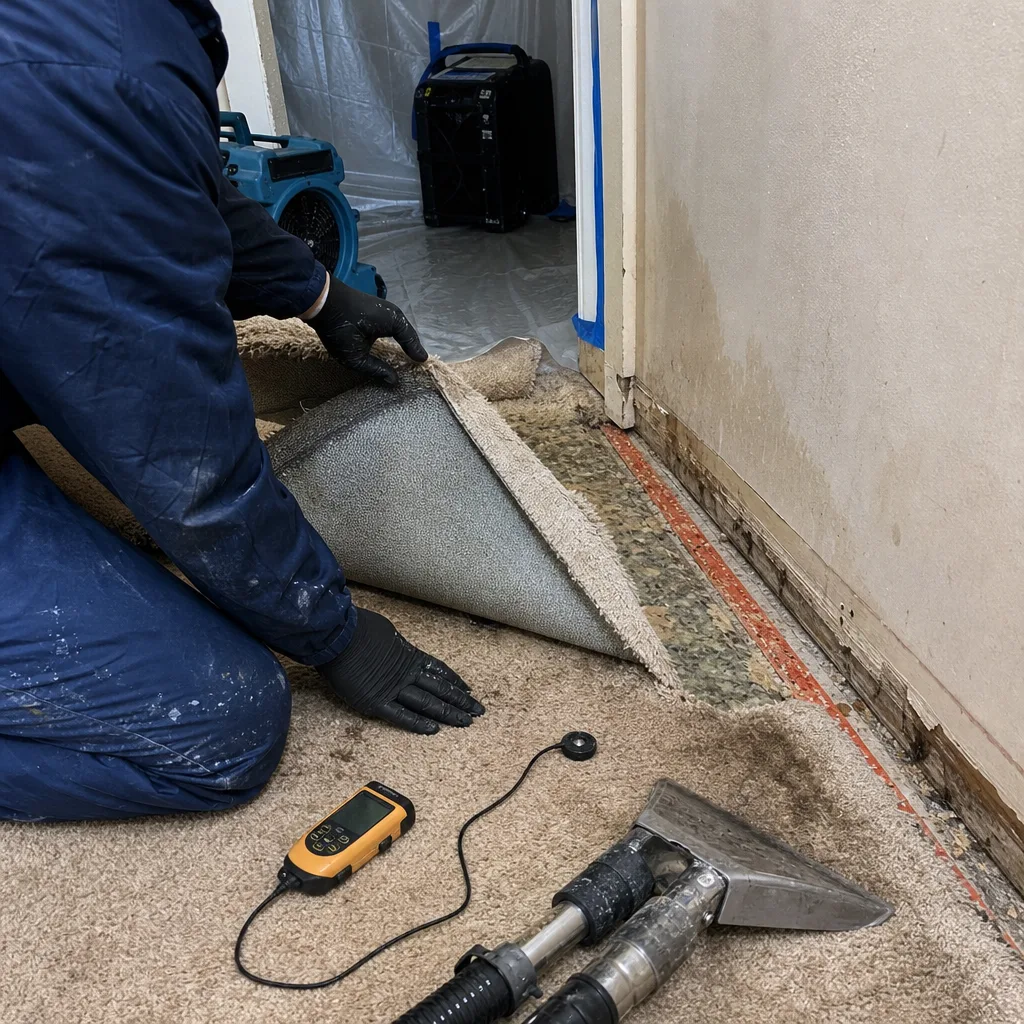
Emergency Water Extraction
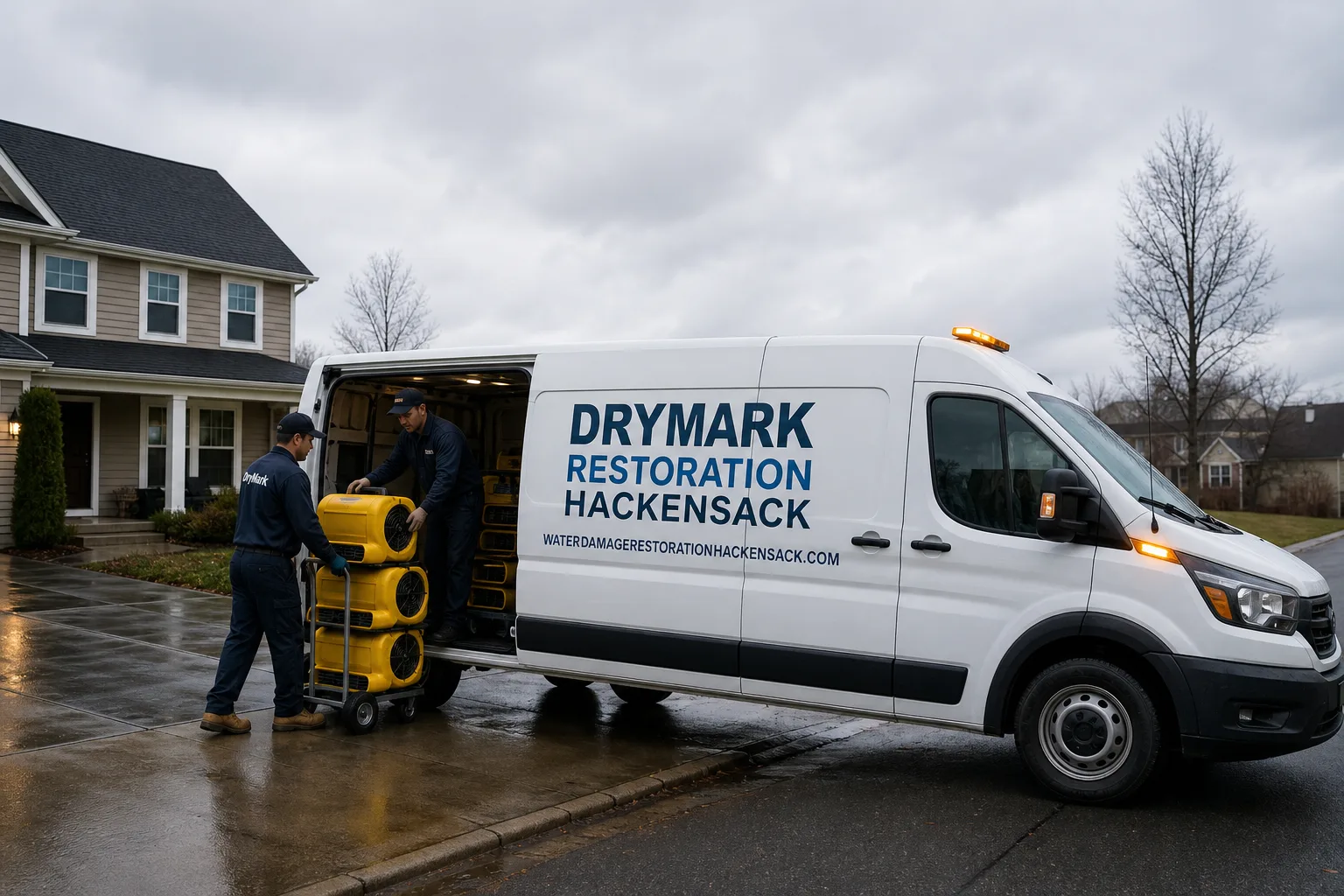
When a burst pipe or river overflow hits a Hackensack basement, standing water doesn’t wait. Our truck-mounted extraction systems - Phoenix and Dri-Eaz units rated for Category 3 black water - remove water at 25+ gallons per minute. In the dense downtown blocks and River Street corridor, where parking is tight and building access is through narrow cellar doors, we deploy portable XPOWER extractors that fit where truck mounts cannot. Every extraction is photo-documented before, during, and after, with moisture readings recorded to the drying log that your adjuster will review.
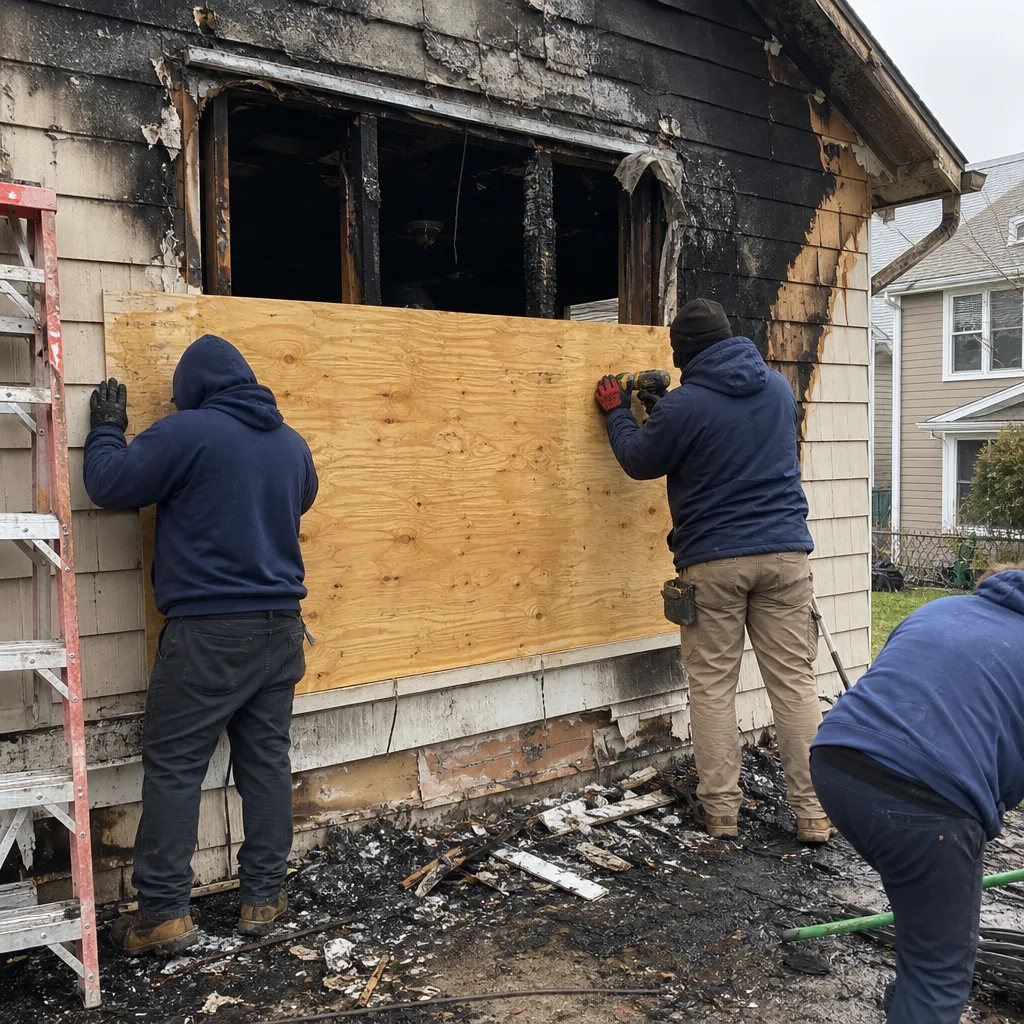
Structural Drying & Dehumidification
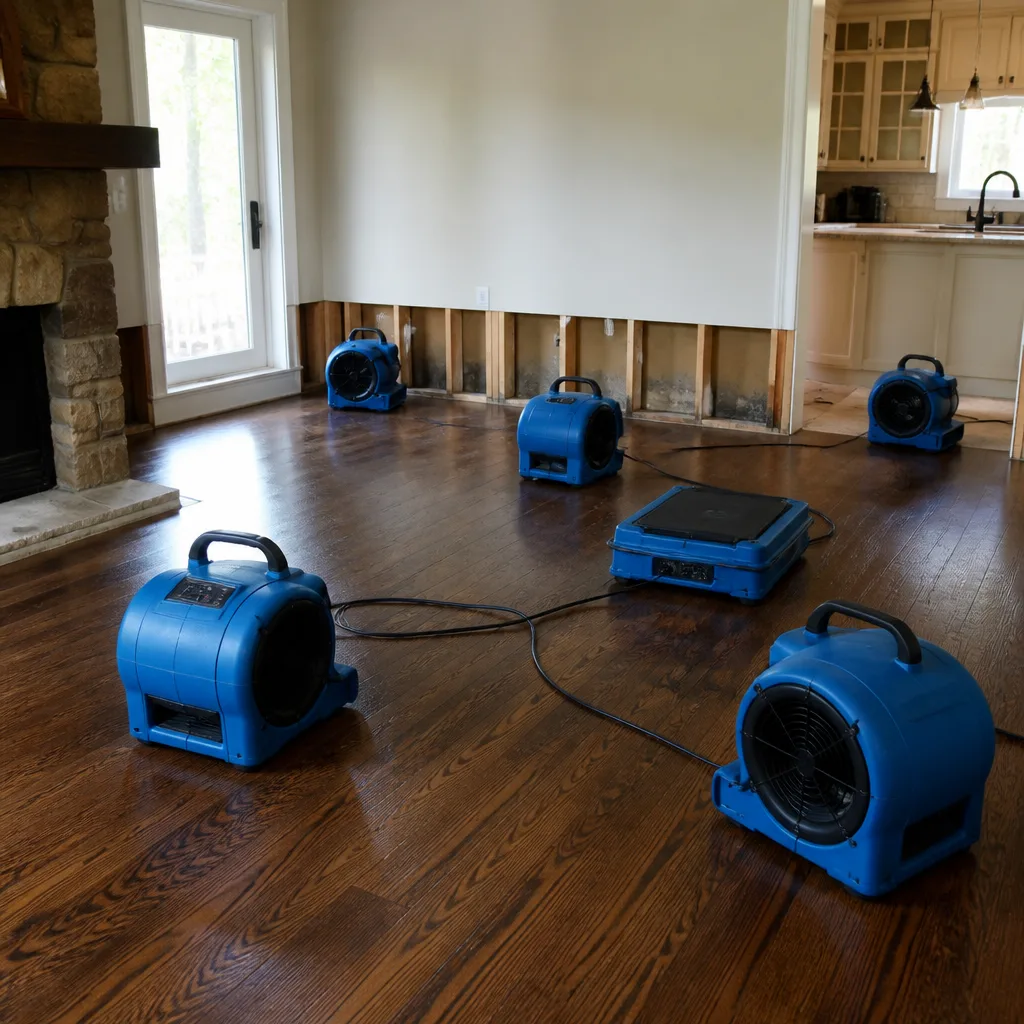
Hackensack’s housing stock fights standard drying methods. Plaster-and-lath walls in Fairmount’s 1920s colonials and downtown’s pre-war brick buildings hold moisture behind the plaster face where standard air movers never reach it. We map vapor pressure differential - the measurable force that drives moisture from wet materials into dry air - and position Injectidry systems to deliver conditioned air into wall cavities. Psychrometric data, the humidity and temperature readings that define whether a space is actually drying or just circulating wet air, gets logged every 24 hours. Tertiary drying, the final phase where hidden moisture in dense materials releases slowly, often extends Hackensack timelines 30-50% beyond modern drywall construction. We document every reading so your insurer sees why the extra days were necessary.
Flood Cleanup
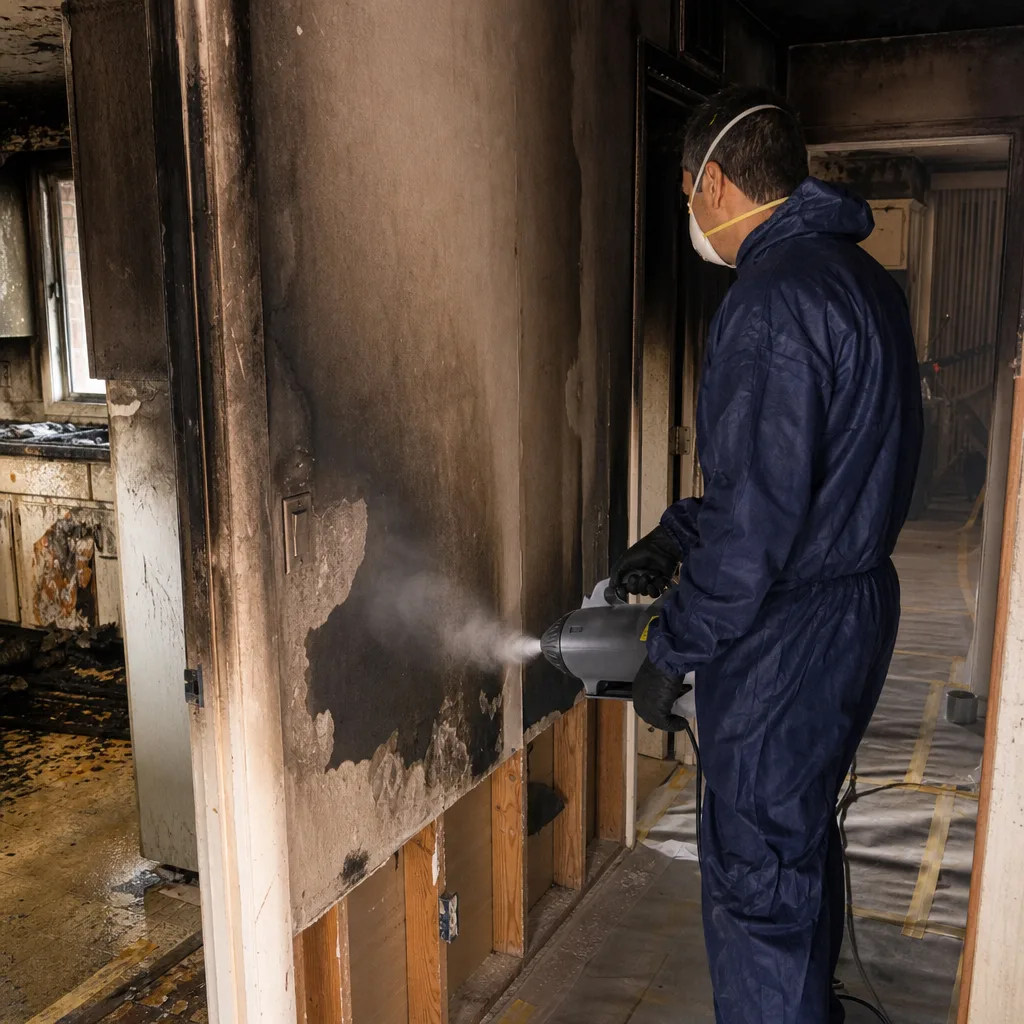
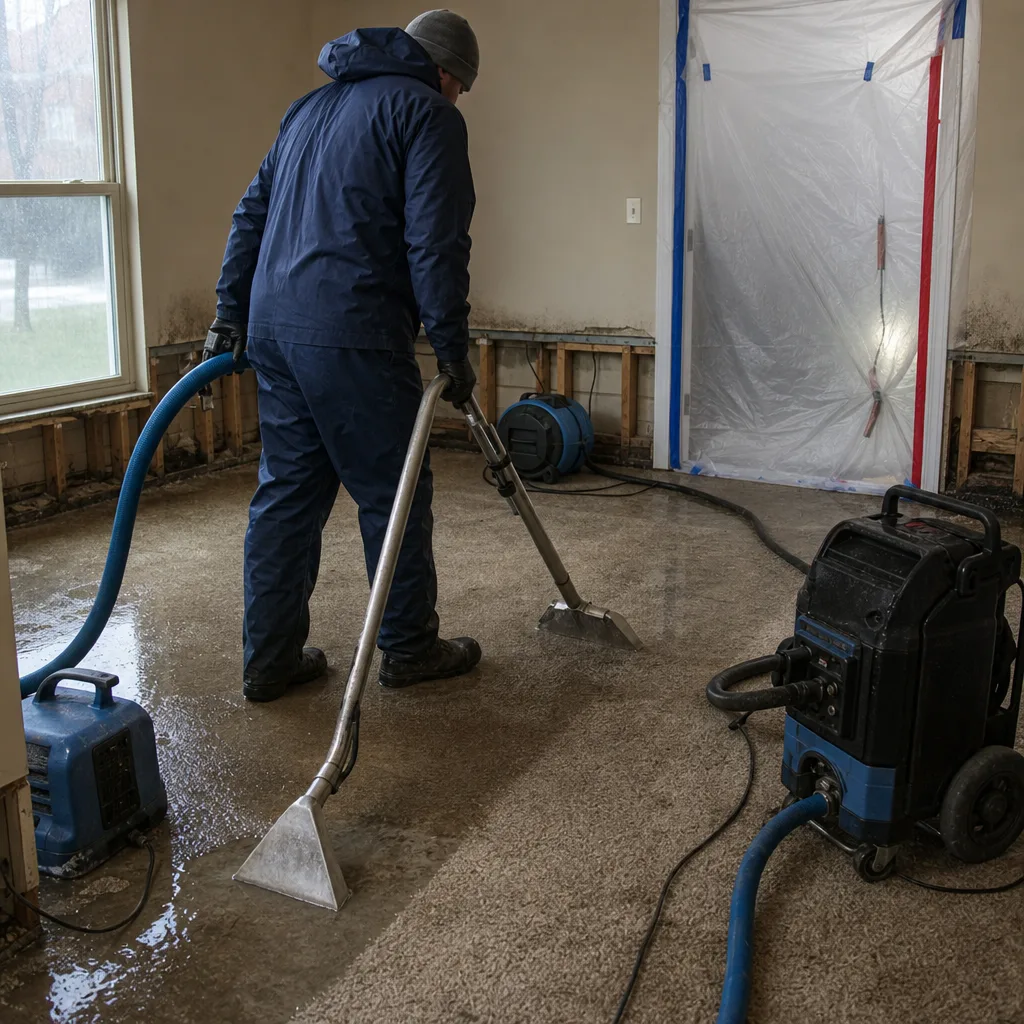
Flood cleanup in Hackensack carries a complication rare in Bergen County: the Hackensack River is tidal here. Storm surge pushes upstream, carrying a Category 3 black-water mix of sewage, industrial runoff, and saltwater into basements along River Street and the downtown core. This isn’t rainwater. It’s a contaminated tidal intrusion that triggers full decontamination protocols - antimicrobial application, controlled demolition of saturated porous materials, and air-scrubbing with HEPA filtration - rather than surface drying. After a nor’easter pushed the Hackensack River over its banks, we responded to a 1940s two-family on River Street where the basement apartment had taken on several inches of Category 3 black water. Our techs performed water extraction, set containment, applied antimicrobial treatment, and mapped moisture in the plaster-and-lath walls, which held dampness far longer than modern drywall would. Because the contamination was sewage-laden tidal water, we removed saturated material to the studs; moisture readings and drying logs confirmed the structure was dry before we closed the scope of work.
Burst Pipe Restoration
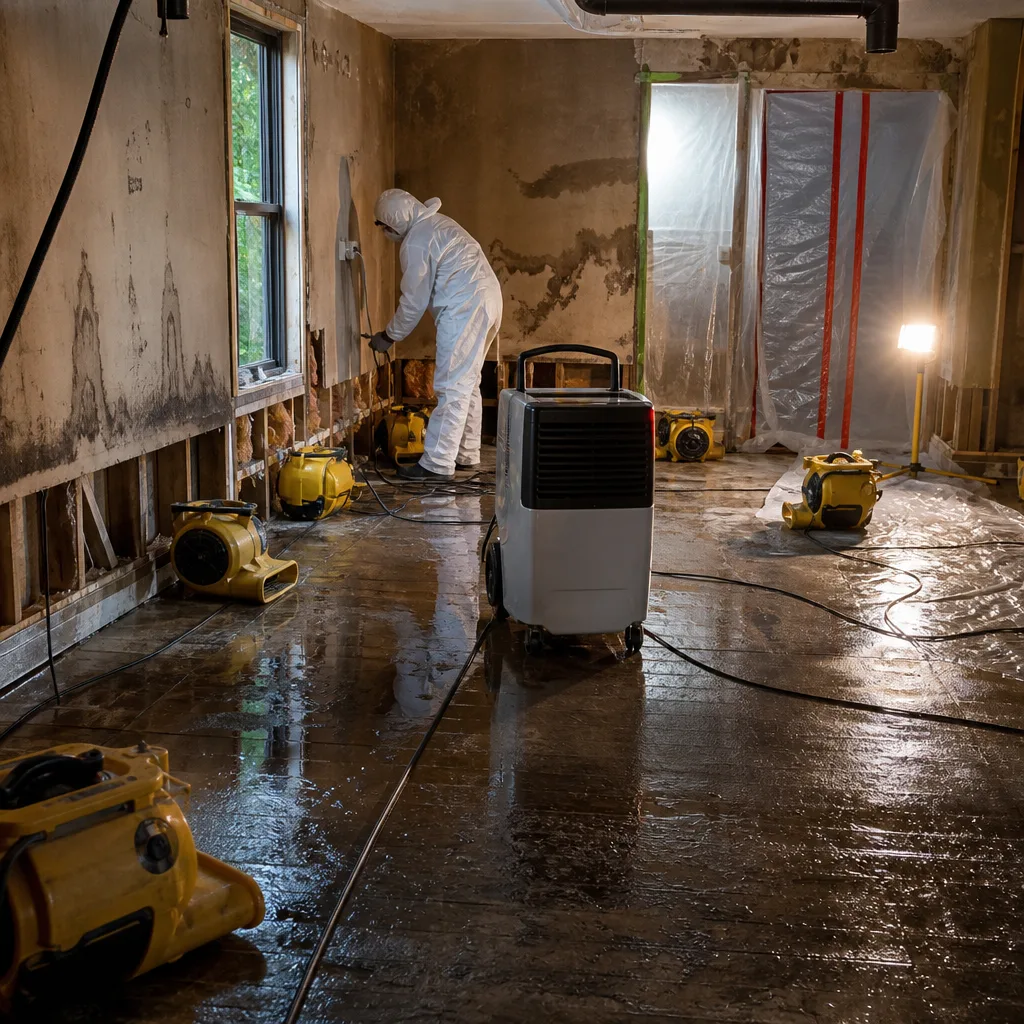
Hackensack’s aging infrastructure tells its own story. Galvanized and cast-iron plumbing in pre-WWII buildings corrodes from the inside, thinning until pressure finds a weak point - often during the first cold snap when thermal contraction stresses already-fatigued metal. We extract, dry, and document the damage, but we also photograph the failed pipe section for your adjuster because burst pipe claims often hinge on proving sudden accidental discharge versus long-term deterioration. Our written scope separates water damage restoration from plumbing repair so there’s no coverage confusion.
What happens when you call
- 1
A real person answersNo phone trees - you reach a local pro.
- 2
You get an upfront price rangeHonest numbers before anyone is dispatched.
- 3
A background-checked tech heads outLicensed & insured, dispatched right away.
- 4
You approve before work beginsNothing starts until you say go.
BeforeAfterCommon Water Damage Restoration Problems We See in Hackensack Homes
- Tidal surge misclassified as clean water. Contractors unfamiliar with Hackensack’s river dynamics treat black-water basement flooding as Category 1 or 2, attempting to dry carpet and drywall that must be removed under IICRC standards. The smell returns in weeks. The mold follows.
- Plaster-and-lath walls declared dry too early. Standard moisture meters read the plaster face at 12% and call it done; thermal imaging reveals 80%+ relative humidity behind the lath, where mold colonizes in 48-72 hours. We don’t close Hackensack scopes without cavity readings.
- Corrosion damage missed in water-damage inspections. The salt-air corridor near the tidal river accelerates rust on garage-door springs, hinges, rollers, tracks, and opener chains - hardware that fails years faster than in Paramus or Ridgewood. A proper post-flood inspection checks what the water touched and what the air corroded.
- High water table keeping basements chronically damp. Sitting in the Hackensack River valley with naturally saturated soils, many properties need ongoing dehumidification strategy, not just one-time drying. We document seasonal moisture patterns for adjusters reviewing recurring-damage claims.
Pricing for Water Damage Restoration in Hackensack, NJ
We publish ranges because Haven Standard, Clause 1 requires a written price before work starts - and that price should never surprise the homeowner who read our page.
| Service | Typical Range in Hackensack |
|---|---|
| Emergency water extraction (up to 1,000 sq ft) | $1,200 - $2,400 |
| Structural drying & dehumidification (3-5 day standard) | $1,600 - $4,200 |
| Category 3 flood cleanup with demolition | $3,500 - $8,000+ |
| Plaster-and-lath extended drying (tertiary phase) | $800 - $1,800 additional |
| Basement apartment (typical 600-900 sq ft unit) | $2,800 - $6,500 |
| Written estimate / moisture assessment | No charge |
What moves a Hackensack job toward the higher end: Category 3 contamination requiring PPE and antimicrobial protocols; plaster-and-lath construction extending drying timelines; restricted access in downtown buildings adding labor hours; and repeat-flood properties needing corrosion inspection of mechanical systems. Every estimate is itemized in writing before work begins. Bring a competitor’s written quote and we’ll provide a Free Second Opinion at no charge.
We Also Serve Cities Near Hackensack
Our crews respond throughout southern Bergen County from the same metro deployment. We regularly handle Water Damage Restoration in Hackensack and surrounding communities including Bogota, Lodi, Hasbrouck Heights, and Ridgefield Park. Each shares Hackensack’s river-valley geography to varying degrees, though none face the same tidal backflow risk that defines downtown Hackensack’s flood pattern.
Serving Hackensack, NJ - Our Local Coverage Area
We’re based in the Hackensack area and know this community well. Use the map below to see our service coverage - if you’re nearby, we can almost certainly help.
FAQs - Water Damage Restoration in Hackensack
Because the Hackensack River is tidal at this point, storm surge pushes contaminated black water - sewage, industrial runoff, and saltwater - into low-lying basements. Under IICRC standards, Category 3 water saturates porous materials like drywall, carpet, and insulation so thoroughly that antimicrobial treatment alone is insufficient; removal is required to eliminate contamination and prevent long-term microbial growth. If your basement took river water, not rainwater, the scope will likely include controlled demolition to the studs. Call (551) 213-3409 for a written assessment - estimates are free.
Mold colonization begins 48-72 hours after water intrusion in most building materials, but plaster-and-lath walls in Hackensack’s pre-WWII housing stock create a hidden reservoir where moisture remains active behind the plaster face for days or weeks after the surface feels dry. We’ve mapped Fairmount neighborhood properties where cavity humidity stayed above 80% for 11 days while surface readings appeared normal. Early moisture mapping with thermal imaging and cavity probes prevents the delayed mold bloom that ruins restoration claims. Call (551) 213-3409 - we document every reading.
Category 1 is clean water from a broken supply line; Category 2 is gray water with mild contamination from washing machines or sump overflows; Category 3 is black water containing sewage, chemicals, or toxic pathogens. For Hackensack properties near the tidal river, storm-driven basement flooding is almost always Category 3 because the surge carries sewage-contaminated tidal mix. This classification determines everything: PPE requirements, demolition versus drying protocols, antimicrobial application, and whether your insurer covers the full scope. We classify and document water type on arrival so your claim file is defensible from hour one.
The salt-air corridor along the tidal Hackensack River accelerates galvanic corrosion on steel hardware by introducing chloride ions that break down protective coatings. Springs, hinges, rollers, tracks, and opener chains in river-proximate properties show rust years before identical hardware fails in upland Bergen towns. After any water damage event, we inspect garage-door systems for corrosion that standard drying scopes miss - because a spring that snaps six months post-flood becomes a safety hazard and a secondary claim your insurer may dispute. Our documentation includes mechanical condition photos.
We use three documented methods: thermal imaging to locate trapped moisture behind finishes, moisture probes driven through plaster to read cavity conditions, and daily psychrometric logging to verify that vapor pressure differential is actively pulling moisture from materials into the air. In Hackensack’s dense pre-war construction, standard air movers and dehumidifiers alone won’t reach moisture locked in plaster-and-lath walls or behind brick veneer. Injectidry systems deliver conditioned air into wall cavities, and we don’t close a scope until cavity readings match established drying goals for the material class. The complete photo record and drying log go to your adjuster with the final invoice.
Call (551) 213-3409 now. A live person answers, 24 hours a day, 7 days a week. We’ll send a written price before any work starts, document every visit with photos, and stand behind the result with our 365-Day Done Right Promise under The Haven Standard.
Written by Alicia Brennan, Owner at Back to Dry Restoration, serving Hackensack since 2011.
Water Damage Restoration in Nearby Areas