
Free visual inspection and a written scope of work before any mitigation begins - photos, moisture readings, and drying logs go in your claim file
The scope we write is the scope we bill. Anything new gets shown to you, in writing, before we touch it.
 Before
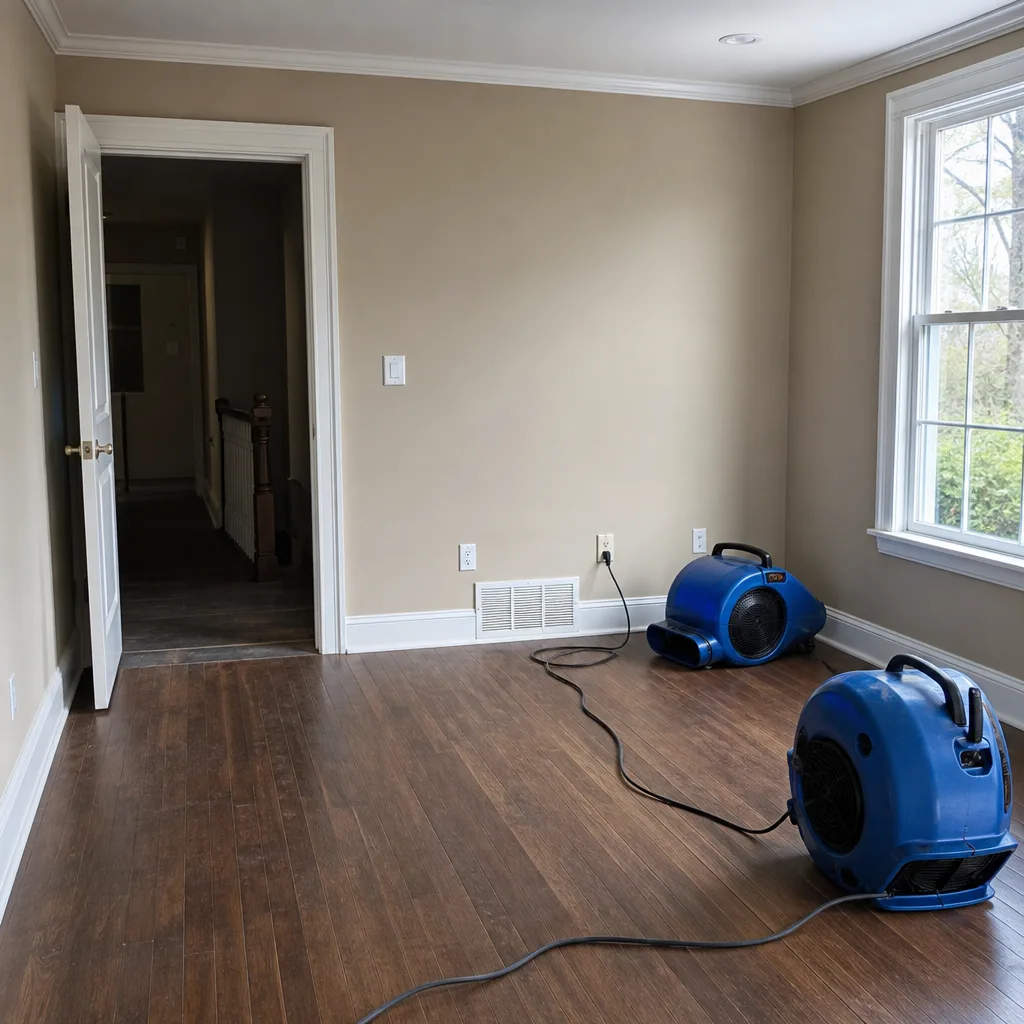 After
After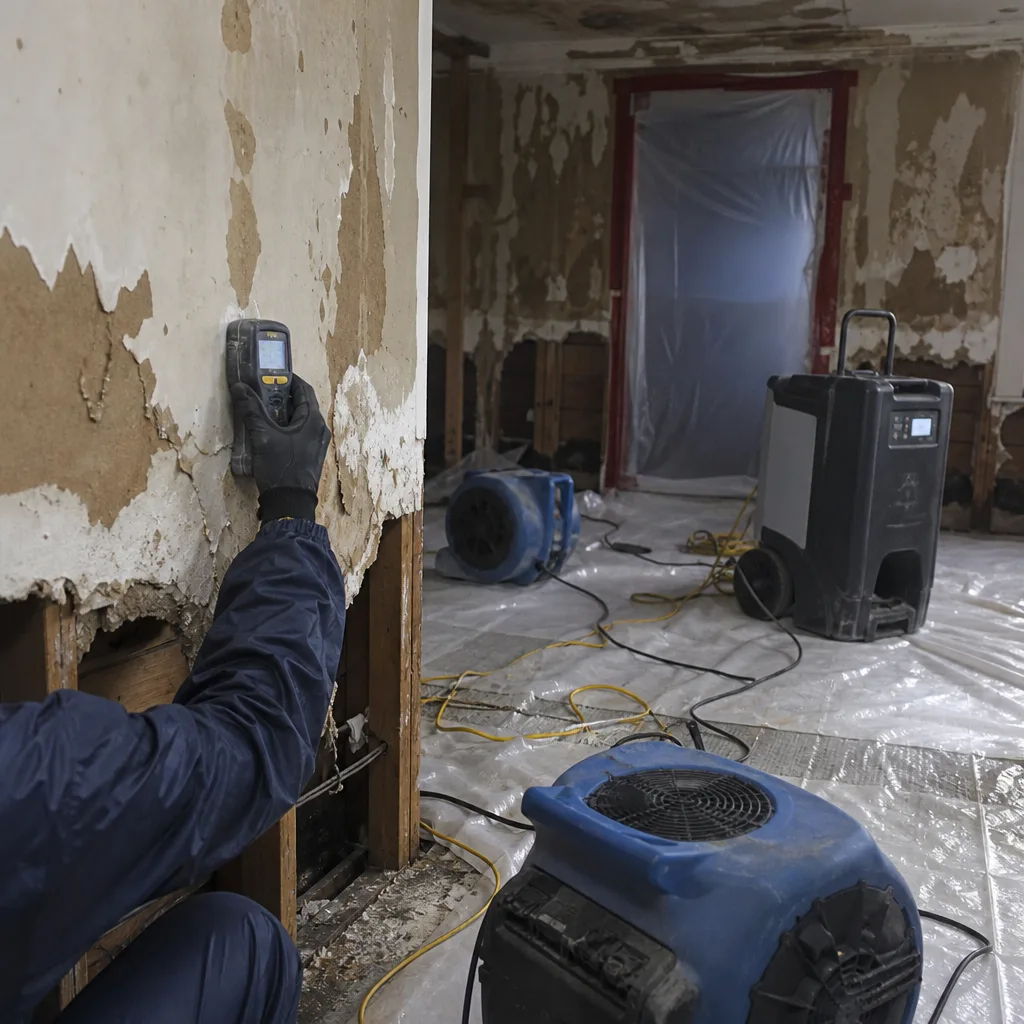 Before
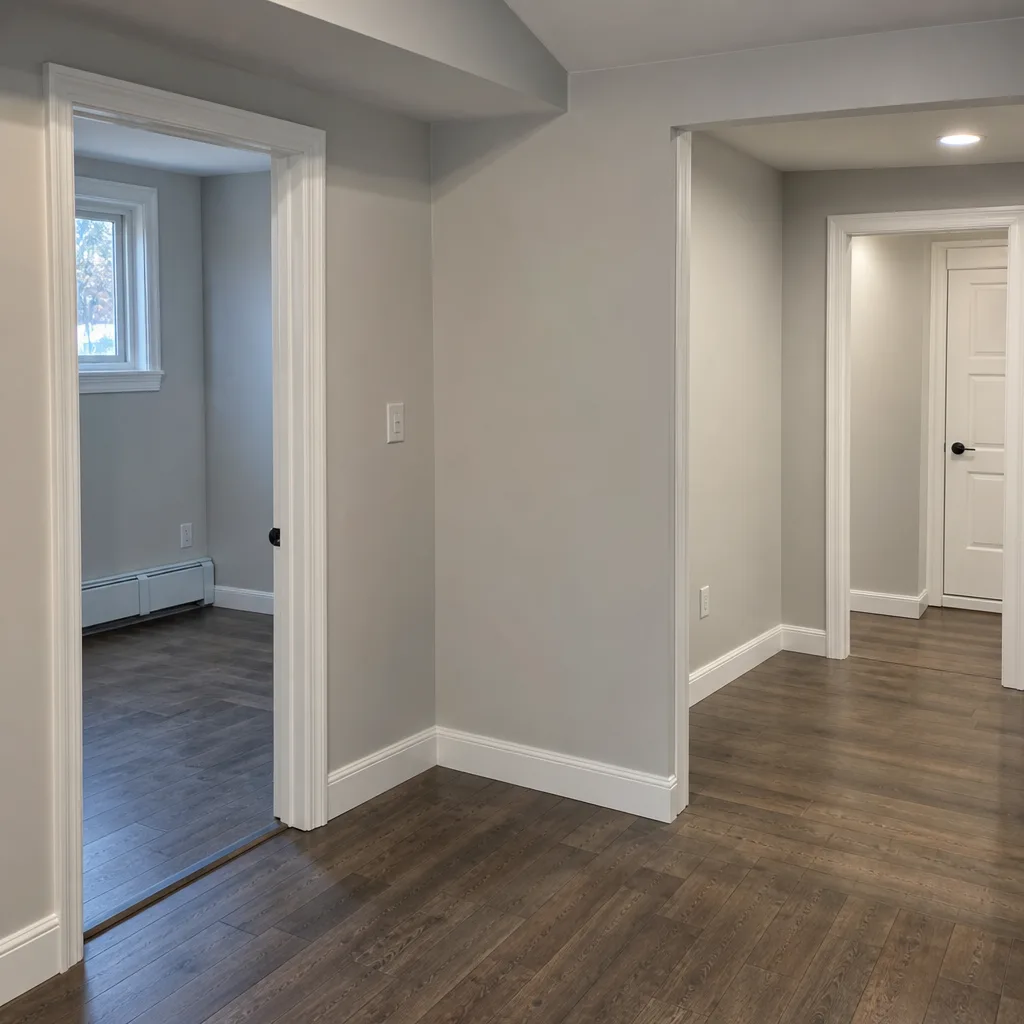 After
After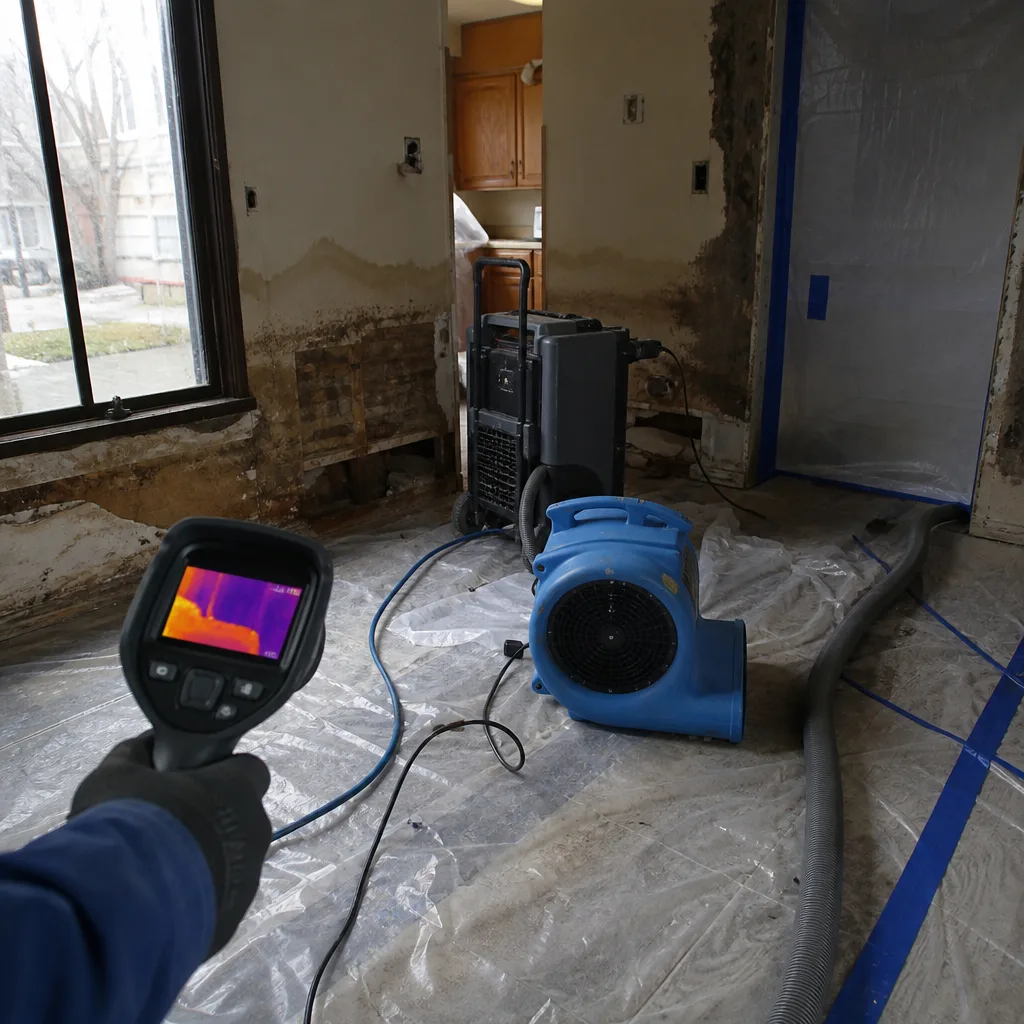 Before
 After
AfterFast, Reliable Water Damage Restoration Across Little Ferry
Water damage restoration in Little Ferry, NJ typically runs $2,800-$7,500 for a standard residential flood event, with emergency water extraction available within 60-90 minutes and structural drying completed in 3-5 days depending on material saturation and local soil conditions. Our crews coordinate dispatch from our New York City office and arrive equipped with Dri-Eaz and Phoenix drying systems, Injectidry mats, and the documentation tools that turn restoration invoices into payable insurance claims. Call (551) 213-3409 now - estimates are free, and a written price is delivered before any work begins, every time, under Haven Standard, Clause 1.
Little Ferry sits at virtual sea level where the Hackensack River meets Overpeck Creek, making it one of New Jersey’s most flood-vulnerable municipalities. We’ve restored homes here since 2011, and we know the borough’s split housing stock - original 1940s-1960s ranches on slab foundations and post-Sandy elevated homes on pier foundations - demands two fundamentally different approaches to water damage restoration. The clay-heavy Meadowlands soil holds moisture long after floodwaters recede, and the FEMA Special Flood Hazard Area designations covering much of Little Ferry mean documentation standards here are stricter than in neighboring Bergen County towns.
Why DryMark Restoration Hackensack Is Little Ferry’s Preferred Water Damage Restoration Company
Our reputation in Little Ferry was built on jobs where documentation made the difference between a paid claim and a denied one. We’ve restored more than 12,000 homes since 2011, every one with a written price before work started and a photo record on every visit. In Little Ferry specifically, that means crews who understand post-Sandy FEMA “substantial damage” compliance requirements and know how to document moisture readings that satisfy both adjusters and borough inspectors.
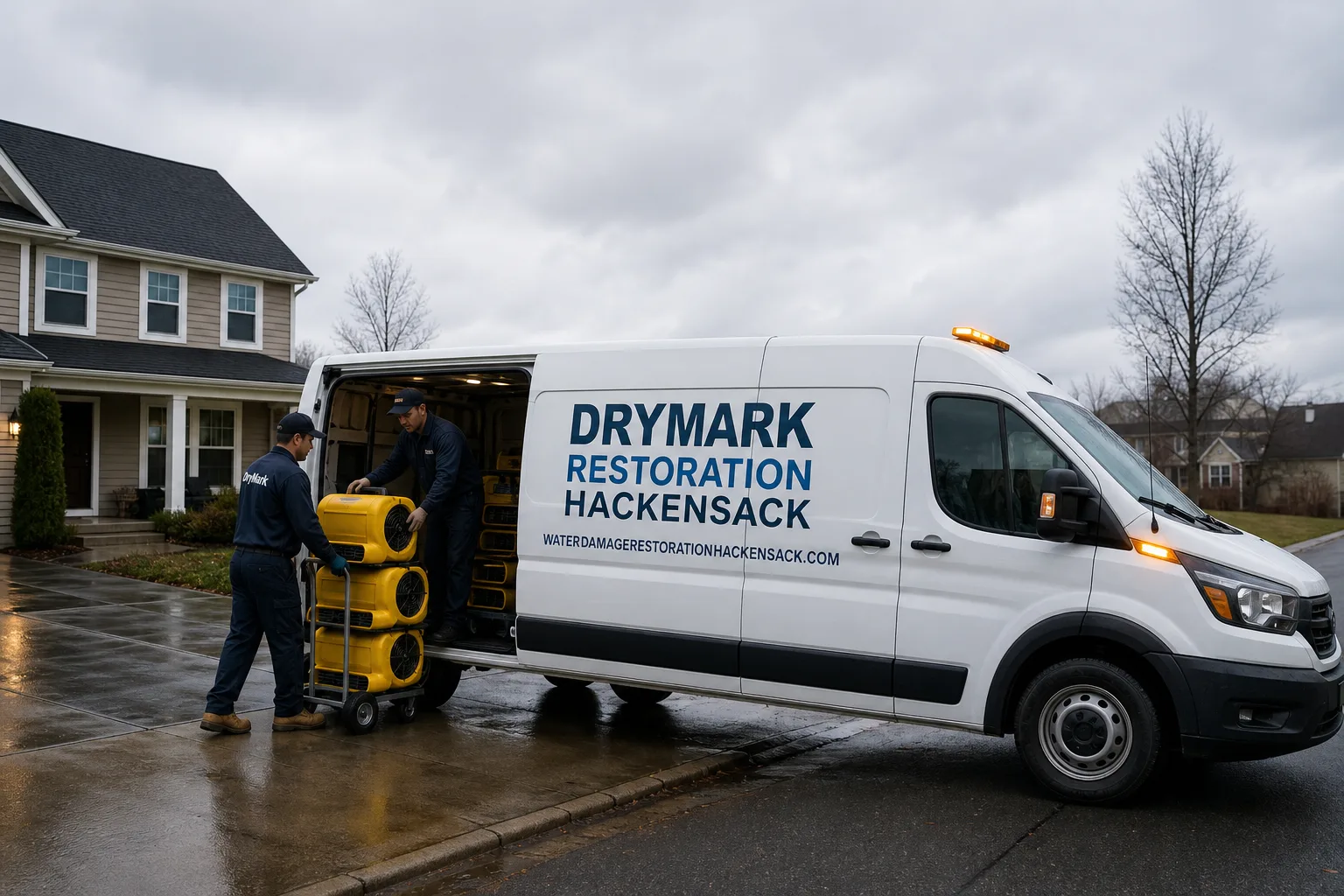
Response time to Little Ferry averages under 90 minutes for emergency calls, with live phone coverage 24 hours a day, 7 days a week - no voicemail trees, no next-business-day callbacks while water is still moving through your walls. Our Water Damage Restoration team includes background-checked, uniformed technicians who arrive with license numbers visible and equipment from Dri-Eaz, Phoenix, and XPOWER already loaded.
We know the local roads - Vreeland Avenue, Liberty Street, the low-lying blocks near the Hackensack River - and we know which homes were elevated after Sandy, which still sit on original slabs, and why that distinction changes everything about how we dry your structure. That local knowledge saves hours on every job.
Our Water Damage Restoration Services in Little Ferry
Emergency Water Extraction
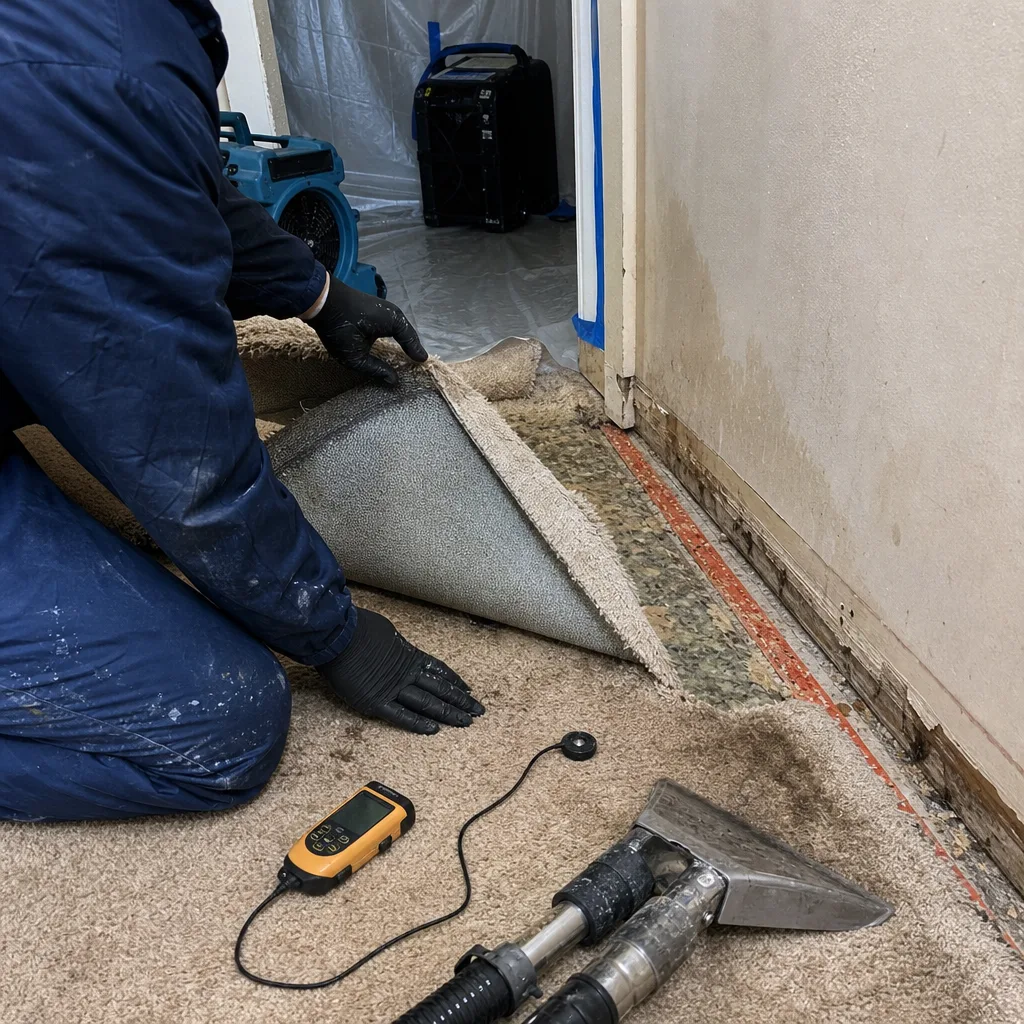
When Overpeck Creek breaches its banks or a nor’easter pushes surge through Little Ferry’s streets, standing water needs to move fast. Our emergency water extraction crews arrive with truck-mounted extraction units and portable submersible pumps sized for everything from inch-deep sheet flooding to basement submersion. In Little Ferry’s original 1940s-1960s slab and crawl-space homes, we often encounter category 3 floodwater contaminated by river silt and sewage backflow - extraction here requires antimicrobial treatment and controlled demolition of saturated drywall, not just pumping and hoping. For post-Sandy elevated homes, we extract from both the living space and the open undercarriage where wind-driven rain pools around repositioned HVAC equipment.
Structural Drying & Dehumidification
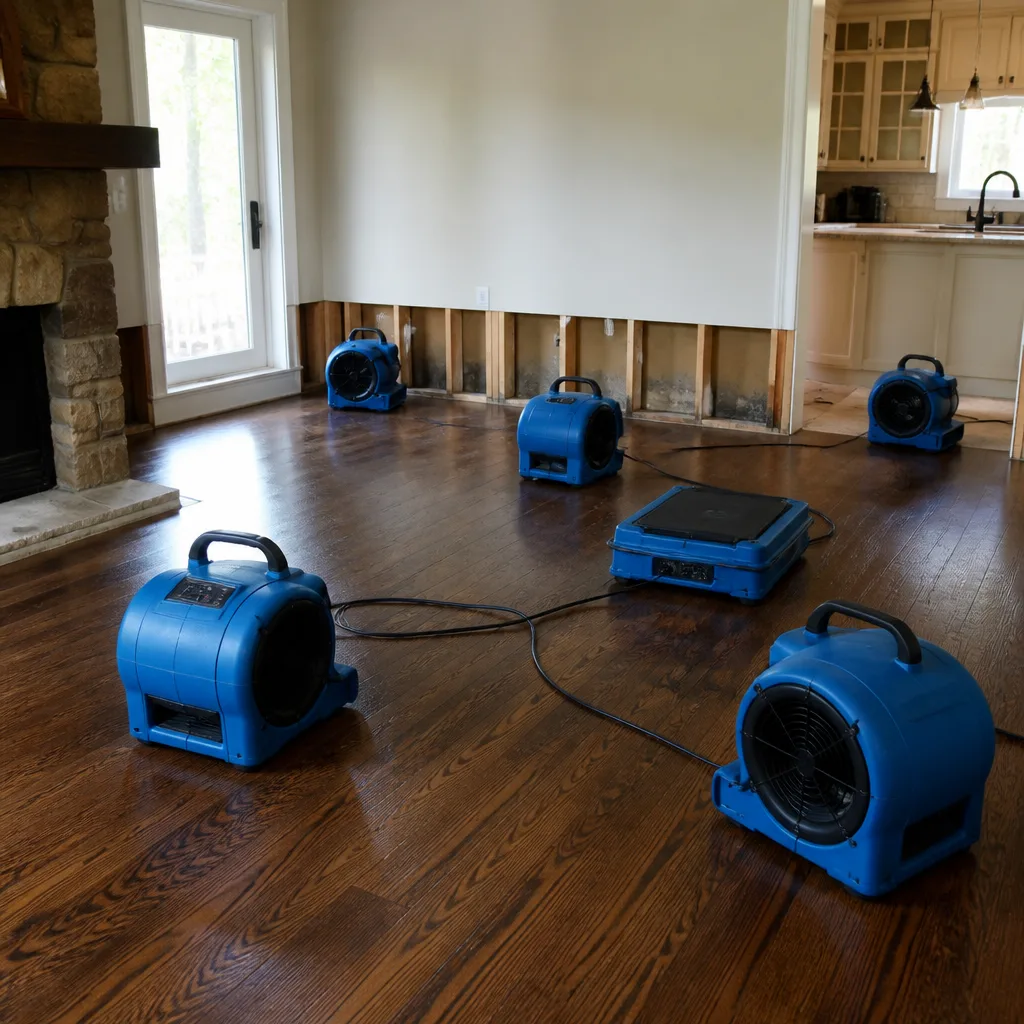
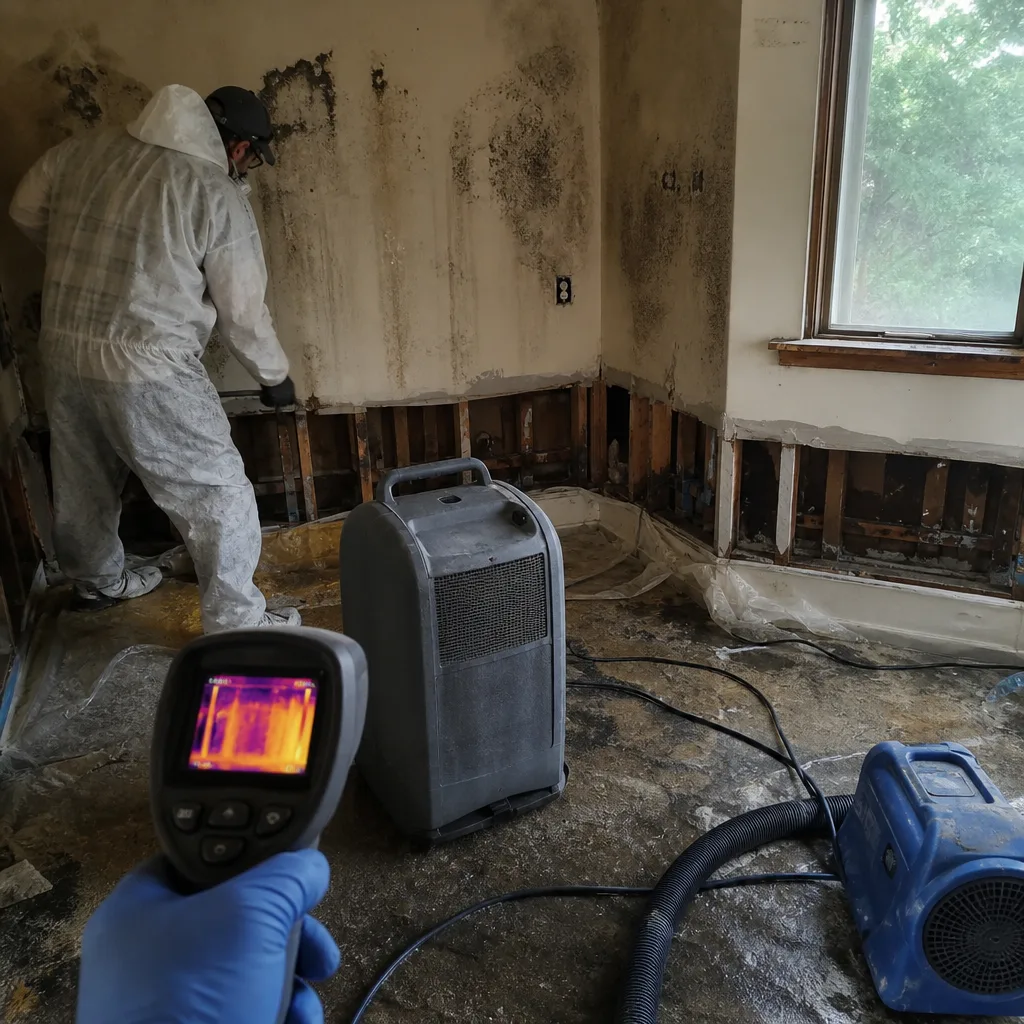
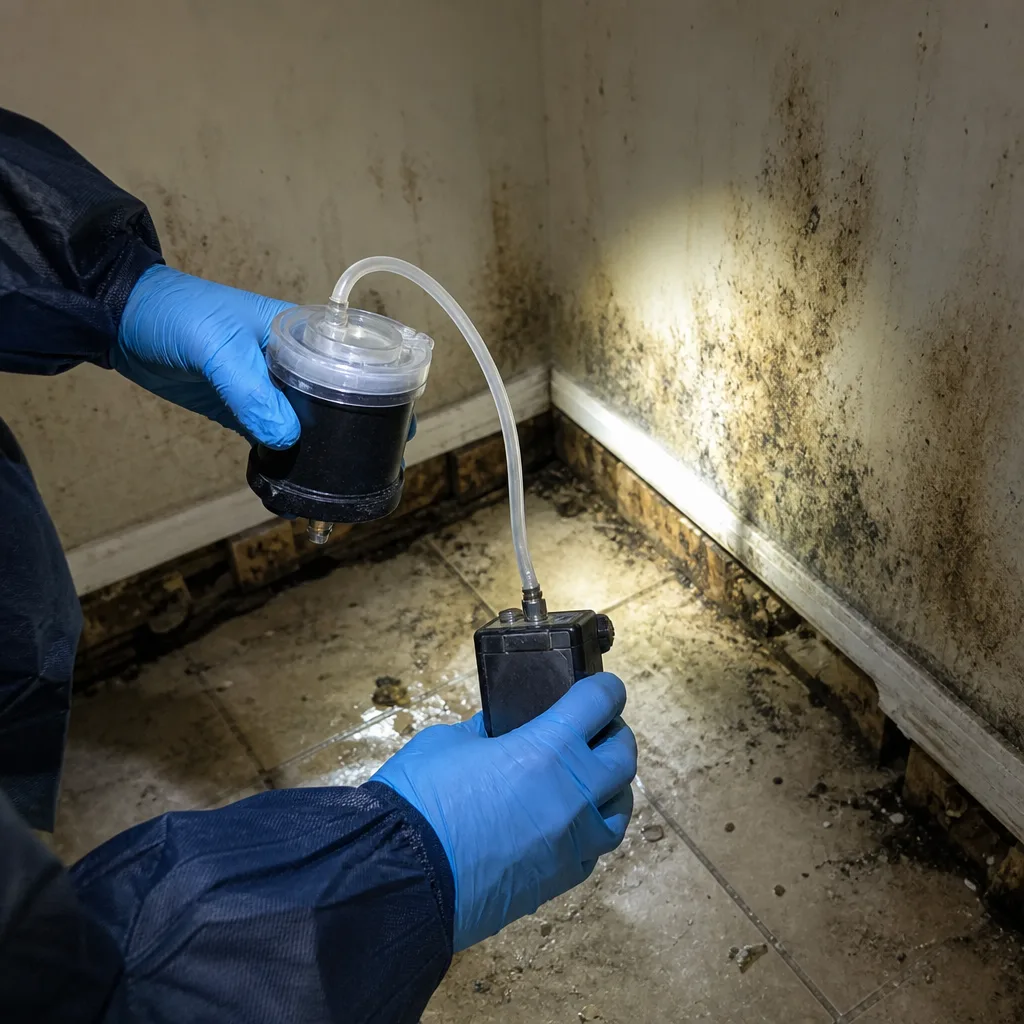
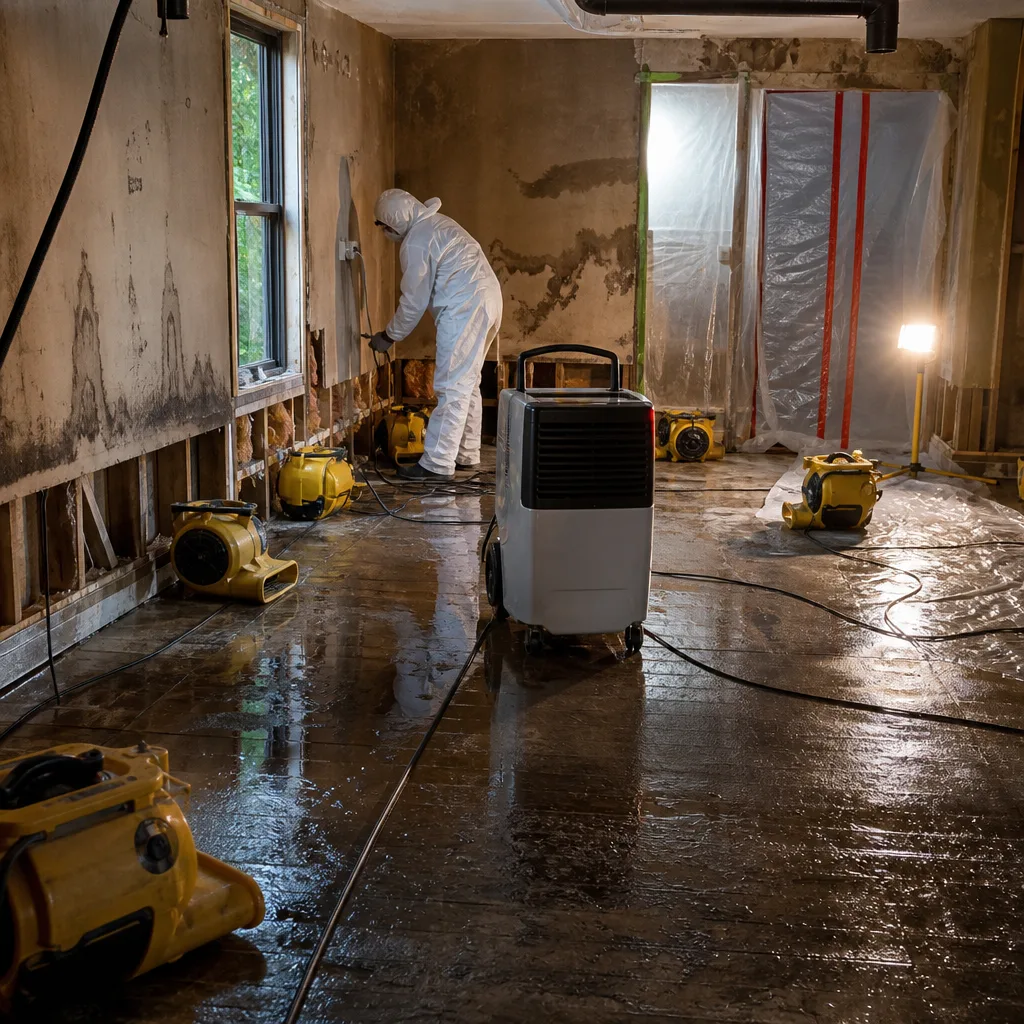
Little Ferry’s structural drying challenge is split-level by definition. Because post-Sandy elevated homes relocate furnaces, water heaters, and ductwork into the open pier undercarriage beneath the raised first floor, our crews perform moisture mapping and drying on two distinct levels - the living space above and the exposed mechanical zone below. This is rare in neighboring Bergen County towns with conventional basements. We deploy Dri-Eaz and Phoenix low-grain refrigerant dehumidifiers, XPOWER air movers, and Injectidry mat systems beneath elevated structures to create vapor pressure differentials that pull moisture from both zones simultaneously. Psychrometric data - temperature, relative humidity, and specific humidity readings - is logged daily and delivered with your photo record.
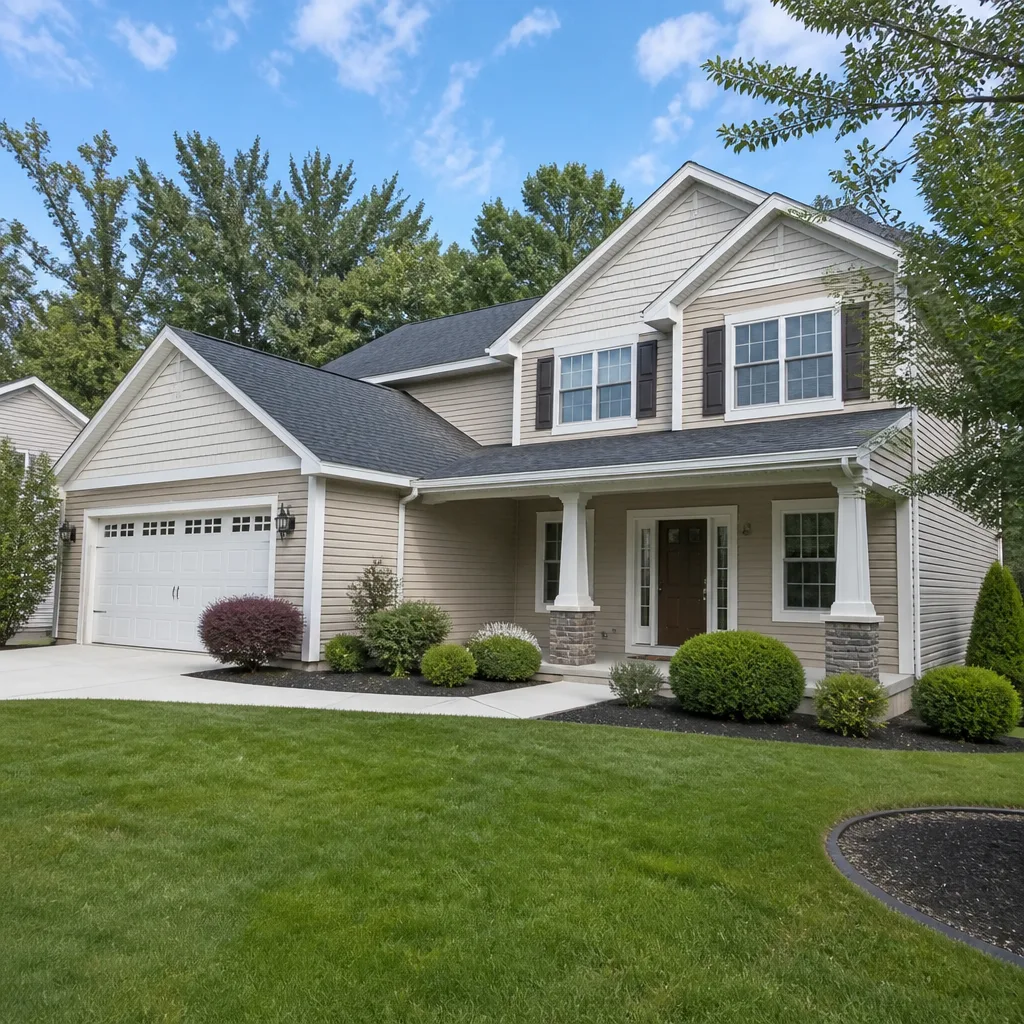
After a nor’easter pushed Overpeck Creek over its banks, we responded to a raised ranch on Vreeland Avenue where wind-driven rain had soaked the undercarriage, rusting the repositioned furnace and wicking moisture into the raised first-floor subfloor. Using Dri-Eaz and Phoenix air movers plus Injectidry mats beneath the elevated structure, we ran structural drying and dehumidification for four days while documenting moisture readings for the homeowner’s flood claim. The owner, a self-reliant type who wanted it handled in one trip, appreciated that we extracted and dried the undercarriage and interior without a return visit.
Flood Cleanup
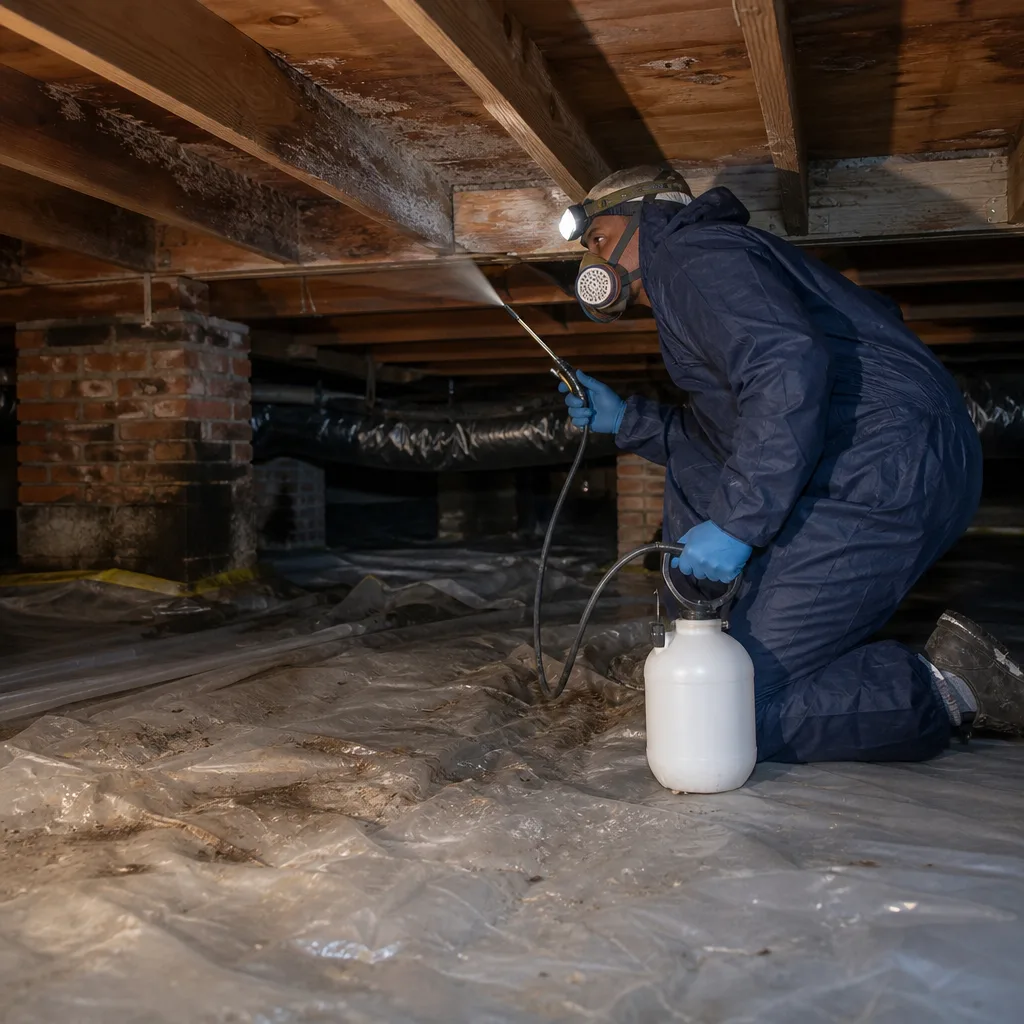
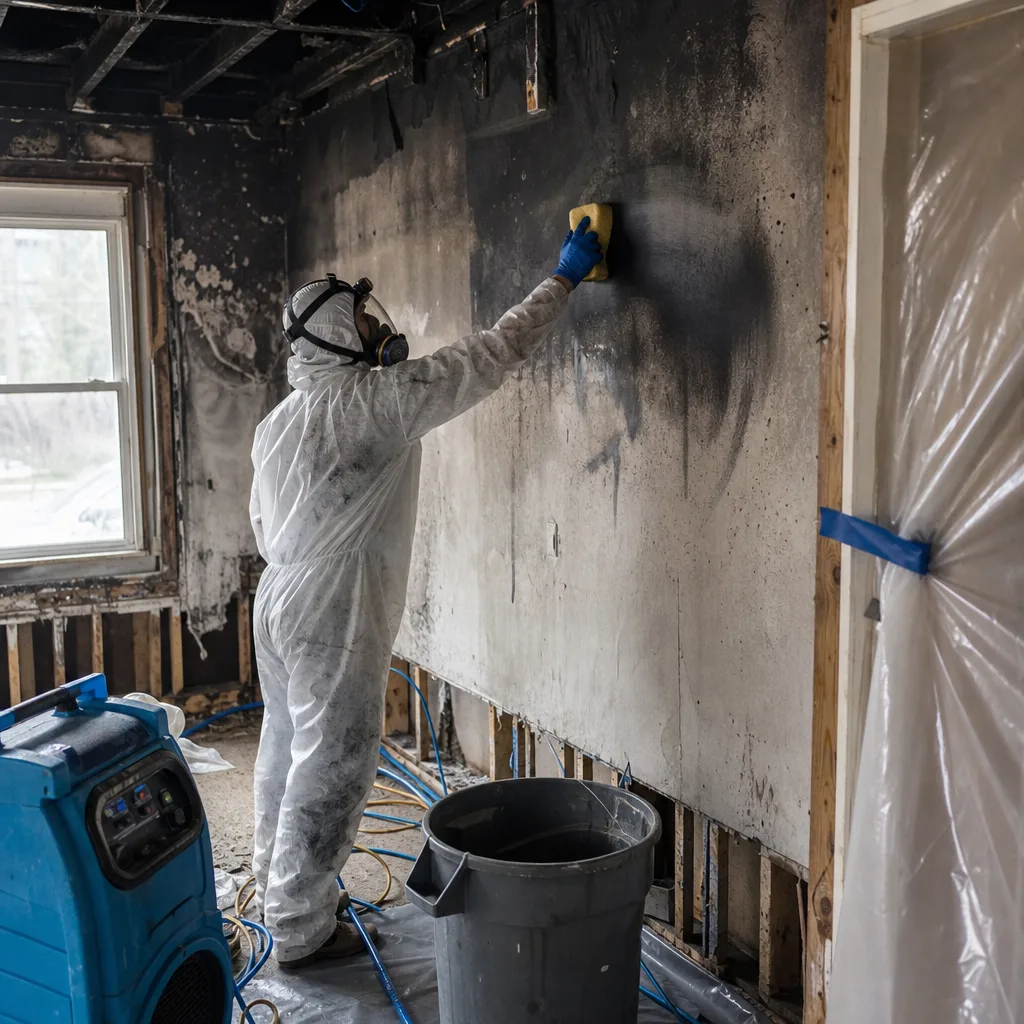
Flood cleanup in Little Ferry means dealing with FEMA Special Flood Hazard Area requirements from the first hour. We document every affected square foot, every material classification, and every moisture reading to the standard that flood adjusters expect in this borough. The flat, clay-heavy soils of the former Hackensack Meadowlands retain moisture long after flood events recede, extending the window in which structural drying and mold remediation must be completed before secondary damage sets in. Our flood cleanup includes controlled demolition of unsalvageable materials, antimicrobial treatment of exposed framing, and written scope documentation that satisfies both insurance carriers and borough building officials reviewing post-Sandy elevated structures.
Burst Pipe Restoration
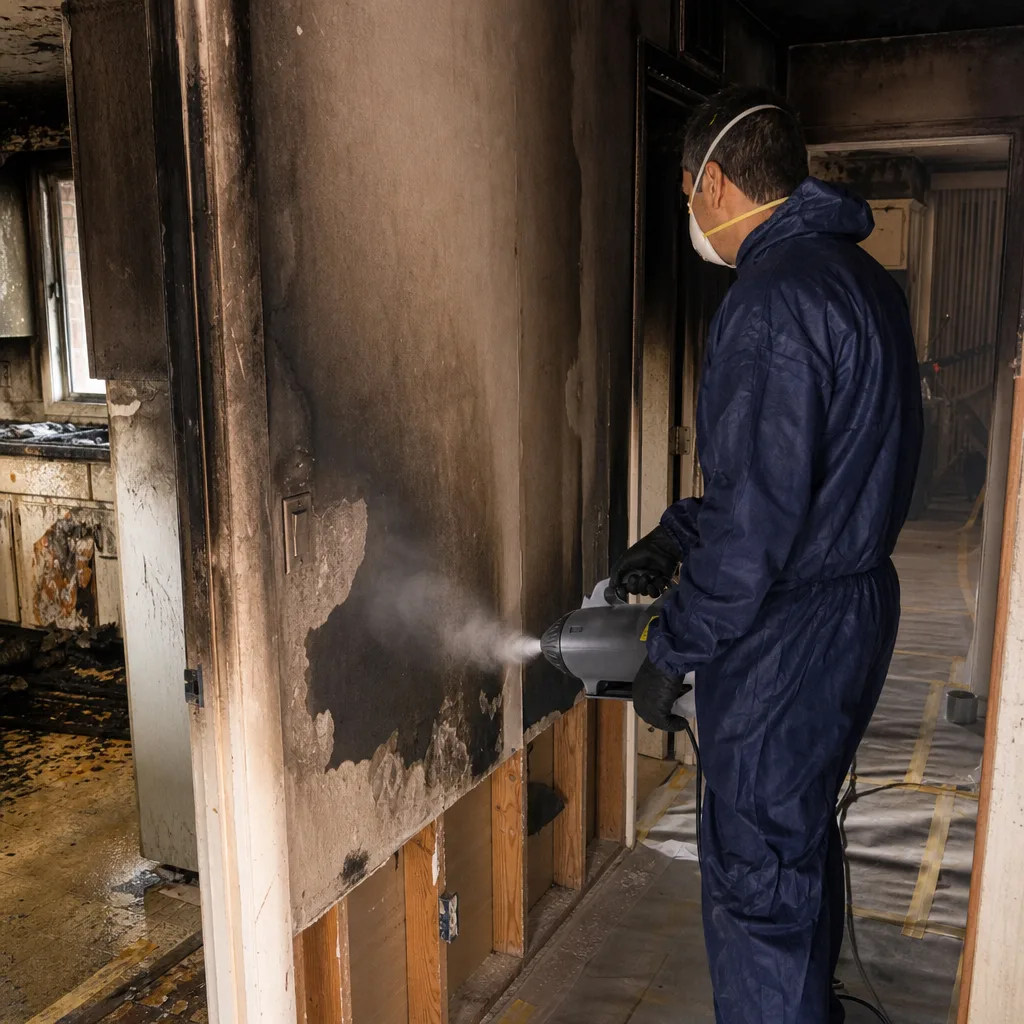
Little Ferry’s original housing stock includes galvanized plumbing that fails catastrophically in freeze-thaw cycles, while post-Sandy elevated homes often have exposed supply lines in the open undercarriage that freeze faster than interior plumbing. Our burst pipe restoration includes emergency water extraction, moisture mapping of affected wall cavities and subfloors, and documentation of the line failure for insurance review. We coordinate directly with your adjuster, providing photo-documented assessments and written scopes that separate water damage restoration from plumbing repair - two distinct coverages that sloppy documentation often conflates.
What happens when you call
- 1
A real person answersNo phone trees - you reach a local pro.
- 2
You get an upfront price rangeHonest numbers before anyone is dispatched.
- 3
A background-checked tech heads outLicensed & insured, dispatched right away.
- 4
You approve before work beginsNothing starts until you say go.
BeforeAfterTrusted Brands We Service in Little Ferry
We deploy professional-grade drying systems from Dri-Eaz, Phoenix, and XPOWER on every Little Ferry job - equipment documented to IICRC, RIA, and IFA standards. These aren’t marketing names; they’re the machines that produce the daily drying logs your adjuster needs to see. We stock Injectidry specialty drying panels and undercarriage mat systems specifically for Little Ferry’s post-Sandy elevated homes, so crews don’t waste a trip back to the warehouse while your subfloor stays wet. Fast turnaround on parts and equipment means structural drying starts within hours of arrival, not days.
Common Water Damage Restoration Problems We See in Little Ferry Homes
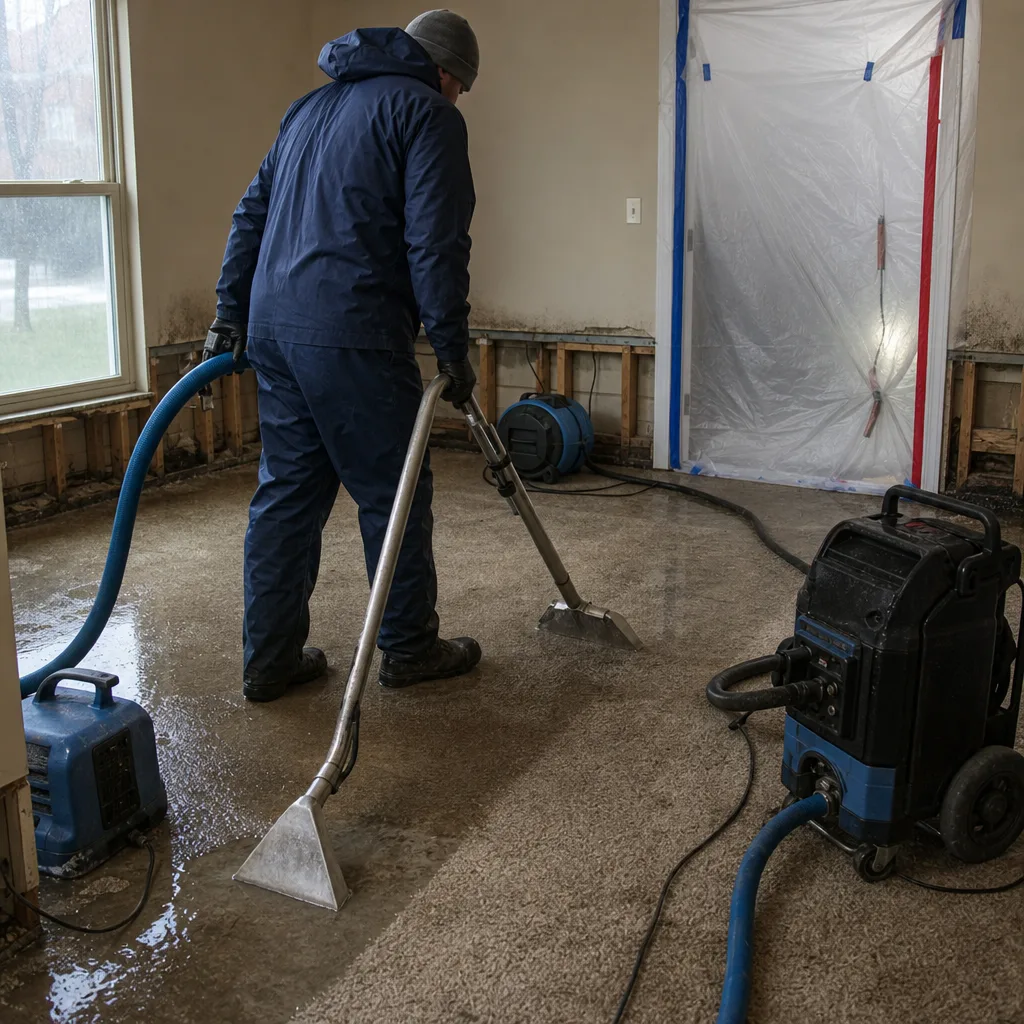
- Moisture trapped in open undercarriages of post-Sandy pier homes. Skipping moisture mapping in the exposed space beneath elevated structures leaves HVAC and ductwork wet, causing secondary mold growth that goes unnoticed until the next tide cycle. We map both levels, every time.
- Rebound dampness from Meadowlands clay soils. Treating the clay-heavy soil as a quick-dry variable and closing out structural drying before the ground releases its retained moisture leads to recurring dampness in low crawl spaces. Our drying logs continue until subfloor moisture readings stabilize, not just until the air feels dry.
- Legacy materials in pre-Sandy homes requiring pack-out. Assuming all 1940s-1960s slab and crawl-space homes can be dried in place without a pack-out ignores that knob-and-tube wiring and galvanized plumbing often make category 3 floodwater removal and antimicrobial treatment mandatory. We assess electrical and plumbing safety before committing to in-place drying.
- Wind-driven rain infiltration in elevated home undercarriages. Homes lifted onto piers after Sandy have HVAC equipment, water heaters, and ductwork repositioned into the newly open undercarriage - exposed to wind-driven rain and freeze-thaw cycles in ways a conventional basement never would be. This failure mode is specific to Little Ferry’s post-Sandy stock and requires assessment protocols that pre-Sandy construction doesn’t need.
Pricing for Water Damage Restoration in Little Ferry, NJ
Here’s what water damage restoration costs in Little Ferry’s market:
| Service | Typical Range in Little Ferry |
|---|---|
| Emergency water extraction (up to 1,000 sq ft) | $800 - $1,800 |
| Structural drying & dehumidification (3-5 day cycle) | $1,500 - $3,200 |
| Flood cleanup with controlled demolition | $2,800 - $6,500 |
| Post-Sandy elevated home undercarriage drying | $2,200 - $4,800 |
| Category 3 contamination remediation | $4,500 - $7,500 |
Final cost depends on affected square footage, material saturation depth, contamination category, and whether your home is pre-Sandy original construction or post-Sandy elevated. Every job is quoted in writing before work begins - Haven Standard, Clause 1 - with no scope-creep additions once the crew is inside. We also offer a Free Second Opinion on any competitor’s written estimate. Call (551) 213-3409 for your exact quote; estimates are free.
We Also Serve Cities Near Little Ferry
Our crews respond throughout Bergen County from our Little Ferry service area, including Ridgefield Park, Bogota, Hasbrouck Heights, and Ridgefield. Each town has distinct flood patterns and housing stock, and we adjust our drying protocols accordingly - but Little Ferry’s post-Sandy elevation requirements and FEMA Special Flood Hazard Area coverage make it the most documentation-intensive water damage market we serve.
Serving Little Ferry, NJ - Our Local Coverage Area
We’re based in the Little Ferry area and know this community well. Use the map below to see our service coverage - if you’re nearby, we can almost certainly help.
FAQs - Water Damage Restoration in Little Ferry
Little Ferry’s flat, clay-heavy Meadowlands soils retain groundwater long after flood events recede, creating a moisture reservoir that re-wets crawl spaces and slab edges from below. Combined with the borough’s chronic tidal flooding and nor’easter exposure, this means structural drying cycles here typically run 4-5 days versus 2-3 in towns with better drainage and elevation. Our drying logs don’t close until subfloor moisture readings hold steady for 24 hours, not when the air feels dry. Call (551) 213-3409 for an exact timeline on your property.
We deploy Injectidry mat systems and low-profile air movers beneath the raised structure, paired with refrigerant dehumidifiers positioned to create vapor pressure differentials that pull moisture from both the undercarriage and the first-floor subfloor simultaneously. Moisture readings are taken at four points: ground level beneath the piers, the pier columns themselves, the underside of the subfloor, and the interior living space above. This split-level protocol is specific to Little Ferry’s post-Sandy housing stock and rare in neighboring towns with conventional basements. Call (551) 213-3409 for a written scope on your elevated home.
Yes - FEMA Special Flood Hazard Area coverage means flood claims here face stricter documentation requirements, including proof of pre-damage condition, material-by-material loss valuation, and compliance with post-Sandy “substantial damage” repair standards. Our photo-documented assessments and written drying logs are built to satisfy these requirements from day one, reducing the back-and-forth that delays payment. We coordinate directly with adjusters who know Little Ferry’s flood history. Call (551) 213-3409 and we’ll review your policy documentation before work starts.
Original construction here often includes knob-and-tube wiring, galvanized plumbing, and no meaningful elevation above grade - meaning category 3 floodwater saturates not just finishes but embedded electrical and plumbing systems. Extraction requires controlled demolition of wet drywall and flooring, antimicrobial treatment of exposed framing, and electrical safety clearance before drying equipment can be energized. In-place drying without pack-out is often unsafe in these legacy structures. Call (551) 213-3409 for a property-specific assessment.
Mold colonization begins in 48-72 hours in Little Ferry’s climate, but the borough’s high ambient humidity and moisture-retaining Meadowlands soils can accelerate this to 36 hours in poorly ventilated crawl spaces and undercarriages. The split-level drying requirement of post-Sandy elevated homes - where undercarriage moisture often goes undetected - makes this timeline especially critical. Our structural drying protocols aim to bring affected areas below 16% wood moisture content within 48 hours. Call (551) 213-3409 for emergency response; estimates are free.
Ready to get started? Call (551) 213-3409 for a free estimate. A written price before any work starts, every time - Haven Standard, Clause 1. Live person answers 24 hours a day, 7 days a week.
Written by Alicia Brennan, Owner at Back to Dry Restoration, serving Little Ferry since 2011.