
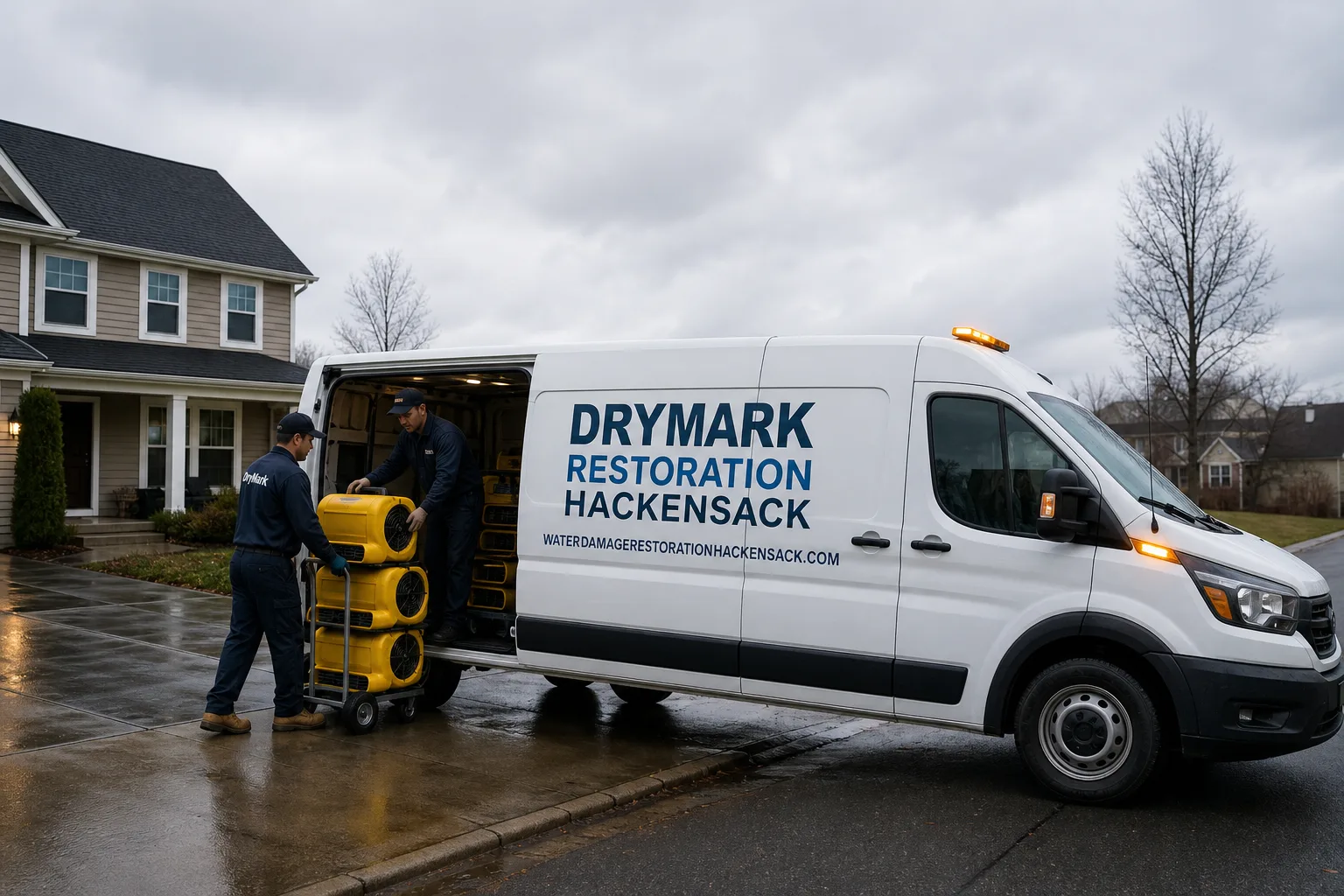
Free visual inspection and a written scope of work before any mitigation begins - photos, moisture readings, and drying logs go in your claim file
The scope we write is the scope we bill. Anything new gets shown to you, in writing, before we touch it.
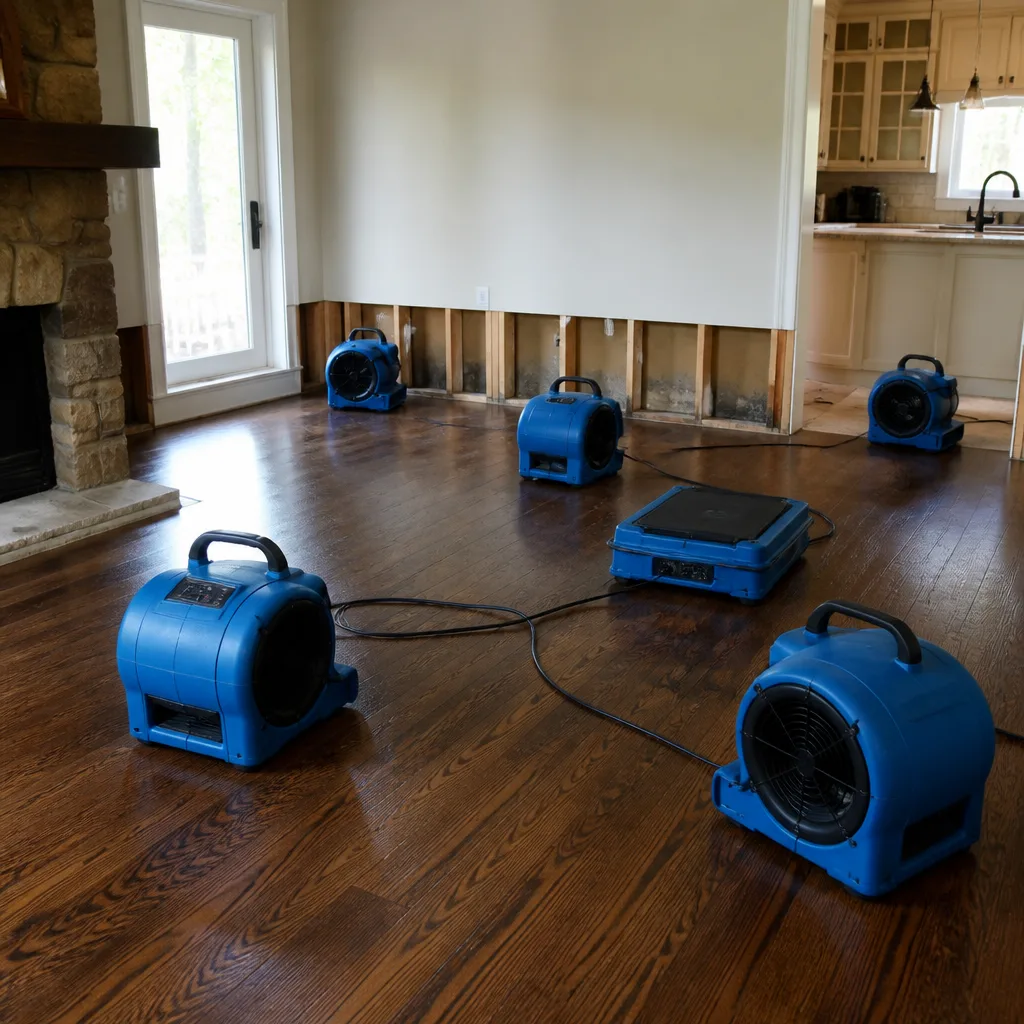
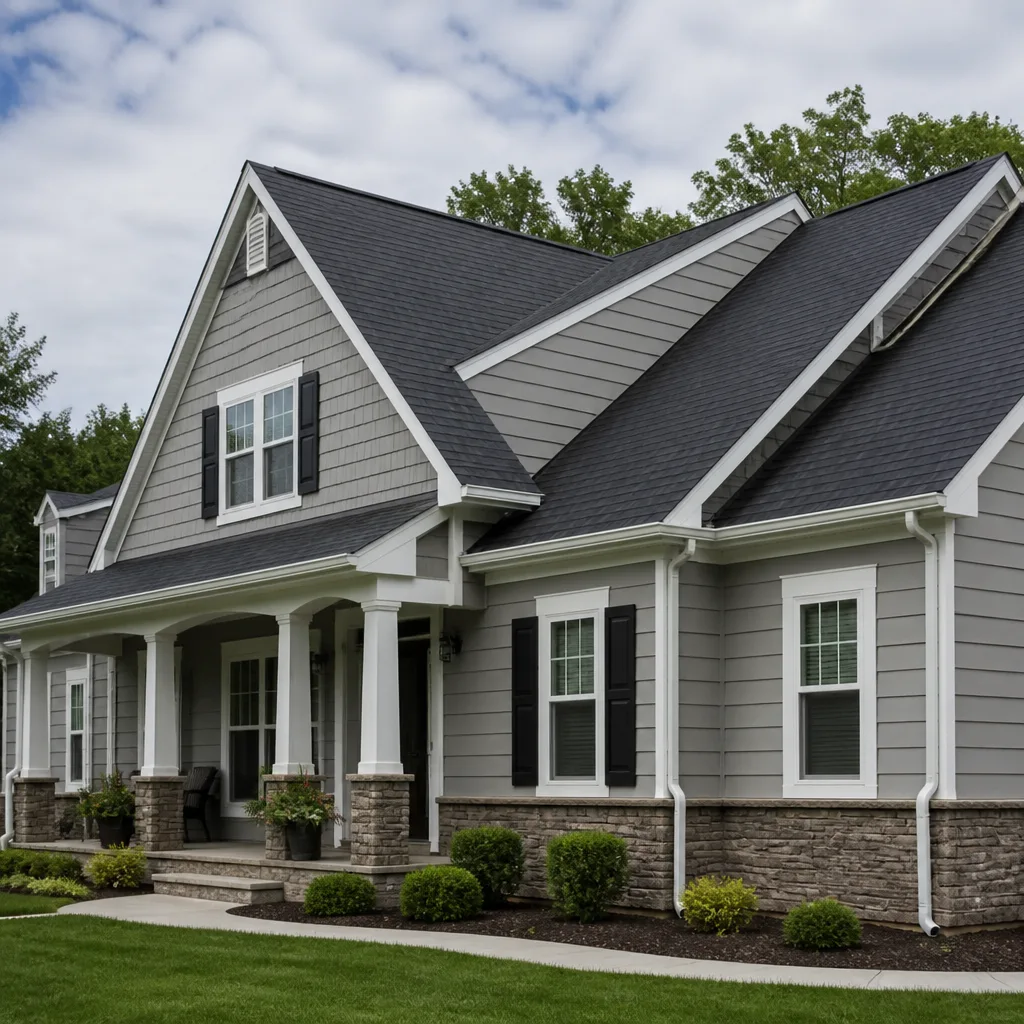
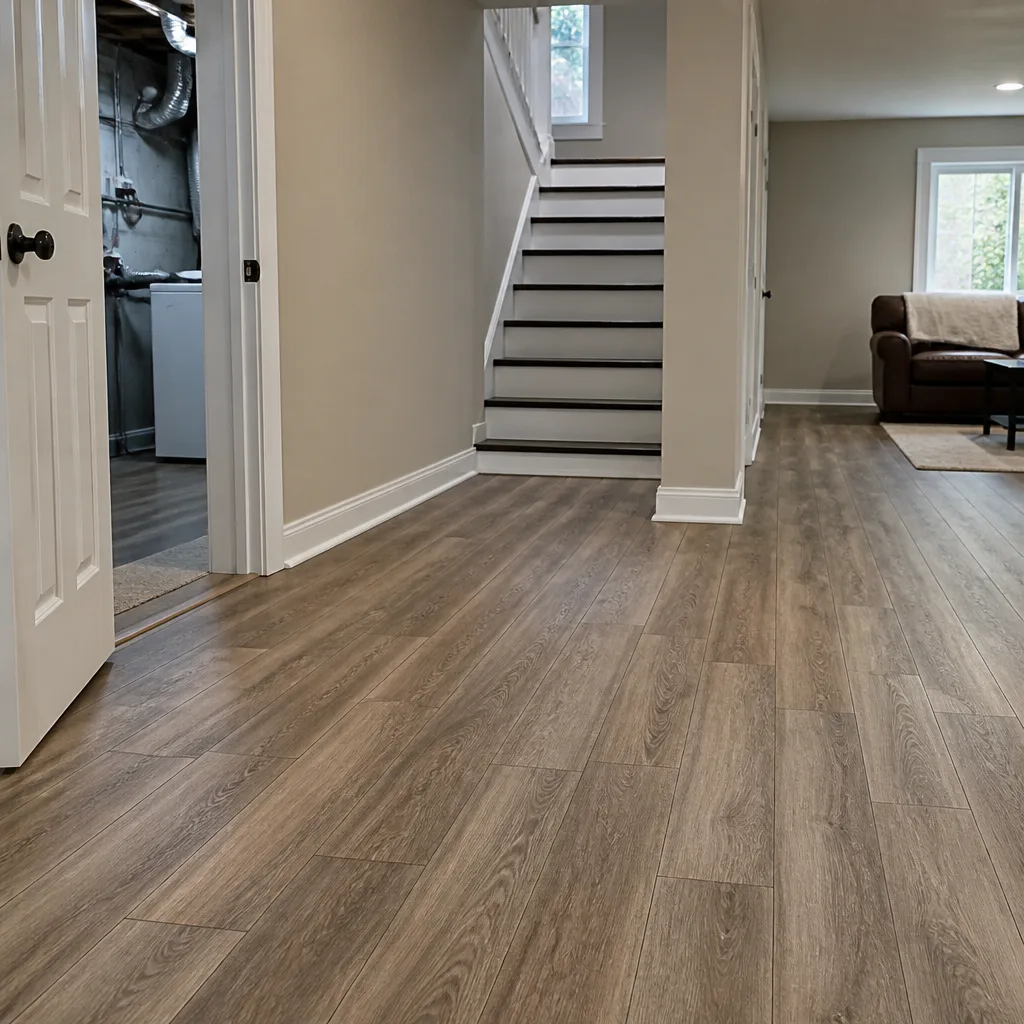
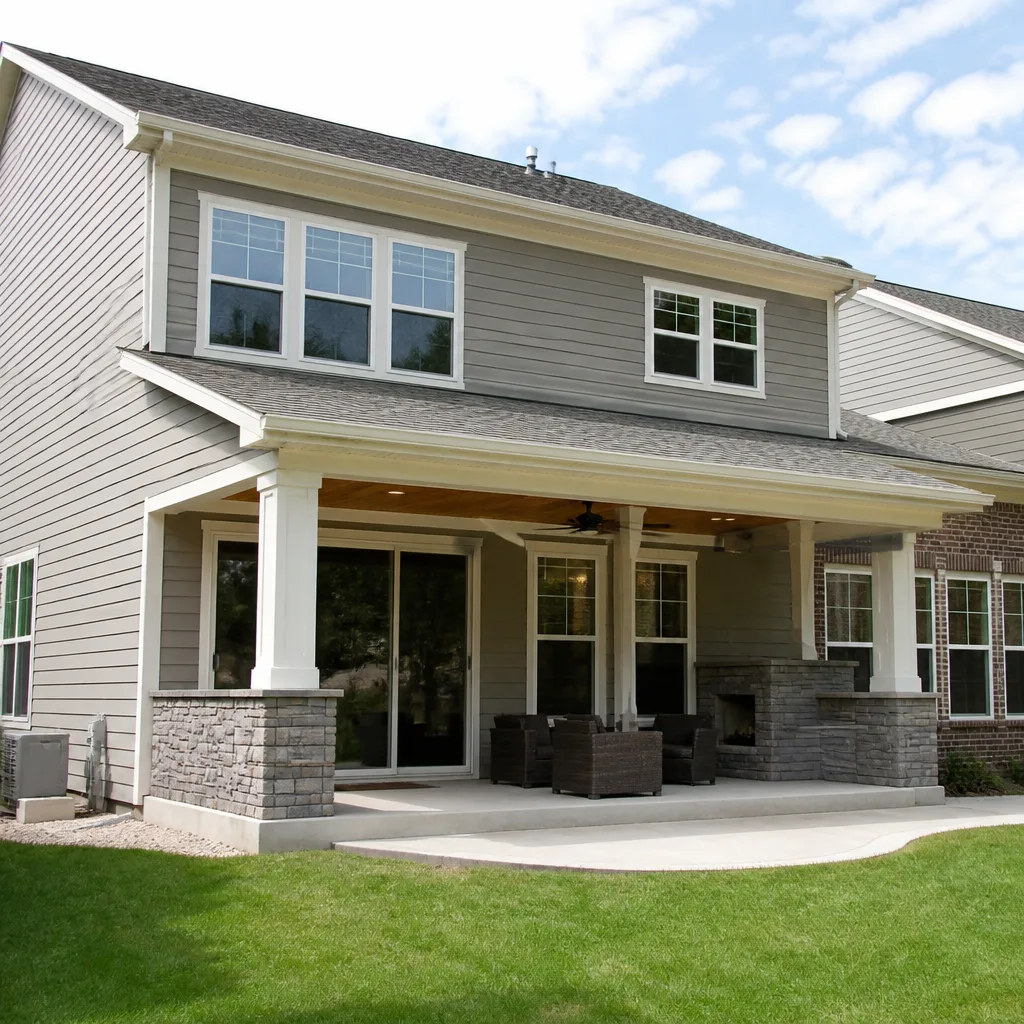
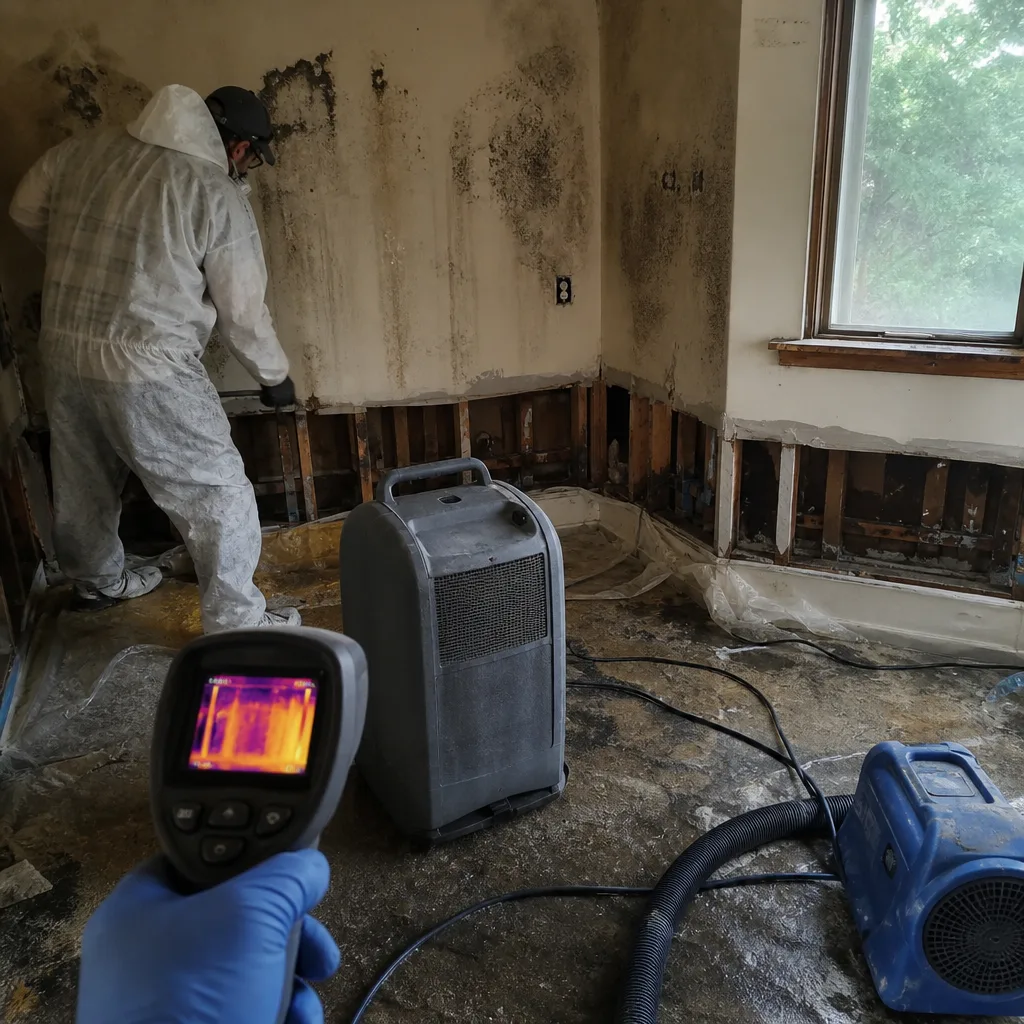 Before
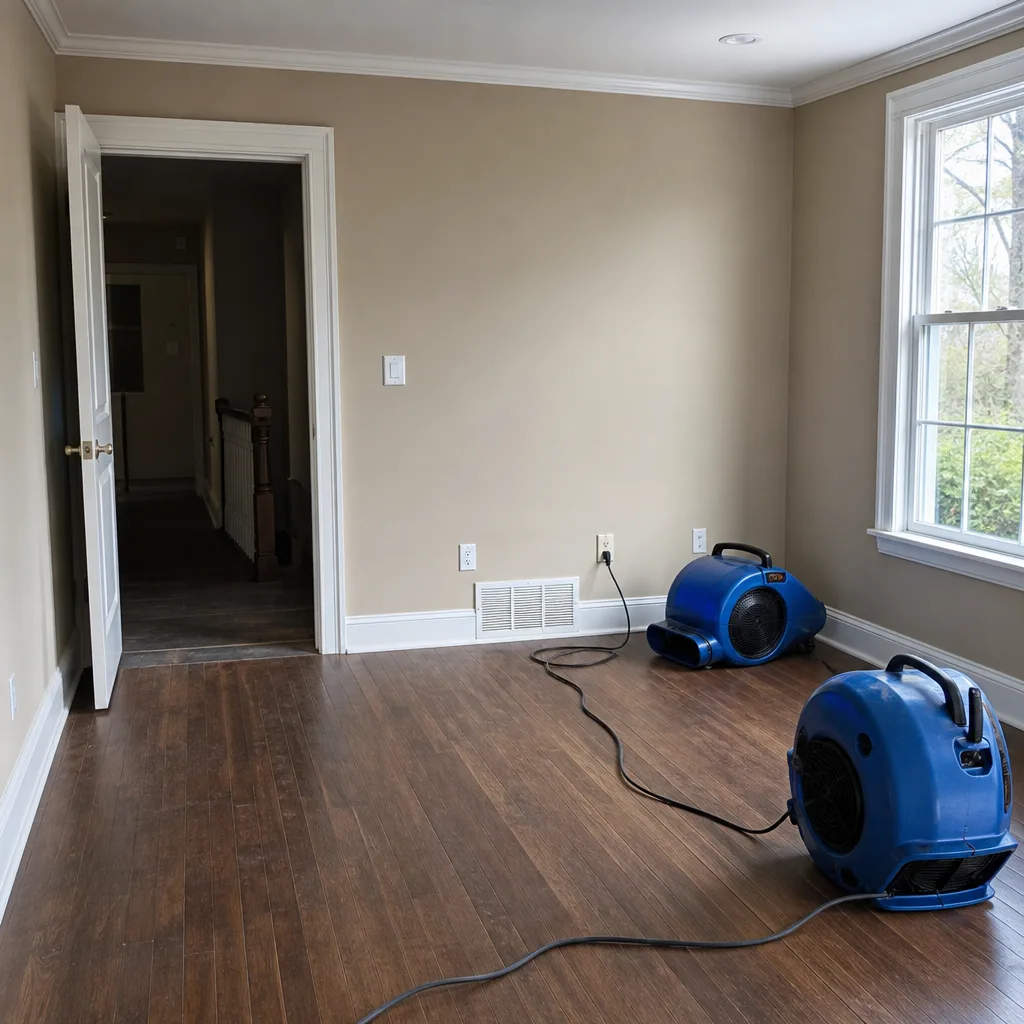 After
After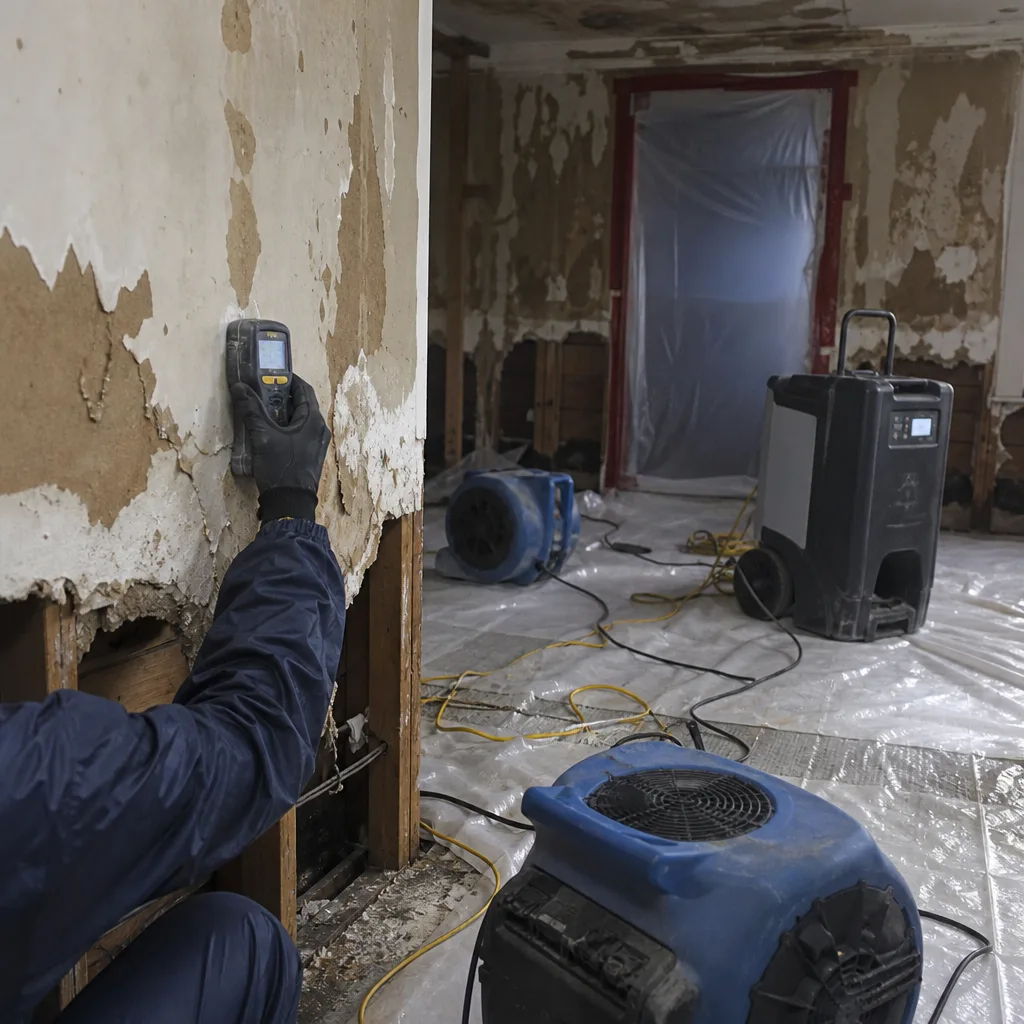 Before
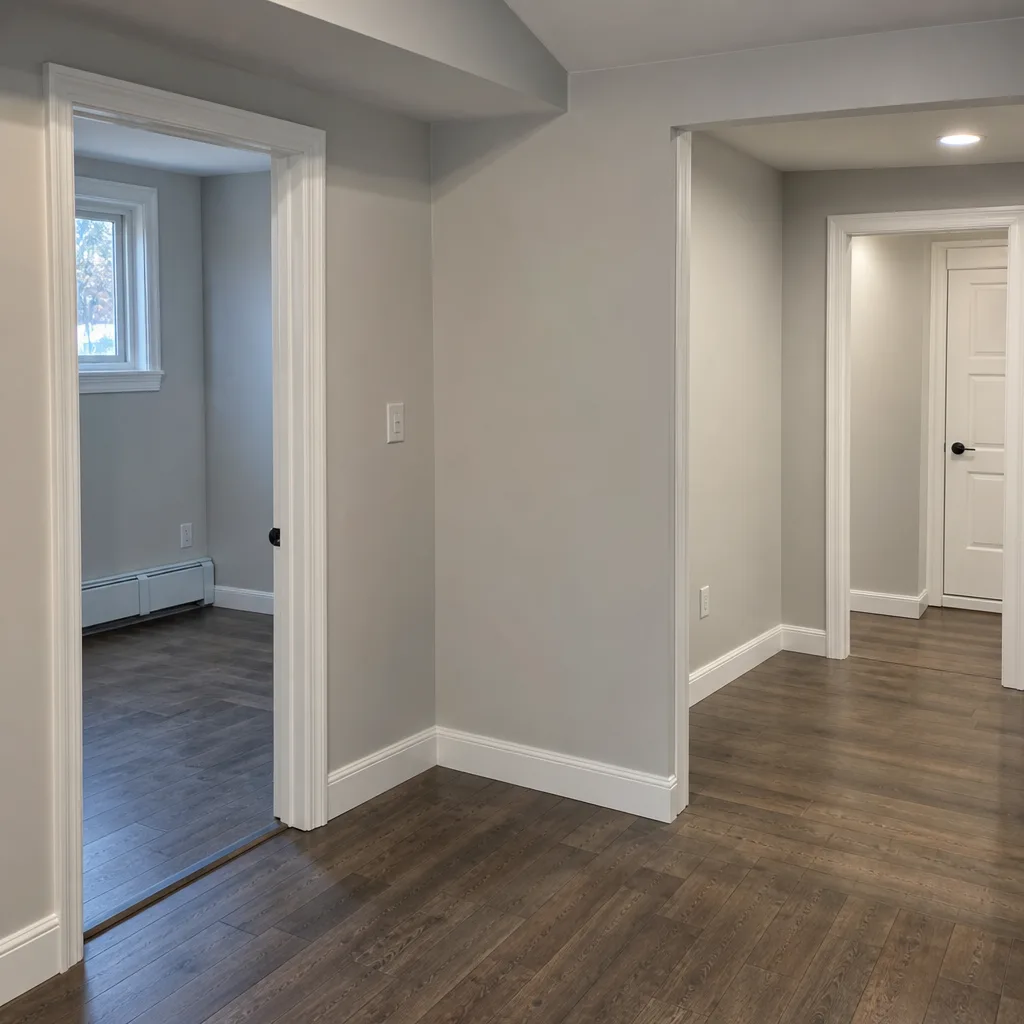 After
After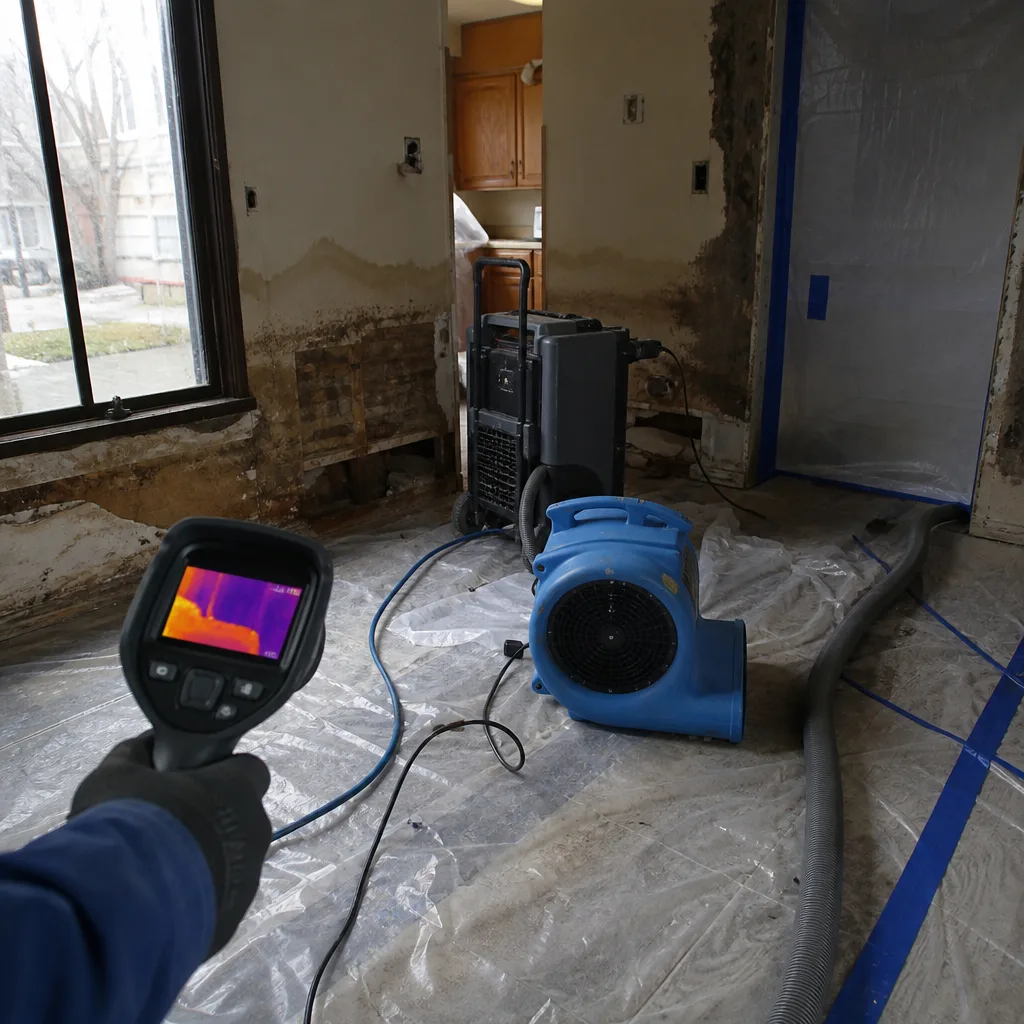 Before
 After
AfterFast, Reliable Water Damage Restoration Across Ridgefield Park
Water damage restoration in Ridgefield Park typically costs $2,800-$7,500 for a standard basement flood, with emergency water extraction starting at $1,200-$1,800 and structural drying running $180-$340 per day. Most Ridgefield Park jobs require 5-10 days of active drying because the Hackensack River’s tidal influence keeps floodwater at slab level long after the rain stops.
We’re DryMark Restoration Hackensack, and our crews know Ridgefield Park’s flood patterns. Dispatch is coordinated from our New York City office, but the trucks that roll to Teaneck Road, Main Street, and the bungalow blocks near the river carry equipment sized for Zone AE riverine flooding, not suburban pipe leaks. When you call (551) 213-3409, a live person answers. No voicemail tree. We deliver a written price before any work starts, every time, under Haven Standard, Clause 1.
Why DryMark Restoration Hackensack Is Ridgefield Park’s Preferred Water Damage Restoration Company
Ridgefield Park homeowners don’t need another contractor who treats their basement like a clean slate. They need a crew that knows what 9×9 asbestos tile looks like under soaked vinyl, that checks the river stage before setting a drying schedule, and that documents every layer for an NFIP adjuster.
Our Water Damage Restoration team has handled losses on Teaneck Road, near the Ridgefield Park Public Library, and throughout the village’s pre-WWII neighborhoods. Reviews from Ridgefield Park customers consistently note our photo-documented visits and the written scopes we provide before equipment runs. One recent customer on Cedar Street wrote that our drying logs - moisture readings by room, by day, with psychrometric data - were the reason their flood claim cleared without a coverage fight.
Response time to Ridgefield Park is typically 60-90 minutes for emergency calls. We don’t promise impossible arrival windows. We promise a live dispatcher who tracks the crew and updates you by text.
The local knowledge that matters here: Ridgefield Park sits in FEMA Zone AE, and most of its housing stock predates World War II. That combination means nearly every job intersects with flood insurance documentation, legacy building materials, and a basement that has likely been remediated before. We account for all three on the first visit.
Our Water Damage Restoration Services in Ridgefield Park
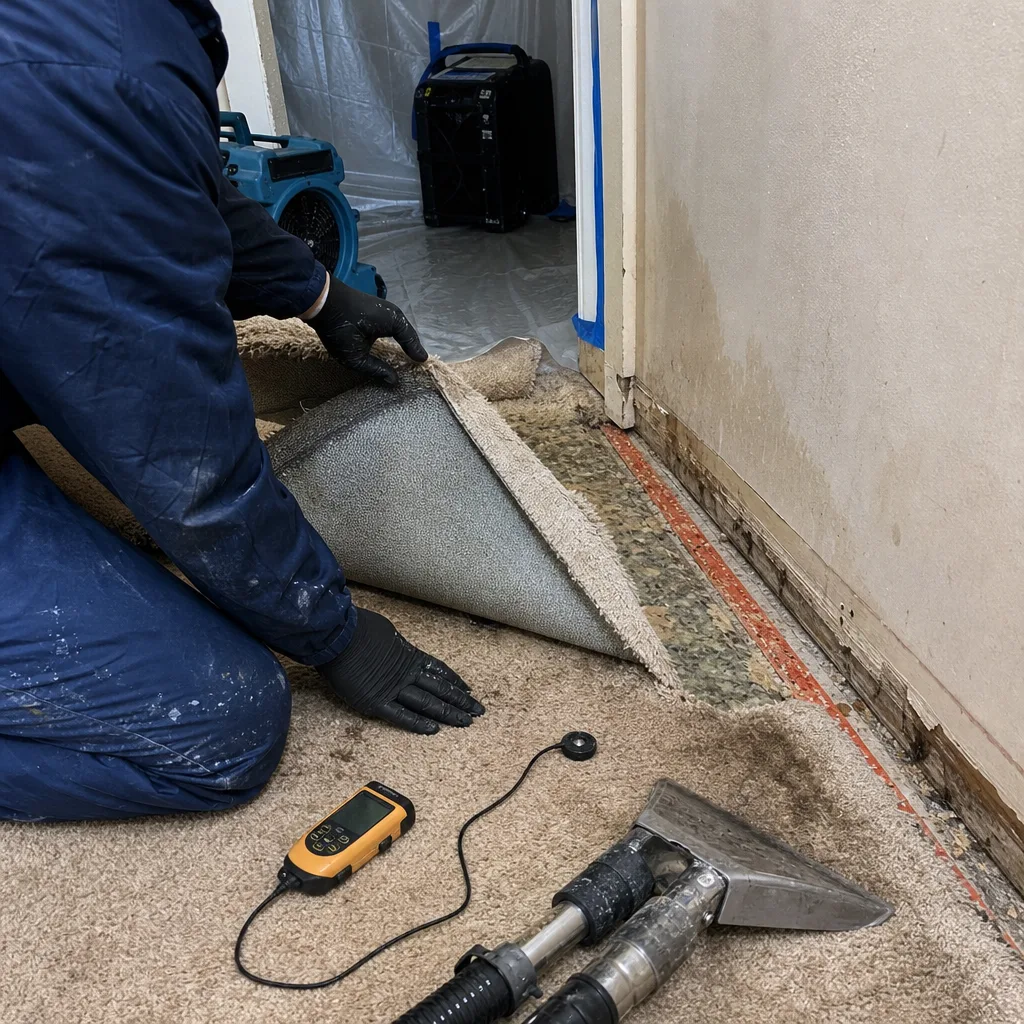
Emergency Water Extraction
River water in a Ridgefield Park basement doesn’t wait. We deploy XPOWER extraction units, truck-mounted vacuums, and submersible pumps sized for the volume that collects when the Hackensack overtops its banks. On a recent call near the intersection of Main Street and Cedar Street, we pulled 4 inches of standing water from a 1930s bungalow basement in under three hours. Extraction in Ridgefield Park runs $1,200-$1,800 for most residential basements, with larger volumes or commercial spaces scaling from there.
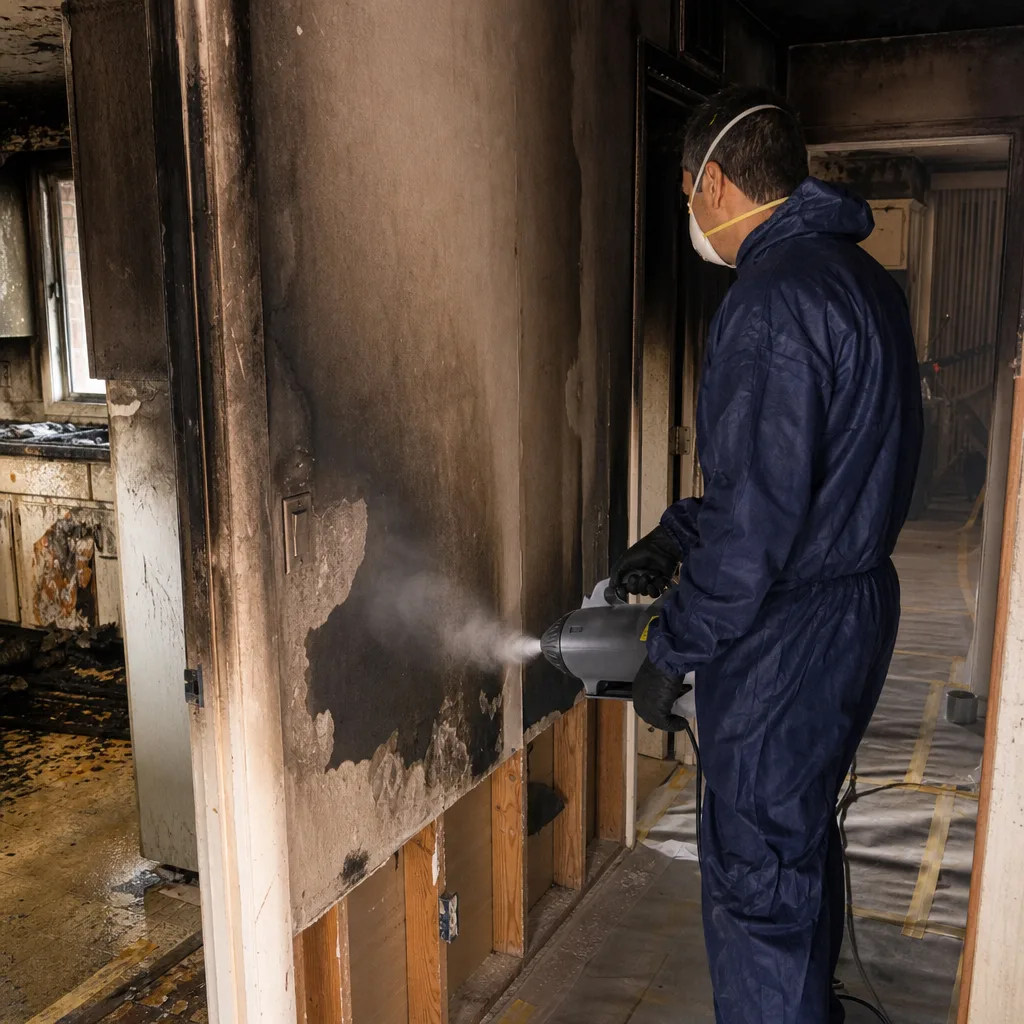
Structural Drying & Dehumidification
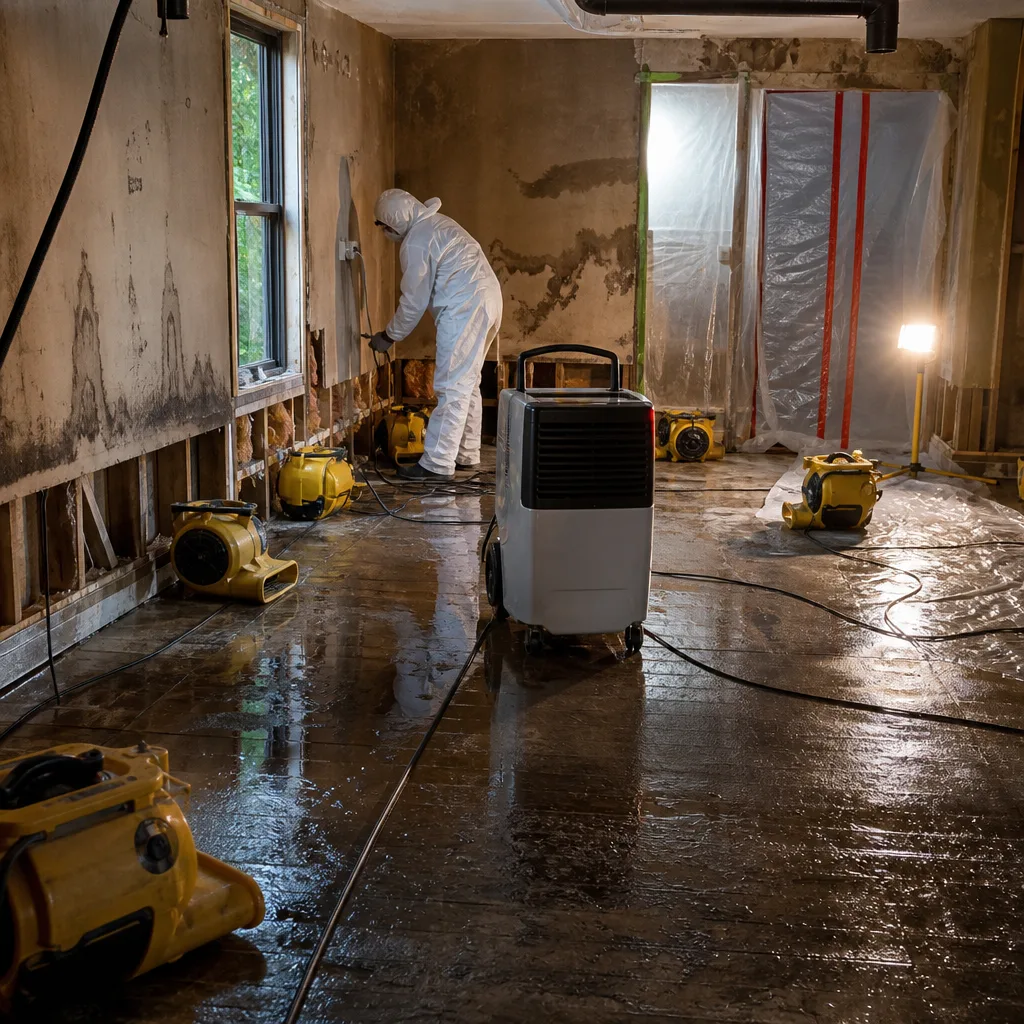
Here’s where Ridgefield Park diverges from every inland Bergen County town: our drying clock runs on river stage, not storm passage. Because the Hackensack retains tidal influence this far upstream, flood levels can hold at or above slab elevation for 24-72 hours after peak rainfall. That extended saturation window means we typically run Dri-Eaz dehumidifiers, B-Air air movers, and Injectidry mat systems for 5-10 days, not the 3-day flash-flood schedule. Daily moisture logs track vapor pressure differential - the force that drives moisture out of wet materials - until readings return to dry standard. Drying runs $180-$340 per day, with most Ridgefield Park residential jobs needing 5-8 days of active equipment.
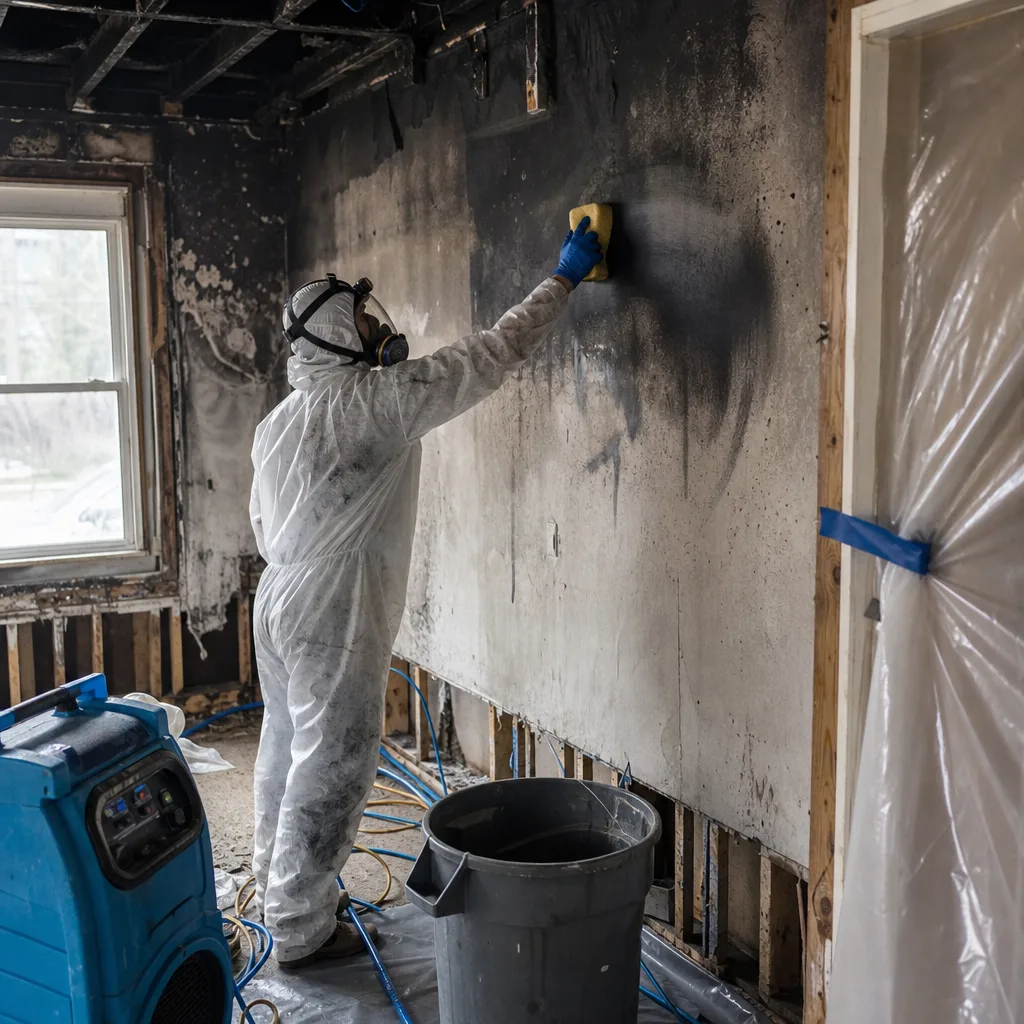
Flood Cleanup
Flood cleanup in Ridgefield Park is NFIP work. Every job needs elevation certificate review, flood zone verification, and documentation that satisfies National Flood Insurance Program adjusters. We photograph each affected layer - flooring, subfloor, wall cavity, insulation - and match our drying logs to the policy’s proof-of-loss requirements. Category 3 river water also triggers specific safety protocols: we test for asbestos in 9×9 floor tile, verify cast-iron drain line integrity, and establish containment before demolition begins. Flood cleanup with full documentation starts at $3,500 and ranges to $8,500+ for whole-basement Category 3 losses with material removal.
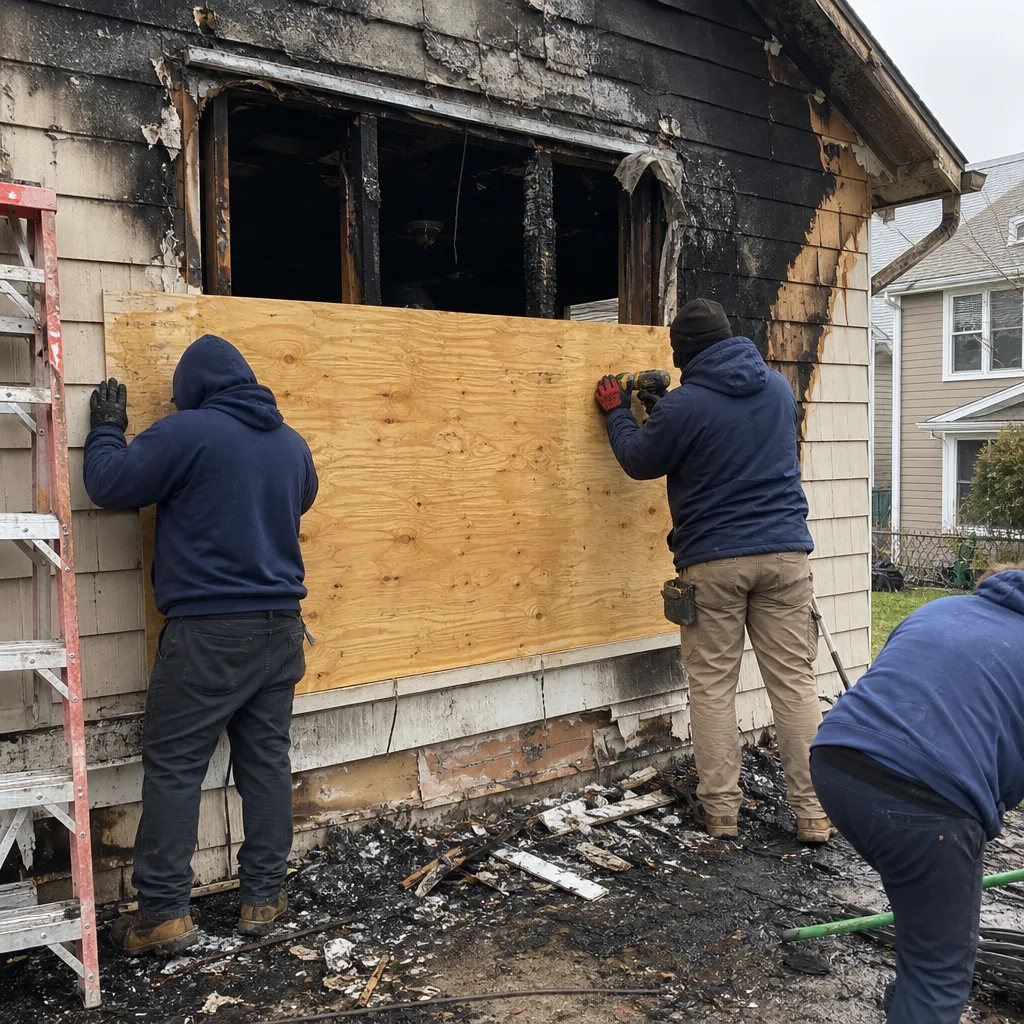
Burst Pipe Restoration
Even “simple” pipe bursts in Ridgefield Park get complicated fast. Many homes have original galvanized or early copper supply lines, and the same basements that flood from the river also collect pipe leaks against walls that have been patched multiple times. We map moisture against the actual wall assembly, not an idealized drawing, and we document whether the loss is sudden and accidental (typically covered by standard homeowners) versus gradual (often contested). Burst pipe restoration runs $2,200-$5,000 depending on affected square footage and whether finish materials can be dried in place.
Basement Water Removal
Basement water removal in Ridgefield Park is our most frequent call, and it’s never routine. The village’s pre-WWII bungalows and two-family homes have full basements with slab elevations at or below the Hackensack’s flood stage. We expect to find re-poured concrete sections, mismatched drywall patches, and stacked moisture barriers from prior floods. Our moisture meters read against that layered history, not a clean baseline, so we don’t sign off drying early and leave trapped moisture to mold. Basement water removal with full assessment starts at $1,800.
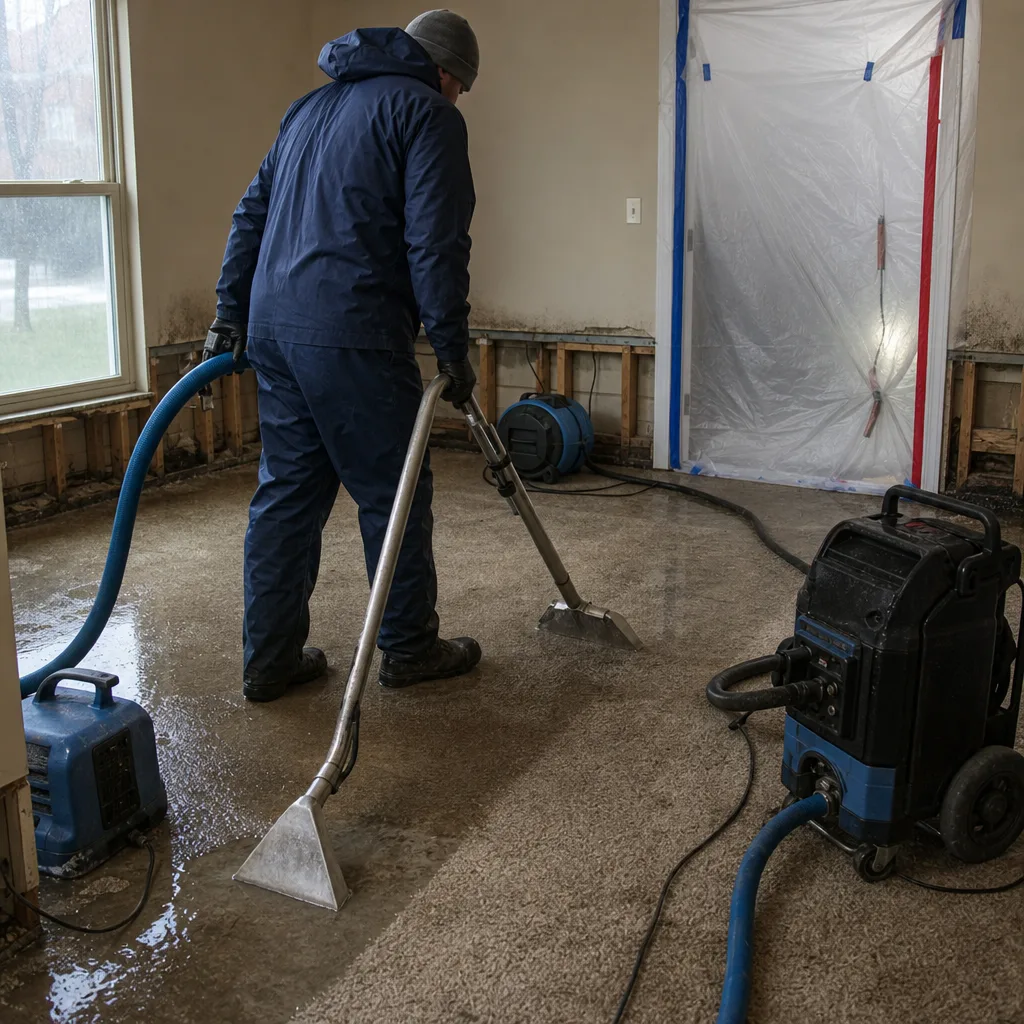
Ceiling & Roof Leak Water Damage
Ridgefield Park’s narrow colonials and older two-families often have original or patched roofing with limited attic ventilation. Slow leaks saturate insulation and ceiling drywall before they’re visible. We use thermal imaging to trace the water pathway, then dry or remove materials based on contamination level and structural integrity. Ceiling and roof leak damage typically runs $1,500-$4,200.
What happens when you call
- 1
A real person answersNo phone trees - you reach a local pro.
- 2
You get an upfront price rangeHonest numbers before anyone is dispatched.
- 3
A background-checked tech heads outLicensed & insured, dispatched right away.
- 4
You approve before work beginsNothing starts until you say go.
BeforeAfterCommon Water Damage Restoration Problems We See in Ridgefield Park Homes
- Treating remediated basements as clean baselines. A crew sets moisture meters against new-looking drywall and misses the three prior flood patches behind it. Drying gets signed off early. Mold follows in 30 days. We map every layer and reference against the actual assembly.
- Ignoring the river’s extended saturation window. A contractor packs equipment on day 3 because the rain stopped. The Hackensack is still tidal and elevated. The slab is still wicking moisture. We monitor river stage and extend drying until vapor pressure readings confirm equilibrium, not until the calendar says so.
- Demolishing Category 3 river water damage without asbestos containment. Many Ridgefield Park basements hold original 9×9 floor tile. Disturbing it without proper abatement protocol violates EPA NESHAP and voids NFIP documentation. We test and contain before cutting.
- Submitting incomplete NFIP documentation. Flood claims require proof of loss tied to specific flood event dates, elevation certificates, and itemized damage photos. Our photo record on every visit is structured for adjuster review, not just internal notes.
Pricing for Water Damage Restoration in Ridgefield Park, NJ
We publish ranges because Haven Standard, Clause 1 requires a written price before work starts. Here’s what water damage restoration costs in Ridgefield Park’s market:
| Service | Typical Range |
|---|---|
| Emergency water extraction | $1,200 - $1,800 |
| Structural drying (per day) | $180 - $340 |
| Basement water removal (full service) | $1,800 - $4,500 |
| Flood cleanup with NFIP documentation | $3,500 - $8,500+ |
| Burst pipe restoration | $2,200 - $5,000 |
| Ceiling/roof leak damage | $1,500 - $4,200 |
What moves a Ridgefield Park job up or down within these ranges: total affected square footage, contamination category (clean water vs. river water), whether legacy materials like asbestos tile require abatement before drying, and the extended drying timeline that tidal flooding demands. Every estimate is free, written, and delivered before equipment runs. Bring a competitor’s written quote and we’ll review it at no charge - our Free Second Opinion under The Haven Standard.
We Also Serve Cities Near Ridgefield Park
Our crews respond throughout the lower Hackensack River corridor, including Ridgefield Park, Little Ferry, Bogota, Palisades Park, and Leonia. Each city has distinct flood patterns, housing ages, and insurance documentation needs. We adjust our protocols accordingly rather than applying a single template.
Serving Ridgefield Park, NJ - Our Local Coverage Area
We’re based in the Ridgefield Park area and know this community well. Use the map below to see our service coverage - if you’re nearby, we can almost certainly help.
FAQs - Water Damage Restoration in Ridgefield Park
Restoration in Ridgefield Park typically requires 5-10 days of active drying versus 3-5 days in upland towns because the Hackensack River’s tidal influence keeps floodwater at or above basement slab level for 24-72 hours after peak rainfall. That extended saturation window means walls, floors, and subfloors hold more moisture that must be actively removed. We monitor river stage data daily and don’t pull equipment until vapor pressure readings confirm the structure has reached dry standard, not when the calendar suggests. Call (551) 213-3409 for a written timeline on your specific loss.
Yes. Nearly every pre-WWII basement we enter in Ridgefield Park contains evidence of prior floods: re-poured concrete sections, mismatched drywall patches, stacked vapor barriers. Moisture mapping against a clean baseline in these conditions produces false dry readings and premature sign-off. We read our meters against the actual layered assembly, account for each remediation history in our drying logs, and extend equipment runtime where prior work created thermal or vapor irregularities. Call (551) 213-3409 and we’ll assess your basement’s specific history during the free estimate.
We identify, test, and establish proper containment for legacy asbestos floor tile and evaluate older cast-iron drain lines before beginning structural drying or demolition. These materials are present in most Ridgefield Park homes built before 1950, and disturbing them without EPA NESHAP-compliant protocol violates federal law and voids NFIP claim documentation. Our technicians are trained to recognize 9×9 tile patterns, recommend certified abatement partners when full removal is required, and document each step for your adjuster. Call (551) 213-3409 to discuss your basement’s specific material conditions.
Yes. Every Ridgefield Park flood job we handle includes structured documentation for National Flood Insurance Program claims: dated photo records of each affected layer, room-by-room moisture logs with psychrometric data, elevation certificate review, and proof-of-loss support that matches NFIP adjuster requirements. Our founder built this company around the documentation gap that costs homeowners their claims. We don’t leave you to translate our notes into insurance language. Call (551) 213-3409 and we’ll review your policy’s specific documentation needs during the free estimate.
Three factors: contamination category, structural integrity, and drying feasibility. Category 3 river water typically requires removal of porous materials like drywall, insulation, and carpet pad. Structural materials that have lost integrity - sagging ceilings, delaminated subfloors - get removed regardless of contamination. Non-porous materials like concrete and tile can often be dried in place with proper equipment. We document the decision criteria in your written scope before any demolition begins, under Haven Standard, Clause 1. Call (551) 213-3409 for a written assessment of your specific materials.
On a two-family bungalow off Teaneck Road near the river, our techs pulled 4 inches of river water off a 1930s basement slab with XPOWER extraction units, then found the original 9×9 asbestos floor tile and a stacked barrier from a prior Ida remediation under the soaked vinyl. We cut a containment line at the stair, ran Injectidry mats over the wet slab while B-Air air movers and Dri-Eaz dehumidifiers held the rest of the basement, and documented each layer in the drying logs for the homeowner’s NFIP adjuster before any rebuild. Because the river stayed high two more days, we kept structural drying running past the point a typical flash-flood job would have been packed up.
Back to Dry Restoration, led by Alicia Brennan, has operated under The Haven Standard since 2011. Every job is quoted in writing before work begins, documented with a photo record on every visit, and covered by the 365-Day Done Right Promise. Equipment deployed includes professional-grade drying systems from Dri-Eaz, Phoenix, XPOWER, B-Air, and Injectidry, with all work documented to IICRC, RIA, and IFA standards.
Call (551) 213-3409 now for a free written estimate. A live person answers, 24 hours a day, 7 days a week.
Written by Alicia Brennan, Owner at Back to Dry Restoration, serving Ridgefield Park since 2011.
Water Damage Restoration in Nearby Areas