
Last updated September 23, 2026
Free visual inspection and a written scope of work before any mitigation begins - photos, moisture readings, and drying logs go in your claim file
The scope we write is the scope we bill. Anything new gets shown to you, in writing, before we touch it.
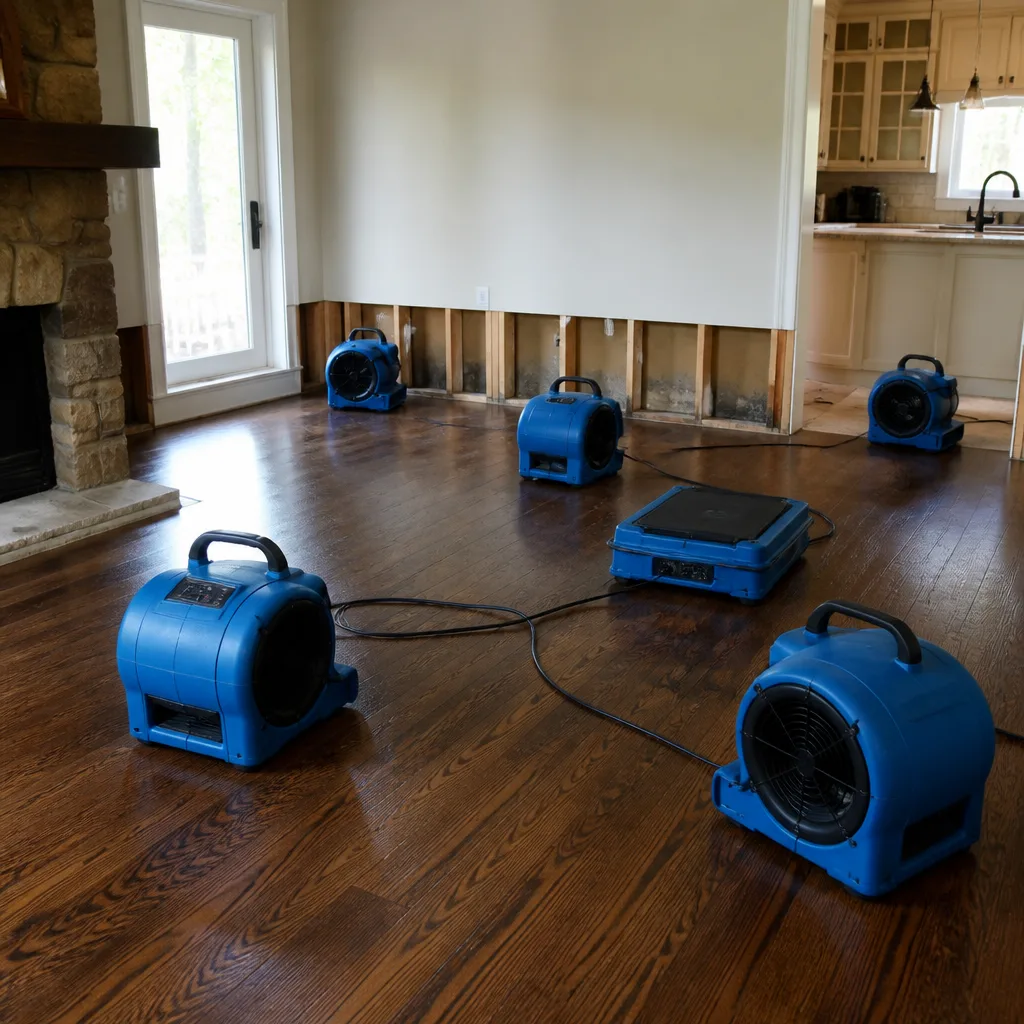

 Before
 After
After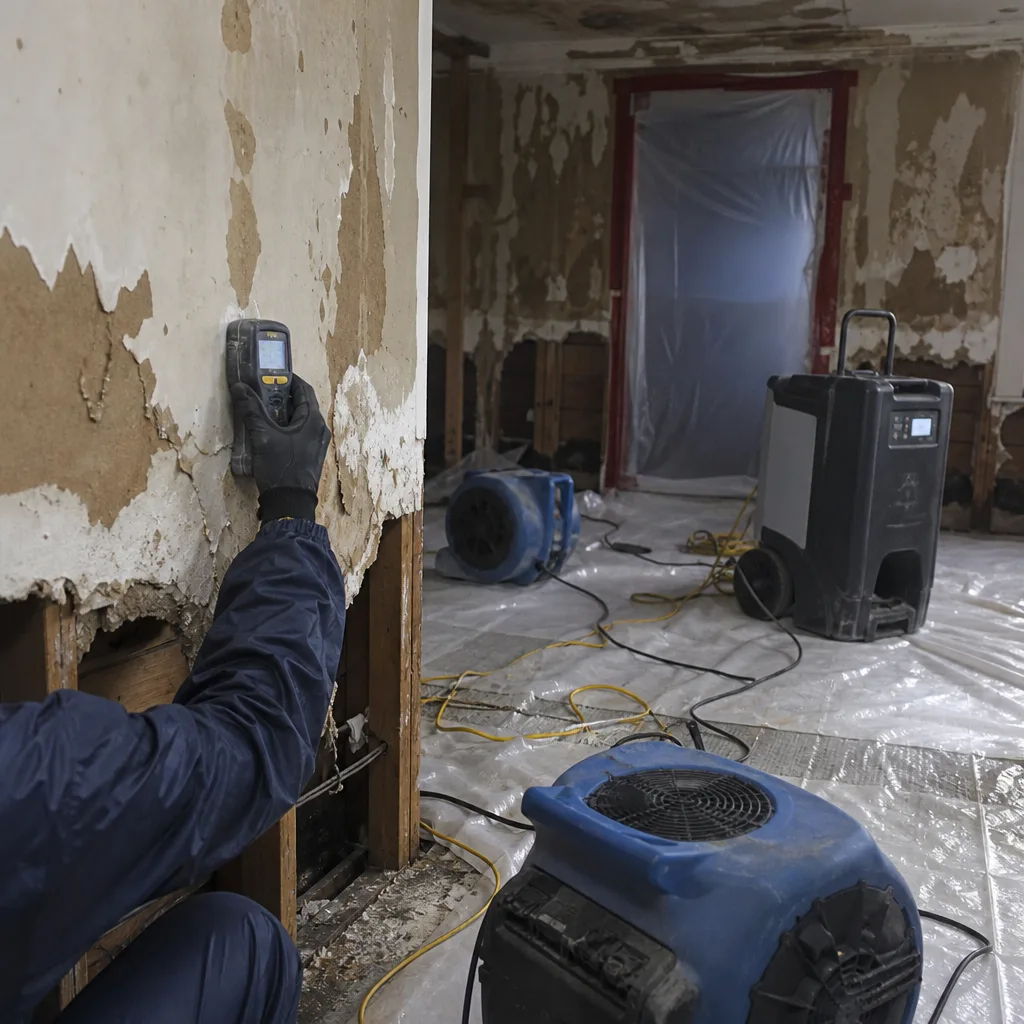 Before
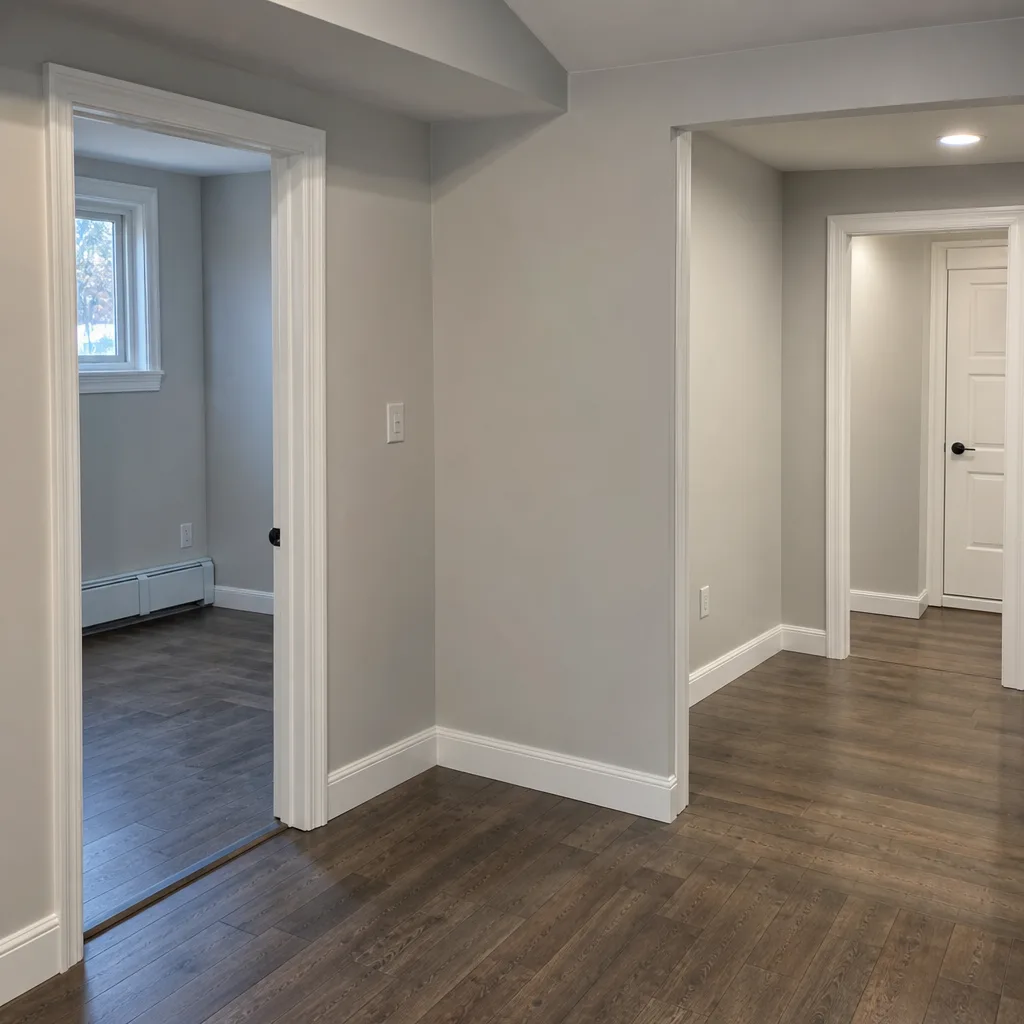 After
After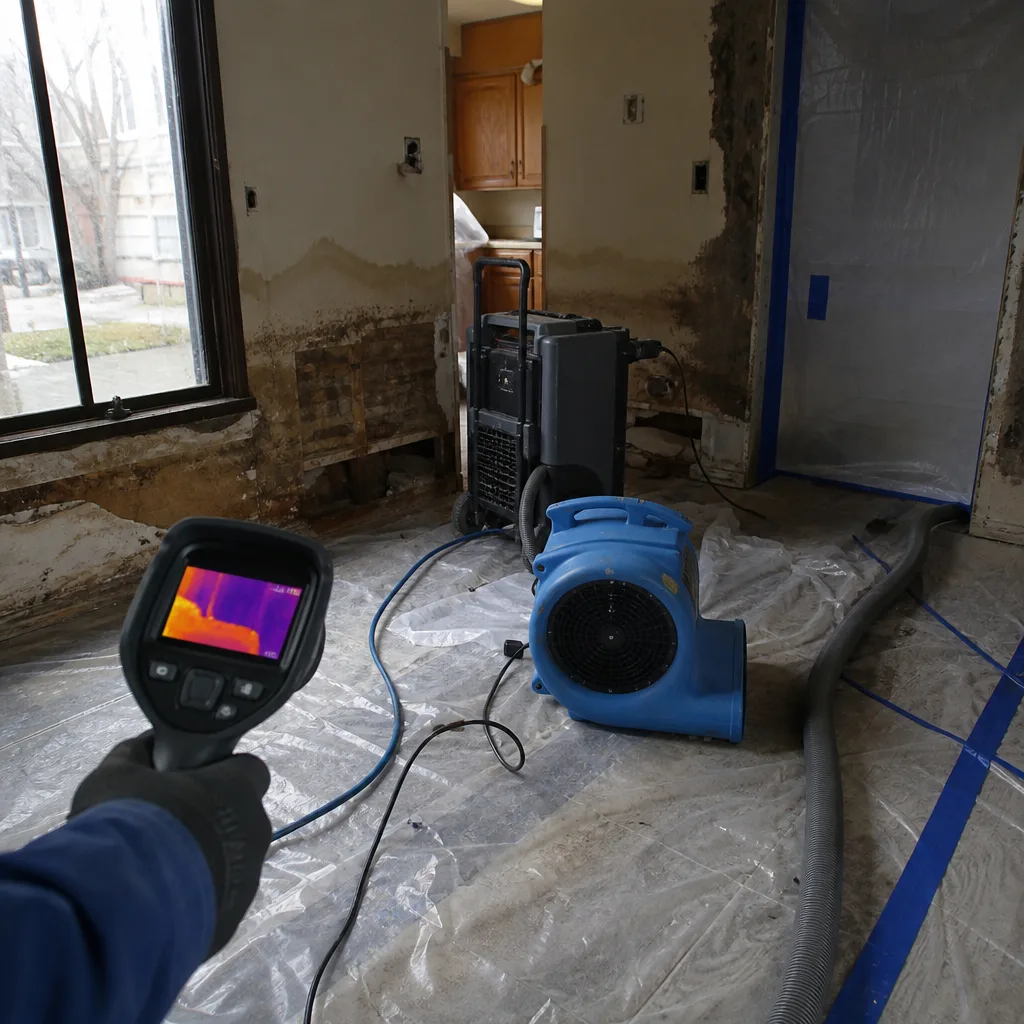 Before
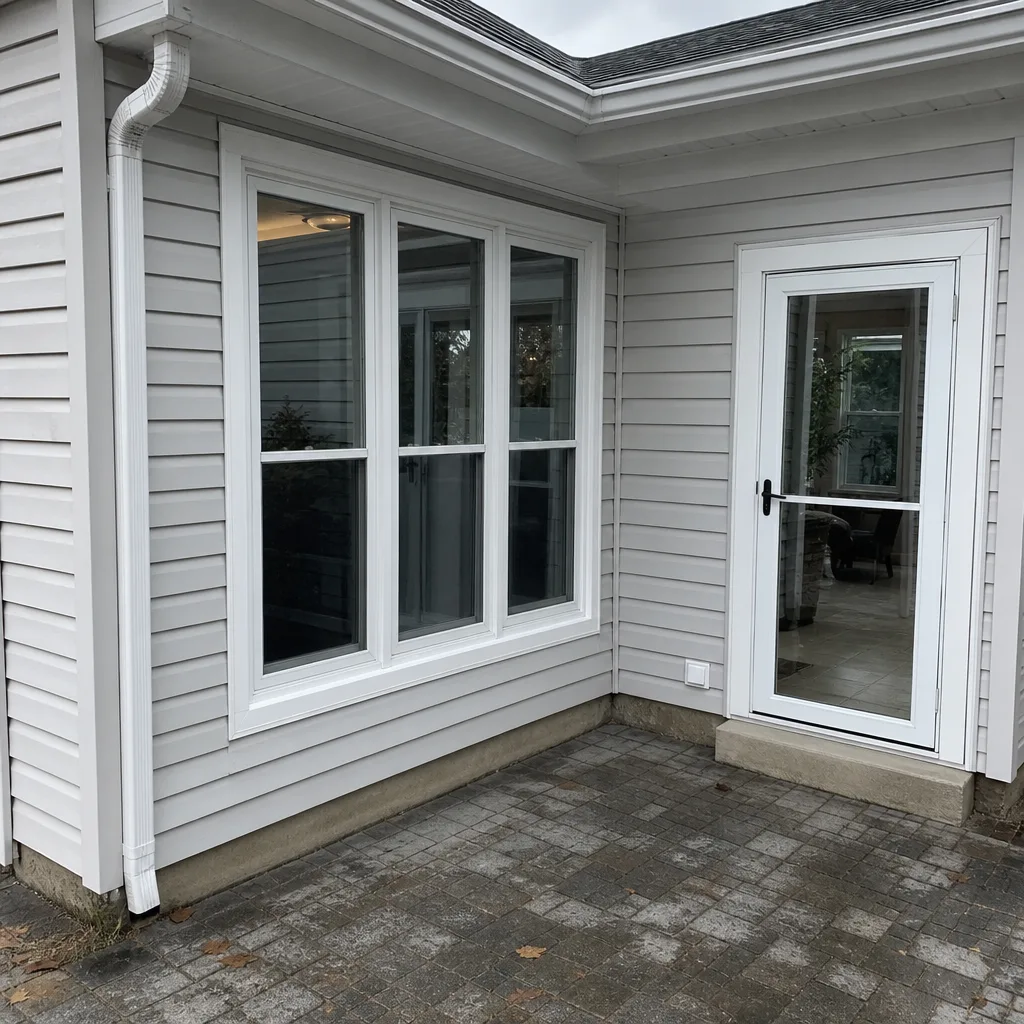 After
AfterDamage Restoration Warning Signs: A Hackensack Homeowner’s Reference Guide
The most damaging word in an insurance claim file is “gradual.” Once an adjuster writes it, the exclusion applies, and the homeowner absorbs the cost. In Hackensack, where pre-war construction meets high water tables and freeze-thaw cycles that stress every building envelope, the difference between a covered loss and a denied claim often comes down to what a homeowner noticed, when they noticed it, and whether they wrote it down. This guide teaches you to observe like an adjuster: to measure, date, and document warning signs before they become the kind of ambiguous damage that insurers label deterioration rather than sudden occurrence.
Quick Answer
Homeowners in Hackensack should watch for measurable moisture readings above 16% on wood surfaces, visible efflorescence on masonry, paint bubbling with underlying softness, and odors that persist beyond normal seasonal humidity. Document each observation with dated photos and notes, because a logged warning sign with a timestamp is evidence; a vague memory is not. When readings exceed 20% or odors suggest microbial growth, professional assessment is warranted.
Table of Contents
- Observable Indicators: What to Measure, Not Just Notice
- Staining Patterns on Hackensack’s Common Building Materials
- Odor as a Diagnostic Tool
- Creating a Dated Photo-and-Note Log
- NJ Landlord-Tenant Disclosure Obligations
- Hackensack Seasonal Risks and Warning Sign Timing
- Common Mistakes to Avoid
- When to Call a Professional
- Frequently Asked Questions
BeforeAfterObservable Indicators: What to Measure, Not Just Notice
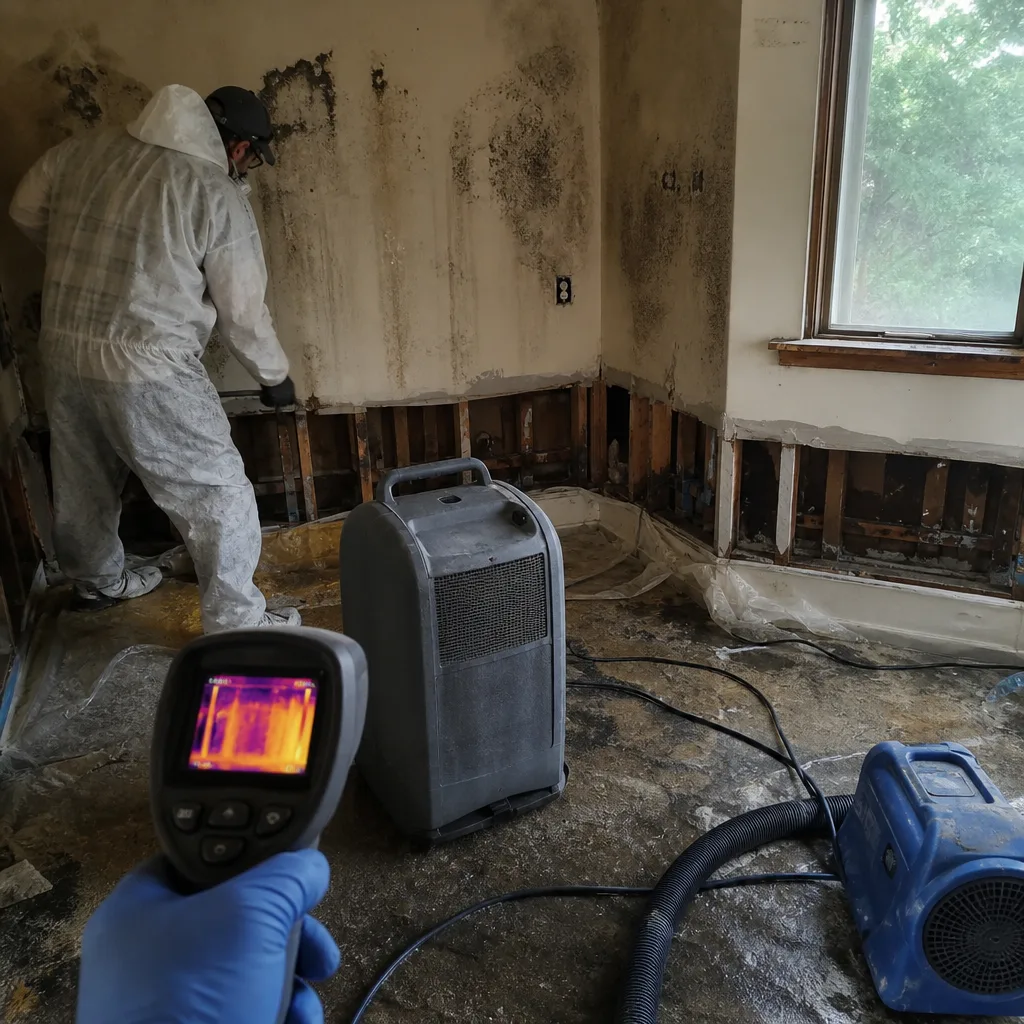
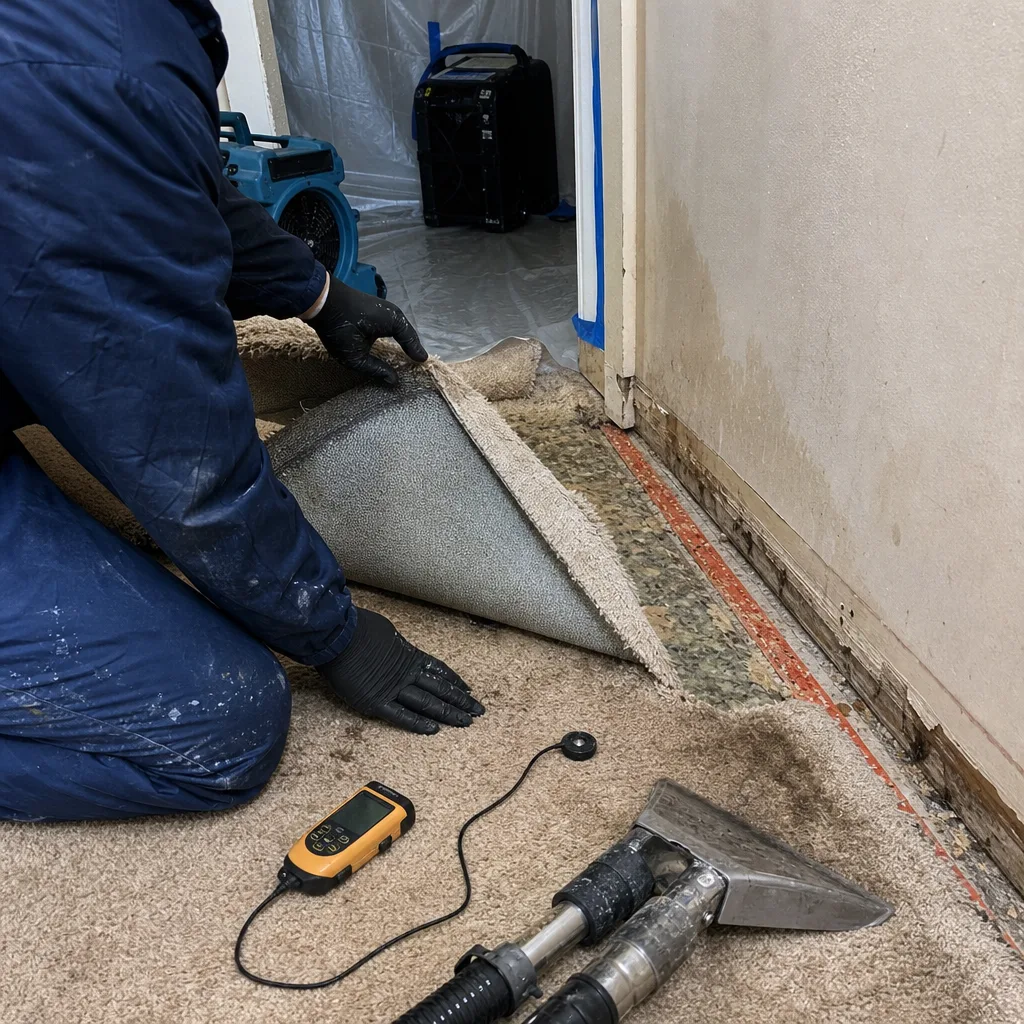
Every restoration technician at DryMark Restoration Hackensack home arrives with a pinless moisture meter, a thermo-hygrometer, and a camera. Homeowners can replicate the first two with a $35 moisture meter from a hardware store and a smartphone app that reads relative humidity. The goal is not precision to the tenth of a percent; it is creating a dated record that proves a condition existed at a specific time.
Efflorescence versus active moisture. Efflorescence is the white, powdery deposit that forms when water moves through masonry and leaves mineral salts behind. It indicates past water movement, not necessarily current activity. To distinguish: brush the surface with a dry cloth. If the powder returns within 48 hours after dry weather, water is still moving through the wall. A pinless moisture meter held against painted CMU (concrete masonry unit, the block construction common in Hackensack basements built 1940-1970) should read below 12%. Readings of 15% or higher indicate active moisture migration. We have documented efflorescence in Hackensack’s Anderson Street corridor where basement moisture readings reached 23% during spring thaw, with homeowners assuming the white residue was merely cosmetic.
Paint bubbling versus delamination. Small, isolated blisters in latex paint often indicate surface moisture from humidity spikes. Delamination, where large sheets of paint separate from the substrate, suggests liquid water behind the surface. The critical test: press the bubble with a fingertip. If it feels firm and dry, humidity is the likely cause. If it yields softly or moisture appears at the edge, water is migrating through the wall cavity. In Hackensack’s older homes with plaster over wood lath, delamination frequently tracks the path of leaking radiator supply lines or failed window flashing.
Pipe sweat versus slow leak. Cold water pipes in humid basements condense moisture that drips and pools. A slow leak from a fitting produces continuous wetness regardless of ambient humidity. The differentiation: dry the pipe thoroughly, wrap it with a paper towel secured by tape, and check after 24 hours. If the towel is wet only on the underside, it is condensation. If wetness penetrates from one specific point, the fitting is compromised. During Hackensack’s July and August humidity peaks, we see dozens of calls where condensation was mistaken for active leakage, and equally many where a pinhole leak was dismissed as seasonal sweating-read our DIY vs Professional Damage Restoration: The Hackensack Homeowner’s Decision Guide to know when to call.
Key measurements to log:
- Wood subfloor moisture: 10-14% is normal seasonal range; 16% warrants investigation; 20% indicates active water source
- Relative humidity in basement or crawl space: sustained above 60% supports microbial growth; above 70% is critical
- Surface temperature versus dew point: when surface temperature drops below dew point, condensation forms
- Drywall moisture content: below 1% is normal; 1-5% suggests elevated humidity; above 5% indicates liquid water contact
Staining Patterns on Hackensack’s Common Building Materials
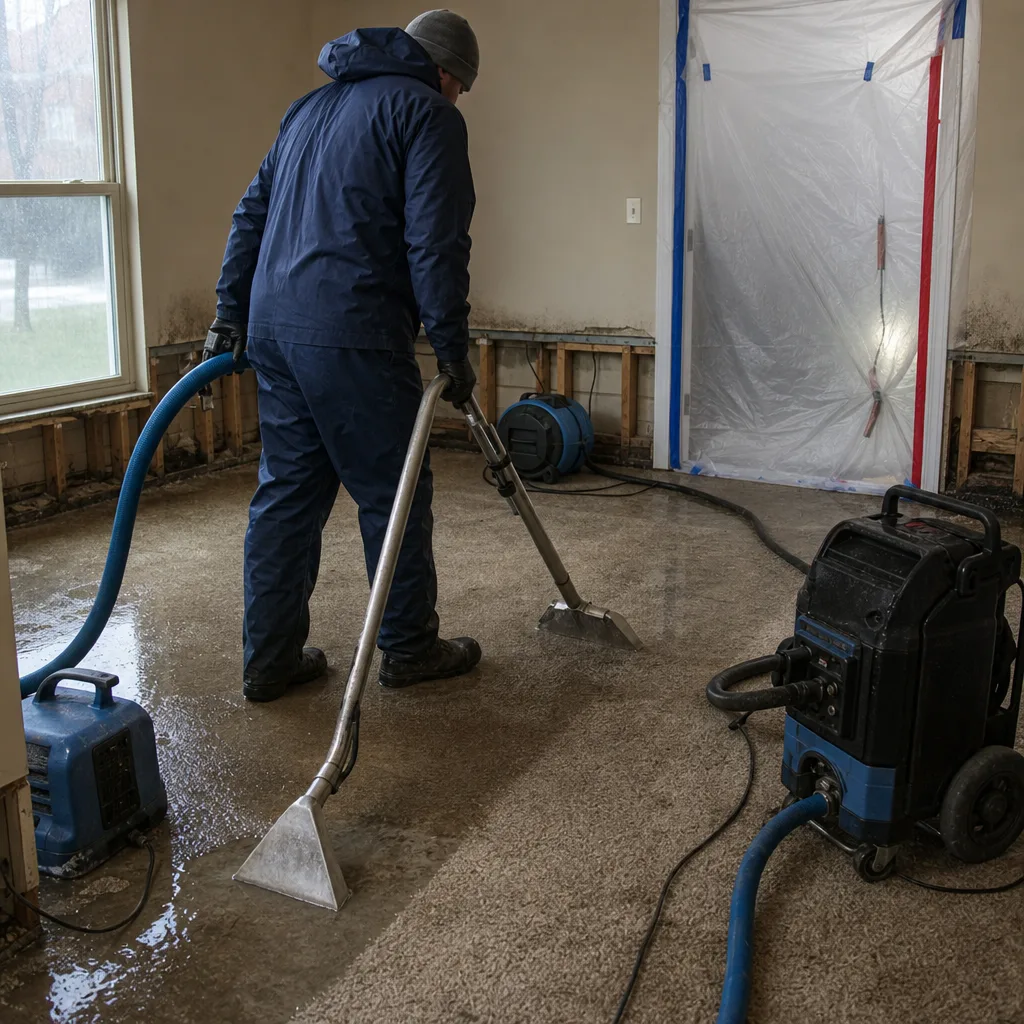
Hackensack’s housing stock spans nearly 120 years of construction methods, and each material tells a different story when water intrudes. Understanding the pattern language of your specific building components prevents misdiagnosis and supports accurate documentation.
Painted CMU basement walls. The concrete block basements found in Hackensack’s post-war neighborhoods, particularly south of Route 46, develop characteristic staining that reveals water source direction. Horizontal banding at the mortar joint level indicates rising damp, where groundwater wicks upward through capillary action. Vertical streaks from a single point suggest a crack or penetration at that location. A broad, irregular patch at the base of the wall typically means surface water is entering where the slab meets the foundation. The critical documentation: photograph the pattern, note the height of staining above the slab, and measure moisture at the highest point of discoloration. Rising damp rarely exceeds 18 inches; staining higher than that points to a different source.
Plaster walls and ceilings. In Hackensack’s pre-1950 housing, plaster over wood lath remains common. Water damage manifests differently than in modern drywall. Plaster absorbs water slowly but retains it tenaciously. A water stain on plaster often appears as a diffuse, yellow-brown map with irregular edges, and the surface may feel sound even when the plaster has detached from the lath behind it. The telltale test: tap with a knuckle. A hollow sound indicates detachment. We have replaced entire ceilings in Hackensack’s Fairmount Avenue historic district where homeowners delayed action because the plaster surface felt firm, while the material behind had separated and created a hidden reservoir.
Wood subfloors. Oak strip flooring, standard in Hackensack homes built 1920-1960, cups at the edges when moisture enters from below, and crowns in the center when moisture enters from above. The direction of cupping indicates source location. Document the pattern with photos showing light raking across the surface to highlight the deformation. Measure moisture content at multiple points: within the cupped area, at the perimeter of the affected zone, and in an unaffected area for baseline comparison. Subfloor moisture above 20% sustained for more than 72 hours triggers our protocol for Water Damage Restoration in Hackensack, as wood-destroying fungi establish within that window.
Vinyl and laminate flooring. These materials are impermeable barriers that trap moisture beneath them. Warning signs appear at the edges first: curling, gapping, or discoloration of the baseboard. The surface itself may appear normal while the subfloor beneath deteriorates. In a 2019 Hackensack job on Prospect Avenue, we removed visually intact luxury vinyl plank to find 34% moisture content in the plywood beneath, with fruiting mold growth that had spread four feet beyond any visible surface indication.
Odor as a Diagnostic Tool
Smell is the most immediate and most misinterpreted warning sign. Homeowners often dismiss persistent odors as “just basement smell” or “old house character.” In our experience at DryMark Restoration Hackensack, odor classification by source enables faster, more accurate response.
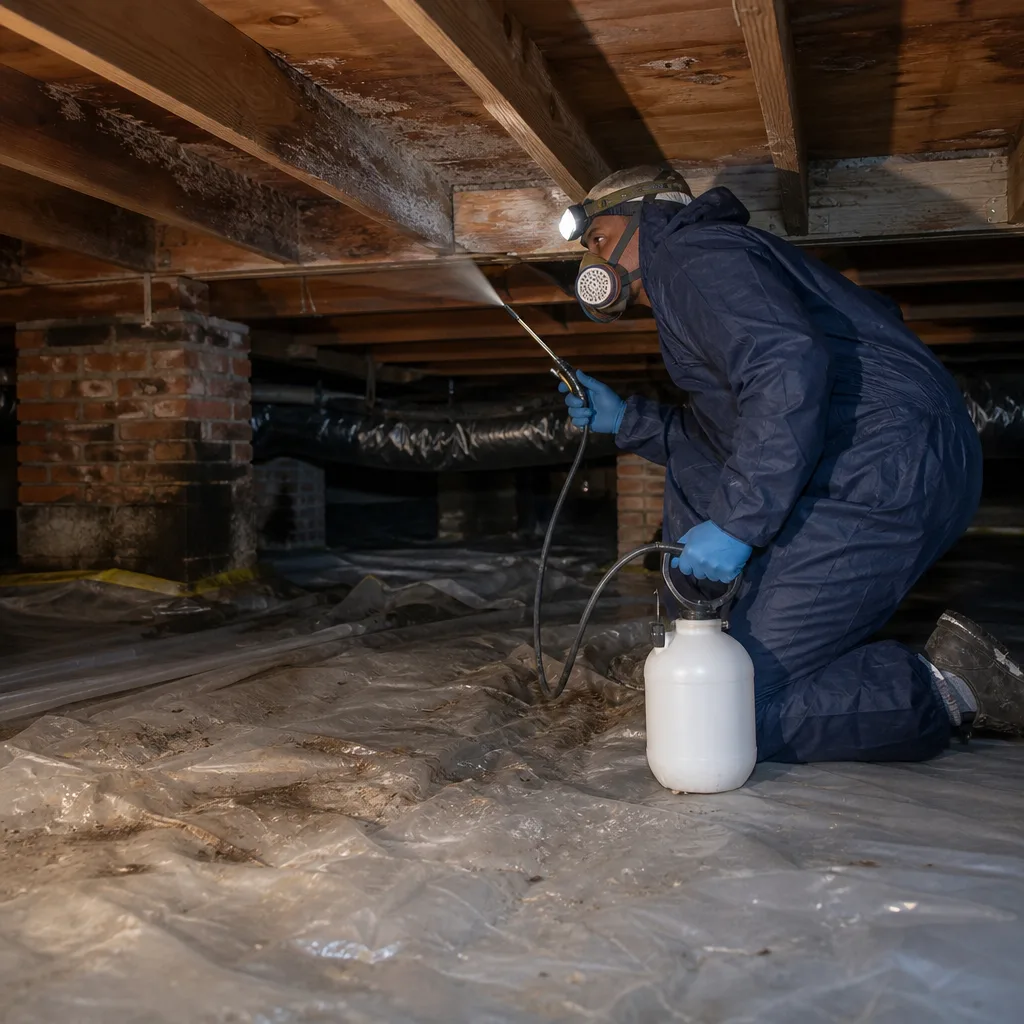
Musty odor. The characteristic earthy, damp smell indicates microbial volatile organic compounds (MVOCs) released by actively growing mold. It requires sustained moisture, typically relative humidity above 60% for 48-72 hours or liquid water contact. The intensity does not correlate with the extent of growth; a small, enclosed cavity with poor ventilation can produce stronger odor than a large, open area. Musty odor without visible mold growth suggests hidden colonization within wall cavities, under flooring, or in HVAC components. This condition warrants Mold Remediation in Hackensack assessment, particularly in homes with finished basements where vapor barriers trap moisture against foundation walls.
Sulfur or rotten egg odor. This demands immediate action. In Hackensack’s combined sewer areas, particularly in older neighborhoods with original sewer laterals, hydrogen sulfide from sewer gas indicates a dry trap, a compromised vent stack, or a sewer backup. The health risk is acute, not gradual. Evacuate the area and call a plumber or restoration professional before documenting. Do not attempt to “air out” the space, as the gas displaces oxygen and can reach lethal concentrations in confined areas.
Petroleum or fuel oil odor. In Hackensack, where above-ground and basement oil tanks remain common in pre-1980 construction, petroleum odor indicates tank failure, line leak, or fill pipe damage. New Jersey Department of Environmental Protection (NJ DEP) regulations require reporting of discharges within 15 minutes of discovery for quantities exceeding 25 gallons, or immediately if the discharge reaches surface water or groundwater. Homeowners who detect fuel odor should document the location, time, and approximate intensity, then contact both a restoration professional and NJ DEP’s spill hotline. The documentation protects against later liability claims, and the 15-minute reporting window is not negotiable.
Sharp, acrid odor after weather events. This often indicates electrical insulation heating or smoldering within wall cavities. Following Hackensack’s frequent summer thunderstorms and winter nor’easters, we respond to calls where water intrusion has compromised electrical components. The odor is distinct from ozone after a close lightning strike; it persists and intensifies. Turn off the affected circuit at the panel and call for professional assessment. This condition precedes Fire & Smoke Damage Restoration in Hackensack more often than homeowners expect.
Creating a Dated Photo-and-Note Log
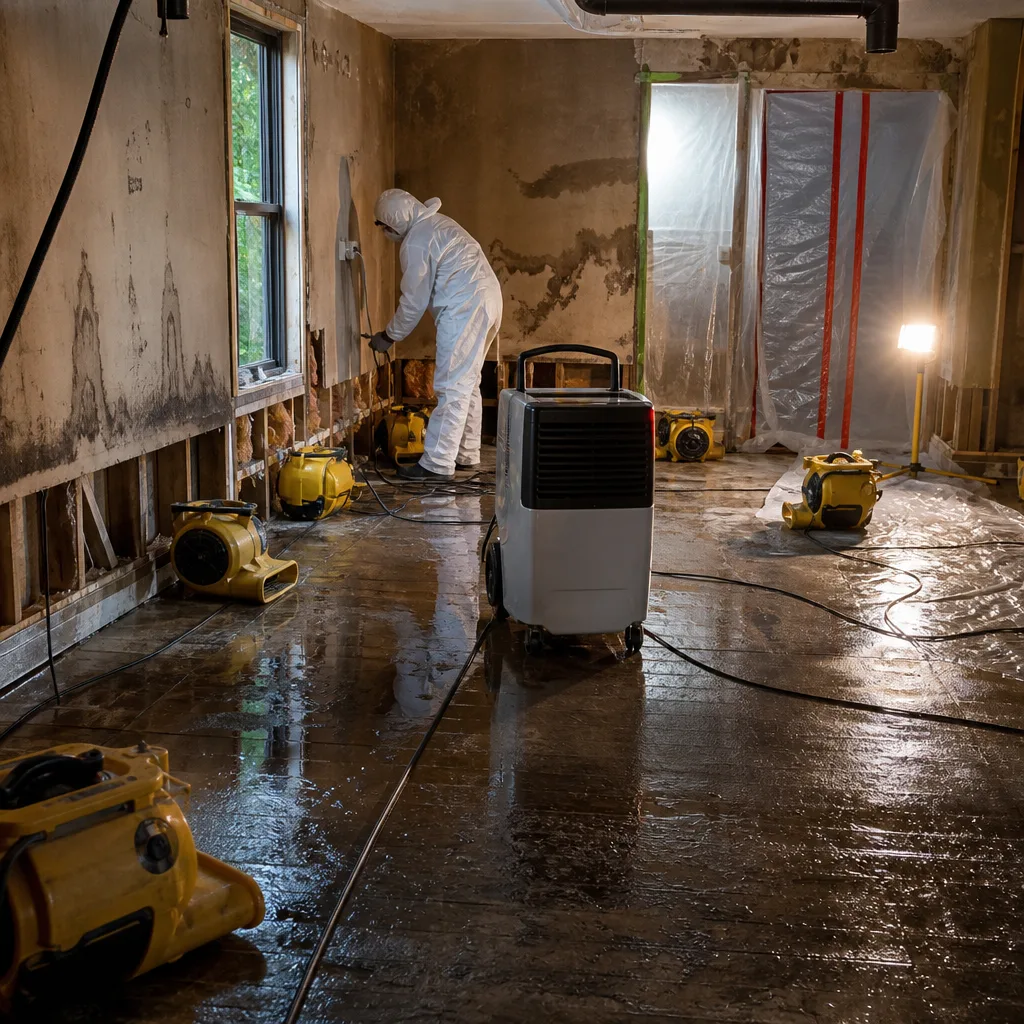
Insurance adjusters evaluate claims based on evidence, not testimony. A homeowner who states “I noticed water damage in March” invites the gradual deterioration exclusion. A homeowner who produces a dated photo with embedded GPS metadata and a contemporaneous note creates a factual record that is difficult to dispute.
Step 1: Enable automatic timestamp and location on your smartphone camera. On iPhone, Settings > Camera > Formats, ensure “Photo Capture” includes location. On Android, Camera app > Settings > Save location data. This embeds EXIF data that includes date, time, and geographic coordinates, verifiable by forensic tools if challenged.
Step 2: Photograph the condition with context. Take three shots for each observation: a wide shot showing the room and the affected area’s location; a medium shot showing the full extent of the condition; and a close-up with a ruler or coin for scale. Include the moisture meter display in at least one frame if applicable.
Step 3: Create a contemporaneous note within 24 hours. Use a notes app that timestamps entries, or email yourself with the photo attachment. The note should state: date and time of observation; specific location by room and wall orientation; measurement taken and instrument used; any preceding event (storm, plumbing work, temperature change); and any action taken (dehumidifier deployed, plumber called, etc.).
Step 4: Store in two locations. Cloud storage and local backup. Email to yourself as additional timestamp verification.
Step 5: Update if condition changes. New photos and notes at each significant change, whether improvement or deterioration. A series documenting progression over time is stronger evidence than any single observation.
In Hackensack’s 2021 Ida flooding, homeowners with documented pre-event basement conditions successfully distinguished new damage from pre-existing moisture issues. Those without documentation faced protracted disputes over whether staining was flood-related or long-term deterioration.
NJ Landlord-Tenant Disclosure Obligations
Homeowners in Hackensack who rent any portion of their property, whether a basement apartment, accessory dwelling, or single room, operate under specific New Jersey disclosure requirements that intersect with damage warning signs. Failure to document and disclose can convert a restoration claim into a habitability lawsuit.
N.J.S.A. 46:8-44 (The Truth in Renting Act) and N.J.A.C. 5:10-22.1. Landlords must maintain rental premises in a safe and decent condition. Water damage, mold growth, or pest infestation attributable to moisture compromise this standard. The critical documentation requirement: when a landlord receives written notice of a condition from a tenant, the clock starts on the statutory repair period.
Mold disclosure. While New Jersey does not have a standalone mold disclosure statute for residential leases, the implied warranty of habitability and the New Jersey Department of Community Affairs’ Housing Code (N.J.A.C. 5:28-1.3) require that units be free from conditions that endanger health. Visible mold exceeding 10 square feet, or any mold accompanied by musty odor and moisture readings above 16%, triggers repair obligations. Landlords who fail to respond within reasonable time, typically interpreted as 30 days for non-emergency conditions, face rent abatement claims and potential relocation cost liability.
Lead-based paint and water damage. Pre-1978 rental properties in Hackensack require federal lead disclosure. Water damage that disturbs painted surfaces creates potential lead hazard conditions, triggering both repair and notification obligations to tenants. Document the water source, the affected painted surface area, and any dust or debris generated.
Bedbug and moisture association. While not intuitive, chronic moisture conditions attract pests that complicate landlord obligations. Documented moisture readings and remediation records support defense against habitability claims that attribute pest presence to landlord neglect.
For homeowners who self-manage rental units in Hackensack, we recommend integrating property inspection logs with restoration documentation. The same moisture meter reading that guides your maintenance schedule becomes evidence of proactive management if a tenant dispute arises.
Hackensack Seasonal Risks and Warning Sign Timing
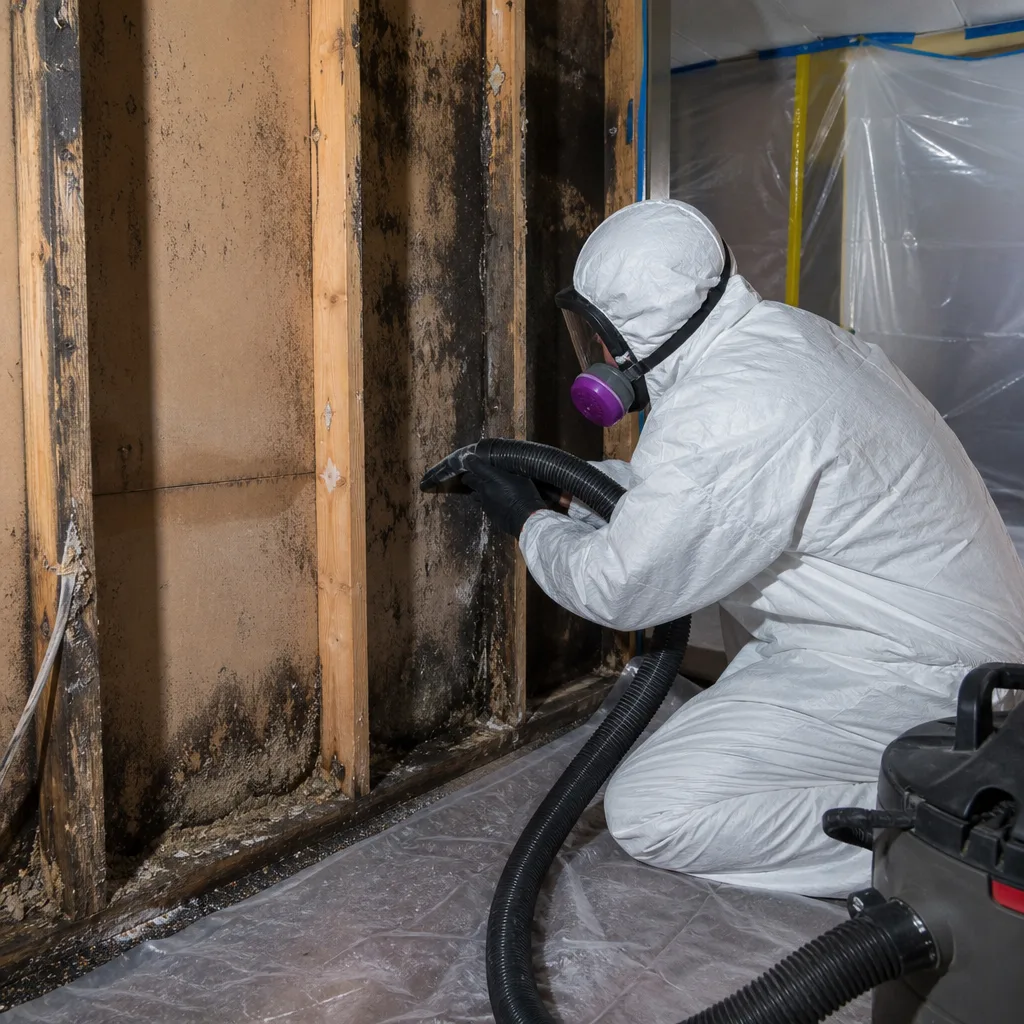
Hackensack’s climate generates predictable damage patterns that informed homeowners anticipate. The Hackensack River’s tidal influence, combined with urban heat island effects and freeze-thaw cycling, creates specific seasonal windows when warning signs emerge and when they accelerate.
January-February: Freeze-thaw pipe stress. Temperatures cycling above and below 32°F stress plumbing in exterior walls and unheated crawl spaces. Warning signs appear 24-72 hours after the coldest period: reduced flow at fixtures (indicating partial ice blockage), unusual sounds in walls (expanding ice pressure), or visible condensation on pipe access panels. The critical observation period is the first thaw, when ice blockages release and reveal splits or joint failures that were sealed by ice.
March-April: Spring thaw and groundwater rise. Hackensack’s water table, already high due to river proximity, peaks with snowmelt and spring rain. Basements that were dry in February show efflorescence, seepage at slab joints, or sump pump activation patterns that differ from previous years. Document sump cycle frequency: a pump that operated twice daily last March and now runs hourly indicates changed hydrology, not pump failure.
May-June: Humidity spike and HVAC transition. First air conditioner use reveals condensate drainage problems: water at the air handler, stains on ceiling panels below attic units, or musty odor when the system starts. The timing is diagnostic; odor or moisture that appears only when cooling runs indicates condensate management, not structural water intrusion.
July-September: Convective storm season. Hackensack’s position in the urban corridor generates intense rainfall rates. Window well flooding, gutter overflow, and wind-driven rain through aging window seals produce acute but often hidden damage. Inspect attic spaces after each significant event, focusing on chimney flashing, vent penetrations, and valley intersections where debris accumulates.
October-December: Leaf load and drainage compromise. Hackensack’s mature tree canopy deposits significant organic material. Clogged gutters overflow, saturating fascia and soffit. Downspouts disconnected by freeze action direct water against foundations. The warning sign is often indirect: paint failure at the fascia board, or basement moisture that correlates with rainfall but not with groundwater patterns.
Common Mistakes to Avoid
- Assuming dry surface means dry assembly. Vinyl flooring, ceramic tile, and epoxy coatings trap moisture in subfloors and wall cavities. We have removed “dry” surfaces in Hackensack homes to find saturated substrates and active mold growth that had progressed for months.
- Using bleach on mold without addressing moisture source. Bleach discolors mold but does not penetrate porous materials. The moisture problem persists, and the visible evidence is masked until the condition worsens. Proper Mold Remediation in Hackensack requires source elimination and controlled drying, not surface treatment.
- Delaying documentation until after cleanup. Insurers require evidence of pre-cleanup conditions to evaluate coverage. Photograph before touching anything, even standing water that seems obviously damaging.
- Trusting consumer-grade humidity readings in single locations. A single hygrometer in one corner of a basement does not represent conditions behind walls or under flooring. Multiple measurement points, recorded over time, reveal patterns that single readings obscure.
- Ignoring “minor” plumbing leaks. A dripping angle stop under a bathroom sink, typical in Hackensack’s older homes with original brass valves, can release 30 gallons monthly into a cabinet and subfloor. The damage is hidden until the vanity base delaminates or the adjacent room’s baseboard stains.
- Failing to distinguish restoration from reconstruction. Water extraction, drying, and antimicrobial application are restoration services typically covered by insurance. Replacing finished materials is reconstruction, often subject to separate limits and deductibles. Document which phase each activity belongs to, and obtain written scope and pricing for each.
- Accepting verbal assurances without written scope. Haven Standard, Clause 1 exists because we have seen the consequences. Every restoration contractor should provide written price before work begins; absence of this documentation is a signal to seek alternatives.
When to Call a Professional
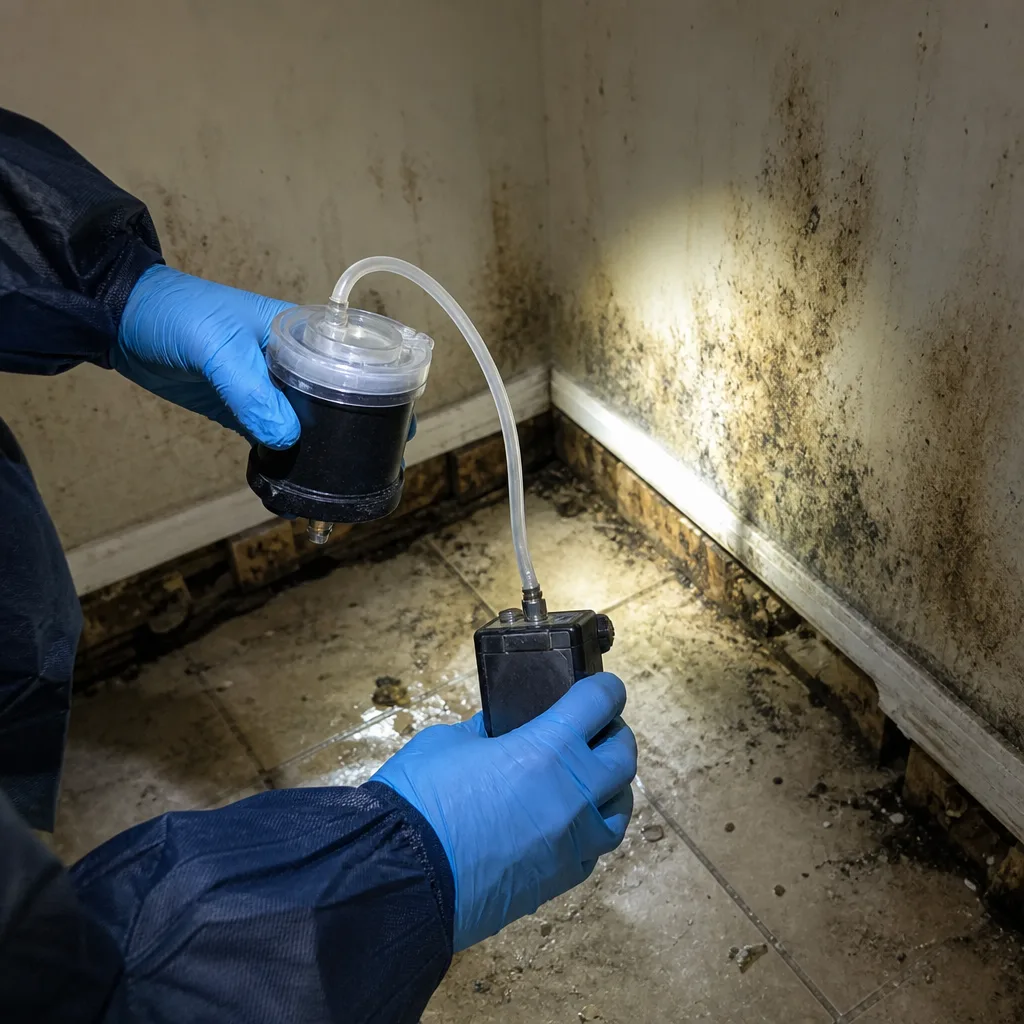
Call for professional assessment when moisture readings exceed 20% on any wood material, when musty odor persists beyond 48 hours after dehumidification, when you cannot identify or safely access the water source, or when any odor suggests sewer gas or petroleum release. Call immediately for electrical odor, visible mold exceeding 10 square feet, or any condition affecting a rented unit where tenant notice has been given.
DryMark Restoration Hackensack offers free estimates in Hackensack. Our technicians arrive with documented credentials, professional-grade drying systems from Dri-Eaz and Phoenix, and the written scope protocol that Haven Standard, Clause 1 requires. Call (551) 213-3409. Live phone coverage is available 24 hours a day, 7 days a week with no voicemail on emergency lines.
Frequently Asked Questions
Reputable restoration companies in Hackensack typically provide initial moisture assessment and written estimate at no charge. At DryMark Restoration Hackensack, estimates are always free, and we offer a Free Second Opinion on any competitor’s written estimate. Be cautious of firms that charge for assessment or refuse to provide written scope before requesting work authorization. Call (551) 213-3409 for an exact quote - estimates are free.
Coverage depends on whether the damage is determined to be sudden and accidental versus gradual deterioration. Your documented warning sign log strengthens the sudden occurrence argument by establishing when the condition was first observable and that you acted within reasonable time. Without documentation, insurers frequently apply gradual deterioration exclusions. We coordinate directly with adjusters and provide the photo-documented evidence that supports covered loss determinations.
For active water intrusion and emergency conditions, DryMark Restoration Hackensack maintains live phone coverage 24 hours a day, 7 days a week with no voicemail on emergency lines. Dispatch response varies by current event volume, but our protocol prioritizes active water sources and sewage conditions that present immediate health risks. Reconstruction and non-emergency work is scheduled after written scope and pricing are agreed, typically within 48-72 hours of estimate approval.
Remediation is required when mold growth exceeds 10 square feet of visible colonization, when growth is concealed within wall cavities or HVAC systems, or when occupants report health symptoms potentially associated with mold exposure. Surface cleaning with appropriate antimicrobial is sufficient only for limited, accessible growth on non-porous materials where the moisture source has been eliminated and verified dry. We assess each condition against IICRC S520 standards and document our recommendation in writing.
At DryMark Restoration Hackensack, we coordinate directly with your adjuster, providing the daily drying logs, photo documentation, and written scope that support claim payment. Our documentation-first approach, developed from founder Alicia Brennan’s claims adjuster background, produces the evidence file that turns restoration invoices into payable claims. You remain informed of all communications, but we handle the documentation burden.
We deploy professional-grade drying systems from Dri-Eaz, Phoenix, and XPOWER, with Injectidry cavity drying systems for wall and ceiling assemblies. Equipment selection matters because different materials require specific airflow, temperature, and vapor pressure differentials for optimal drying. Psychrometric data, the measurement of air temperature, relative humidity, and specific humidity, guides our equipment configuration. This documentation, recorded daily, demonstrates to insurers that drying was conducted to established scientific standards, not guesswork.
The Bottom Line
Warning signs are only as valuable as the documentation that preserves them. In Hackensack’s demanding climate and varied housing stock, the homeowner who measures, dates, and records observations transforms vague concern into actionable evidence. The moisture meter reading, the timestamped photo, the contemporaneous note - these are the tools that prevent “gradual” from appearing in your claim file. When conditions exceed your comfort or capability, professional assessment with written scope and documented methodology provides the path forward. Explore more guides & resources for additional homeowner support. The Haven Standard exists to ensure that path is clear, priced, and guaranteed.
Written by Alicia Brennan, Owner at DryMark Restoration Hackensack, serving Hackensack since 2011.