
Last updated September 23, 2026
Free visual inspection and a written scope of work before any mitigation begins - photos, moisture readings, and drying logs go in your claim file
The scope we write is the scope we bill. Anything new gets shown to you, in writing, before we touch it.
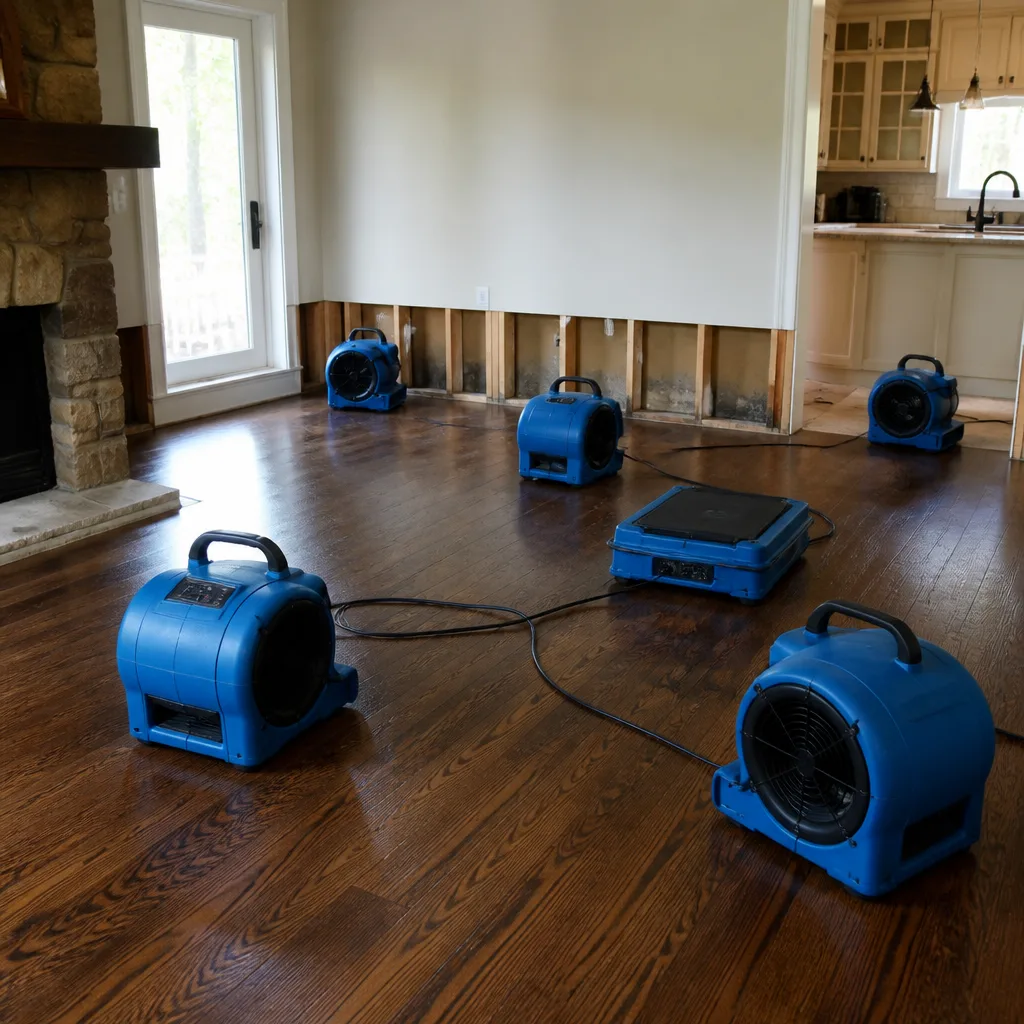
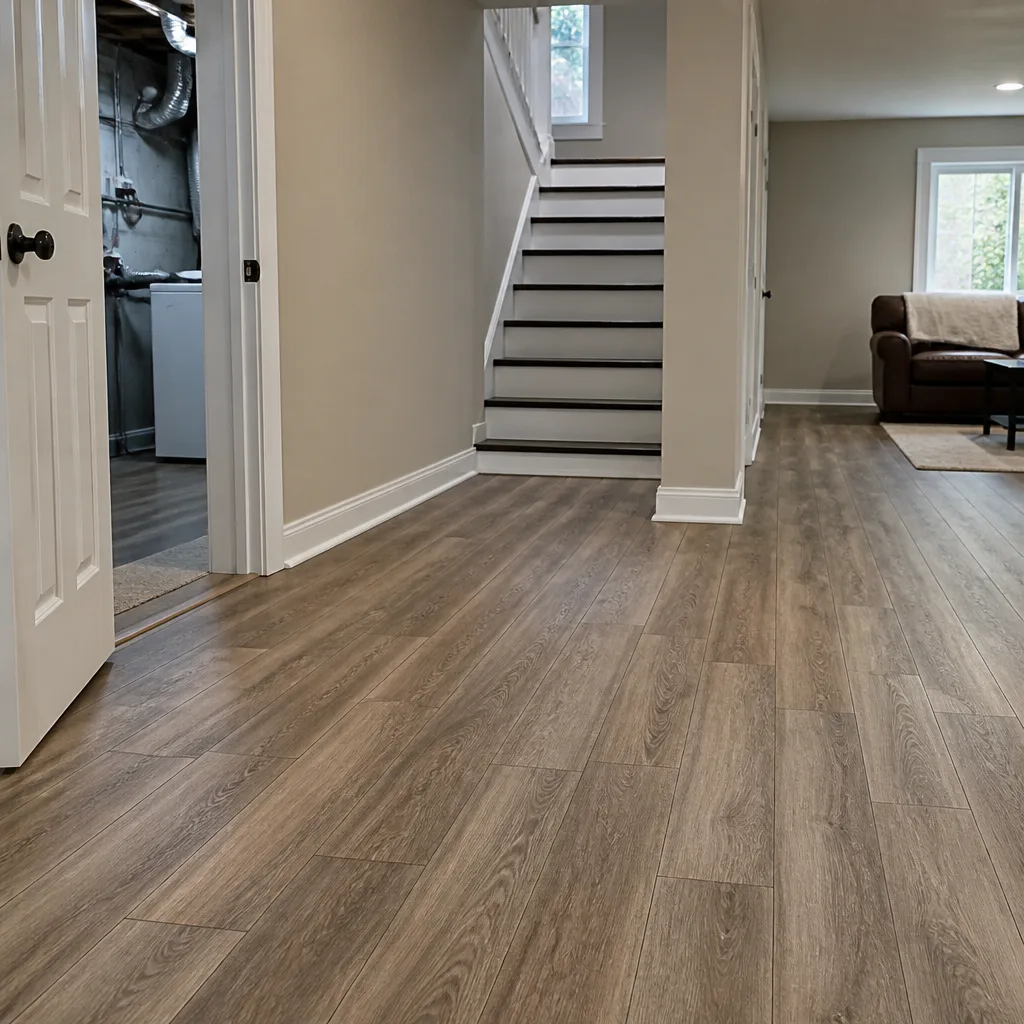
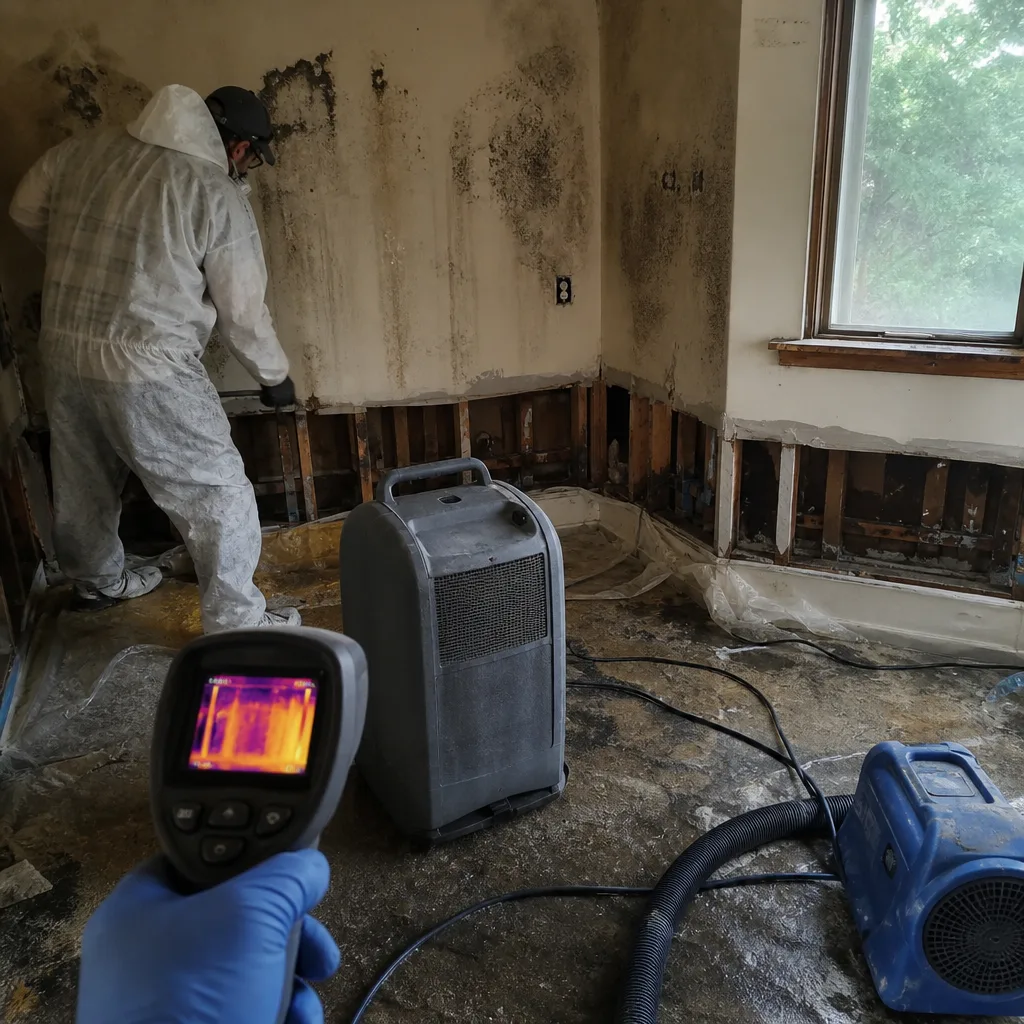 Before
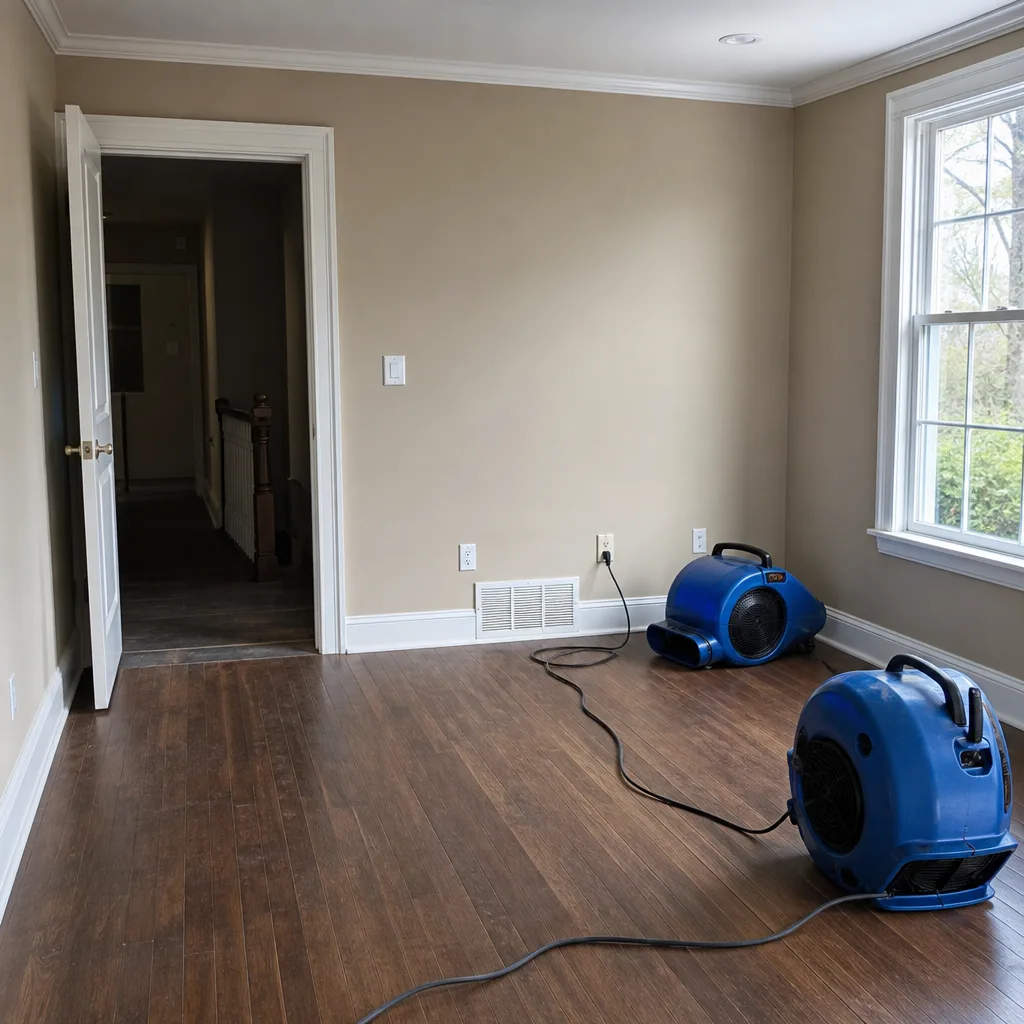 After
After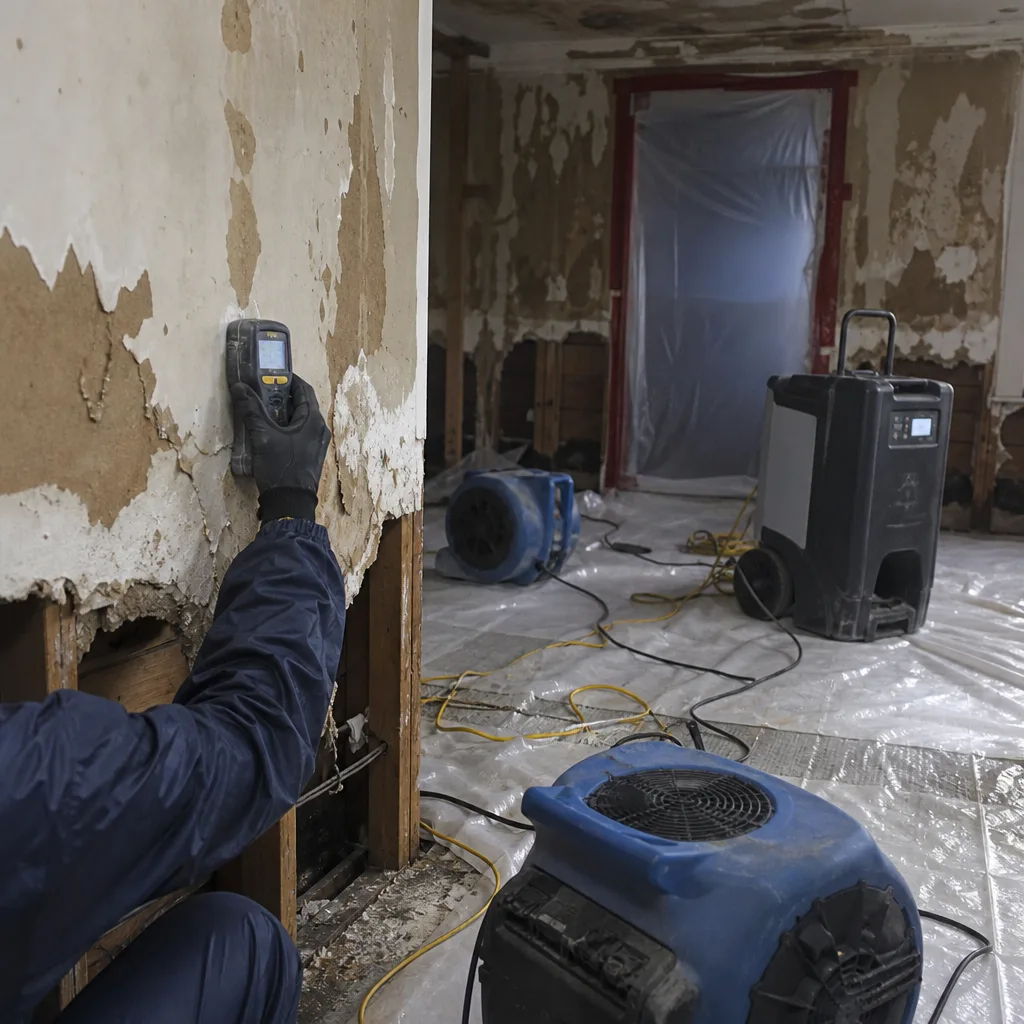 Before
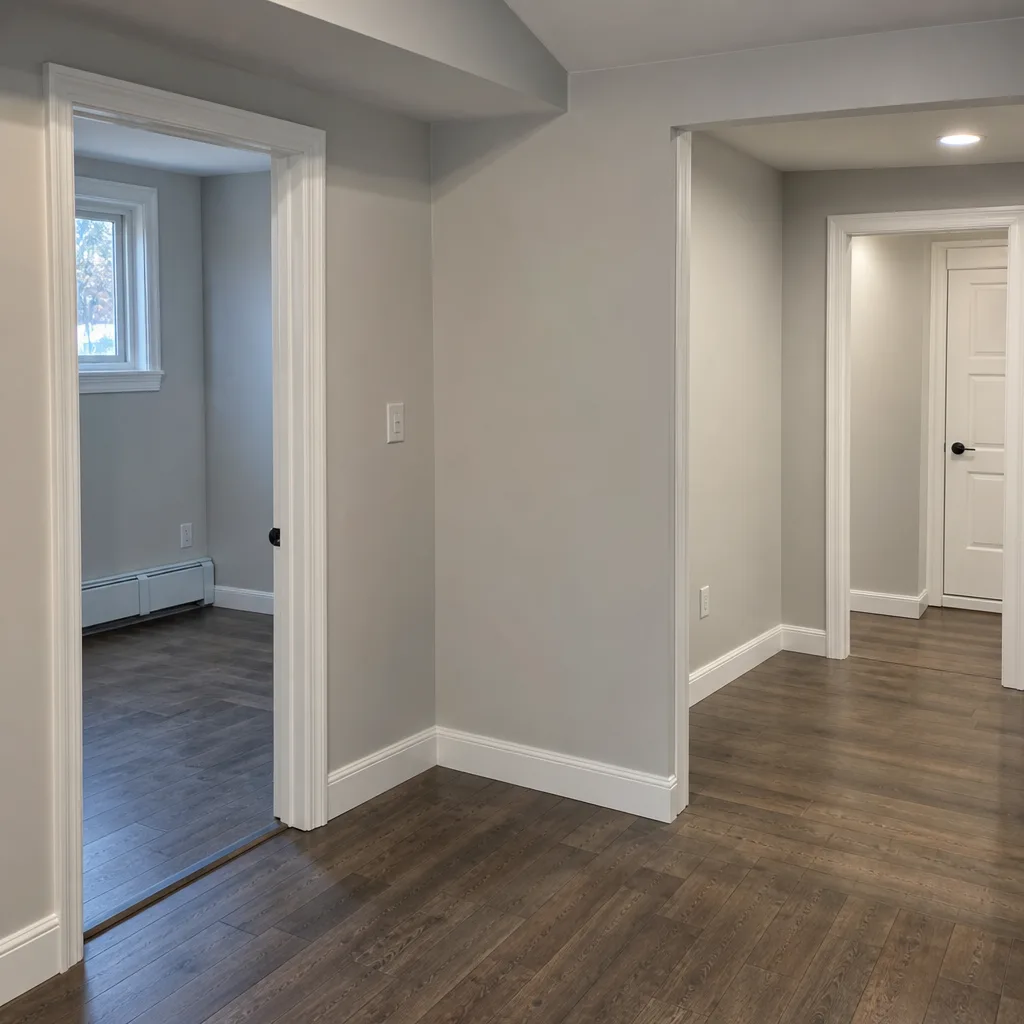 After
After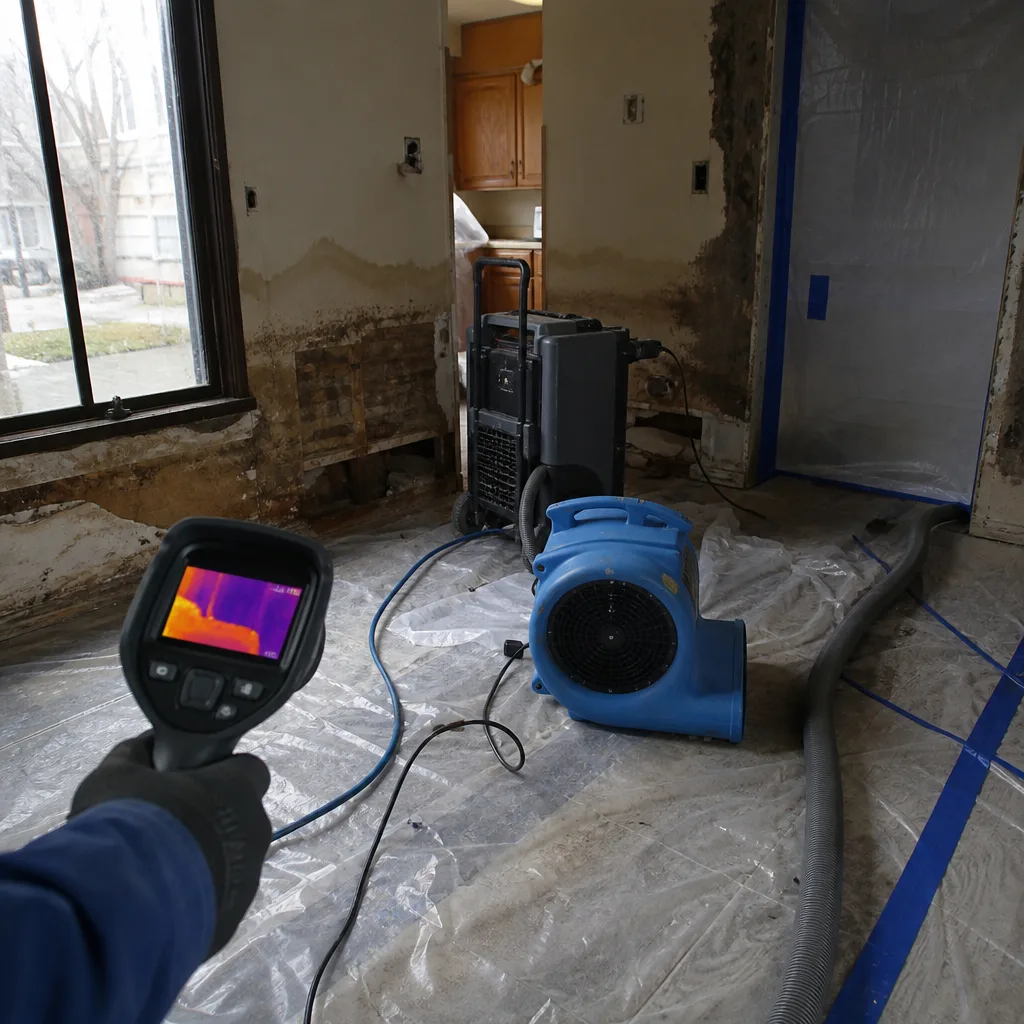 Before
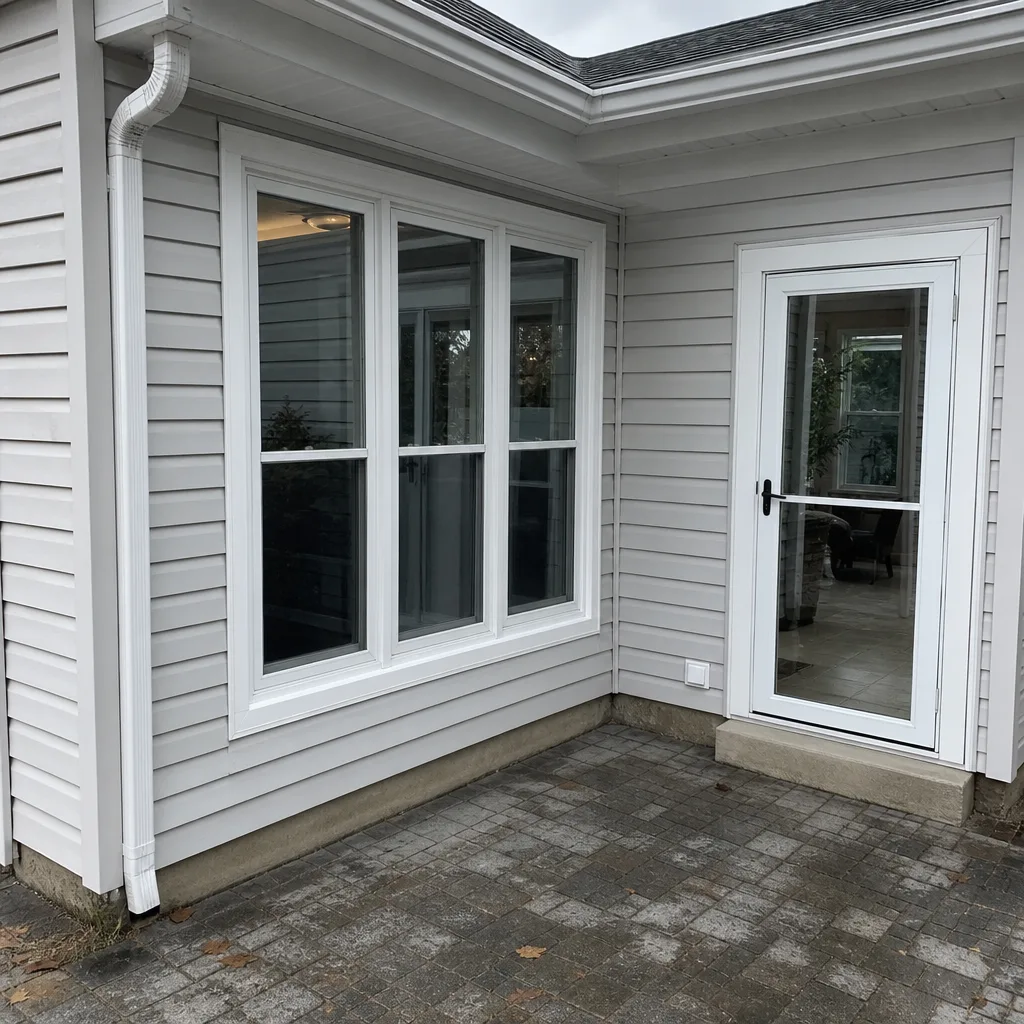 After
AfterDIY vs Professional Damage Restoration: The Hackensack Homeowner’s Decision Guide
A Hackensack homeowner rents a dehumidifier from the hardware store on River Street, runs it for five days, replaces the wet drywall themselves, and believes the job is done. Six months later, their insurance claim is denied for the secondary mold damage that spread through the wall cavity. The repair was thorough. The documentation was not. In Hackensack’s humid continental climate, where summer dew points regularly push 70°F and winter freeze-thaw cycles stress building envelopes, the gap between doing the work and proving the work is often what separates a paid claim from a denied one. This guide - alongside our How to Hire a Damage Restoration Contractor in Hackensack: A Step-by-Step Guide - reframes the DIY question around evidence, not effort: what can you document, what must you document, and when does the lack of a professional record cost more than the service itself.
Quick Answer
DIY damage restoration in Hackensack is viable only for Category 1 water events under 150 square feet where no insurance claim will be filed, you own or can rent commercial-grade drying equipment, and you can produce daily moisture logs with material-specific readings. For everything else - Category 2 or 3 water, mold growth exceeding 10 square feet, fire or smoke damage, or any scenario where insurance reimbursement matters - professional restoration is the lower-cost path because the documentation a certified technician produces is what converts a bill into a payable claim.
Table of Contents
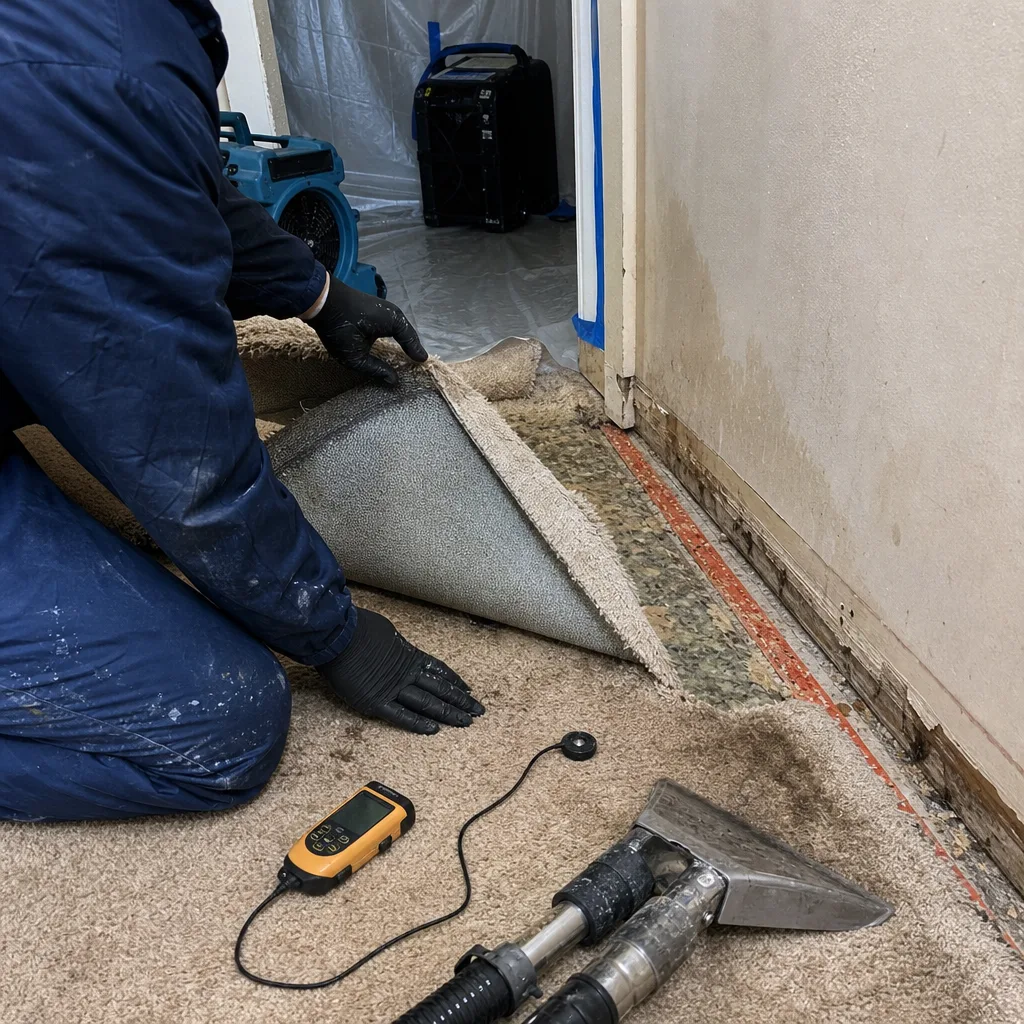
- Where DIY Restoration Actually Works (And Where It Doesn’t)
- The True Cost of DIY: Equipment, Time, and Secondary Damage
- The Documentation Gap: What Insurers Actually Require
- NJ Legal Requirements: What You Cannot Legally Do Yourself
- Hackensack Climate Risks That Favor Professional Drying
- A Three-Variable Decision Matrix for Hackensack Homeowners
- What Professional Restoration Actually Delivers
- Common Mistakes to Avoid
- When to Call a Professional
- Frequently Asked Questions
- The Bottom Line
BeforeAfterWhere DIY Restoration Actually Works (And Where It Doesn’t)
DIY restoration has a narrow window of viability. We have seen homeowners in Hackensack handle small, clean-water incidents successfully. The key is recognizing the boundary before crossing it.
DIY-viable tasks:
- Surface water extraction from hard floors using a wet/dry vacuum with adequate capacity (12+ gallon)
- Moving contents to unaffected areas and creating airflow with box fans
- Documenting initial conditions with dated photos showing water lines, affected materials, and source
- Removing and bagging unsalvageable porous materials (carpet pad, baseboard) for disposal
- Running a consumer dehumidifier in a small, enclosed space with continuous drainage
Where DIY fails:
- Water migration behind walls or under flooring - visible dryness means nothing for cavity moisture
- Any event involving sewage, groundwater, or dishwasher/washing machine discharge (Category 2 or 3)
- Mold growth on porous materials exceeding 10 contiguous square feet, which triggers NJ remediation licensing requirements
- Fire or smoke damage, where acidic residues continue degrading surfaces until properly cleaned
- Any scenario where an insurance claim will be filed without professional documentation
The critical distinction is water category. Category 1 - clean water from a burst supply line - degrades to Category 2 within 24 to 48 hours in Hackensack’s summer humidity, and to Category 3 within 72 hours if drying stalls. A homeowner who starts DIY on Monday and realizes Tuesday the dehumidifier is not pulling enough moisture has already crossed into territory requiring professional intervention and more extensive documentation.
In neighborhoods like Fairmount or Hackensack Heights, where many homes date to the 1940s and 1950s, plaster-and-lath walls and true dimensional lumber framing absorb water differently than modern drywall and engineered studs. DIY moisture assessment with a pinless meter often misses the moisture trapped in lath keys or beam ends, leading to replacement of visible drywall while rot establishes in the structural frame.
The True Cost of DIY: Equipment, Time, and Secondary Damage
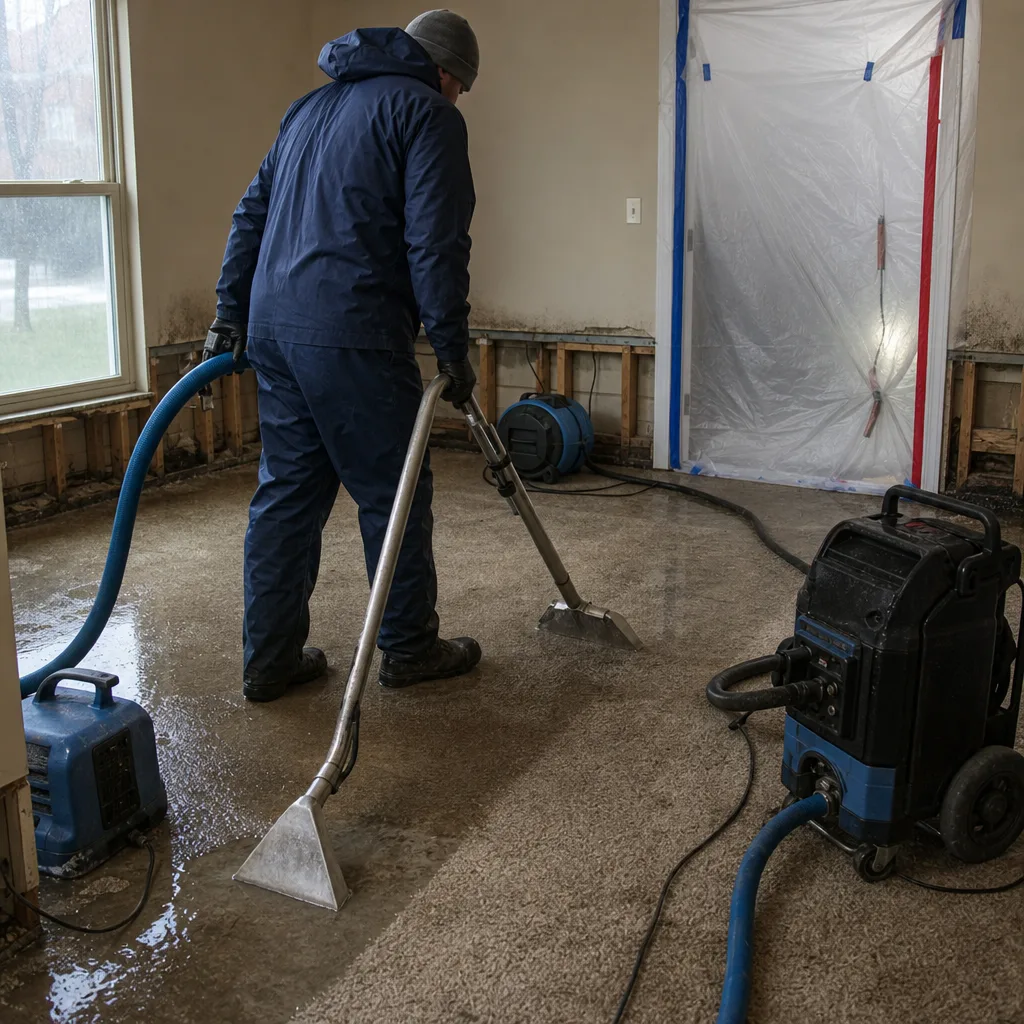
Homeowners routinely underestimate the equipment gap between consumer and professional drying systems. The calculation matters because drying time directly determines whether secondary damage - mold, swelling, structural distortion - accumulates.
Commercial-grade equipment rental costs in the Hackensack market (2024-2025 ranges):
| Equipment | Consumer Purchase/Rental | Commercial Rental (Daily/Weekly) | Performance Difference |
|---|---|---|---|
| Dehumidifier (LGR) | $250-$400 purchase (70-pint consumer unit) | $85-$120/day, $340-$450/week | LGR units remove 130-180 pints/day at 80°F/60% RH; consumer units remove 50-70 pints under ideal conditions |
| Air Mover (Axial) | $60-$120 purchase (box fan) | $25-$35/day, $90-$120/week | Commercial axial movers push 3,000+ CFM at targeted angles; box fans circulate air without directed velocity |
| Negative Air Machine | Not available to consumers | $150-$220/day | Required for Category 2/3 and mold containment; HEPA filtration to 0.3 microns |
| Injectidry Floor Drying System | Not available to consumers | $200-$300/day plus panel rental | Forced airflow through subfloor cavities without demolition; can save hardwood floors that surface drying destroys |
| Thermal Imaging Camera | $400-$800 purchase (basic FLIR) | $75-$125/day | Identifies water migration paths invisible to moisture meters; essential for mapping hidden damage |
The arithmetic is straightforward for a typical Hackensack basement flood of 400 square feet. A homeowner running two consumer dehumidifiers and four box fans might achieve functional dryness in 7 to 10 days, assuming no hidden migration. The same space with two LGR dehumidifiers, six axial air movers, and a thermal imaging survey dries in 3 to 4 days with documented proof. At commercial rental rates, the professional equipment costs $1,200-$1,800 for the shorter period. The consumer approach costs $600-$900 in purchased or rented equipment plus the risk of 3 to 6 additional days of moisture accumulation.
Those extra days matter. Mold colonization on wet gypsum begins at 48 to 72 hours at 70°F and 60% relative humidity. Hackensack’s July averages exceed both thresholds. Every day of extended drying is a day of biological activity that may require remediation beyond simple drying, turning a $2,000 dry-out into a $6,000 mold remediation with asbestos testing if the home was built before 1990. Our Seasonal Damage Restoration Care for Hackensack: Year-Round Homeowner’s Guide breaks down how each season shifts these risks.
We have documented this repeatedly in Hackensack’s older housing stock. A homeowner in the Prospect Avenue corridor attempted DIY drying after a washing machine supply line failed. They ran a consumer dehumidifier for eight days, replaced visible drywall, and called us three months later when mold appeared behind the new drywall. The original water had wicked up the plaster lath to the sill plate. The $1,400 they “saved” on professional drying became an $8,400 mold remediation with structural repair, documented to IICRC S520 standards, with no insurance coverage because the initial event was never professionally documented.
The Documentation Gap: What Insurers Actually Require
This is where the DIY-versus-professional question turns. Most Hackensack homeowners assume the question is whether they can do the work. The real question is whether they can produce the record that makes the work reimbursable.
What a certified restoration technician documents on a water damage job:
- Psychrometric data - temperature, relative humidity, and specific humidity readings, taken daily at multiple points, used to calculate vapor pressure differential (the force that actually drives moisture from materials into the air)
- Moisture mapping - readings by material type (gypsum, dimensional lumber, OSB, concrete) with baseline, daily, and goal values, because each material has a different equilibrium moisture content
- Equipment placement logs - which machine, which serial number, placed at what coordinates in the structure, moved when, and why
- Daily drying logs - the progressive record that proves the structure was returned to dry standard before reconstruction began
- Photo documentation - dated, geotagged images of conditions, work in progress, and completion, with each image referenced in the written scope
- Written scope of work - line-item description of every action, material, and labor hour, with a fixed price agreed before work begins
What a homeowner with consumer tools can realistically produce:
- Photos of visible water and removed materials
- Purchased or rented equipment receipts
- Pin or pinless moisture meter readings at accessible surfaces
- Personal notes on drying progress
The gap is not in effort or intelligence. It is in the standardized format, the material-specific benchmarks, and the chain of documentation that an adjuster recognizes as evidence rather than assertion. Insurance claims are paid on evidence. A homeowner who produces a folder of photos and a Home Depot receipt has an assertion. A restoration company that produces a 30-page drying log with psychrometric data, moisture mapping, and equipment logs has evidence.
At DryMark Restoration Hackensack home, we built our documentation protocols around this exact gap. Alicia Brennan founded the company in 2011 after years as a claims adjuster watching homeowners lose legitimate claims for lack of paperwork. Every job we complete includes the daily drying logs, photo record, and written scope that convert restoration work into payable claims. The Water Damage Restoration in Hackensack process we follow documents to IICRC, RIA, and IFA standards not as marketing language, but as the minimum threshold for claim acceptance.
The Haven Standard, Clause 1, requires a written price before any work starts. This is not merely customer protection. It is claim protection. An adjuster reviewing an invoice where the scope and price were agreed in advance, with photo documentation of pre-existing conditions, has far fewer grounds to dispute payment than one reviewing a homeowner’s collection of receipts and self-assessments.
NJ Legal Requirements: What You Cannot Legally Do Yourself
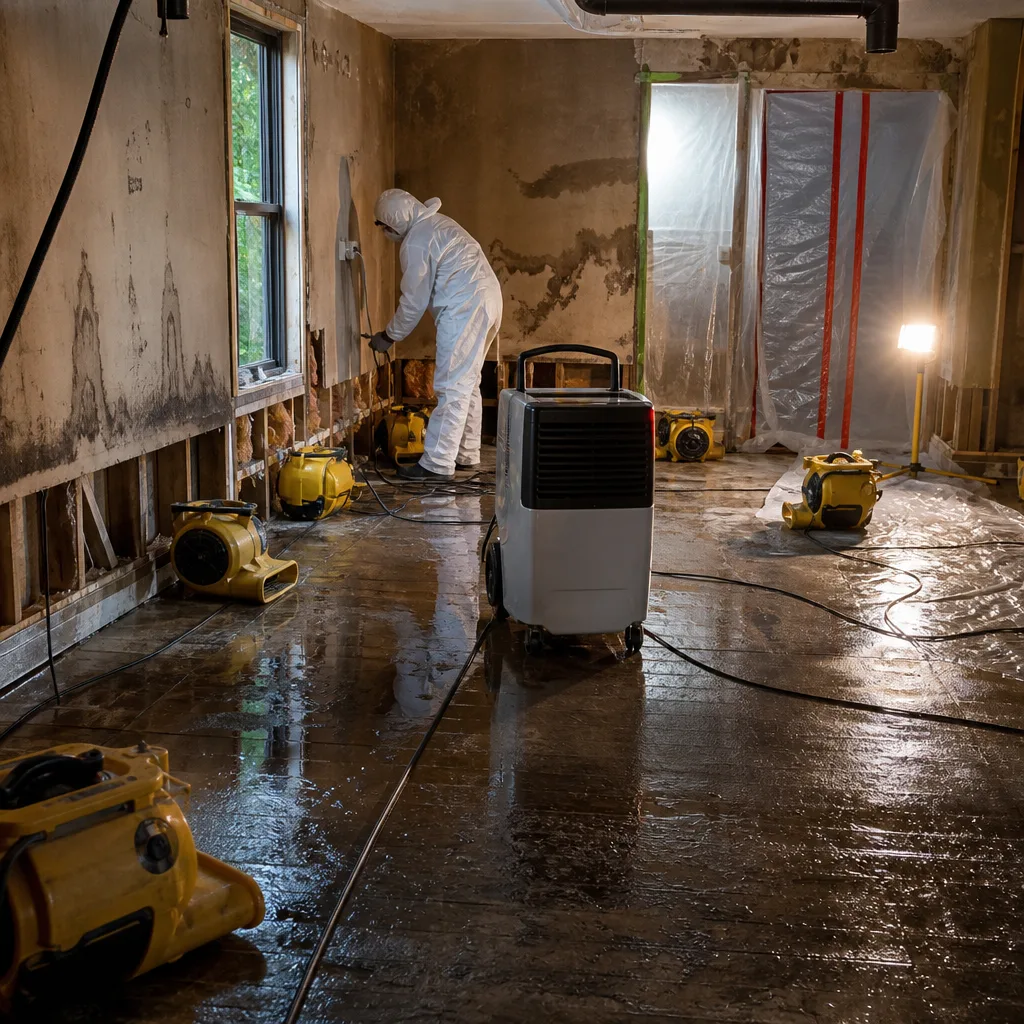
New Jersey law and DEP guidance draw clear lines around certain restoration tasks. Crossing them creates personal liability and voids insurance coverage regardless of how well the work was performed.
Mold remediation above 10 square feet: NJ DEP guidance, consistent with EPA recommendations, requires licensed mold remediation for contiguous mold growth exceeding 10 square feet on porous materials. This is not a suggestion. A homeowner who removes 15 square feet of moldy drywall without proper containment, negative air pressure, and disposal documentation assumes liability for any cross-contamination or health effects. Their homeowners policy may specifically exclude unlicensed remediation work.
Asbestos-containing materials: Homes in Hackensack built before 1990 commonly contain asbestos in floor tiles, pipe insulation, plaster compounds, and drywall joint compound. Disturbing these materials during water or fire damage repair without NJDEP-licensed abatement is a violation of N.J.A.C. 7:1-1 et seq. The homeowner, not the insurer, becomes the responsible party.
Category 2 and Category 3 water: While not always statutorily prohibited for homeowners, NJ DEP guidance on sewage and floodwater events recommends licensed remediation due to pathogen and chemical contamination. A homeowner who handles sewage backup without proper PPE, containment, and disposal documentation faces health risks and potential liability for contamination spread. Insurance policies increasingly contain exclusions for unprofessional handling of Category 3 events.
Electrical work in water-damaged structures: NJ requires licensed electricians for any work beyond replacing a receptacle or switch. Water-damaged electrical panels, wiring, and fixtures present electrocution and fire hazards. A homeowner who powers equipment in a wet environment without proper ground-fault protection assumes severe personal risk.
In Hackensack specifically, the city’s building department enforces these requirements during permit inspections for reconstruction work. A homeowner who completes unpermitted electrical or structural repair after DIY drying may face stop-work orders and requirements to remove and redo the work with licensed contractors, doubling or tripling the final cost.
Hackensack Climate Risks That Favor Professional Drying
Hackensack’s location in the Hackensack River valley creates specific moisture dynamics that complicate DIY drying. The elevation ranges from approximately 20 feet along the river to 180 feet in the Fairmount section, but the broader watershed means high water tables and poor natural drainage in many neighborhoods.
Summer humidity: July and August average relative humidity of 65-75%, with dew points regularly exceeding 70°F. Consumer dehumidifiers are rated at 80°F and 60% RH; their actual output in Hackensack summer conditions drops 30-40%. A unit rated at 70 pints per day may produce 40-50 pints. This extends drying time precisely when biological activity accelerates. Our Water Damage Restoration Maintenance Checklist for Hackensack Homeowners includes seasonal equipment benchmarks and preventive steps.
Winter freeze-thaw: January lows average 24°F. Water intrusion that reaches exterior walls or foundations freezes, then thaws, creating expansion damage and new migration paths. A homeowner who dries visible water without thermal imaging to locate frozen pockets misses damage that reveals itself as mold or structural failure in spring.
Spring snowmelt and river flooding: The Hackensack River and its tributaries (Overpeck Creek, Berry’s Creek) create periodic flood risk, particularly in neighborhoods near Route 46 and the riverfront. Floodwater is Category 3 by definition - contaminated with sewage, chemicals, and pathogens. The volume and contamination level make DIY extraction and drying impractical and unsafe.
Urban heat island effect: Hackensack’s density and impervious surfaces elevate nighttime temperatures compared to surrounding suburbs. This slows radiant cooling that assists condensation-based drying, again extending the window for secondary damage.
We have measured these effects directly. In a 2023 drying job on Clinton Place, our LGR dehumidifiers extracted 147 pints per day in July conditions where the homeowner’s rented consumer unit had extracted 31 pints over the previous three days. The structure required Injectidry panel drying to reach the hardwood subfloor without demolition. The homeowner’s DIY attempt, had it continued, would have preserved surface appearance while destroying the structural floor.
A Three-Variable Decision Matrix for Hackensack Homeowners
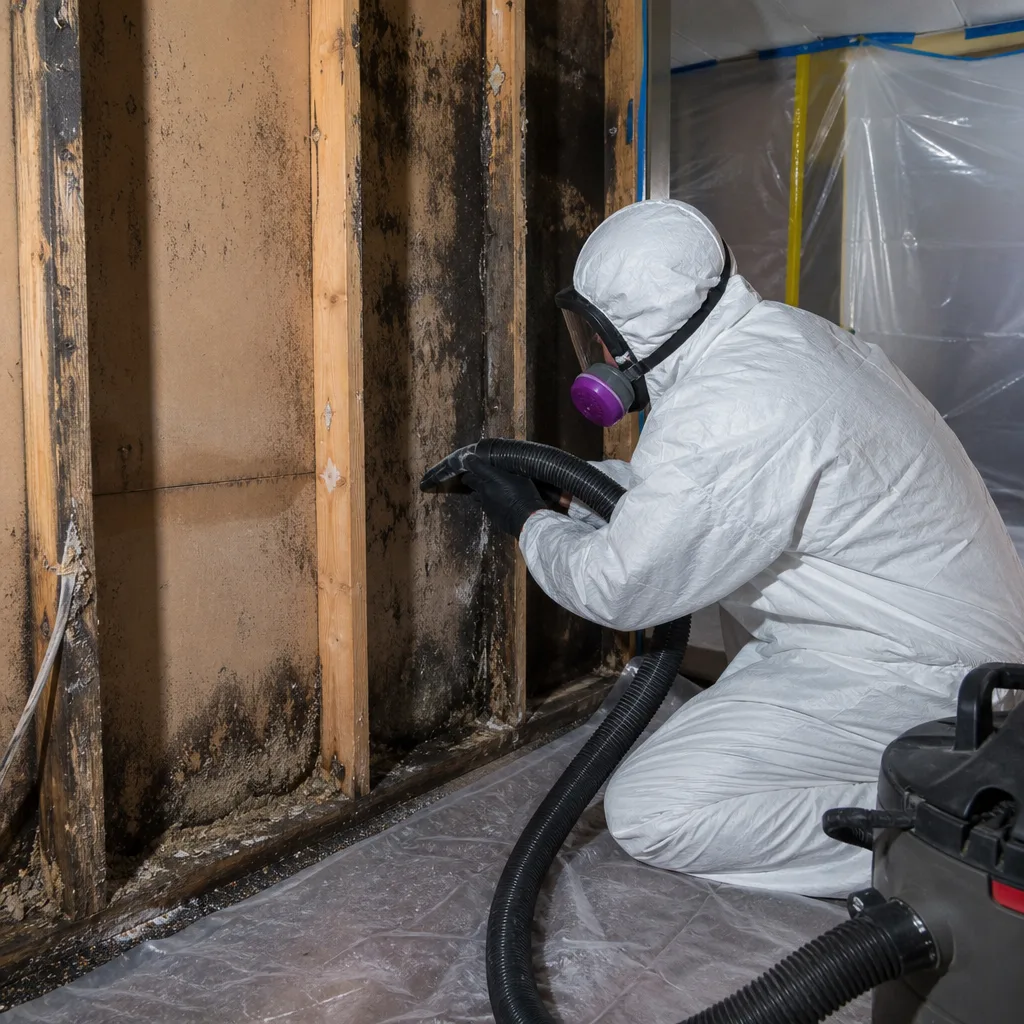
Use these three variables to reach a clear decision in most scenarios.
Variable 1: Water Category
| Category | Definition | DIY Viable? |
|---|---|---|
| Category 1 | Clean water from supply line, faucet, or rainwater | Possibly, if other variables permit |
| Category 2 | Gray water from dishwasher, washing machine, sump pump; elevated contamination | No - requires professional PPE, containment, and documentation |
| Category 3 | Black water from sewage, flood, or groundwater; pathogens and chemicals present | No - legally and medically hazardous; insurance may exclude unprofessional handling |
Variable 2: Affected Square Footage
| Area | DIY Considerations |
|---|---|
| Under 150 sq ft, single room, no wall penetration | DIY possible with commercial equipment rental and daily moisture logging |
| 150-500 sq ft, or multiple rooms, or wall/floor penetration suspected | Professional recommended; thermal imaging and cavity drying likely needed |
| Over 500 sq ft, or HVAC involvement, or multi-level | Professional required; scope exceeds consumer equipment capacity and documentation requirements |
Variable 3: Insurance Claim Filed or Expected
| Claim Status | Recommendation |
|---|---|
| No insurance involved; self-pay only | DIY viable for Category 1 under 150 sq ft if homeowner accepts risk of undetected damage |
| Claim will be filed or is possible | Professional restoration; documentation is claim protection, not optional |
| Claim already filed, adjuster assigned | Professional restoration; adjuster will require IICRC-standard documentation for reimbursement |
Decision rule: If any variable points to “professional,” the answer is professional. The variables are cumulative, not balancing. A Category 1 event at 100 square feet with an insurance claim requires professional documentation even though the water is clean and the area is small. A Category 2 event at any size requires professional handling regardless of insurance status.
What Professional Restoration Actually Delivers
Professional restoration is not merely “better equipment.” It is a documented process with defined deliverables that serve the homeowner’s financial and legal interests.
The Haven Standard deliverables on every DryMark Restoration Hackensack job:
- Written price before work begins (Haven Standard, Clause 1) - line-item scope with fixed price, signed by both parties, with no additions without written change order
- Documented photo record on every visit - dated, described, and referenced to scope items, delivered as standard, never as upsell
- Daily drying logs with psychrometric data - temperature, RH, specific humidity, and vapor pressure differential at multiple points, with equipment placement and adjustments
- Moisture mapping by material - baseline, daily, and final readings for each affected material type, with drying goals referenced to IICRC S500 standards
- 365-Day Done Right Promise - written warranty under The Haven Standard: if it’s not done right, we make it right, with specific response and resolution procedures
- Direct adjuster coordination - photo documentation and drying logs formatted for claim submission, with staff available to explain technical data to adjusters
The equipment matters, but it is the documentation that converts the equipment’s output into a paid claim. Our drying systems from Dri-Eaz, Phoenix, and B-Air produce the airflow and dehumidification capacity. Our Injectidry systems reach cavities without demolition. But the daily logs showing vapor pressure differential dropping to equilibrium - that is what an adjuster reviews and approves.
For Fire & Smoke Damage Restoration in Hackensack, the documentation is equally critical. Acidic soot residues continue degrading surfaces until properly cleaned; the photo record proves pre-existing condition versus post-fire damage for claim purposes. The written scope separates structure cleaning from contents cleaning from odor mitigation, each with distinct line items and documentation requirements.
Our Free Second Opinion on any competitor’s written estimate exists because documentation gaps in initial scopes are common. A homeowner who receives a one-page estimate with a single price and no material specifications has no claim protection. We review competitor estimates at no charge to identify missing documentation that could cost the homeowner at claim time.
Common Mistakes to Avoid
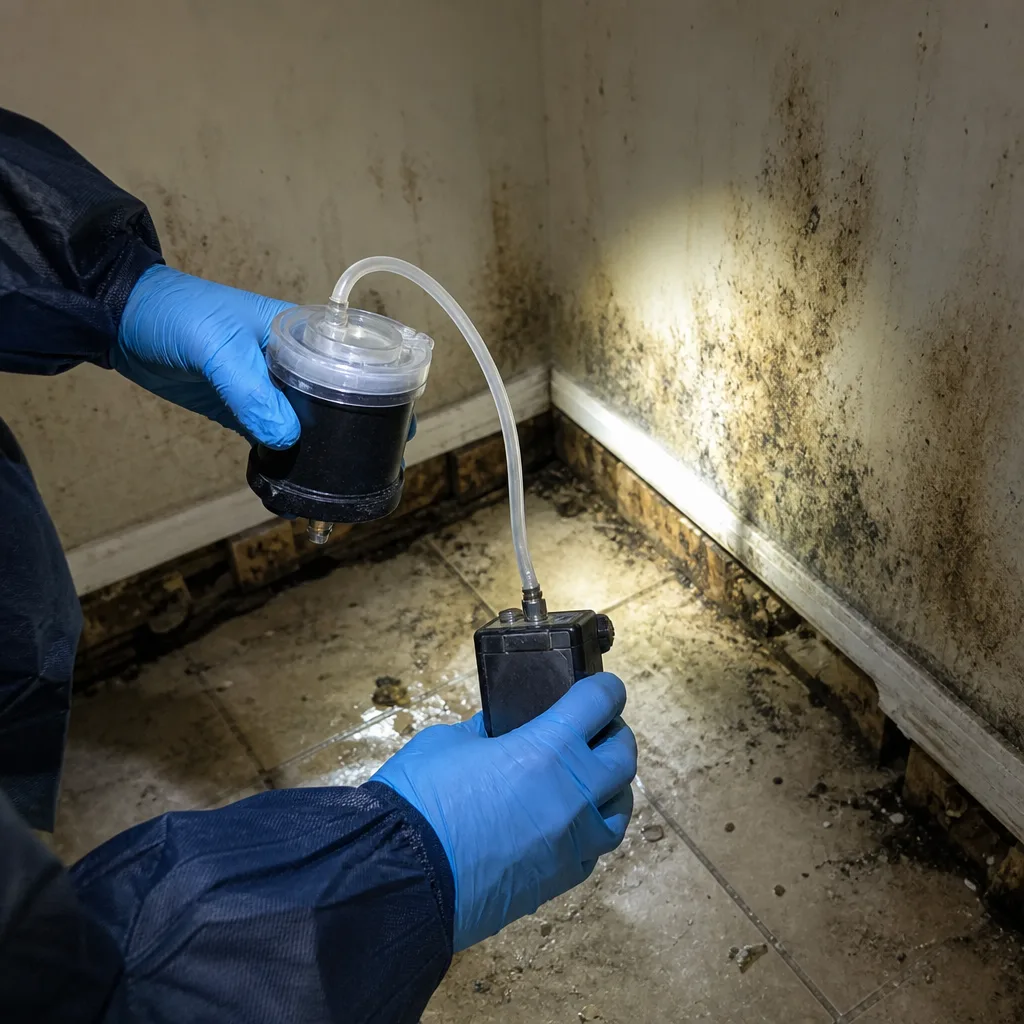
- Assuming visible dryness means structural dryness. Drywall can feel dry to the touch while the cavity behind it holds 20% moisture content in wood framing, well above the 12% threshold for mold growth. Surface assessment without cavity verification is the most common DIY failure we see in Hackensack’s older homes.
- Renting a consumer dehumidifier for a commercial drying job. The 70-pint unit from the hardware store on River Street is rated under ideal conditions. In Hackensack summer humidity, its actual output may be half the rating, extending drying time into the mold colonization window.
- Removing moldy materials without containment. Disturbing mold colonies releases spores into the HVAC system and unaffected areas. In Hackensack’s tight building stock, cross-contamination spreads quickly. Without negative air pressure and HEPA filtration, a localized problem becomes a whole-house problem.
- Filing an insurance claim after DIY work without documentation. Adjusters require proof of loss, proof of cause, and proof of proper mitigation. Photos of wet carpet and a dehumidifier receipt prove none of these. The claim is denied, and the homeowner absorbs the full cost of secondary damage.
- Ignoring permit requirements for reconstruction. Hackensack’s building department requires permits for electrical, plumbing, and structural repair after damage. Unpermitted work must be removed and redone for final inspection, at the homeowner’s expense, often after the insurance claim is closed.
- Delaying professional call while attempting DIY. The 24-48 hour window for effective mitigation is real. A homeowner who spends two days on unsuccessful DIY before calling a professional has doubled the damage extent and may have crossed from Category 1 to Category 2 water, increasing cost and documentation requirements.
- Accepting verbal assurances instead of written scopes. Any restoration contractor who will not provide a written price before work begins, with line-item specifications, is not producing claim-grade documentation. Haven Standard, Clause 1 exists precisely because verbal estimates fail at claim time.
When to Call a Professional
Call a professional when any of these conditions apply: water category is 2 or 3; affected area exceeds 150 square feet or involves multiple rooms; water has penetrated walls, floors, or ceilings; mold growth exceeds 10 square feet; fire or smoke damage of any extent; an insurance claim will be filed or is possible; the home was built before 1990 and asbestos-containing materials may be present; or electrical systems have been exposed to water.
DryMark Restoration Hackensack offers free estimates in Hackensack. We provide a written scope and fixed price before any work begins, with no obligation. Our live phone coverage is available 24 hours a day, 7 days a week - no voicemail trees, no next-business-day callbacks while water is still moving. Call (551) 213-3409 for documentation-grade restoration that protects your property and your claim, or browse more guides & resources on prevention, claims, and seasonal maintenance.
Frequently Asked Questions
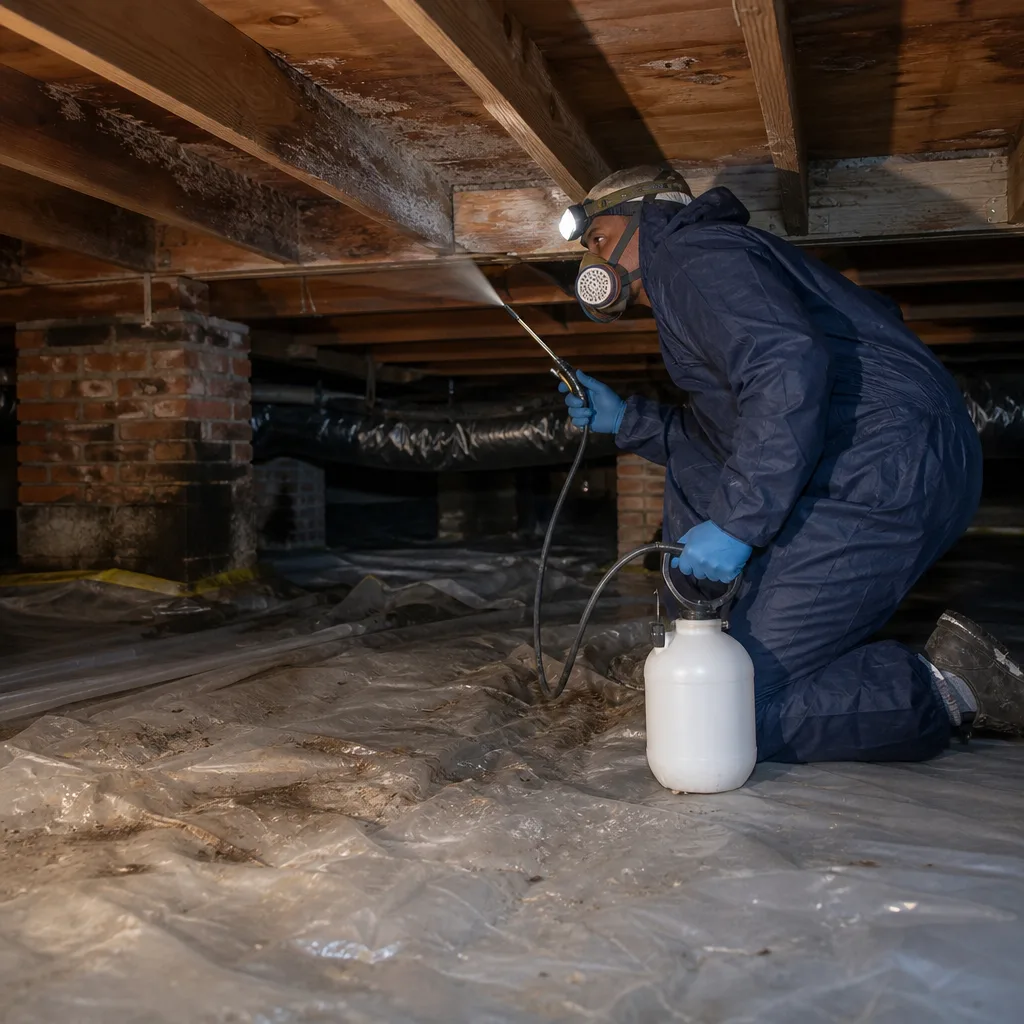
Probably not for the full amount, and possibly not at all. Most policies cover “reasonable and necessary” mitigation, which insurers interpret as work performed by licensed professionals with documented drying logs. A homeowner who performs DIY work without IICRC-standard documentation has no proof that the structure reached drying goals before reconstruction, leaving the insurer grounds to deny secondary damage claims. For a professional assessment with claim-grade documentation, call (551) 213-3409 - estimates are free.
Our live dispatch answers every call 24 hours a day, 7 days a week, and we typically have a crew on site within 60 to 90 minutes for emergency water damage calls in Hackensack. For Mold Remediation in Hackensack and reconstruction work, we schedule a written assessment within 24 hours. Speed matters for mitigation; for reconstruction, accuracy matters more. Call (551) 213-3409 to discuss your timeline.
For contiguous growth under 10 square feet on non-porous surfaces, you can clean with detergent and water, then dry thoroughly. For growth exceeding 10 square feet, on porous materials, or in HVAC systems, NJ DEP guidance requires licensed remediation. The critical factor is not what you can see but what the moisture mapping reveals - hidden growth in wall cavities is common in Hackensack’s humid climate and older construction. A professional assessment with thermal imaging and moisture mapping answers the question with data, not guesswork.
At DryMark Restoration Hackensack, we coordinate directly with your adjuster as part of our standard service. We provide the daily drying logs, photo documentation, and written scope in the format adjusters expect, and we are available to explain technical data by phone or in person. This does not replace your involvement, but it removes the burden of translating restoration terminology into claim language. Our documentation-first approach was built specifically to close the gap between work performed and claims paid.
Consumer pinless meters measure surface moisture to a depth of approximately 3/4 inch, with accuracy varying by material. Professional technicians use pin-type meters with insulated probes to measure at specific depths, thermo-hygrometers for ambient conditions, and thermal imaging cameras to identify temperature differentials indicating hidden moisture. The professional toolkit produces the material-specific readings that IICRC drying standards require. A homeowner with a consumer meter can detect surface wetness; they cannot produce the documentation that proves drying goals were met.
Professional Category 1 water mitigation in Hackensack typically ranges from $1,200 for a small, contained area to $4,500 for a full basement with cavity drying, based on 2024-2025 market rates. DIY equipment rental for the same jobs runs $400-$1,200, but this excludes the cost of secondary damage from extended drying time, the value of your labor, and the risk of claim denial. When insurance is involved, professional documentation often makes the out-of-pocket cost lower than DIY because the claim is paid in full. For a written price before any work begins, call (551) 213-3409 - Haven Standard, Clause 1.
The Bottom Line
The DIY-versus-professional question is not about capability. It is about documentation. A Hackensack homeowner who can extract water, run equipment, and replace materials still faces the critical test: can they produce the daily moisture logs, psychrometric data, and photo records that convert repair costs into paid claims? In most scenarios involving insurance, multiple rooms, Category 2 or 3 water, or mold growth, the answer is no. The equipment gap is real, but the documentation gap is decisive. Professional restoration earns its cost not by doing work you cannot do, but by producing evidence you cannot produce - evidence that protects your property, your claim, and your liability exposure. For documentation-grade restoration in Hackensack, with a written price before work begins and a 365-Day Done Right Promise, contact DryMark Restoration Hackensack at (551) 213-3409.
Written by Alicia Brennan, Owner at DryMark Restoration Hackensack, serving Hackensack since 2011.