
Last updated September 23, 2026
Free visual inspection and a written scope of work before any mitigation begins - photos, moisture readings, and drying logs go in your claim file
The scope we write is the scope we bill. Anything new gets shown to you, in writing, before we touch it.
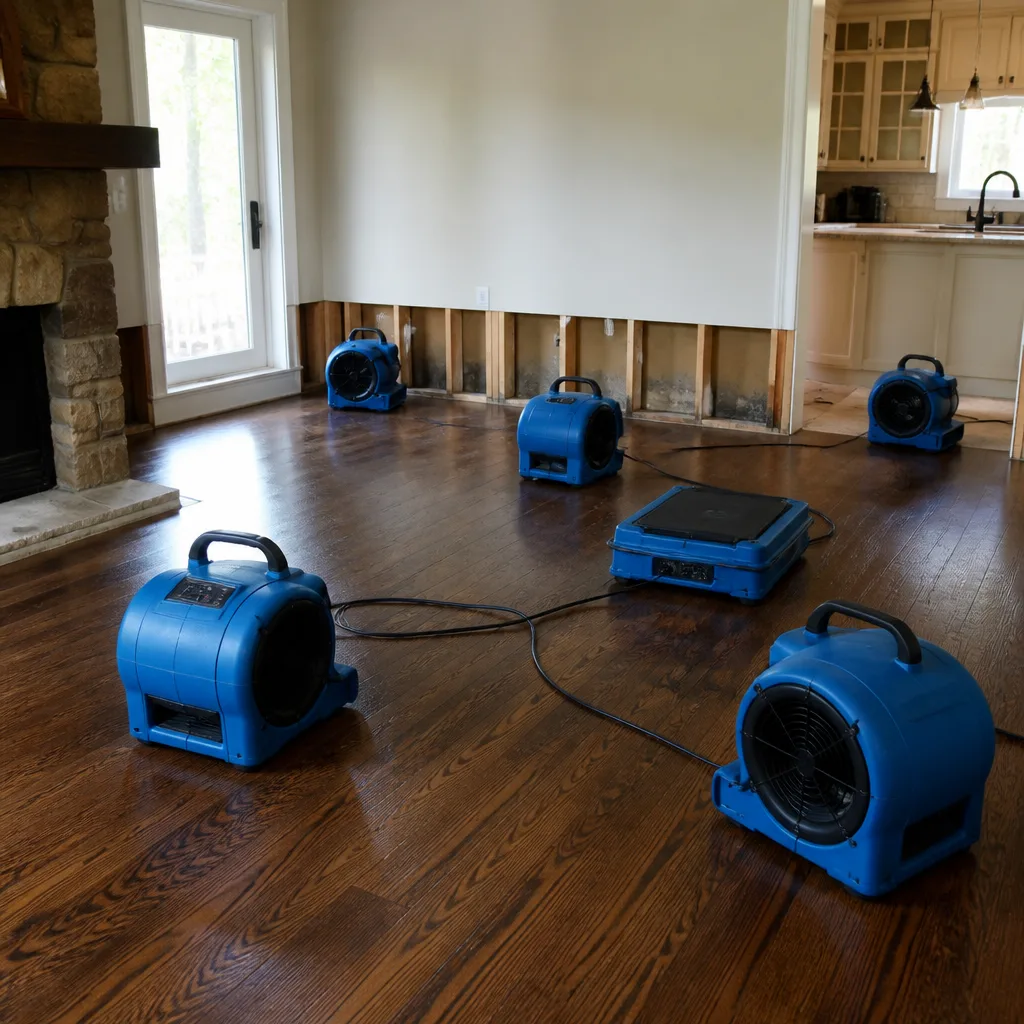
 Before
 After
After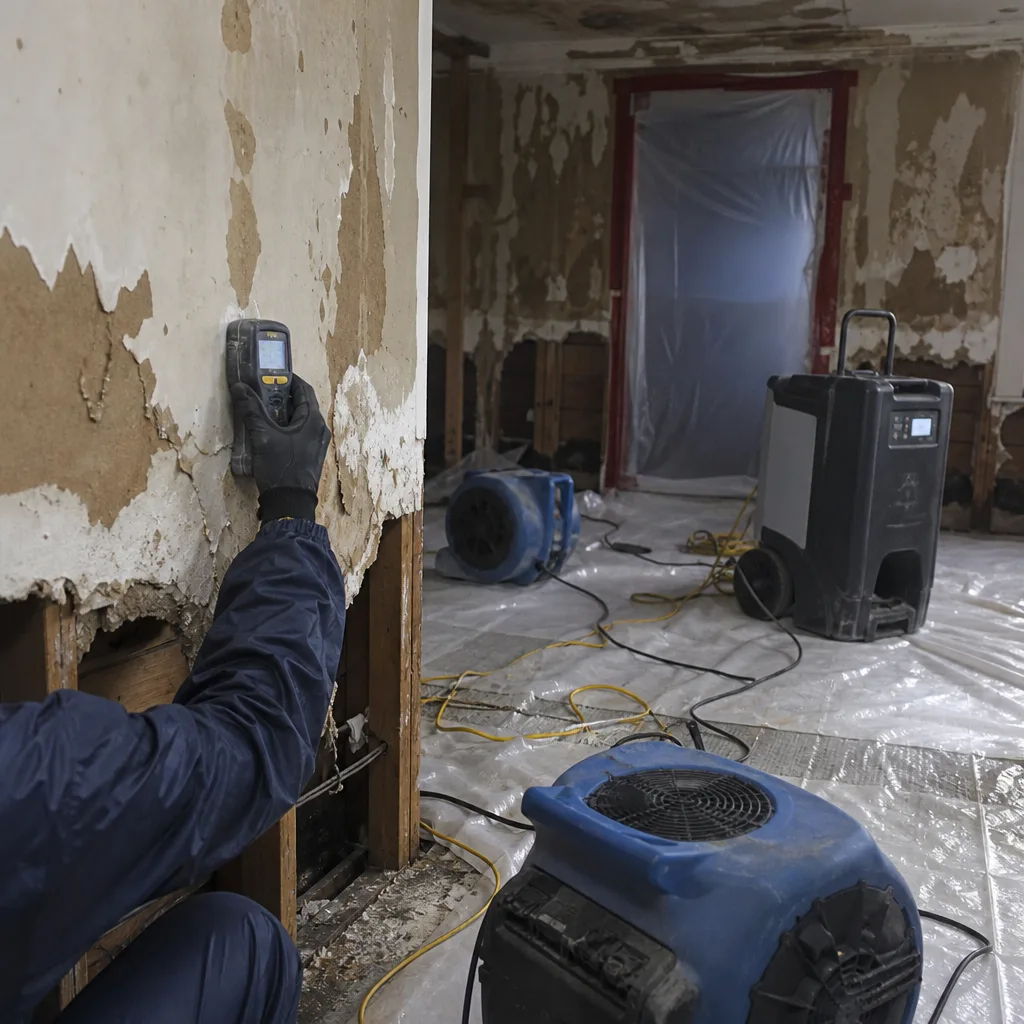 Before
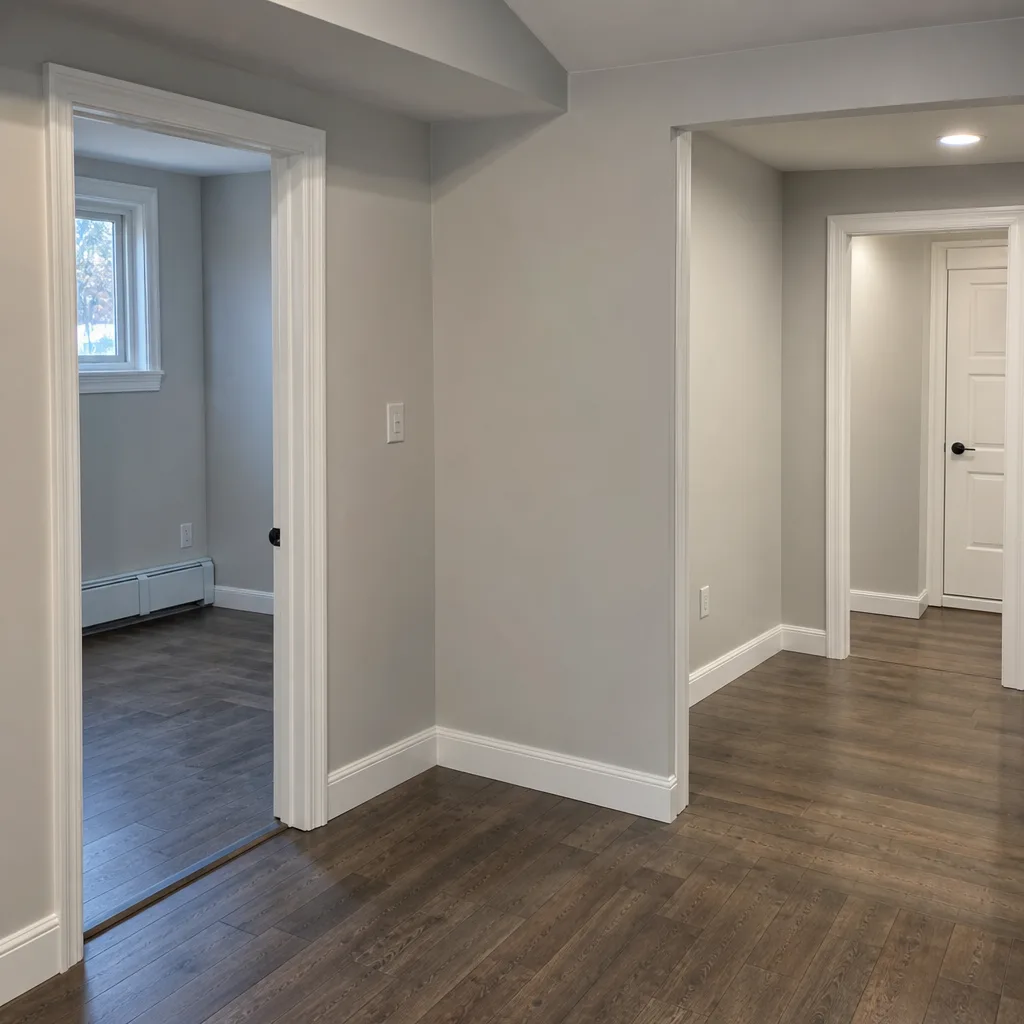 After
After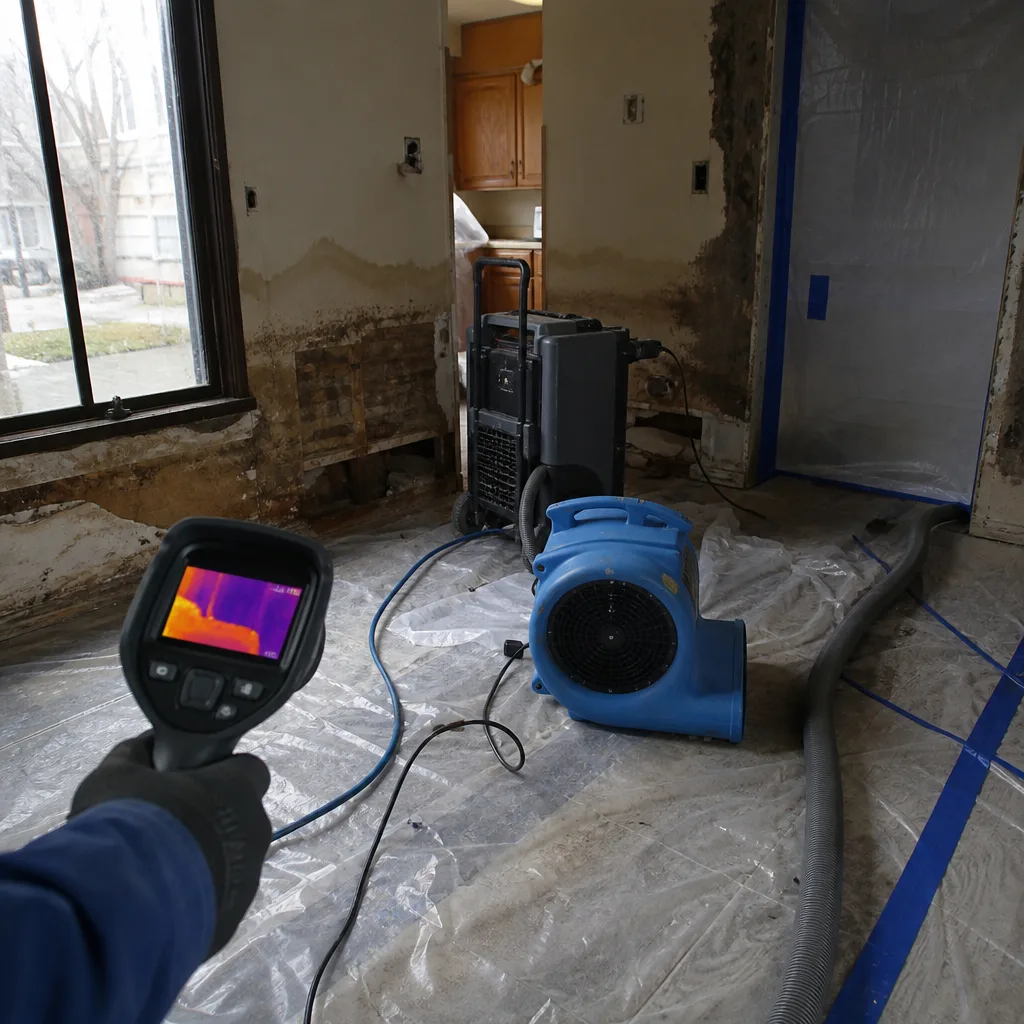 Before
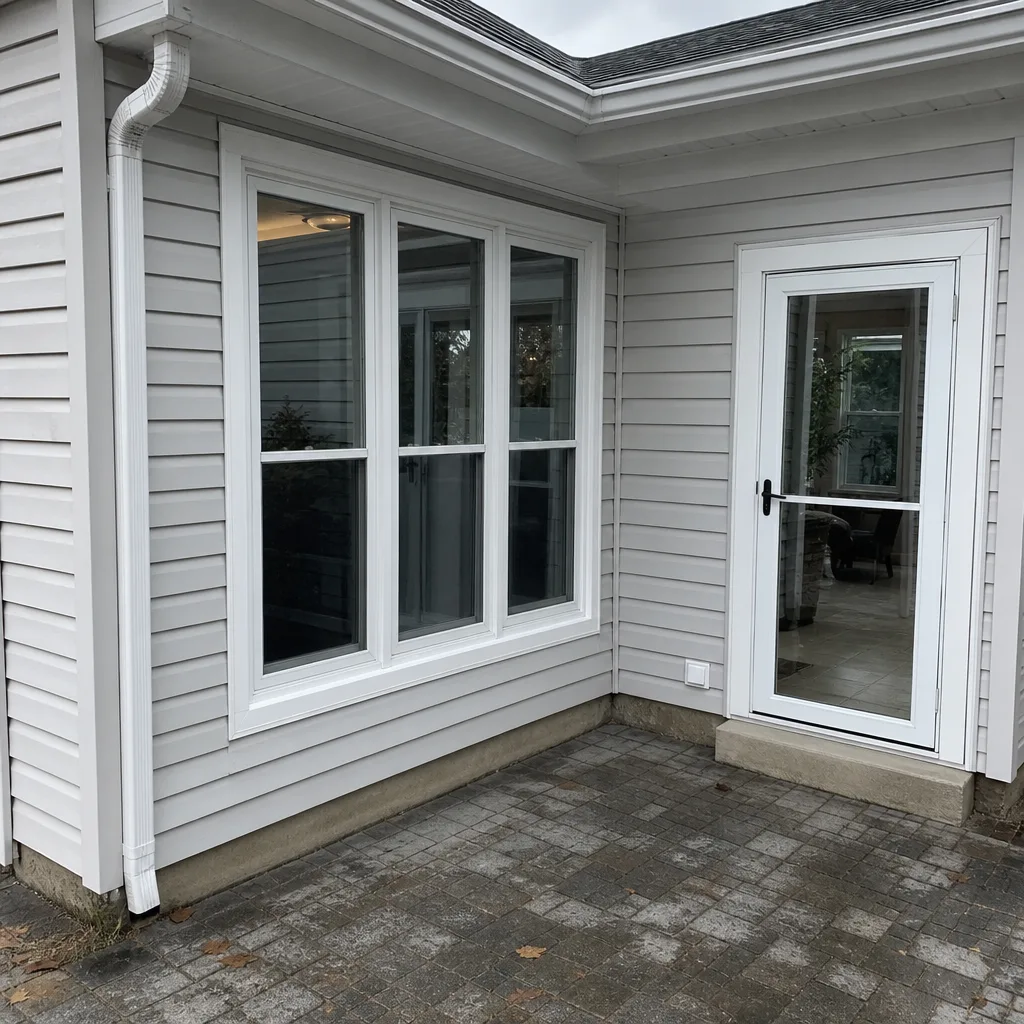 After
AfterThe Complete Guide to Damage Restoration in Hackensack
A Bergen County adjuster can reject a $40,000 water damage claim not because the damage wasn’t real, but because the contractor never recorded a single moisture reading before tearing out the drywall. That leaves no baseline to justify the scope, no documentation to defend the invoice, and the homeowner holding the bag. In Hackensack, where pre-1980 housing stock mixes masonry and wood-frame construction across neighborhoods from Fairmount to Hackensack Heights, the physical damage is only half the problem. The other half is the paper trail. This guide maps every phase of restoration to the specific records that make an insurer’s job easy and a homeowner’s payout complete, and you can find more guides & resources on our blog. You’ll learn how Hackensack’s building stock, Bergen County’s combined sewer infrastructure, and New Jersey’s lead-paint regulations create documentation requirements that generic restoration checklists miss entirely.
Quick Answer
Damage restoration in Hackensack is the process of returning a property to pre-loss condition after water, fire, mold, storm, or biohazard damage, documented through a chain of moisture maps, daily drying logs, photo records, and written scopes that satisfy both IICRC standards and insurance adjuster review. Proper restoration in this market requires understanding Hackensack’s older housing stock, Bergen County’s combined sewer overflow risks, and New Jersey’s strict lead-paint protocols for pre-1978 homes. The difference between a fully paid claim and a denied one often comes down to whether your contractor documented the job correctly, not whether they dried the wall-something we cover in our Damage Restoration Warning Signs: A Hackensack Homeowner’s Reference Guide.
Table of Contents
- Why Documentation Beats Drying: The Real Hackensack Restoration Problem
- How Hackensack’s Older Housing Stock Changes the Restoration Playbook
- The Documentation Chain: From Moisture Map to Paid Claim
- Bergen County Combined Sewer Overflows and Category Classification
- RRP-Certified Lead-Paint Scopes for Pre-1978 Hackensack Homes
- How to Read a Restoration Invoice Line by Line
- Equipment, Standards, and What the Brands Actually Mean
- When to Call a Professional
BeforeAfterWhy Documentation Beats Drying: The Real Hackensack Restoration Problem
We’ve seen it too many times. A homeowner in the Fairmount section calls after a pipe burst in their 1925 colonial. The first contractor arrives with fans, tears out wet drywall, and dries the studs. Three months later, the insurance check covers half the invoice because no one photographed the original water line, no one logged moisture content in the unaffected adjacent room, and no one produced a written scope before starting work.
The physical drying was probably fine. The documentation failed.
This is the gap that defines restoration in Hackensack. Bergen County adjusters review claims against Xactimate pricing databases and IICRC S500/S550 standards. Without documented evidence that matches those databases, the adjuster has no authority to approve the line item. A $4,200 charge for “injectidry hardwood floor drying system, 7-day rental” becomes “$1,800 for fans, denied” when the contractor can’t produce the daily psychrometric readings that prove the system was necessary.
At DryMark Restoration Hackensack, we built our process around this reality. Every job starts with a moisture map, continues with daily drying logs, and ends with a photo record and written scope. It’s not extra service. It’s the service. Without it, you’re not buying restoration. You’re buying a gamble with your insurance coverage.
The Haven Standard, Clause 1 requires a written price before any work starts. Not an estimate. Not a “we’ll see when we get in there.” A written price, signed by both parties, with every line item matched to a documented condition. This isn’t customer service. It’s claim survival.
How Hackensack’s Older Housing Stock Changes the Restoration Playbook
Hackensack’s building inventory doesn’t behave like new construction in Bergen County’s outer suburbs. The city core contains significant pre-1980 construction, with many homes in neighborhoods like Hackensack Heights and along Prospect Avenue dating to the 1920s through 1950s. These structures present specific failure patterns that generic restoration protocols miss.
Masonry vs. Wood-Frame: Different Drying Physics
Masonry construction, common in Hackensack’s older multi-family and commercial buildings, retains moisture differently than wood-frame. A brick or block wall wicks water vertically through capillary action, often spreading damage two stories above the original leak point. Standard moisture meters calibrated for wood studs will misread masonry substrates, reporting lower moisture content than actually exists. We’ve seen contractors declare a masonry wall “dry” at 12% wood-equivalent reading when the actual substrate still held enough moisture to support mold growth behind replastered surfaces.
The correct protocol: document the substrate type on the initial moisture map, use appropriate metering (pinless meters with masonry settings, calcium chloride tests for concrete slabs), and extend the drying timeline accordingly. The documentation should state “masonry substrate, capillary wicking observed to [height], extended drying protocol per IICRC S500 Table 12-1.”
Plaster and Lath vs. Drywall
Pre-1950 Hackensack homes often retain original plaster and wood lath. Plaster is more moisture-resistant than drywall, but once saturated, it dries more slowly and is more prone to delamination from the lath. The restoration decision, plaster retention versus removal, should be documented with moisture readings at multiple depths, not guessed. A contractor who tears out historic plaster without documenting that it was “non-salvageable per IICRC S500 Section 12.3.4” has given the adjuster grounds to reject the removal charge.
Embedded Pipes and Inaccessible Cavities
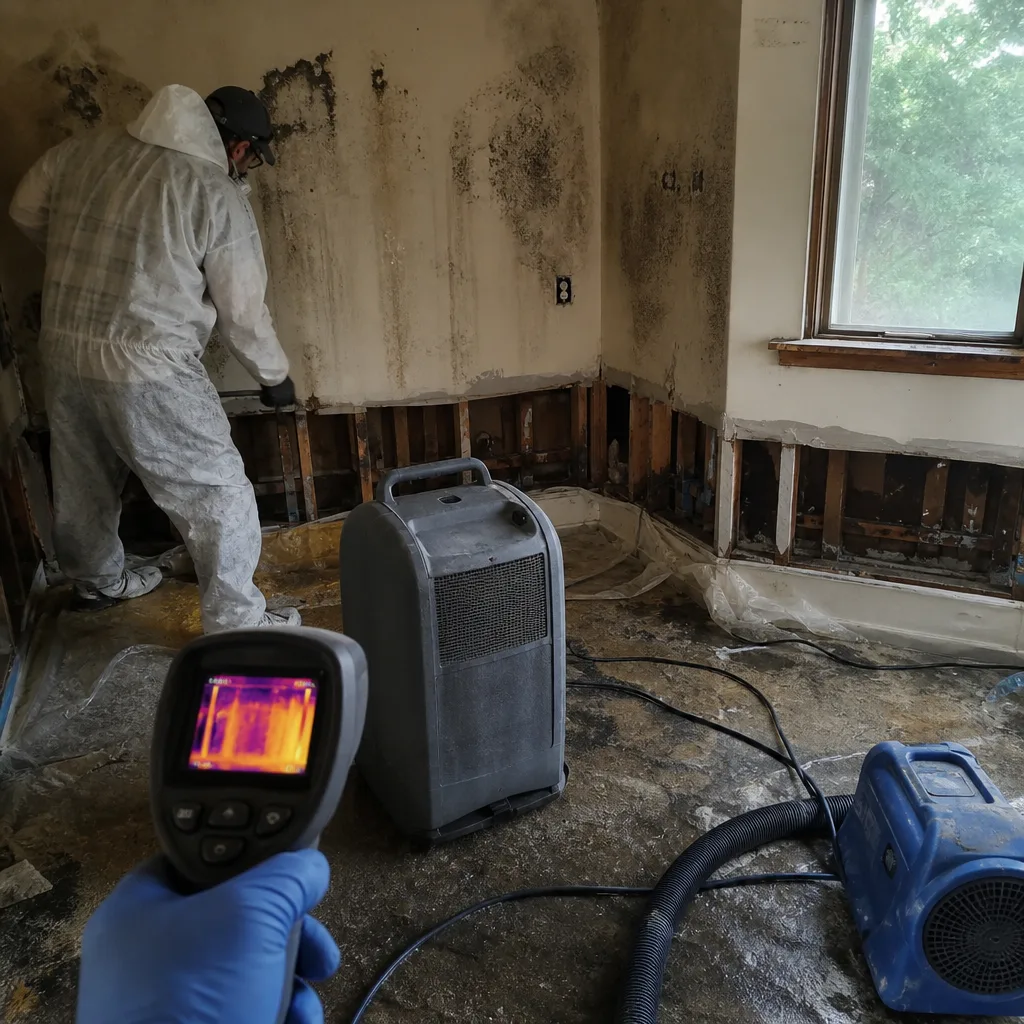
Older Hackensack homes have plumbing runs embedded in exterior walls, a practice abandoned in modern construction. When these pipes fail, the leak source is hidden, the affected cavity is inaccessible without destructive investigation, and the moisture pattern doesn’t match standard assumptions. Documentation here requires thermal imaging to trace the pipe run, moisture mapping of the full wall cavity, and written notation of the access method used (plaster removal versus Injectidry system versus other).
Key neighborhoods where we see these patterns: Fairmount (1920s-1940s stock), Hackensack Heights (mixed-era, many pre-1960), and the area near Hackensack University Medical Center (older multi-family converted to residential).
The Documentation Chain: From Moisture Map to Paid Claim
Insurance adjusters in Bergen County work from documentation, not impressions. The chain of records your contractor produces determines whether your claim sails through or stalls for months. Here’s what the chain looks like, what each link contains, and what happens when it’s missing.
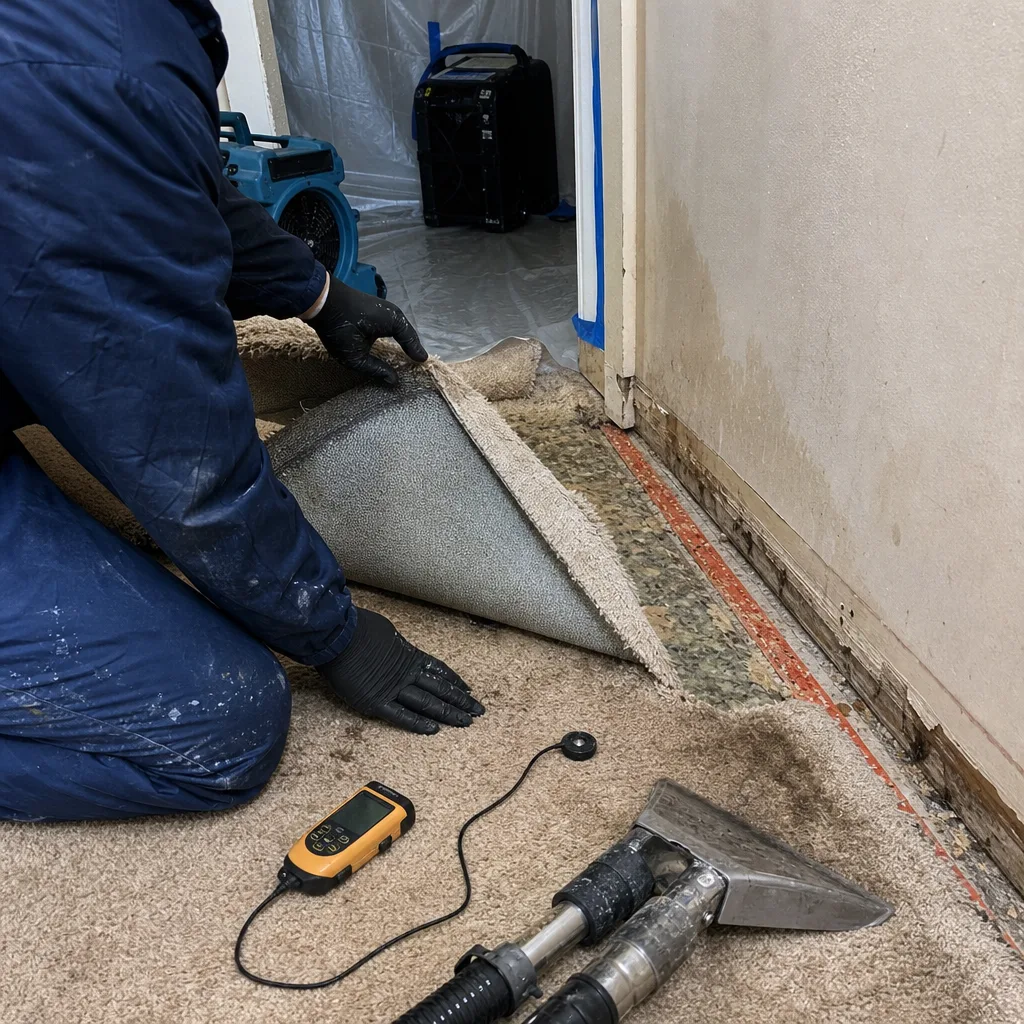
Link 1: The Initial Moisture Map
This is the baseline. Taken before any equipment runs or material is removed, it records:
- Moisture content readings (%) at every affected surface, with meter type and calibration date noted
- Identification of unaffected “dry standard” readings in the same structure for comparison
- Thermal imaging documentation showing hidden moisture patterns
- Classification of water category (1, 2, or 3) with supporting evidence
- Room dimensions and affected square footage, measured not estimated
- Substrate identification (drywall, plaster, hardwood, concrete, etc.)
Missing this link: The adjuster has no proof the damage existed at the claimed severity. We’ve seen $15,000 drying bills reduced to $3,000 because the contractor started equipment before documenting why it was needed.
Link 2: Daily Drying Logs
Every 24 hours, the technician records:
- Temperature and relative humidity in the affected space and outdoors
- Specific humidity readings at the dehumidifier intake and exhaust
- Moisture content at the same test points as the initial map
- Equipment inventory by serial number: dehumidifiers (make/model), air movers (count and position), specialty systems (Injectidry, etc.)
- Psychrometric data: grain depression, vapor pressure differential, and dew point calculations
- Technician signature and time stamp
These logs prove the drying progressed according to scientific standards, not guesswork. They justify equipment rental days. Without them, the adjuster assumes equipment sat unused and prorates the rental charges.
Link 3: Photo Record on Every Visit
Not a few cellphone snaps. A systematic photo record with:
- Date and time stamps, preferably from a camera with GPS encoding
- Wide shots establishing room context
- Close-ups of damage, equipment placement, and meter readings
- Progression series showing drying over time
- Final condition before equipment removal
The Haven Standard includes photo documentation as a standard deliverable, never an upsell. Every DryMark Restoration Hackensack customer receives their complete photo record, organized by visit date, as a downloadable file.
Link 4: Written Scope and Final Invoice
The scope written before work begins, per Haven Standard Clause 1, becomes the invoice after work ends. Each line item references the documentation that supports it:
- “Dehumidifier, LGR, large, Days 1-5: supported by daily drying logs showing specific humidity reduction from 85 gr/lb to 52 gr/lb”
- “Drywall removal, 12′ x 8′ wall, Category 2: supported by initial moisture map reading 28% at 48 hours post-loss, non-salvageable per IICRC S500”
- “Injectidry hardwood floor mat system, 7 days: supported by moisture readings showing 16% MC at surface, 19% MC at 3/4″ depth, goal 12%”
When the scope matches the documentation and the documentation matches the Xactimate line item, the claim pays. When any link breaks, the homeowner absorbs the gap.
Bergen County Combined Sewer Overflows and Category Classification
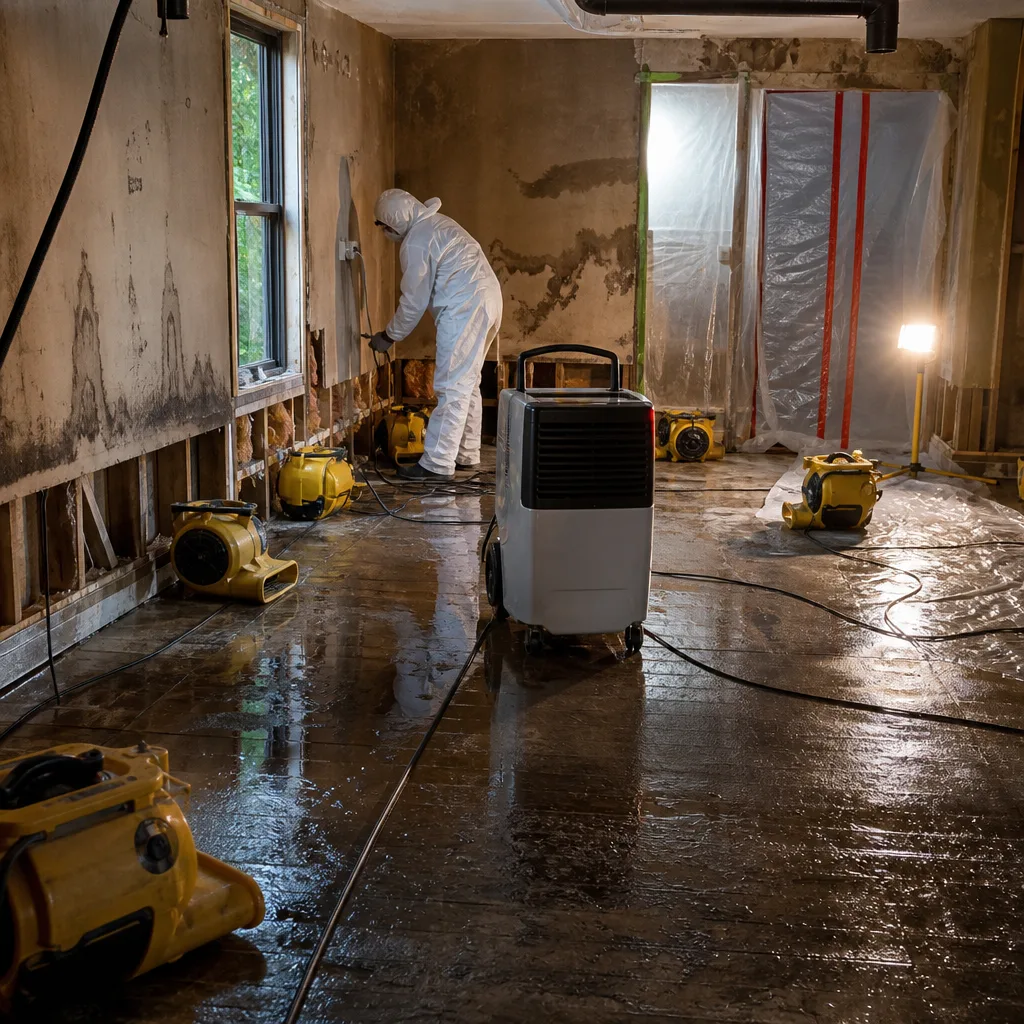
Hackensack sits within Bergen County’s combined sewer system, where stormwater and sanitary sewage share pipes. During heavy rainfall, these systems overflow, backing up into basements through floor drains and lower-level fixtures. This isn’t a water damage claim. It’s a Category 3 contamination event, and the documentation requirements change completely.
Why Category Matters for Coverage
Water damage claims are classified by the IICRC S500 standard:
- Category 1: Clean water from a broken supply line. Standard drying, standard coverage.
- Category 2: Gray water with chemical or biological contamination (dishwasher discharge, washing machine overflow). Enhanced cleaning, possible coverage limitations.
- Category 3: Black water from sewage, flooding, or groundwater. Requires full removal of porous materials, antimicrobial treatment, and often triggers specific policy exclusions or sub-limits.
Combined sewer overflow (CSO) water is Category 3. Period. Even if it looks clear, it has commingled with raw sewage and street runoff. A contractor who documents it as Category 1 or 2 has committed insurance fraud and exposed the homeowner to denied coverage. A contractor who doesn’t document the CSO origin at all leaves the adjuster free to reclassify downward.
Hackensack-Specific CSO Documentation
When we respond to basement flooding in Hackensack after heavy rain, our documentation includes:
- Weather data showing rainfall intensity and timing, sourced from NOAA records
- Municipal notification: whether Hackensack DPW issued a CSO advisory
- Source verification: floor drain backup versus sump failure versus wall seepage
- Water sampling documentation when required by the insurer
- Photographs of contamination indicators: staining, odor documentation (technician notation), debris content
This documentation protects the homeowner from coverage disputes. Many Bergen County policies contain specific sewage backup sub-limits, typically $10,000-$25,000, separate from the main dwelling coverage. Proper classification ensures the correct coverage bucket is accessed. Misclassification can leave a $40,000 remediation bill with only $10,000 of applicable coverage.
The Water Damage Restoration in Hackensack page details our specific protocols for CSO events and basement flooding in this market.
RRP-Certified Lead-Paint Scopes for Pre-1978 Hackensack Homes
New Jersey’s housing stock is old. Hackensack is no exception. Homes built before 1978 likely contain lead-based paint, and any restoration work that disturbs painted surfaces triggers EPA Renovation, Repair, and Painting (RRP) Rule requirements. Skip this, and you’ve got two problems: a federal violation and a potential policy void.
When RRP Applies
The RRP Rule applies to “renovation” work in pre-1978 housing, defined as any activity that disturbs more than 6 square feet of interior painted surface or 20 square feet of exterior painted surface. Water damage restoration routinely exceeds these thresholds: drywall removal, plaster demolition, baseboard extraction, cabinet removal. If the home was built before 1978 and the contractor doesn’t have an EPA RRP certification number on file, the work is illegal.
The Insurance Connection
Some homeowner policies contain lead-paint exclusion clauses or require RRP compliance as a condition of coverage for pre-1978 properties. A contractor who performs unpermitted disturbance creates liability that the insurer may decline to cover. The documentation fix is simple but specific:
- Pre-work lead test, documented with kit type and result photograph
- RRP-certified firm number on the written scope
- Containment and waste disposal documentation per 40 CFR 745
- Post-work cleaning verification, with dust wipe test results
We’ve reviewed competitor estimates in Hackensack that omitted RRP documentation entirely. The homeowner saved nothing; they bought a coverage risk. Our written scopes for pre-1978 properties include the RRP compliance line automatically. It’s not an add-on. It’s a requirement.
For properties where lead is confirmed or suspected, the restoration timeline extends. Containment setup, HEPA vacuuming, and waste disposal add documented hours. These hours are Xactimate-line-item billable when properly documented. They’re denied when they’re not.
How to Read a Restoration Invoice Line by Line
Most homeowners sign restoration invoices without understanding what they’re paying for. In a market where the average Hackensack water damage claim exceeds $15,000, that’s an expensive habit. Here’s how to match each charge to its documentation and its Xactimate justification.
Equipment Charges
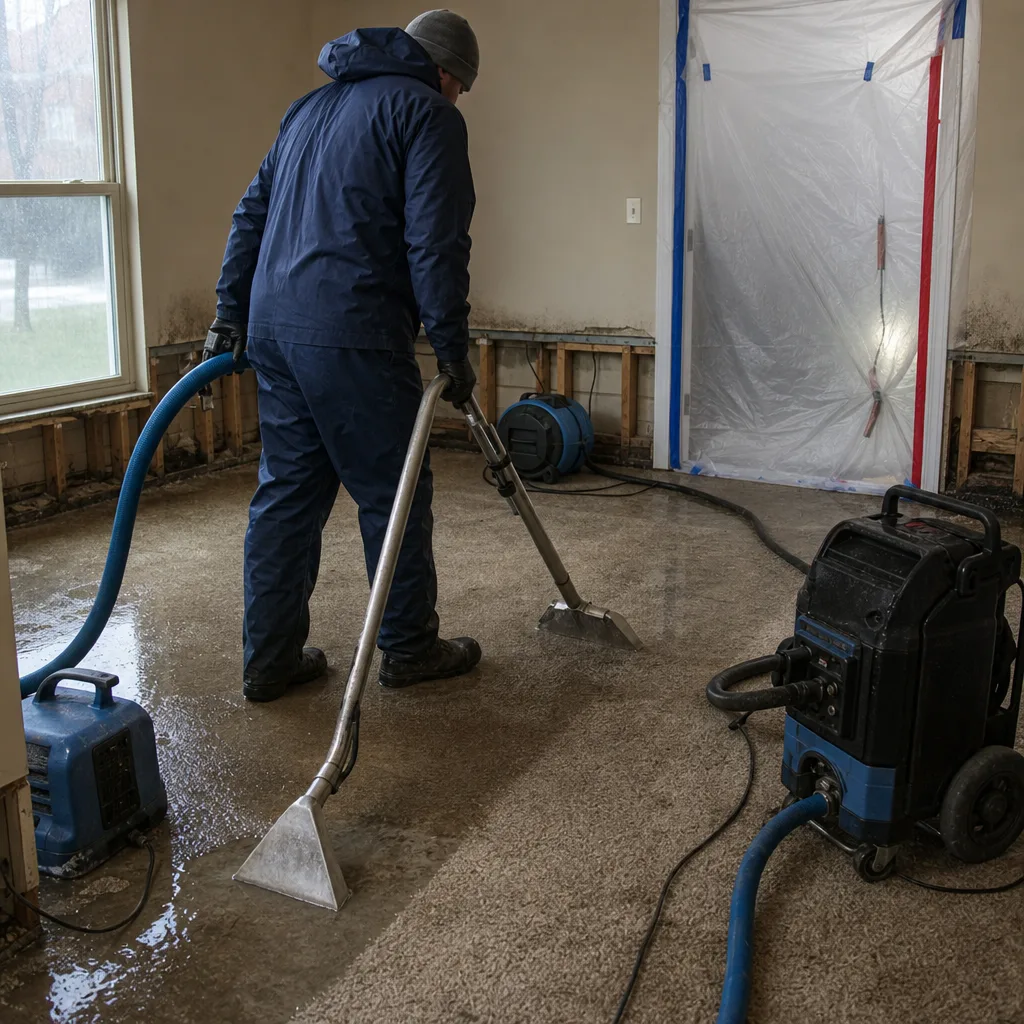
Look for: equipment type, quantity, daily rate, and total days. Cross-reference to daily drying logs. A “Phoenix 200 HT LGR dehumidifier, Days 1-6” charge should appear in logs for Days 1 through 6, with serial number matching. The rate should approximate Xactimate pricing for your Bergen County zip code. If the contractor uses off-brand equipment at premium rates, that’s a flag.
We use Dri-Eaz, Phoenix, XPOWER, B-Air, and Injectidry systems, documented by serial number on every log. The brand matters for adjuster recognition and for performance verification.
Labor Charges
Look for: technician classification, hours, and task description. IICRC-certified technicians command higher rates than uncertified labor, but the certification should be verifiable. The task should match the photo record: “demolition, drywall, 12′ x 8′ wall” should have photos of that wall being demolished.
Material Charges
Look for: specific products, not generic categories. “Antimicrobial treatment, 500 sq ft” should name the product (Concrobium, Microban, equivalent) and have application photographs. “Replacement drywall, 12 sheets, 1/2″ Type X” should specify the type and have installation photos.
The Red Flags
- Line items with no matching photo or log documentation
- Rounded numbers (exactly $500, $1,000) on material or labor charges
- Vague descriptions: “miscellaneous,” “other,” “adjustment”
- Equipment charges exceeding the documented drying timeline
- Missing Xactimate line item codes, which most adjusters require
At DryMark Restoration Hackensack, we provide the written scope before work begins and the final invoice formatted for direct adjuster submission. The line items don’t change; the documentation behind them accumulates. Haven Standard, Clause 1 means no scope creep, no surprise additions after the crew is inside.
Equipment, Standards, and What the Brands Actually Mean
Restoration equipment branding isn’t marketing. It’s performance documentation. An adjuster who sees “dehumidifier” on an invoice has no basis to approve the charge. An adjuster who sees “Dri-Eaz Revolution LGR, 80 pints/day at AHAM, serial #REV-28471, deployed Days 1-5 per daily logs” has everything needed to approve it.
The Equipment We Document
Dehumidifiers: Low-grain refrigerant (LGR) units from Dri-Eaz and Phoenix, specified by model and capacity. LGR units achieve lower specific humidity than conventional refrigerants, documented through grain depression calculations in the daily log.
Air Movers: XPOWER and B-Air units, counted and positioned per the drying plan. The count isn’t arbitrary; it’s calculated from the affected cubic footage and the required air changes per hour.
Specialty Drying: Injectidry systems for hardwood floors, wall cavities, and cabinet bases. These require additional documentation: moisture readings at multiple depths, vapor pressure differential measurements proving standard drying was insufficient, and technician certification for the system.
The Standards We Follow
IICRC S500 (water damage), S520 (mold), and S550 (trauma and crime scene) provide the procedural framework. RIA (Restoration Industry Association) standards supplement for complex losses. IFA (Indoor Air Quality Association) standards govern post-remediation verification.
But standards compliance without documentation is unprovable. Our daily logs reference the specific standard section applied: “dehumidifier placement per IICRC S500 Section 12.2.3,” “containment per IICRC S520 Section 7.3.” This isn’t pedantry. It’s adjuster-ready justification.
The Mold Remediation in Hackensack page details how these standards apply specifically to Hackensack’s climate and housing conditions, where summer humidity and winter ice dams create year-round mold risk.
Common Mistakes to Avoid
- Hiring a contractor who won’t provide a written price before work starts. Haven Standard Clause 1 exists because we’ve seen too many Hackensack homeowners sign blank work authorizations and receive invoices 300% above the verbal estimate. A written price isn’t a preference; it’s protection against scope creep.
- Assuming all water is Category 1. In Hackensack’s combined sewer areas, heavy rain means Category 3 until proven otherwise. A contractor who doesn’t test and document the source is gambling with your coverage.
- Ignoring lead-paint requirements on pre-1978 homes. The EPA doesn’t grant exceptions for emergencies. RRP certification, containment, and waste documentation are federal requirements, and skipping them can void your homeowner policy’s pollution exclusion.
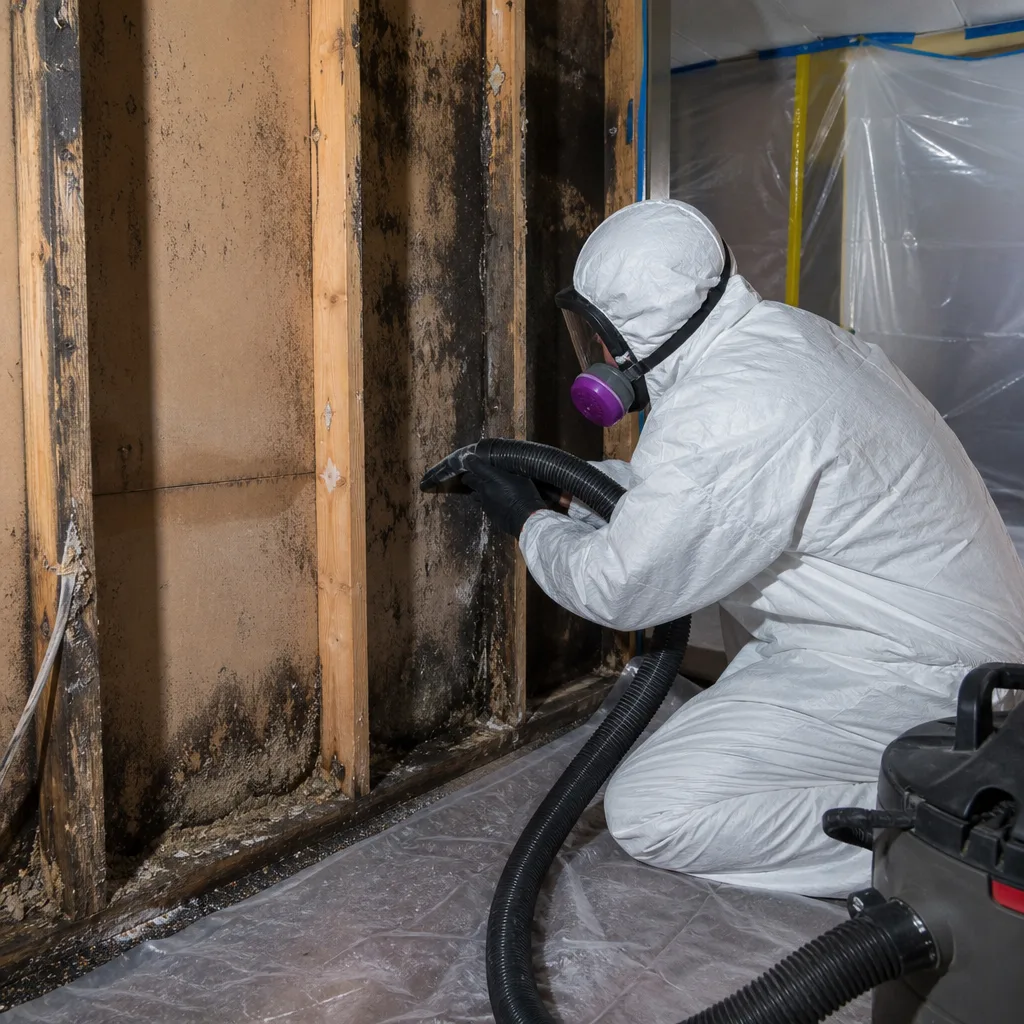
- Accepting “dry” without moisture readings. We’ve reinspected Hackensack jobs where competitors declared structures dry based on touch, not meters. The hidden moisture supported mold growth that required complete re-remediation six months later, with the original contractor long gone.
- Not photographing the loss before cleanup. Your insurance policy requires proof of damage. A contractor who starts work before you or they photograph the original condition has destroyed evidence the adjuster needs.
- Signing invoices without Xactimate line item codes. Adjusters process claims in Xactimate. An invoice without line item codes requires manual translation, delays payment, and often results in partial approval while the rest sits in review.
- Choosing speed over documentation on reconstruction. Mitigation (water extraction, drying) is time-sensitive. Reconstruction (drywall, flooring, painting) is scope-sensitive. A contractor who promises same-day reconstruction hasn’t measured, specified materials, or priced correctly. Reconstruction gets scheduled, not rushed.
When to Call a Professional
Call immediately when water is actively flowing, when sewage is present, when electrical systems are wet, when mold is visible and covers more than 10 square feet, or when fire damage has compromised structural elements. These aren’t DIY situations; they’re documentation emergencies where every hour of delay increases the scope and decreases the claim clarity.
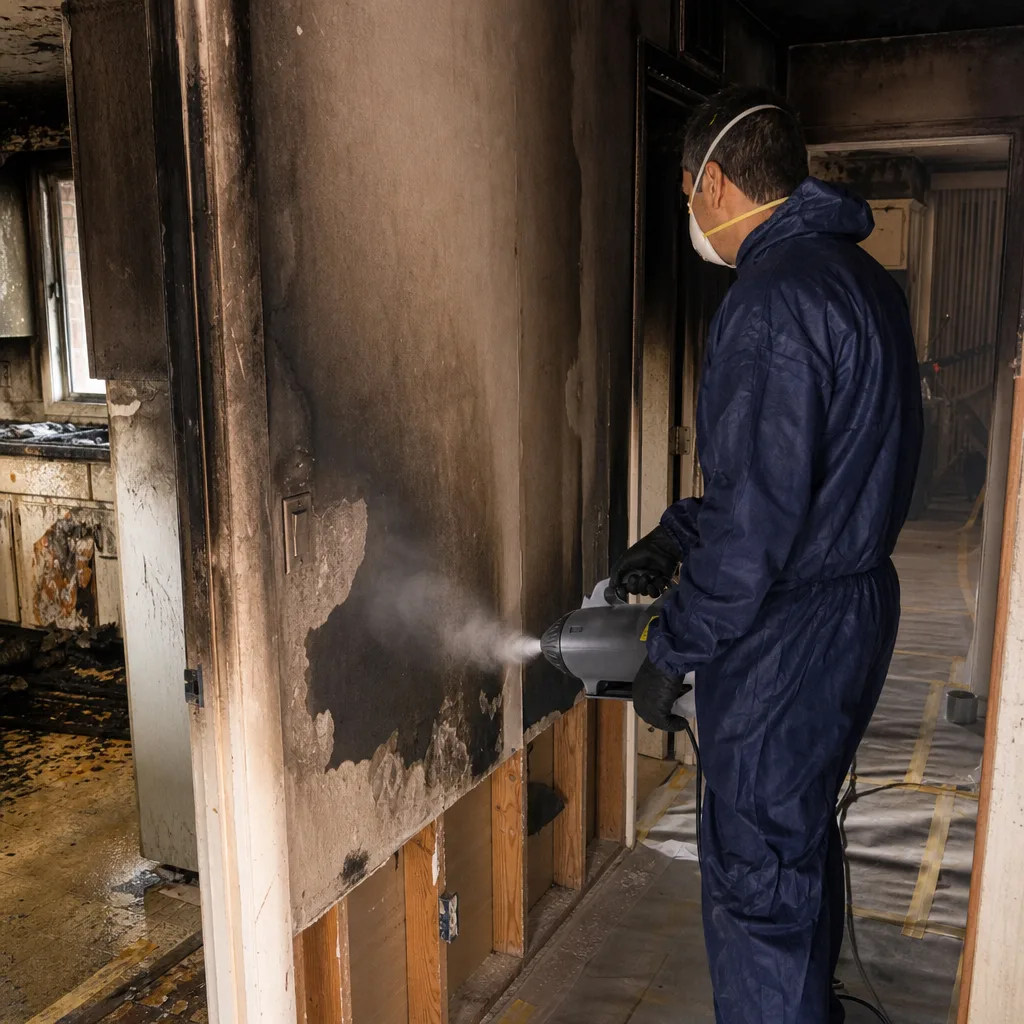
For water damage, the first 24-48 hours determine whether materials are salvageable. For mold, disturbing visible growth without containment spreads spores. For fire and smoke, secondary damage from acidic soot continues until professional cleaning begins.
DryMark Restoration Hackensack offers free estimates in Hackensack. Call (551) 213-3409. A live person answers, 24 hours a day, 7 days a week. No voicemail trees. We’ll document the initial condition, provide a written price before any work begins, and build the documentation chain that gets your claim paid. We also offer a Free Second Opinion on any competitor’s written estimate, at no charge.
Frequently Asked Questions
Water damage mitigation in Hackensack typically ranges from $3,500 for a contained supply-line break in a single room to $18,000+ for a Category 3 basement flood with full contents manipulation and HVAC decontamination. Mold remediation runs $8-$25 per square foot of contained area, with Hackensack’s older plaster-and-lath construction often requiring more extensive containment than modern drywall. Fire and smoke restoration starts around $5,000 for light soot cleaning and can exceed $50,000 for structural reconstruction with full deodorization. Every job is quoted in writing before work begins, per Haven Standard Clause 1. Call (551) 213-3409 for an exact quote; estimates are free.
Most Hackensack homeowner policies cover sudden and accidental water damage from internal sources, but coverage varies significantly for sewer backup, groundwater intrusion, and long-term leaks. The key factor is documentation: a well-documented claim with moisture maps, daily logs, and photo records gets approved at higher rates than undocumented claims. We coordinate directly with adjusters, provide Xactimate-formatted invoices, and document to IICRC standards specifically for insurance review. Bring your policy declaration page to our estimate; we’ll identify your coverage limits and sub-limits before work starts.
For active water damage and sewage emergencies, we dispatch immediately; our live answering ensures no call goes to voicemail. Mitigation work, water extraction and initial drying setup, begins same-day. Mold remediation, fire restoration, and reconstruction are scheduled after written scope approval, typically within 24-72 hours for non-emergency cases. Speed matters for mitigation; documentation matters for everything else. We don’t rush reconstruction to meet an artificial timeline; we scope it correctly and schedule it properly.
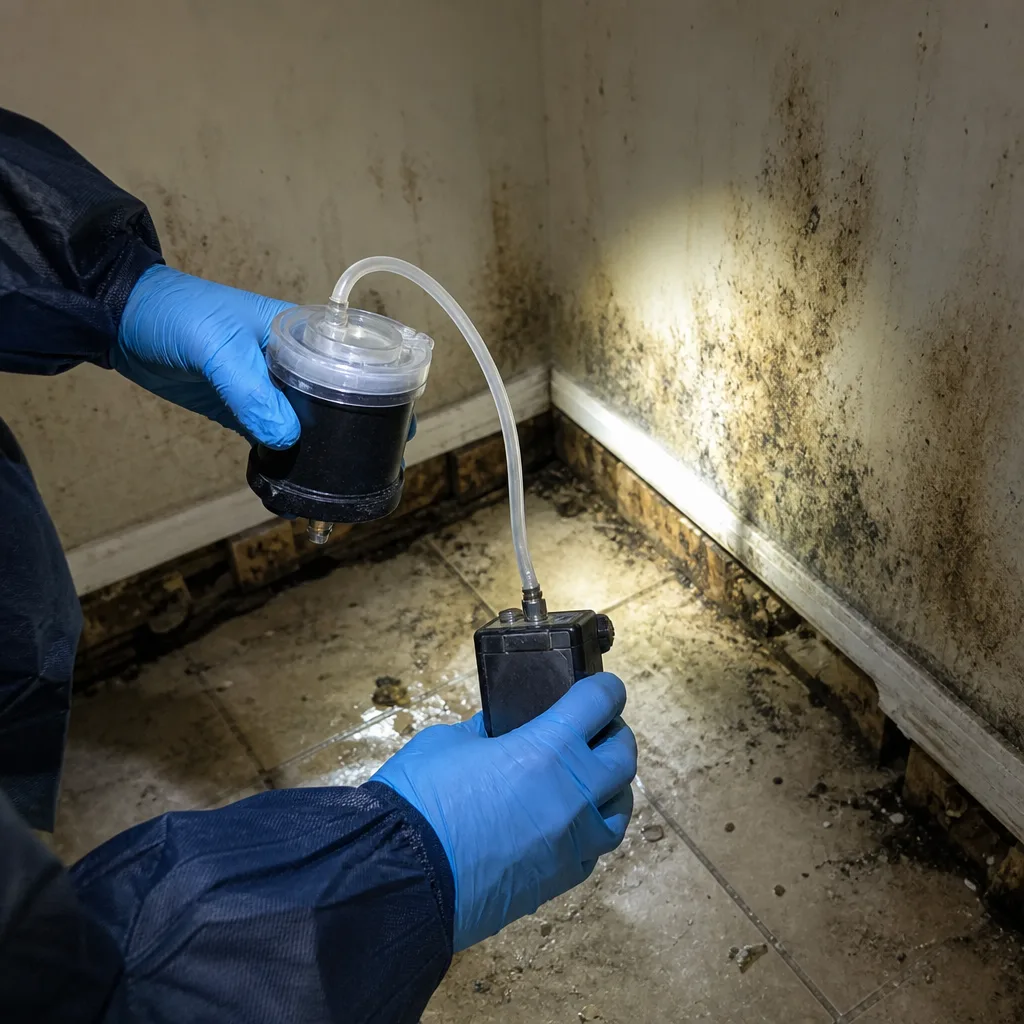
If the mold growth exceeds 10 square feet, is in your HVAC system, or follows Category 3 water damage, full remediation with containment and negative air pressure is required by IICRC S520. Surface cleaning is appropriate only for small, isolated growth on non-porous materials in dry conditions. In Hackensack’s older homes, we’ve often found extensive hidden mold behind intact plaster that appeared minor from the visible surface. We use moisture mapping and air sampling to determine the actual extent before recommending scope. A written price for the appropriate protocol, not the cheapest one, is what Haven Standard Clause 1 requires.
We do, as part of our standard service. Our documentation, daily logs, photo records, and Xactimate-formatted invoices are prepared specifically for adjuster review. We attend adjuster meetings on request, explain our scope in their terminology, and defend our line items with the documentation that supports them. The homeowner’s role is to authorize the work and review the written price before we start; we handle the claim documentation from there. Direct adjuster coordination is included, never an upsell.
Mitigation is emergency work to stop damage and stabilize the property: water extraction, drying, mold containment, soot removal. It’s time-sensitive, often covered at replacement cost without depreciation, and requires immediate dispatch. Reconstruction is the rebuild: drywall, flooring, painting, cabinetry. It’s scheduled, scoped in detail, priced as a fixed written contract, and often subject to depreciation holdbacks by the insurer. We document both phases separately so the adjuster can apply the correct coverage terms. Promising same-day reconstruction is a sign of poor scoping; reconstruction takes measurement, material ordering, and skilled scheduling.
The Bottom Line
Restoration in Hackensack isn’t primarily a repair problem. It’s a documentation problem. The contractor who dries your walls but fails to record moisture readings has left you with an invoice an adjuster can reject. The contractor who tears out plaster without RRP certification has exposed you to federal liability. The contractor who treats combined sewer overflow as clean water has misclassified your claim and jeopardized your coverage.
The solution is systematic: a written price before work begins, a moisture map as baseline, daily drying logs as proof, photo records as evidence, and a final scope that matches the documentation chain. This is what The Haven Standard requires. It’s what we’ve delivered in 12,000+ homes since 2011. And it’s what turns a restoration invoice into a claim that pays without a fight.
Call (551) 213-3409 for a free estimate. A live person answers, 24 hours a day, 7 days a week. We’ll provide a written price before any work starts, document every step, and stand behind the result with our 365-Day Done Right Promise.
Written by Alicia Brennan, Owner at DryMark Restoration Hackensack, serving Hackensack since 2011.