
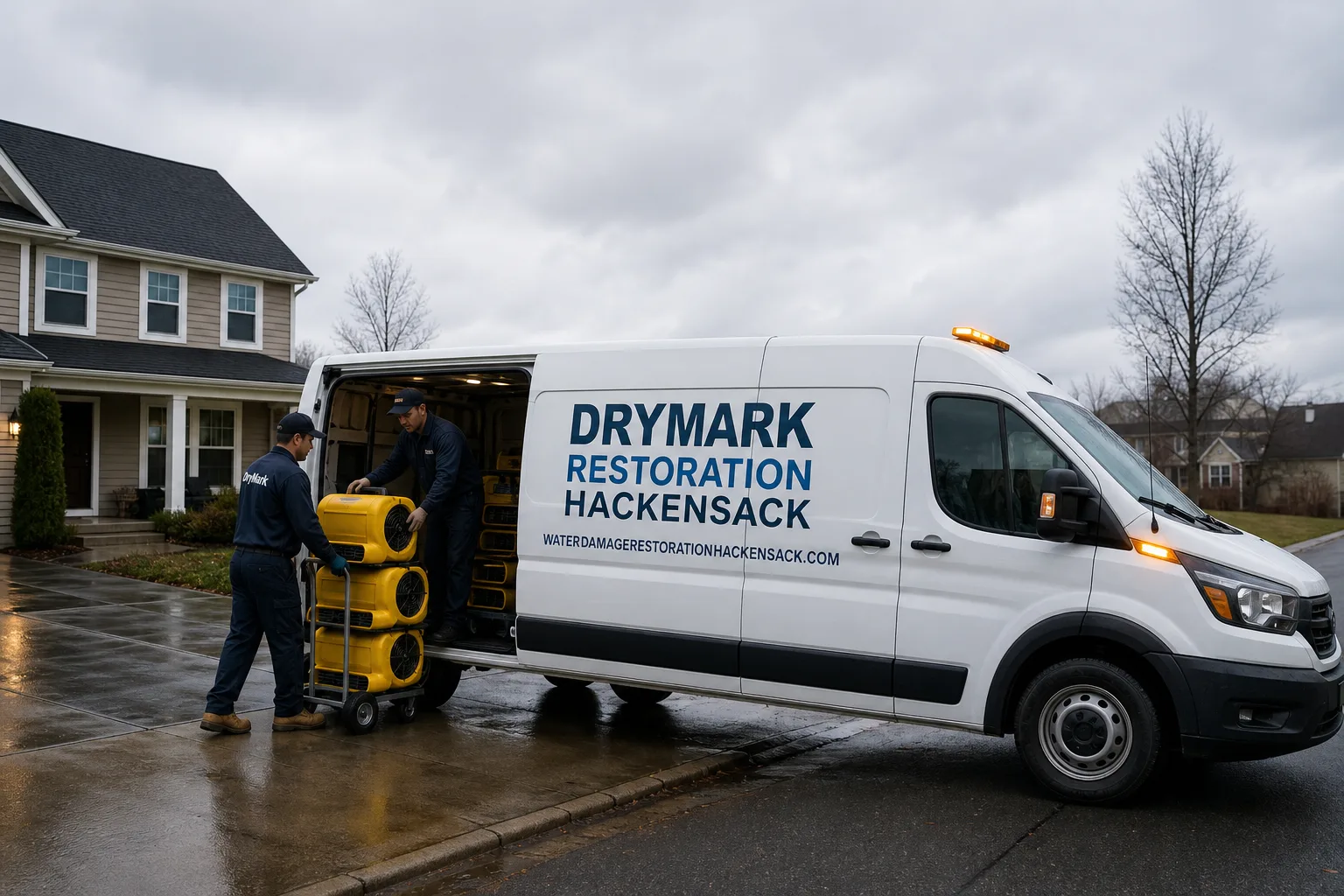
Free visual inspection and a written scope of work before any mitigation begins - photos, moisture readings, and drying logs go in your claim file
The scope we write is the scope we bill. Anything new gets shown to you, in writing, before we touch it.
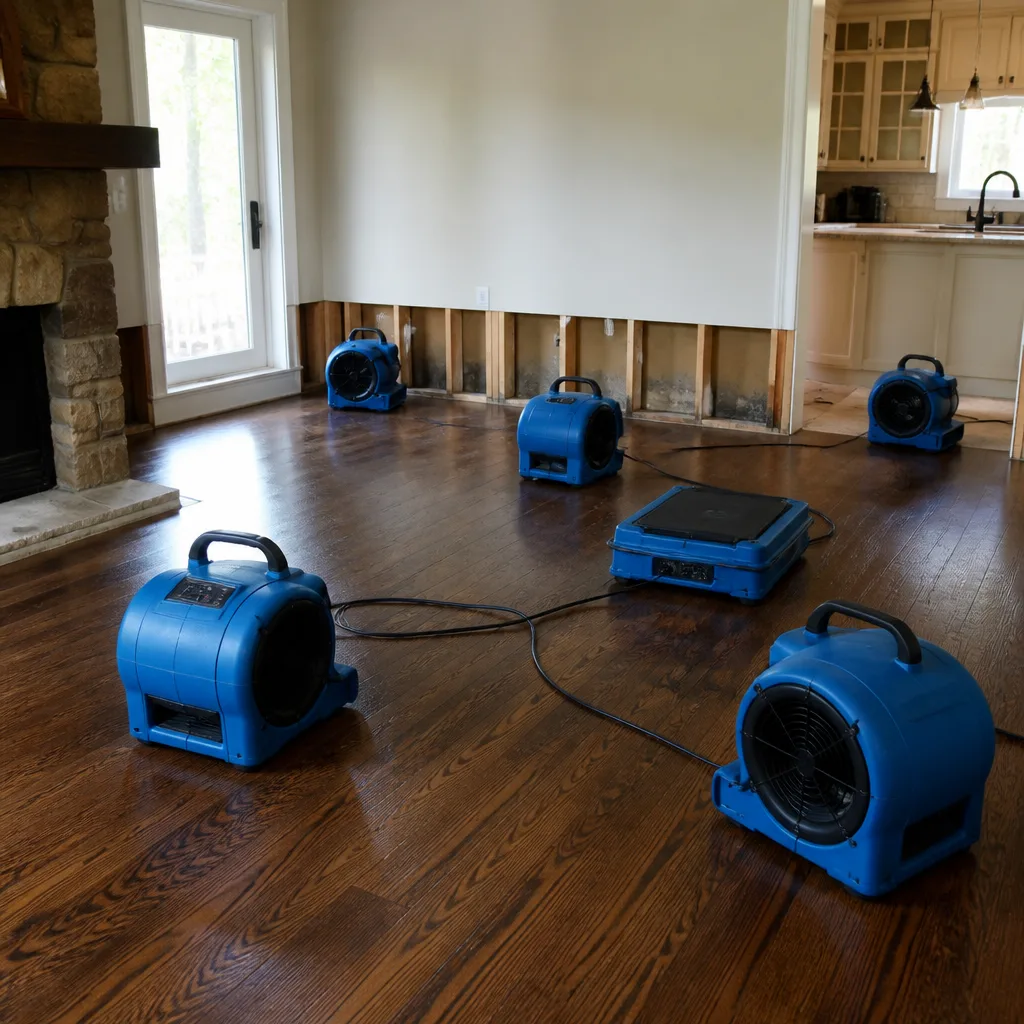
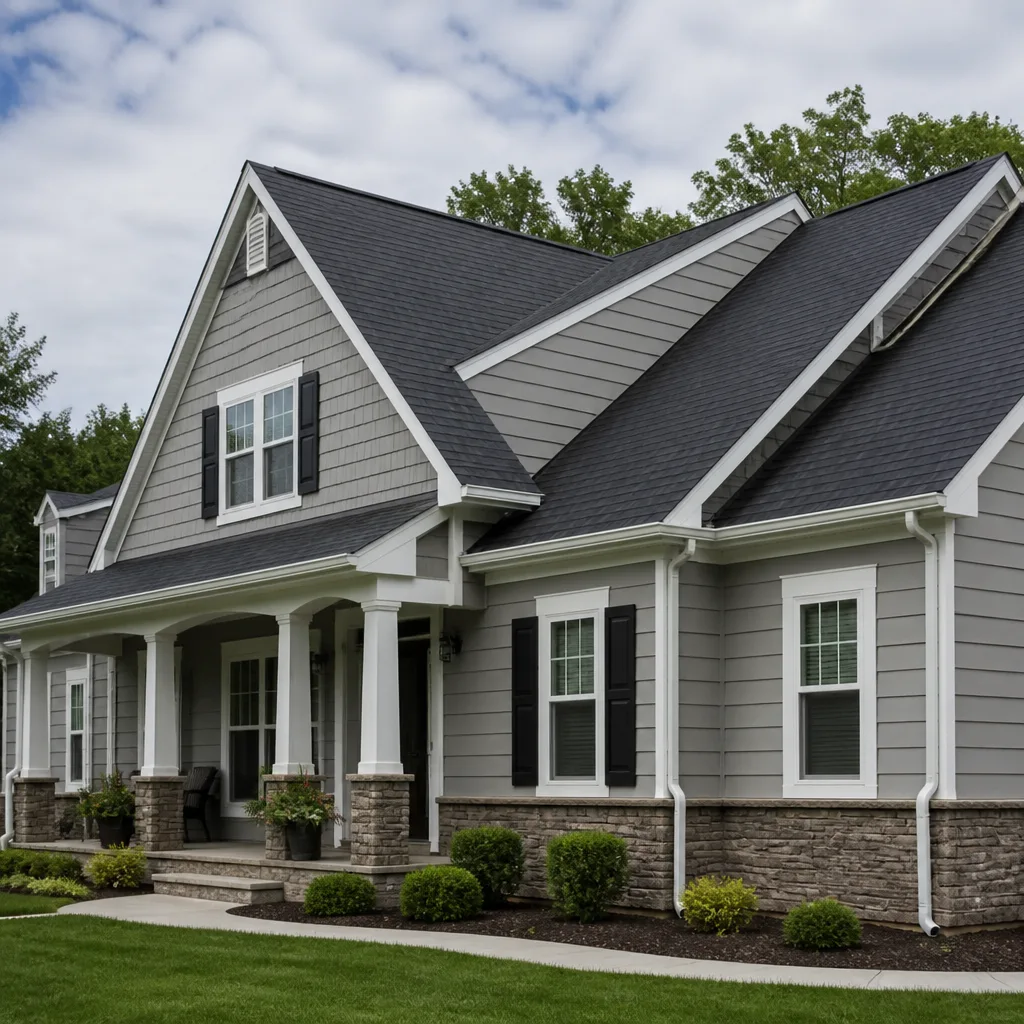
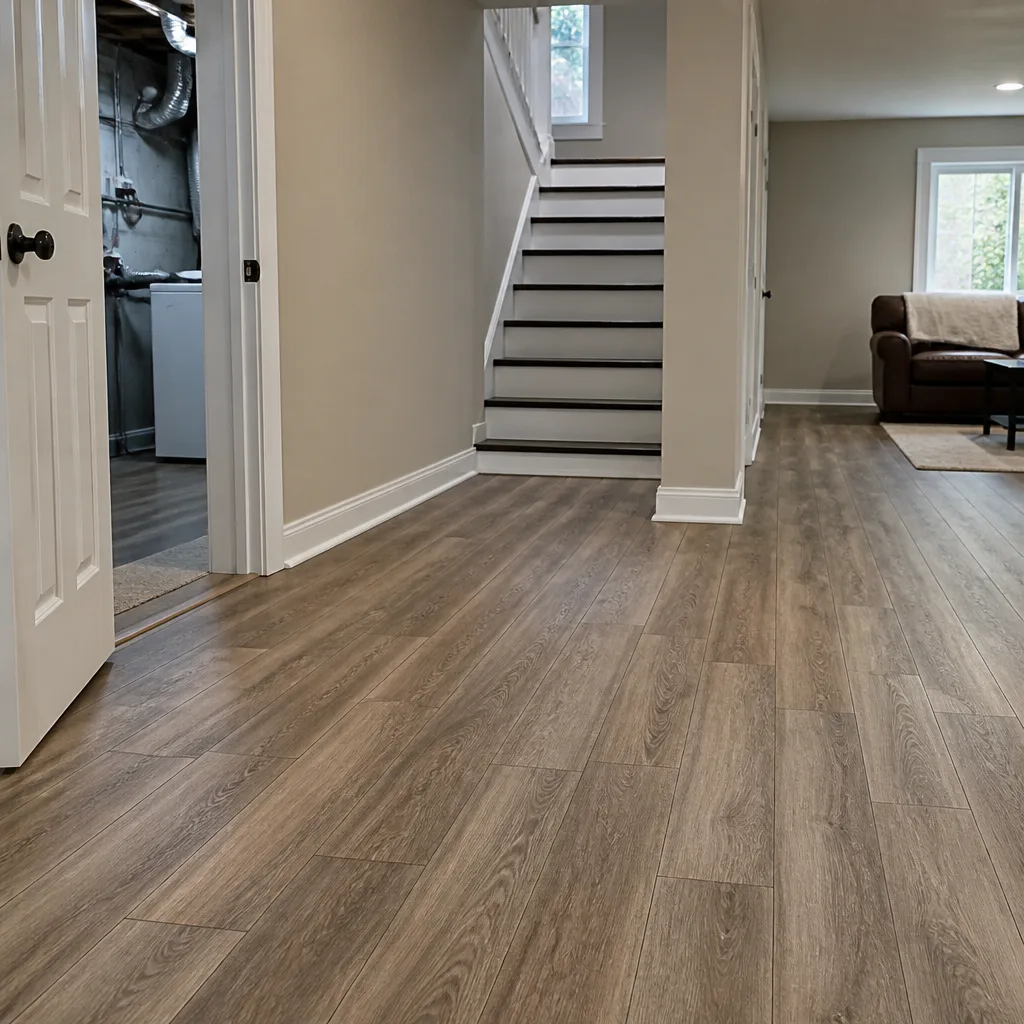
 Before
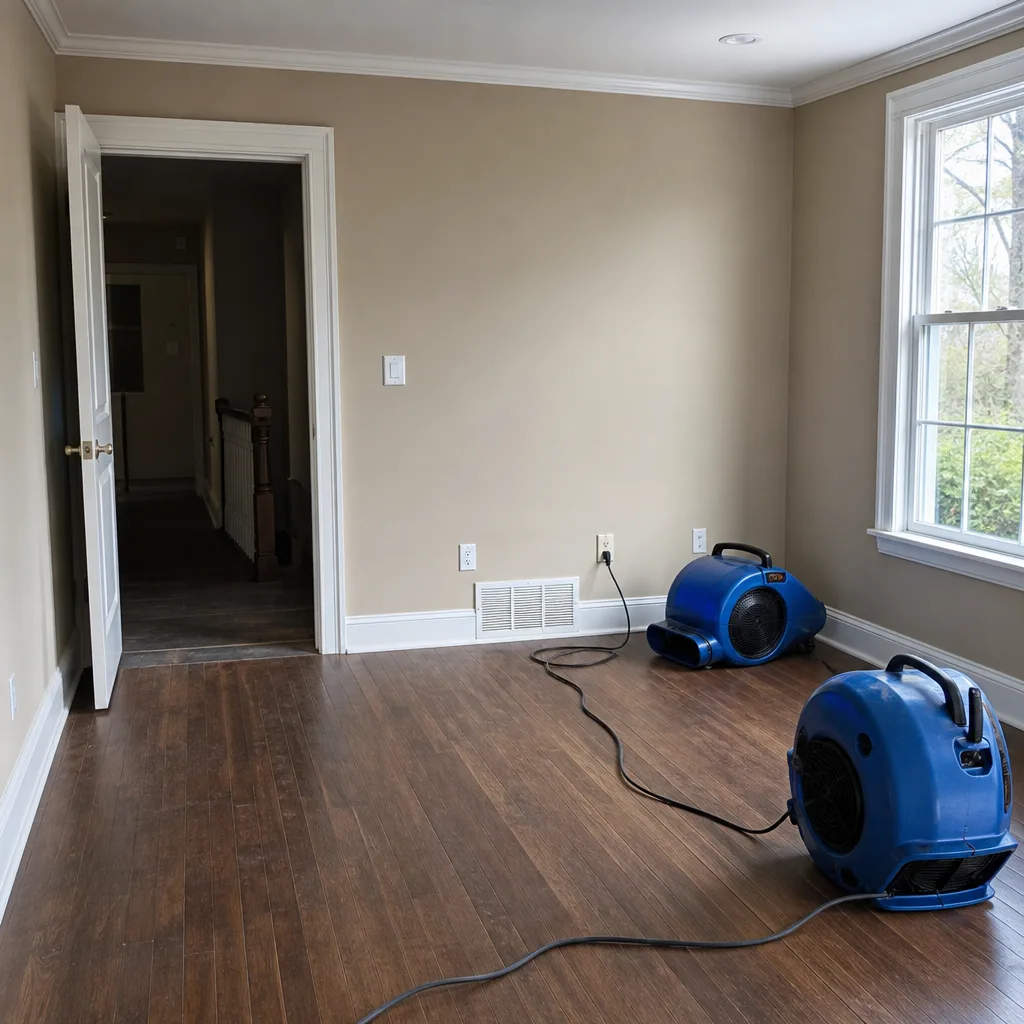 After
After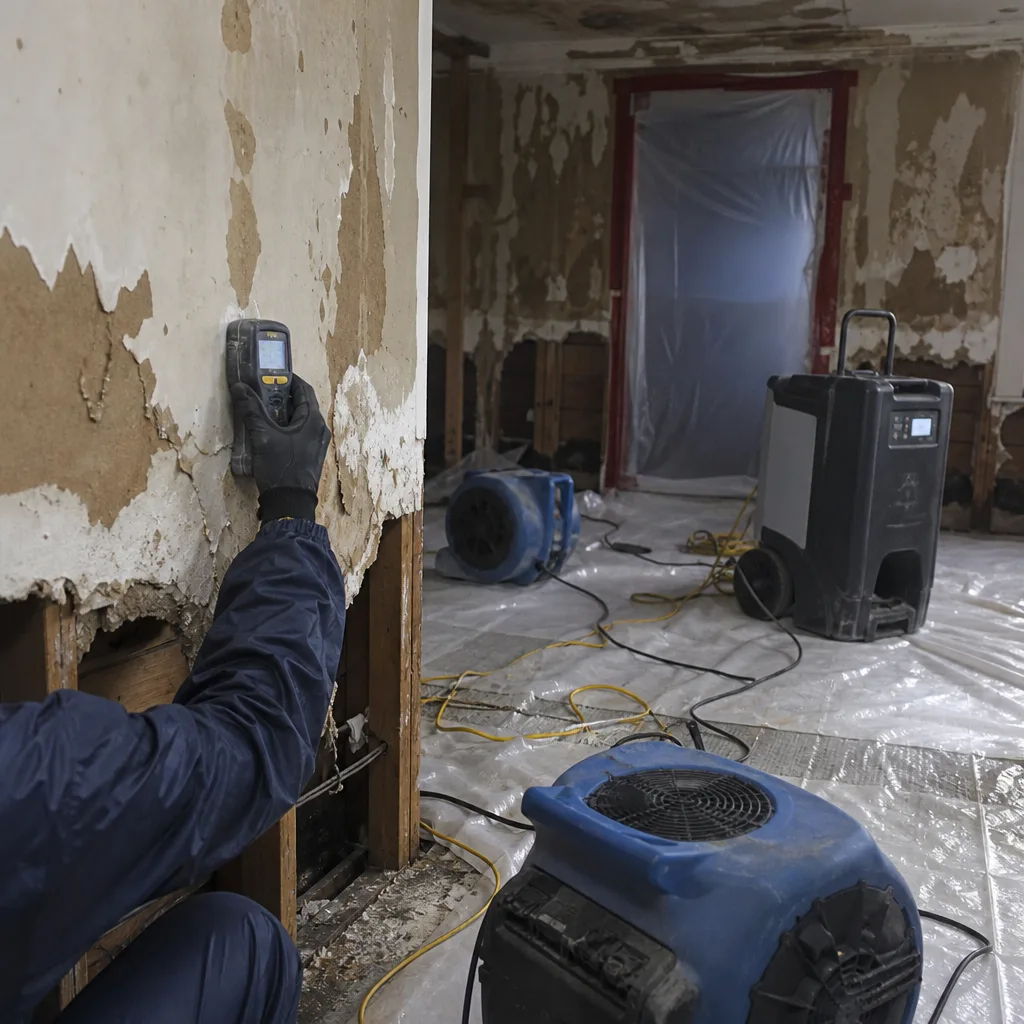 Before
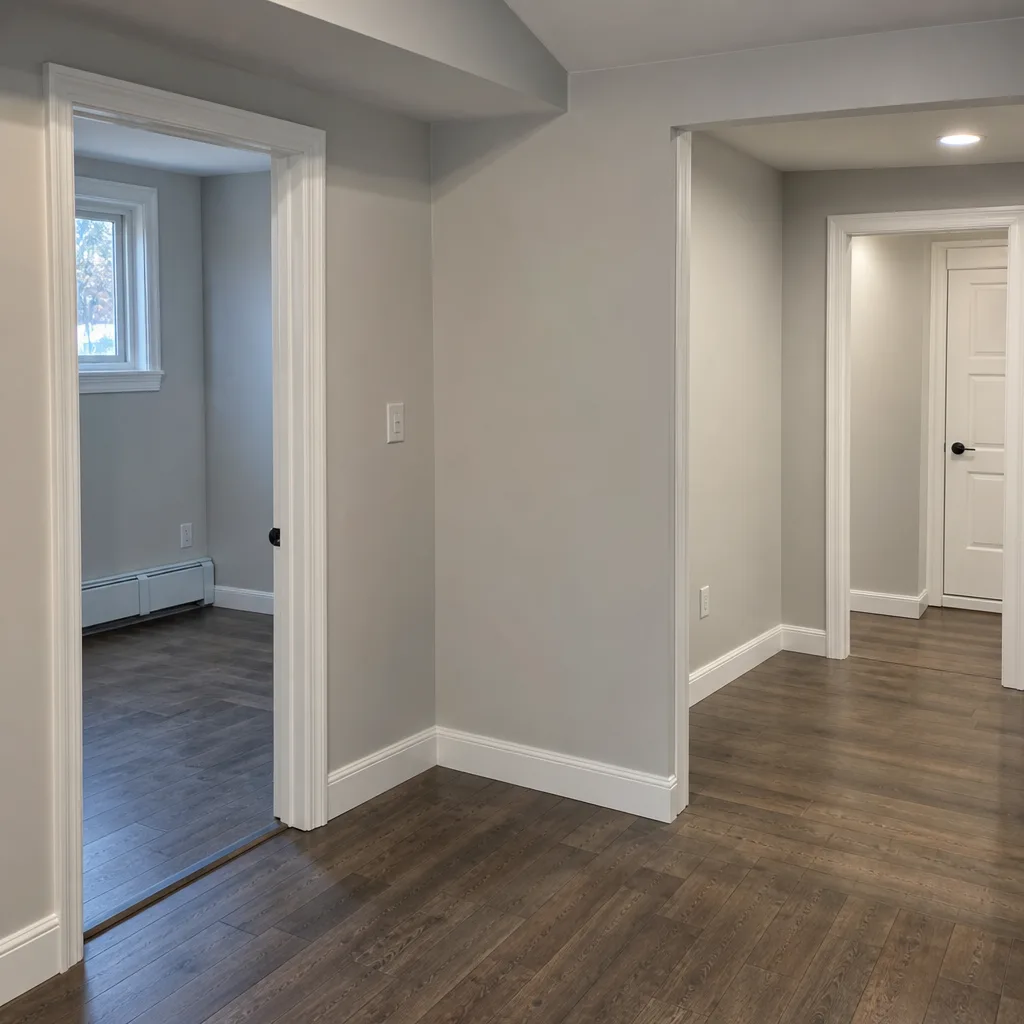 After
After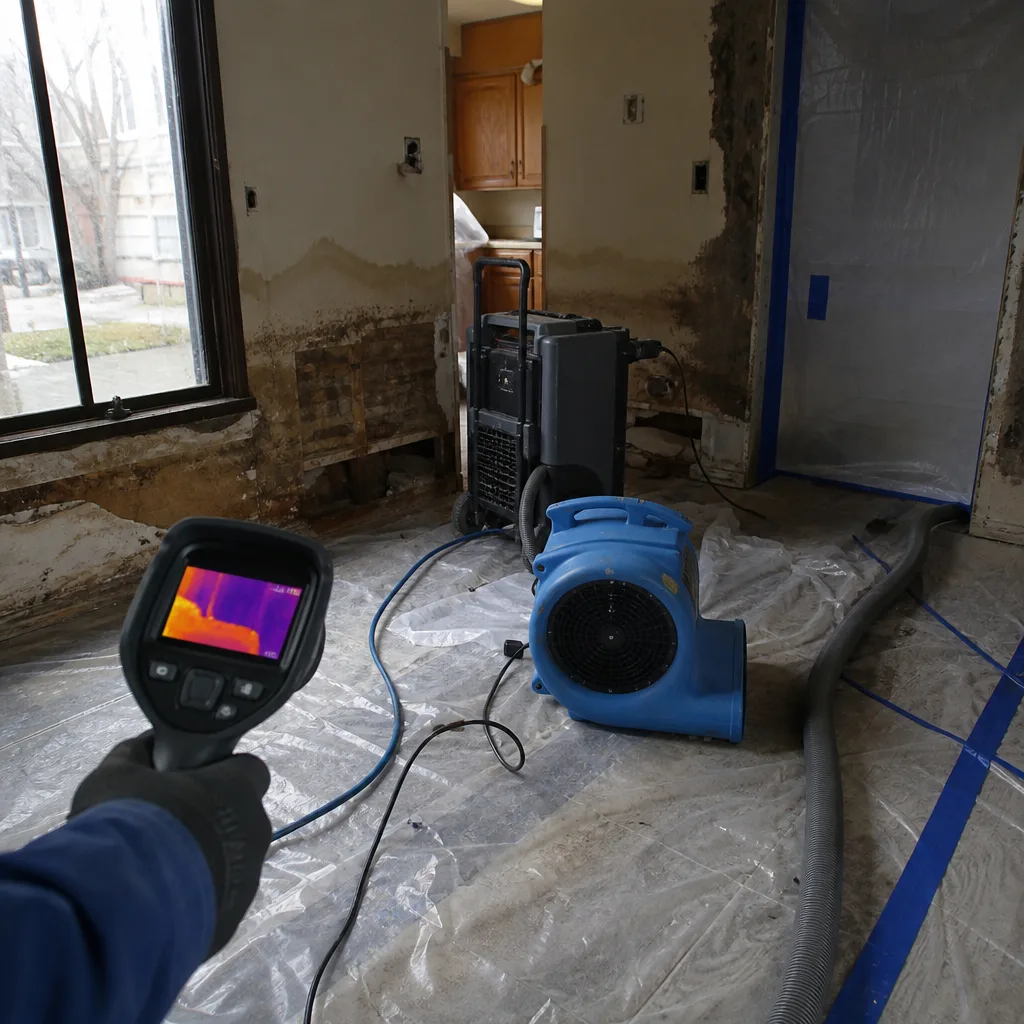 Before
 After
AfterFast, Reliable Mold Remediation Across Little Ferry
Professional mold remediation in Little Ferry, NJ typically costs between $1,200 and $4,500 depending on the affected square footage, with most jobs completed in 3-5 business days after the initial inspection. Our crews dispatch to Little Ferry from our New York City office, and we carry containment equipment, air scrubbers, and moisture meters configured for the borough’s specific post-Sandy building stock. Call (551) 213-3409 for a written estimate before any work begins.
Little Ferry’s homes aren’t like the rest of Bergen County. The borough’s catastrophic flooding during Superstorm Sandy in 2012 reshaped how mold grows here, where it hides, and what it takes to remove it permanently. We’ve restored more than 12,000 homes since 2011, and the ones in Little Ferry taught us the most about what happens when floodwater meets clay-heavy Meadowlands soil and a housing stock split between original low-lying construction and post-Sandy elevated rebuilds. That’s why we also offer our Water Damage Restoration in Little Ferry for homes facing ongoing moisture issues.
Why DryMark Restoration Hackensack Is Little Ferry’s Preferred Mold Remediation Company
Our reputation in Little Ferry was built on documentation, not slogans. Homeowners here research before they call, and they measure trust by what we can show them: a written price before work starts (Haven Standard, Clause 1), a photo record on every visit, and daily moisture logs that turn restoration invoices into payable insurance claims. Alicia Brennan founded Back to Dry Restoration in 2011 as a former claims adjuster who watched too many homeowners lose their claims to sloppy documentation. That origin story is why we operate the way we do.
We answer our phones live, 24 hours a day, 7 days a week. No voicemail trees. No next-business-day callbacks while moisture is still wicking into slab foundations on Mehrhof Road or the low blocks near the Bergen County Utilities Authority plant. Our technicians are background-checked, uniformed, and licensed, with license numbers available on request.
We offer a Free Second Opinion on any competitor’s written estimate. Bring another company’s scope to us and we’ll review it at no charge. And every job carries our 365-Day Done Right Promise under The Haven Standard: if it’s not done right, we make it right.
Our Mold Remediation Services in Little Ferry
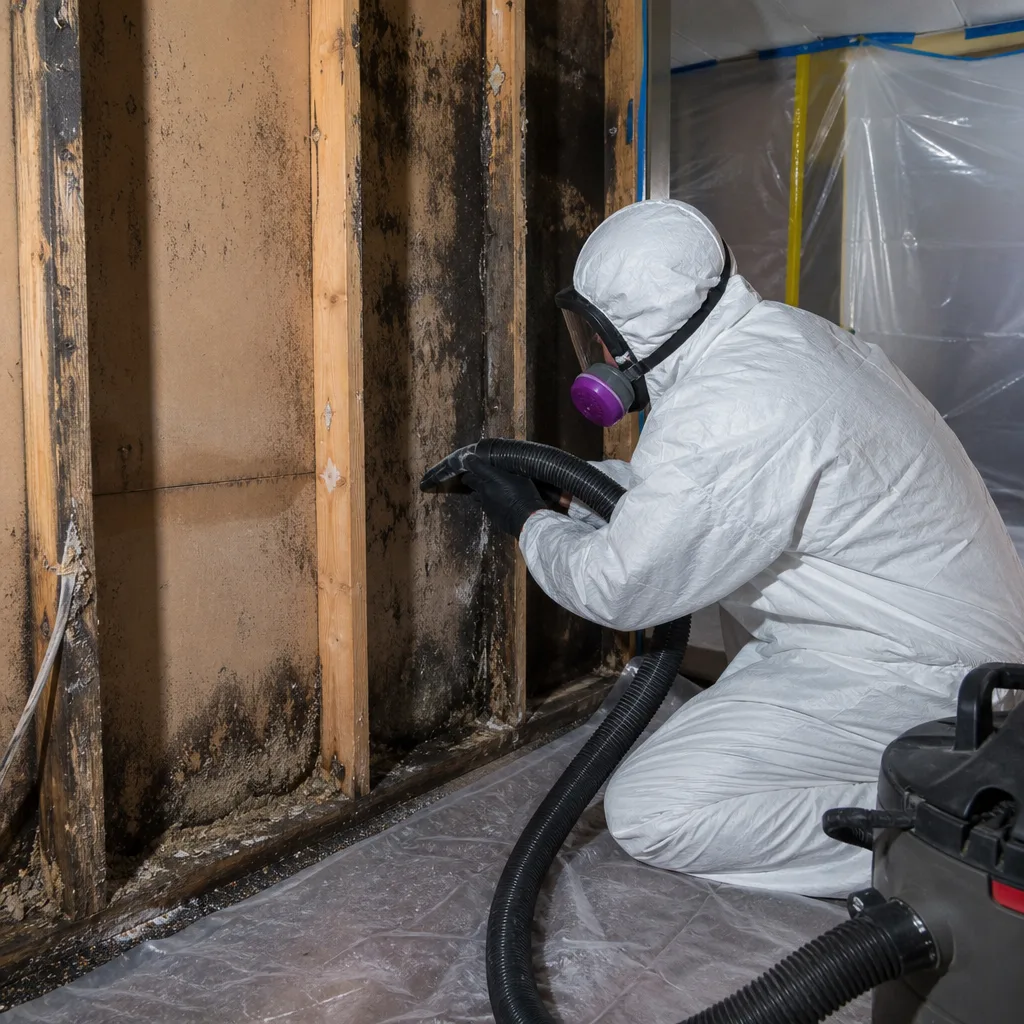
Mold Inspection & Testing
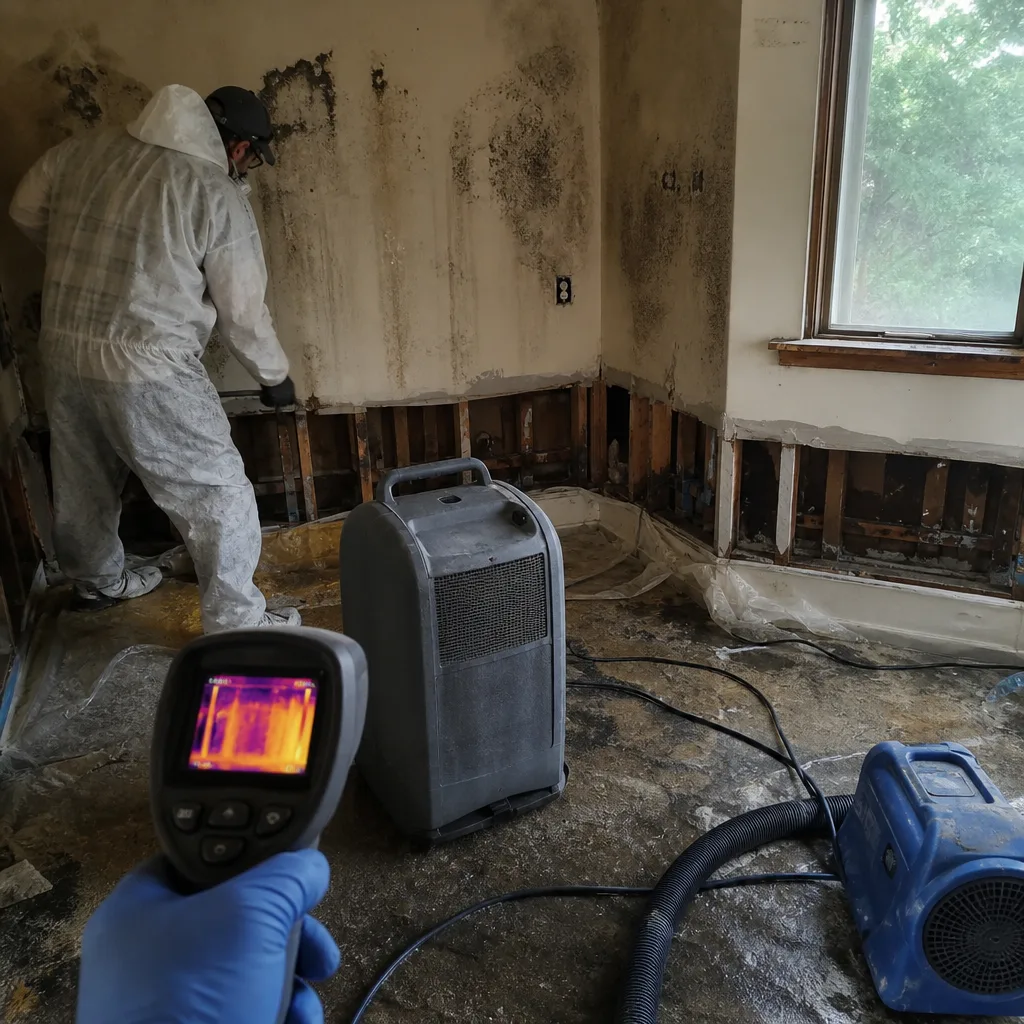
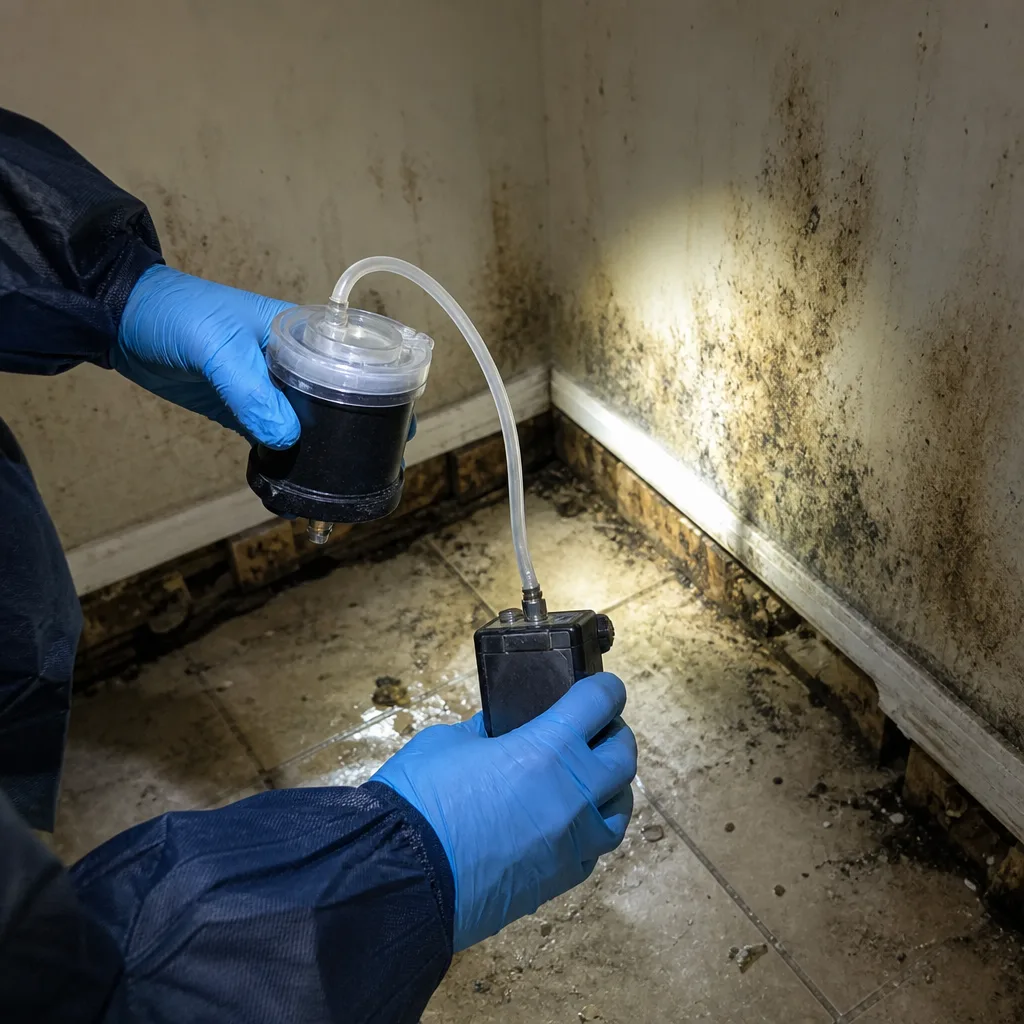
Our Mold Remediation inspections in Little Ferry start with the understanding that this borough’s mold problems rarely follow the patterns you’ll find in Ridgefield Park or Hasbrouck Heights. We use moisture meters, thermal imaging, and air sampling to locate hidden growth, with particular attention to pier-level undercarriages on post-Sandy elevated homes where HVAC equipment and ductwork sit exposed to wind-driven rain. A typical mold inspection in Little Ferry runs $350-$650, including lab analysis of air and surface samples.
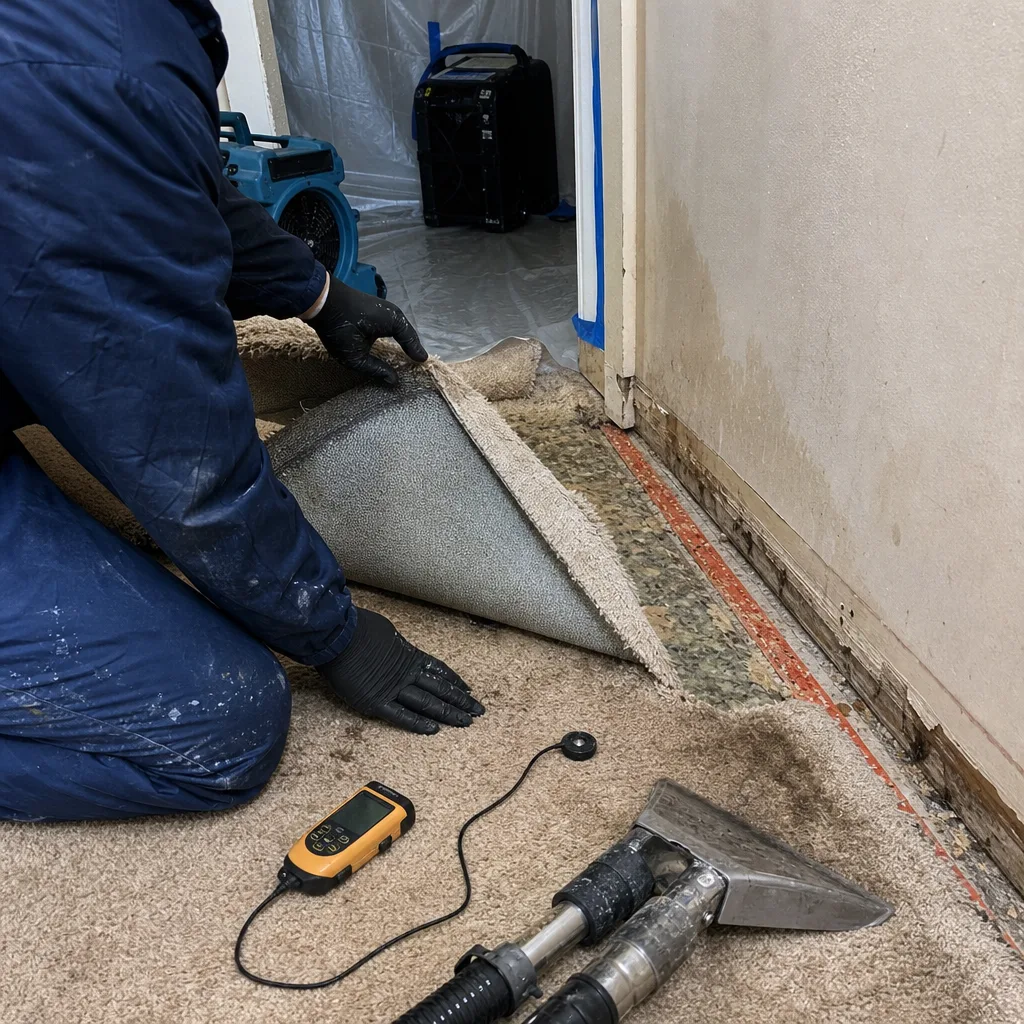
Mold Removal
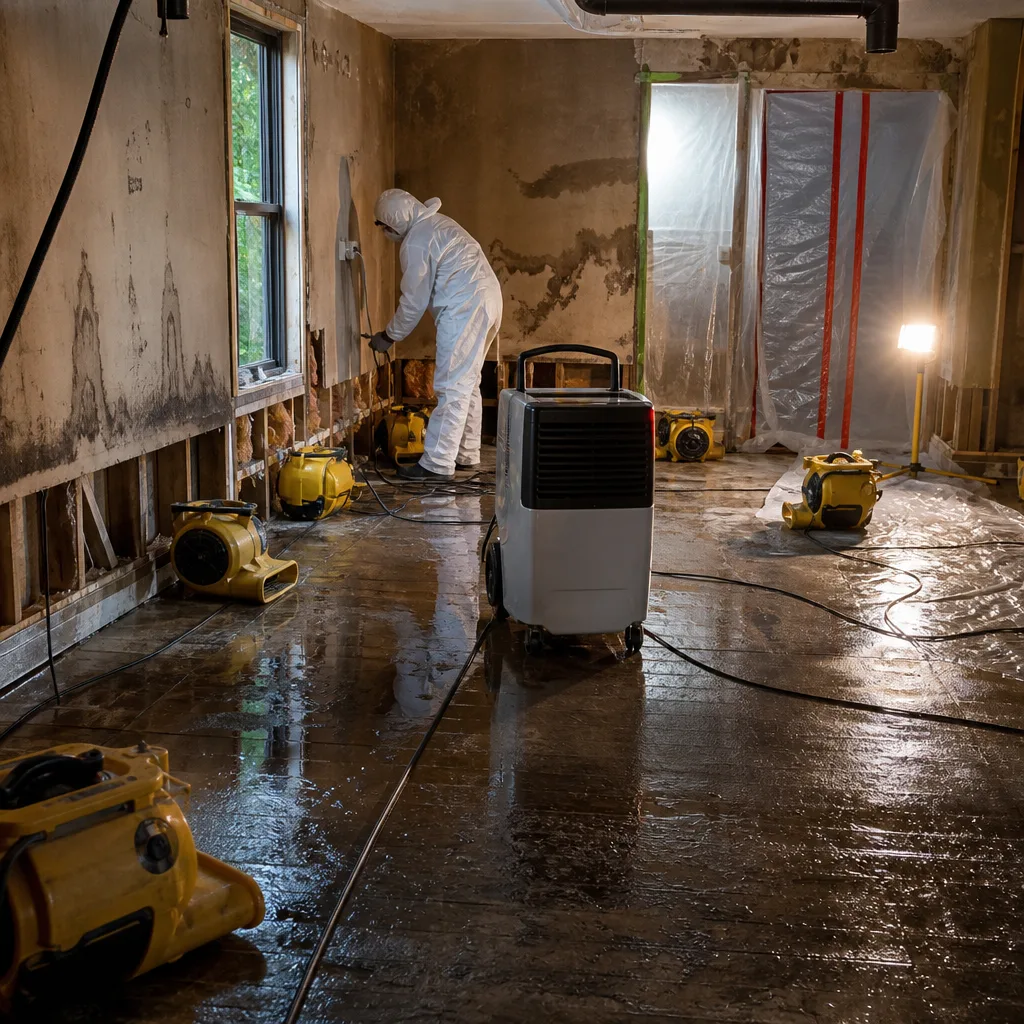
Once we’ve mapped the contamination, we establish containment barriers, deploy HEPA air scrubbers, and remove affected materials following IICRC S520 standards. In Little Ferry’s original 1940s-1960s ranch and Cape Cod stock, we frequently encounter mold behind original galvanized plumbing and within walls that never fully dried after the last flood event. Removal jobs in Little Ferry typically range from $1,200 for contained bathroom growth to $3,800 for whole-room remediation with material replacement.
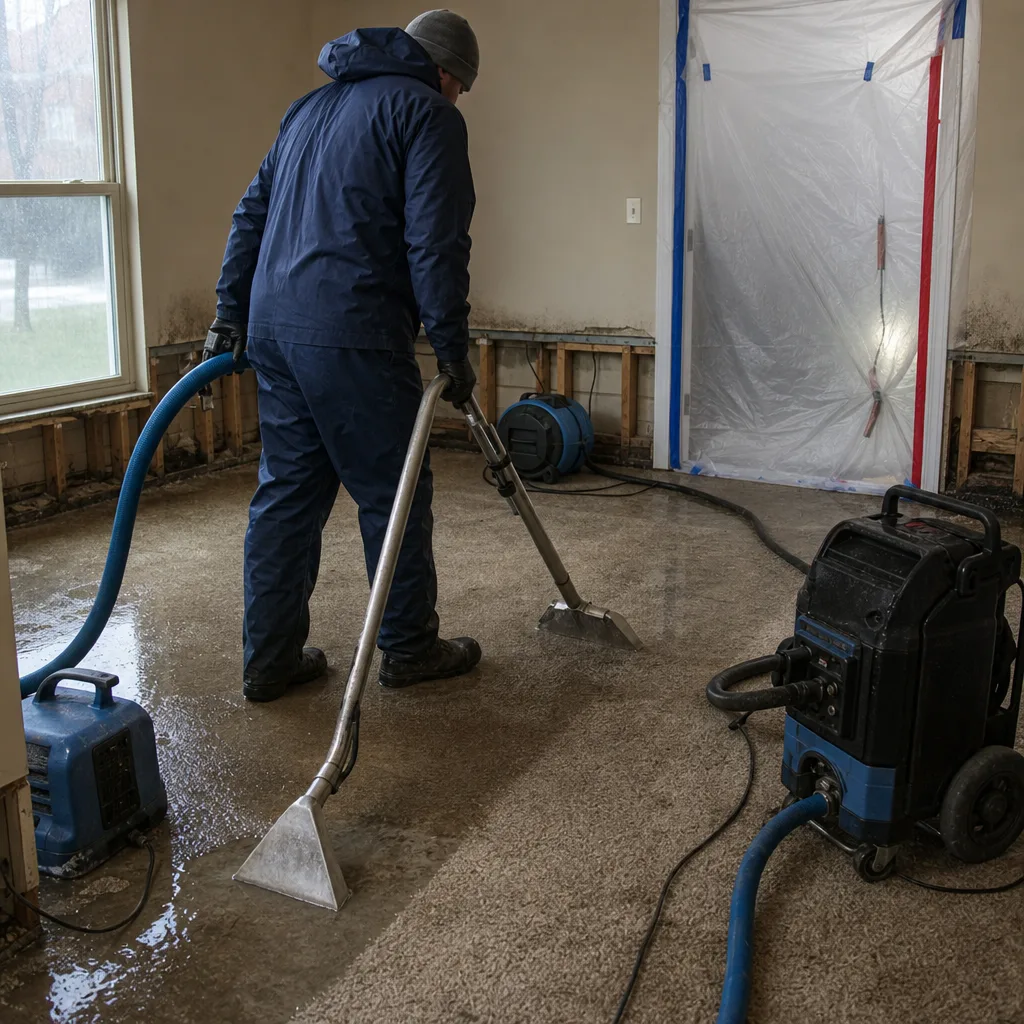
Black Mold Remediation
Stachybotrys chartarum and other toxigenic species require specialized handling. We seal the work area under negative pressure, remove porous materials that cannot be salvaged, and treat non-porous surfaces with antimicrobial agents documented to RIA and IFA protocols. Black mold remediation in Little Ferry runs $2,000-$4,500 depending on the square footage and whether the contamination has spread into HVAC components beneath elevated homes.
Air Quality Restoration
After physical removal, we verify air quality through post-remediation sampling. Our equipment includes Phoenix and Dri-Eaz dehumidification systems sized to the psychrometric data we collect, vapor pressure differentials included in your written report. Air quality restoration as a standalone service in Little Ferry costs $800-$1,800; it’s often bundled with our Mold Remediation in Little Ferry packages.
Crawl Space Treatment
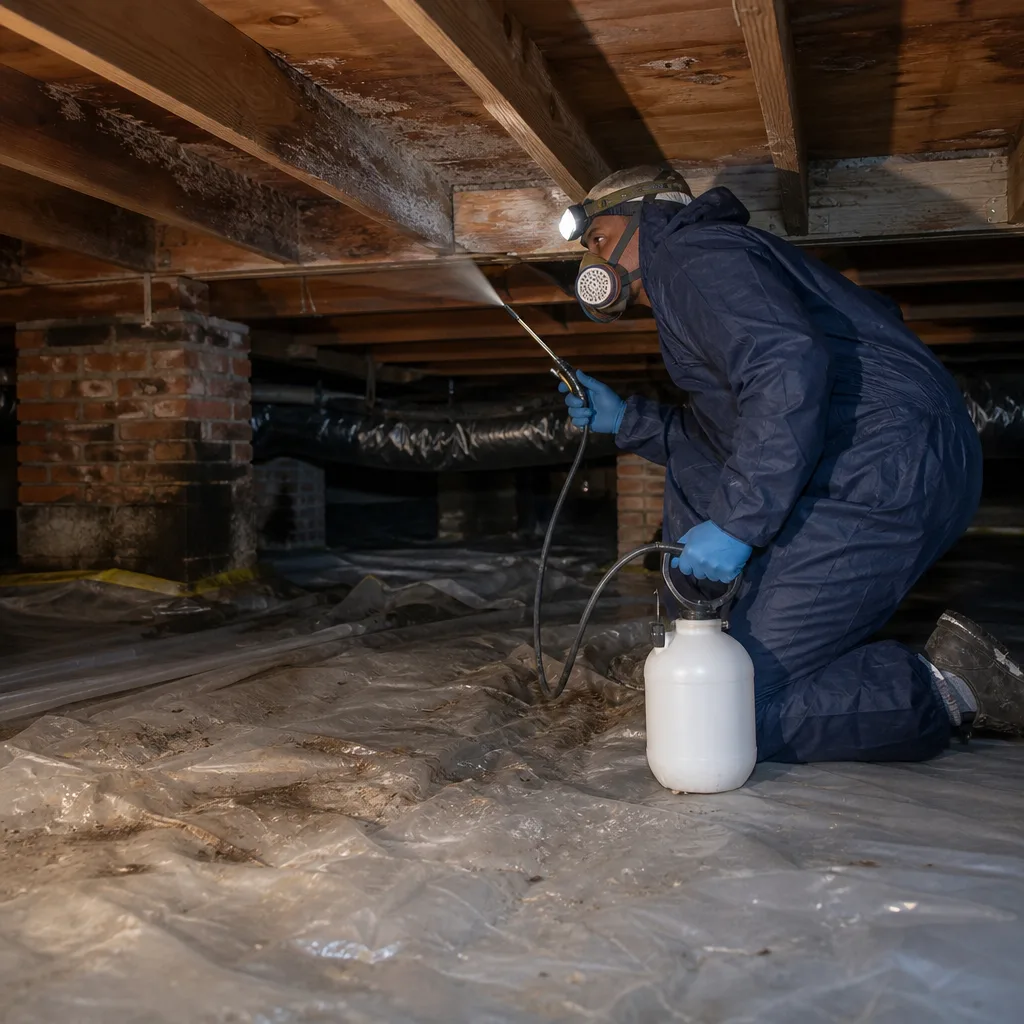
This is where Little Ferry diverges from every nearby town. The flat, clay-heavy former Hackensack Meadowlands soils hold moisture long after floodwaters recede, and the structural drying window before secondary mold growth is shorter than the rest of Bergen County assumes. Our crawl space treatment addresses soil vapor, foundation seepage, and the unique post-Sandy failure mode of pier-level mechanical systems. We apply vapor barriers, install permanent dehumidification where indicated, and document moisture readings on the sheathing and joists that other crews miss. Crawl space treatment in Little Ferry typically runs $1,500-$3,200.
Moisture & Humidity Control
We don’t call a job finished when surfaces read dry. Our moisture and humidity control protocols account for Little Ferry’s chronic nuisance tidal flooding and the extended moisture retention of Meadowlands clay soils. We leave behind permanent humidity monitoring where appropriate, with written thresholds for when to call us back. Ongoing moisture control system installation runs $900-$2,400.
What happens when you call
- 1
A real person answersNo phone trees - you reach a local pro.
- 2
You get an upfront price rangeHonest numbers before anyone is dispatched.
- 3
A background-checked tech heads outLicensed & insured, dispatched right away.
- 4
You approve before work beginsNothing starts until you say go.
BeforeAfterTrusted Brands We Service in Little Ferry
Our equipment inventory includes professional-grade drying systems from Dri-Eaz, Phoenix, and XPOWER, with Injectidry mat systems for targeted subfloor drying. We stock HEPA filtration media and antimicrobial treatments locally, so Little Ferry jobs aren’t delayed waiting for parts. Every piece of equipment is documented to IICRC, RIA, and IFA standards, and the daily drying logs we produce become part of your claim file.
Common Mold Remediation Problems We See in Little Ferry Homes
- Crews treat pier-level undercarriages like conventional basements. Post-Sandy elevated homes have HVAC equipment, water heaters, and ductwork repositioned into the open space beneath the raised first floor. Wind-driven rain intrudes on these exposed systems in ways a cellar never experiences. Technicians who miss this failure mode find the mold returns within weeks.
- Surface moisture readings mislead on Meadowlands clay soils. The flat, clay-heavy soils of the former Hackensack Meadowlands retain moisture long after flood events recede. A dry surface reading doesn’t mean moisture has stopped wicking into slab and low-crawl original construction. We take readings at depth and track them across multiple visits.
- Post-Sandy elevation variables get ignored entirely. Drying an elevated home the same way as a pre-Sandy slab ranch produces an undersized scope of work and a failed drying log. The two housing types require fundamentally different equipment configurations and moisture monitoring protocols.
- Original 1940s-1960s construction hides legacy moisture pathways. Knob-and-tube wiring chases, original galvanized plumbing with chronic pinhole seepage, and slab foundations with no elevation above grade create interconnected moisture networks that single-room remediation won’t address.
Pricing for Mold Remediation in Little Ferry, NJ
We’ve built our pricing around Haven Standard, Clause 1: a written price before any work starts, every time, with no scope-creep additions once the crew is inside your home.
| Service | Typical Range in Little Ferry |
|---|---|
| Mold Inspection & Testing | $350 - $650 |
| Contained Mold Removal (single room) | $1,200 - $2,200 |
| Extensive Mold Removal (multiple rooms) | $2,500 - $3,800 |
| Black Mold Remediation | $2,000 - $4,500 |
| Crawl Space Treatment | $1,500 - $3,200 |
| Moisture & Humidity Control Systems | $900 - $2,400 |
| Air Quality Restoration | $800 - $1,800 |
What moves a job toward the higher end: pier-level mechanical systems requiring specialized containment, extensive material removal in original construction with legacy building materials, and jobs where floodwater carried Category 3 contamination from tidal sources. We document every variable in your written scope before work begins. Call (551) 213-3409 for your specific estimate.
We Also Serve Cities Near Little Ferry
Our crews work throughout Bergen County, including Little Ferry and neighboring Ridgefield Park, Bogota, Hasbrouck Heights, and Ridgefield. Each municipality has its own flood history, soil conditions, and building stock characteristics, and our scopes are written accordingly.
Serving Little Ferry, NJ - Our Local Coverage Area
We’re based in the Little Ferry area and know this community well. Use the map below to see our service coverage - if you’re nearby, we can almost certainly help.
FAQs - Mold Remediation in Little Ferry
Post-Sandy elevated homes in Little Ferry have HVAC equipment, water heaters, and ductwork repositioned into the open undercarriage beneath the raised first floor, where they’re exposed to wind-driven rain and freeze-thaw cycles that a conventional basement never faces. This failure mode doesn’t exist in neighboring towns with standard cellars, and it’s why our inspections always include the pier level. Call (551) 213-3409 if you’re seeing musty odors or visible growth beneath your elevated home.
Mold colonization begins 24-72 hours after water intrusion, but in Little Ferry the flat, clay-heavy Meadowlands soils extend that risk window by keeping slab and low-crawl foundations wet long after surface floodwater recedes. We’ve documented active mold growth starting 10-14 days post-flood in original construction where crews declared the structure dry based on surface readings alone. The sooner we collect psychrometric data and establish drying targets, the better your outcome.
Yes. Much of Little Ferry sits within FEMA Special Flood Hazard Area designations, and post-Sandy FEMA “substantial damage” compliance requirements affect how materials are classified, documented, and replaced. Our written scopes account for these requirements, and our photo records are formatted for adjuster review. We coordinate directly with insurance adjusters when requested, and our documentation has been used in hundreds of successful claims.
Yes, and we prefer to. After a spring nor’easter pushed Overpeck Creek water into the low-lying blocks near the Bergen County Utilities Authority plant, we were called to a raised ranch off Mehrhof Road whose pier-level undercarriage had soaked insulation and a condensate pan feeding mold across the exposed supply trunk. We pulled moisture readings on the sheathing and joists, set containment under the first floor with air movers and a Dri-Eaz dehumidifier, ran Injectidry mats on the wet subfloor above, and applied antimicrobial treatment to the open framing before closing it back up. The homeowner wanted it handled without a second trip, so we scoped the crawl space treatment and moisture and humidity control into the same visit. Call (551) 213-3409 to schedule a single-visit scope.
Category 3 water, or “black water,” carries contaminants from tidal sources including the Hackensack River and Overpeck Creek. Porous materials that absorb this water, including drywall, insulation, carpet padding, and unfinished wood, must be removed and replaced per IICRC standards. Non-porous materials can sometimes be cleaned and treated, but the determination is documented in our written scope with photos, not made on the fly. This classification affects both the remediation cost and the insurance claim documentation we prepare.
Written by Alicia Brennan, Owner at Back to Dry Restoration, serving Little Ferry since 2011.