
Last updated September 23, 2026
Free visual inspection and a written scope of work before any mitigation begins - photos, moisture readings, and drying logs go in your claim file
The scope we write is the scope we bill. Anything new gets shown to you, in writing, before we touch it.
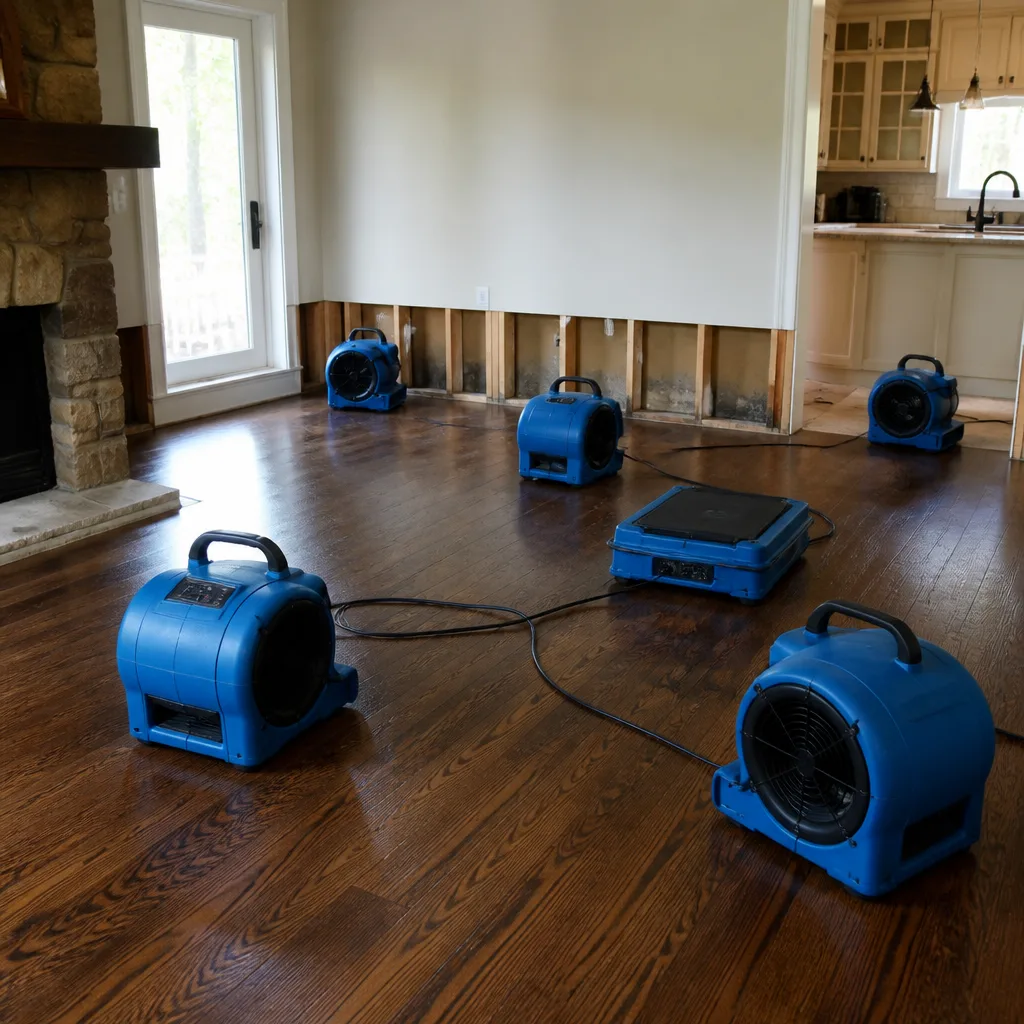
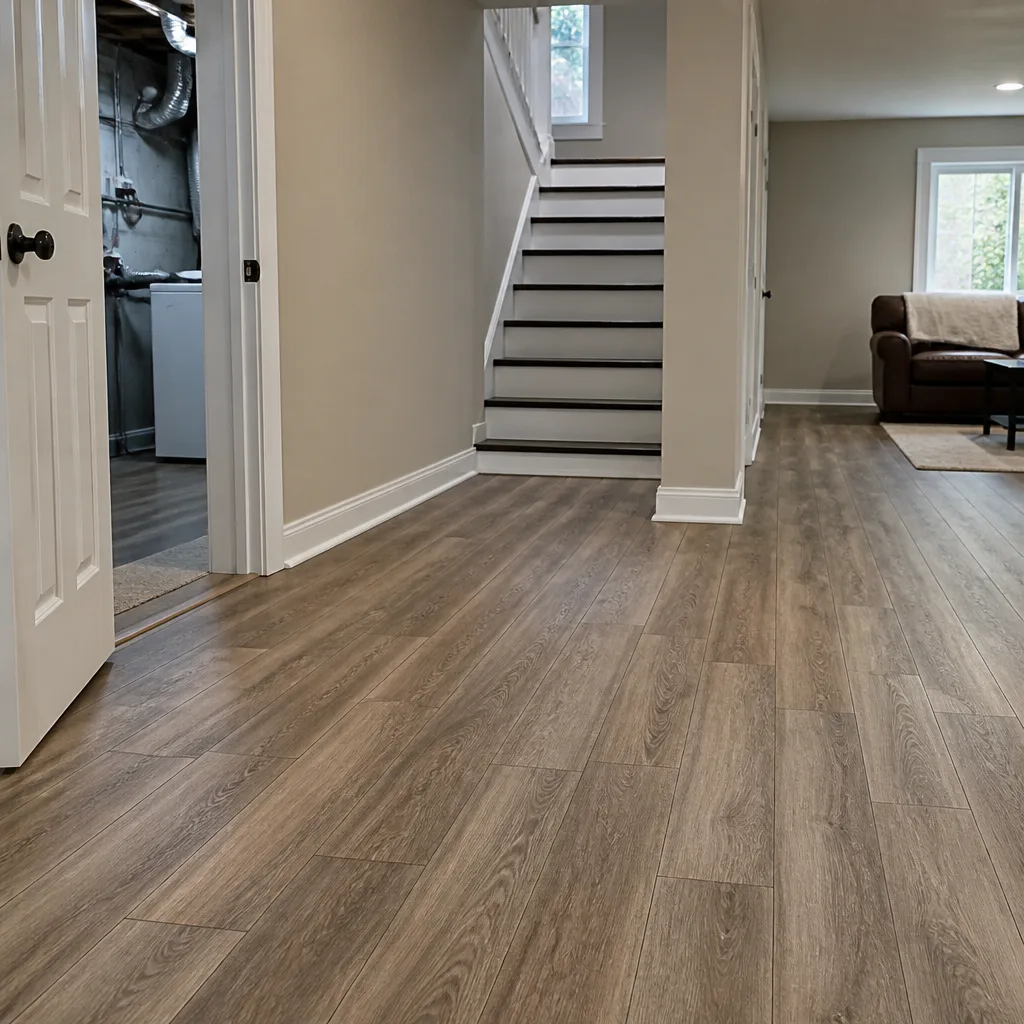
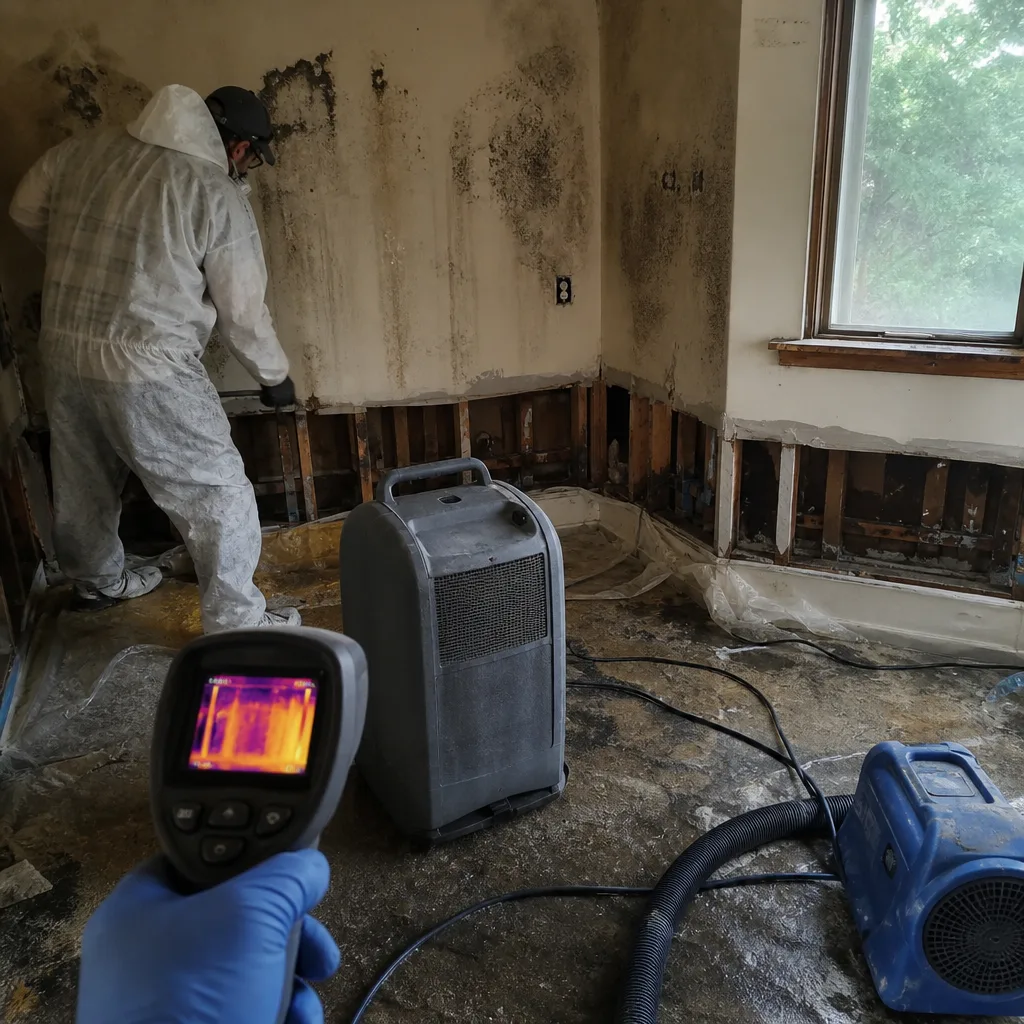 Before
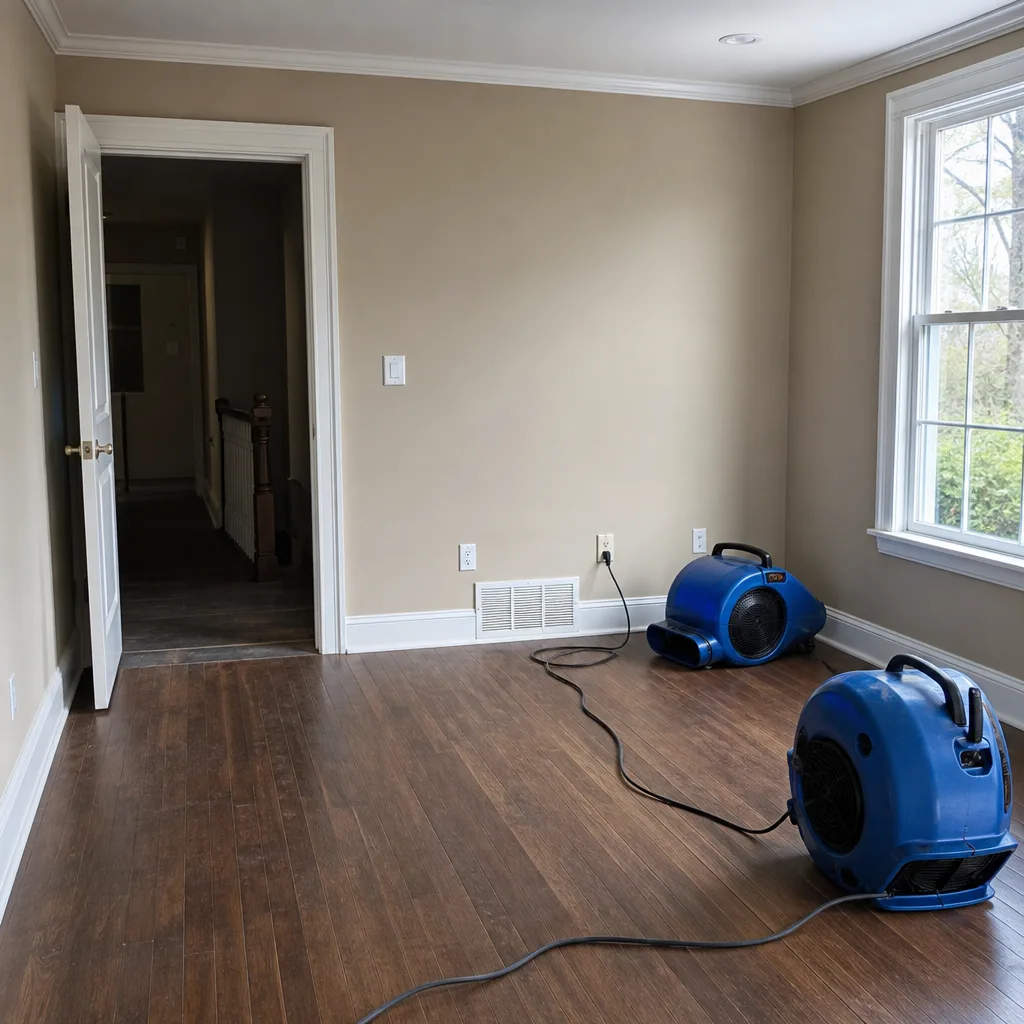 After
After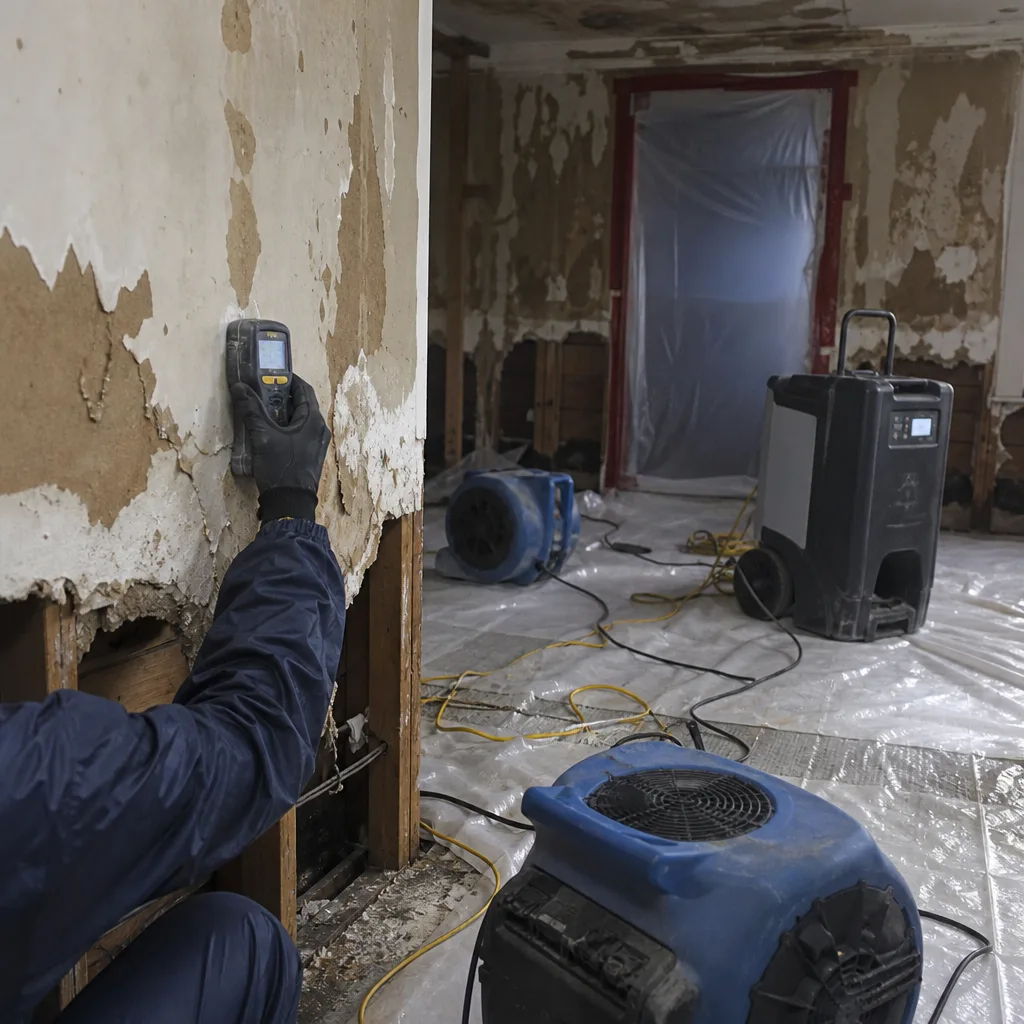 Before
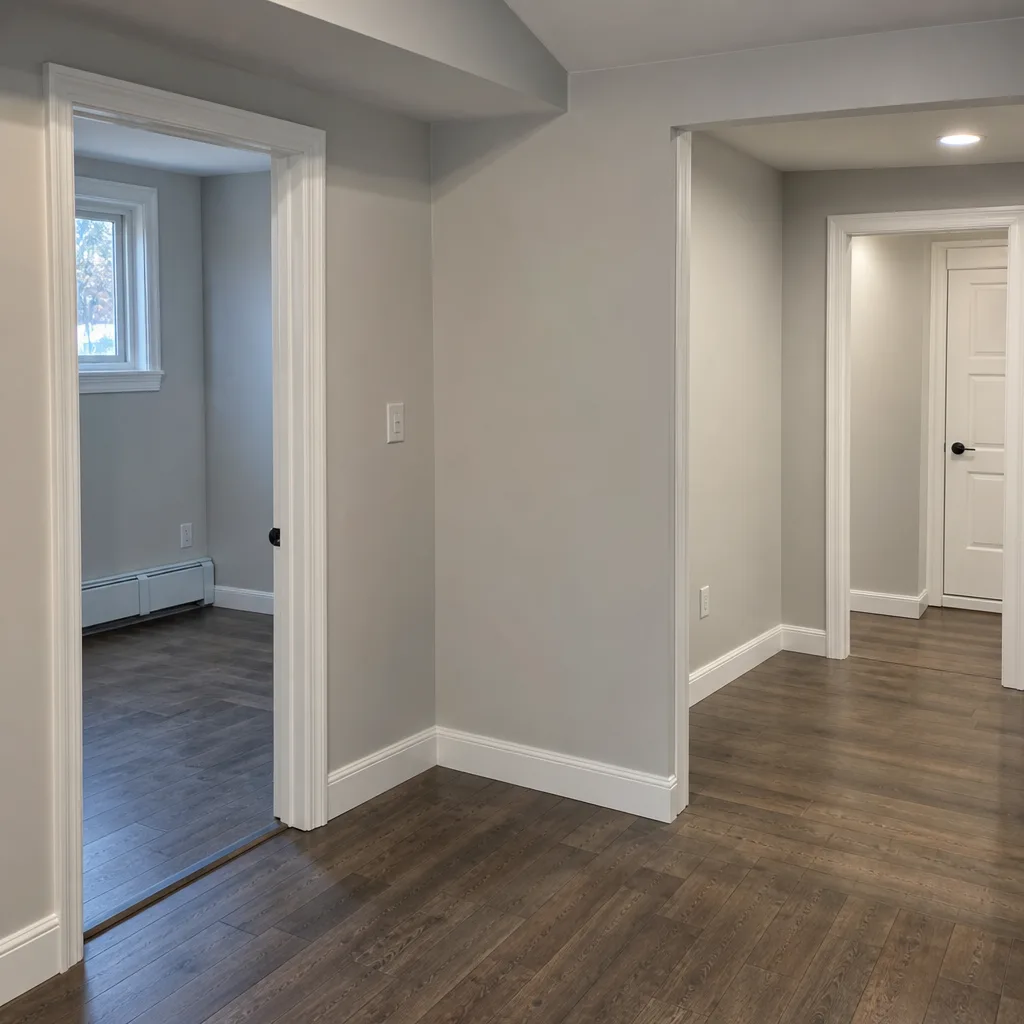 After
After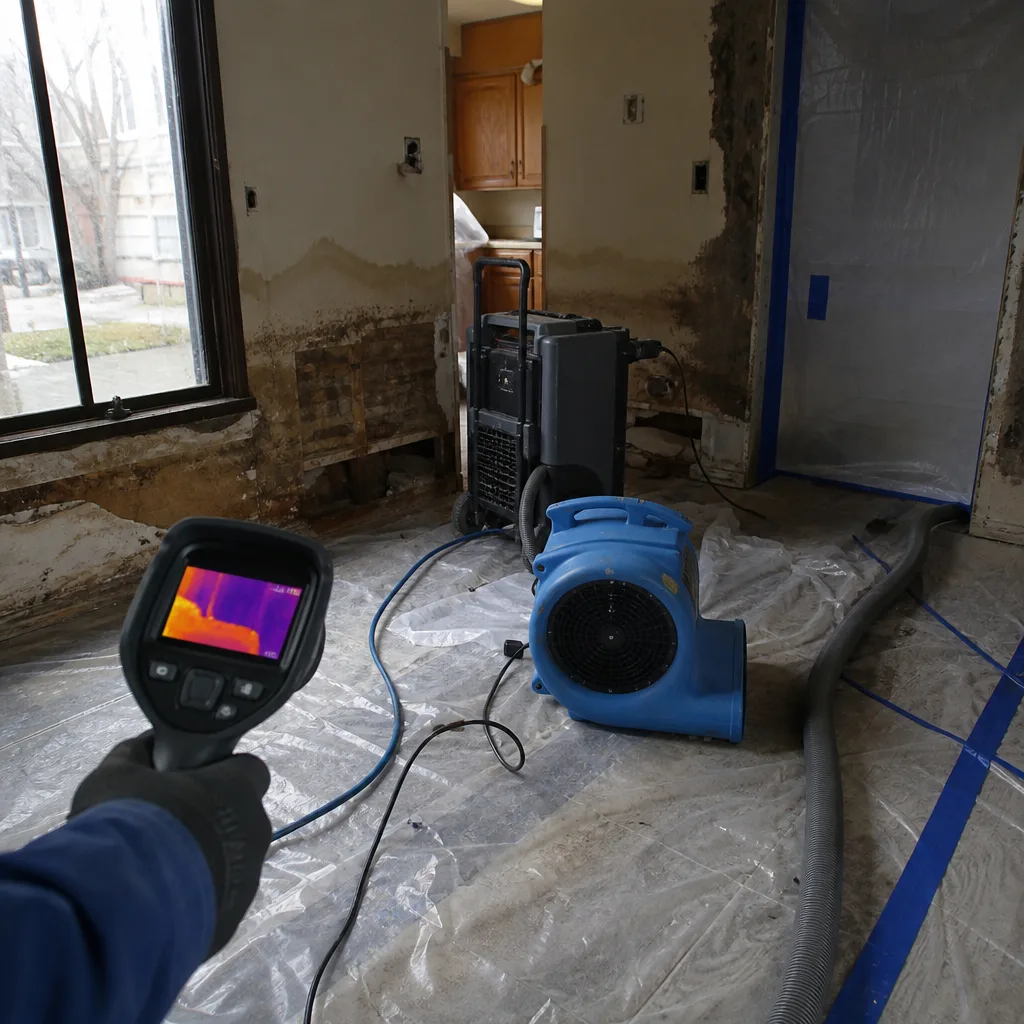 Before
 After
AfterHow to Hire a Damage Restoration Contractor in Hackensack: A Step-by-Step Guide
The most expensive restoration mistake Bergen County homeowners make isn’t hiring the wrong contractor. It’s signing a direction-to-pay form that gives the contractor direct billing rights before seeing a single line-item scope, a move that removes all pricing leverage for the rest of the job. In Hackensack, where post-storm contractor solicitation peaks every spring and basement water intrusion is routine along the Hackensack River corridor, the difference between a properly documented restoration and a padded invoice often comes down to what you ask for before anyone enters your home. This guide treats contractor selection as a documentation audit, not a personality contest. You’ll learn the five documents to demand upfront, how to verify a New Jersey contractor license in 90 seconds, and the specific drying-protocol questions that separate legitimate operators from supplement artists. For broader context, see our Complete Guide to Damage Restoration in Hackensack.
Quick Answer
To hire a damage restoration contractor in Hackensack, verify their New Jersey Home Improvement Contractor registration through the Division of Consumer Affairs database, request five specific documents before authorizing work (written scope, unit-price schedule, photo documentation policy, drying log format, and certificate of insurance), and confirm their drying protocol includes daily moisture readings recorded to IICRC standards. Never sign a direction-to-pay or assignment of benefits without reviewing a line-item scope first.
Table of Contents
- The Five Documents Every Hackensack Homeowner Should Demand Before Work Starts
- How to Verify a NJ Contractor License in 90 Seconds
- The Drying Protocol Questions That Expose Unqualified Contractors
- Why the Lowest Bid Often Costs the Most
- Post-Storm Contractor Solicitation: Your Rights Under NJ Law
- Insurance-Grade Documentation: What Separates Payable Claims from Denied Ones
- Red Flags Specific to the Hackensack Market
- Common Mistakes to Avoid
- When to Call a Professional
- Frequently Asked Questions
- The Bottom Line
BeforeAfterThe Five Documents Every Hackensack Homeowner Should Demand Before Work Starts
Restoration work in Hackensack operates at the intersection of moisture science, building codes, and insurance policy language. Without documentation, you have no leverage if the scope expands, the timeline slips, or the adjuster questions whether the work was necessary. We built our company around this gap. Before any crew from any company crosses your threshold, request these five documents and review them yourself.
1. Written Line-Item Scope of Work
The scope must list every task, every material, and every piece of equipment by name and quantity. “Dry basement” is not a scope. “Deploy 2 Phoenix 200HT dehumidifiers, 6 Dri-Eaz airmovers, establish containment at doorway with 6-mil poly, remove 12 linear feet of saturated drywall to 24-inch height, treat exposed framing with antimicrobial per IICRC S520” is a scope. At DryMark Restoration Hackensack home, this is Haven Standard, Clause 1: written price before work begins, with no exceptions.
2. Unit-Price Schedule
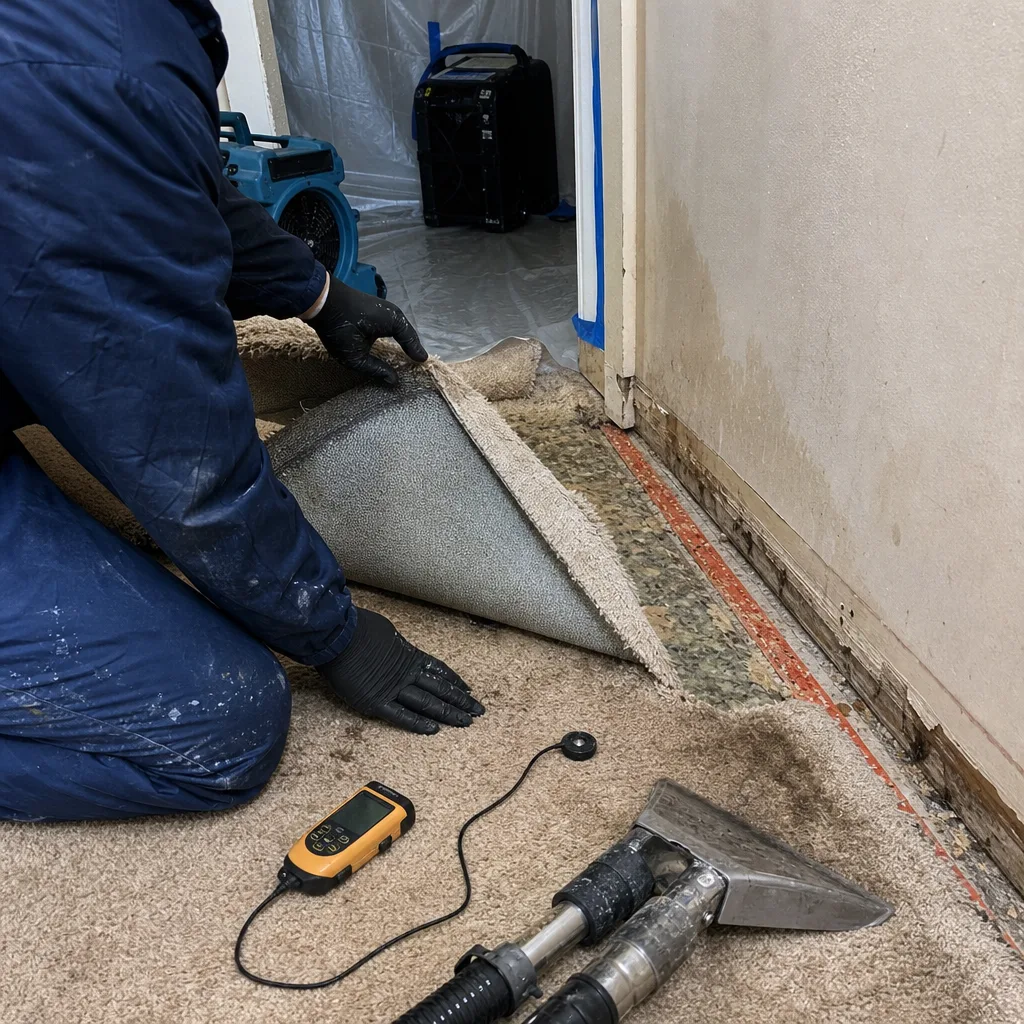
This document states what each item costs independently. If the scope changes, you can calculate the new total without renegotiating from zero. Ask for prices on: dehumidifier per day, airmover per day, moisture reading per visit, square foot of drywall removal, linear foot of baseboard disposal. Without unit prices, a contractor can inflate the total by adding equipment you didn’t verify or extending the rental period without documentation.
3. Photo Documentation Policy
The policy should specify: who takes photos, when (initial walkthrough, during work, final completion), what equipment is used (timestamped, geotagged), and how you receive them. At DryMark Restoration Hackensack, we deliver a documented photo record on every visit as a standard deliverable, never an upsell. Ask your contractor: “Will I receive photos of moisture meter readings at the same locations each day?” If the answer is vague, the documentation doesn’t exist.
4. Drying Log Format
A proper drying log records: date and time, ambient temperature and relative humidity, specific humidity calculations, moisture content readings by material type (drywall, wood framing, concrete), equipment deployed and serial numbers, and psychrometric data showing progress toward drying goals. Psychrometrics, in plain terms, is the study of how air temperature and moisture content interact to remove water from materials. A contractor who cannot explain their target moisture content for 5/8-inch drywall versus 2×4 pine framing is not monitoring drying scientifically.
5. Certificate of Insurance with Completed-Operations Coverage
Request the certificate directly from the contractor’s insurance broker, not from the contractor. Verify: general liability coverage amount, workers compensation compliance, and completed-operations coverage (protects you if the work fails after the crew leaves). In Bergen County, where many restoration companies operate as subcontractors to national franchises, the named insured on the certificate should match the company signing your contract.
How to Verify a NJ Contractor License in 90 Seconds
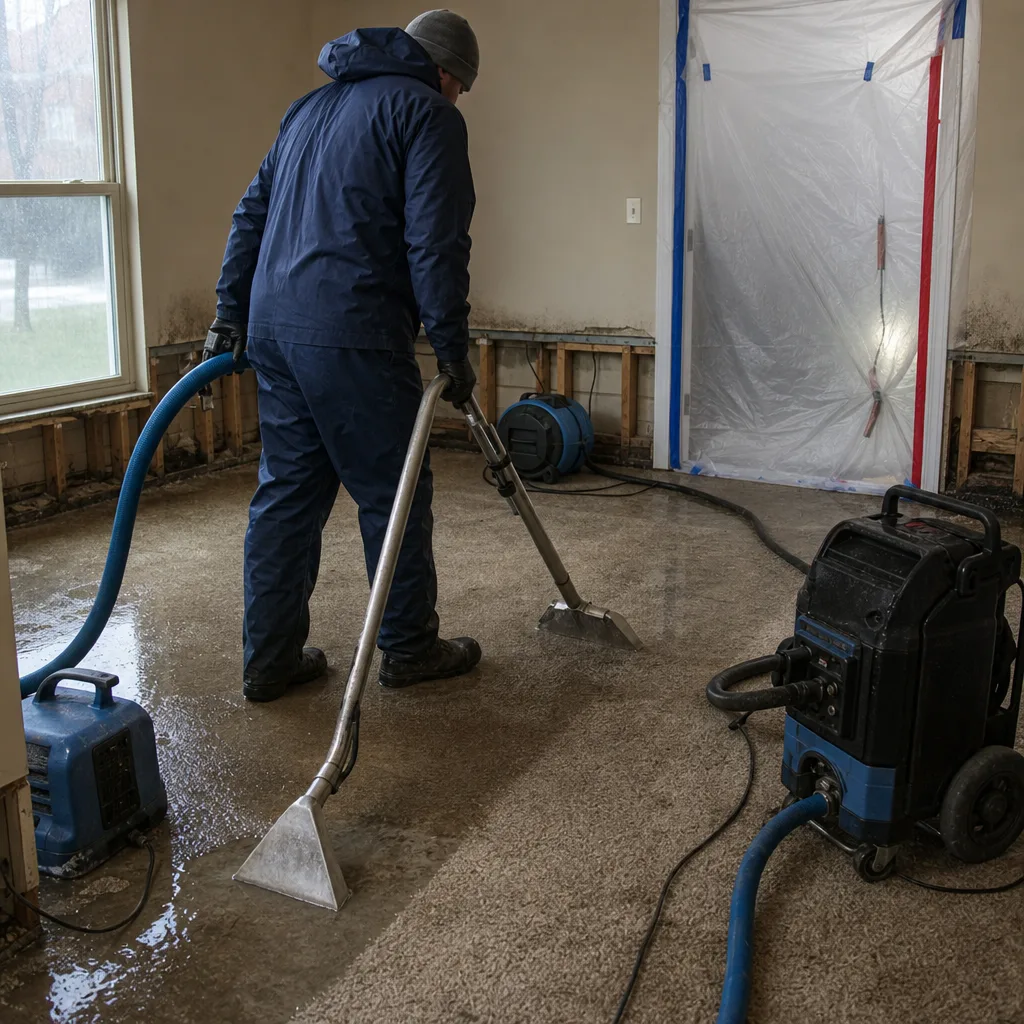
New Jersey requires all home improvement contractors to register with the Division of Consumer Affairs. Unlicensed operators are common in Hackensack, particularly after major weather events when out-of-state crews arrive overnight. Verification takes less time than reading a single review.
- Navigate to the New Jersey Division of Consumer Affairs License Verification portal.
- Select “Home Improvement Contractor” from the profession dropdown.
- Enter the contractor’s 13-digit HIC registration number (format: 13VH00000000). This number must appear on all contracts, advertisements, and vehicles under NJ law.
- Verify the name matches exactly, the status reads “Active,” and there are no pending disciplinary actions.
- Cross-check the business name against your contract. A mismatch suggests the contractor is borrowing another company’s license, a practice that voids your protections.
In our experience serving Hackensack since 2011, approximately one in four contractors soliciting door-to-door after regional storms cannot produce a valid HIC number when asked. The 90-second check eliminates them before they enter your home. If a contractor claims to be “pending registration” or “waiting on paperwork,” they are operating illegally. New Jersey does not issue provisional home improvement contractor registrations.
For water damage specifically, ask whether technicians hold IICRC certifications in Water Damage Restoration (WRT) and Applied Structural Drying (ASD). These are industry-standard credentials, not legal requirements, but they indicate formal training in moisture measurement, equipment placement, and vapor pressure differential management. Our Water Damage Restoration Maintenance Checklist for Hackensack Homeowners covers additional prevention steps. Vapor pressure differential, simply put, is the force that drives moisture from wet materials into drier air; controlling it is the difference between drying and merely hoping.
The Drying Protocol Questions That Expose Unqualified Contractors
Most homeowners ask about timeline and cost. Few ask how the contractor knows when the job is actually done. Drying protocol separates restoration from demolition disguised as repair. In Hackensack’s older housing stock, where balloon framing and plaster-and-lath construction are common in neighborhoods like Fairmount and Prospect Avenue, improper drying destroys more value than the original water damage. See our Seasonal Damage Restoration Care for Hackensack: Year-Round Homeowner’s Guide for climate-specific risks.
Ask these questions and judge the specificity of the answers:
- What is your target moisture content for each material type affected? Legitimate answer: “5/8-inch drywall to 12% or lower, 2×4 pine framing to 16% or lower, concrete subfloor to 4% or lower per ASTM F2170.” Vague answer: “Until it feels dry” or “Until the meter says okay.”
- How do you determine equipment placement and quantity? Legitimate answer: “We calculate cubic footage of affected space, factor in class of water damage (Class 1 through 4), and size dehumidification capacity using the psychrometric formula in the IICRC S500 standard.” Vague answer: “We put a fan in every corner.”
- How often do you record moisture readings, and in what format do I receive them? Legitimate answer: “Daily, with readings taken at identical locations using pin-type and pinless meters, recorded in a drying log with your copy delivered by email each evening.” Vague answer: “We check regularly and let you know if there’s a problem.”
- What is your criteria for removing versus drying materials? Legitimate answer: “We follow IICRC S500 Category and Class determinations; Category 3 water or structural saturation beyond 72 hours typically requires removal per EPA mold guidelines.” Vague answer: “We try to save everything” or “We usually tear it out to be safe.”
- How do you document drying progress for my insurance adjuster? Legitimate answer: “Daily moisture logs, timestamped photos at fixed reference points, and a final dry-standard certification signed by the project manager.” Vague answer: “We take pictures and send them in.”
At Water Damage Restoration in Hackensack, our crews use professional-grade drying systems from Dri-Eaz, Phoenix, and XPOWER, with equipment serial numbers logged to each job. The daily moisture readings we produce are the documentation that transforms restoration invoices into payable insurance claims. Without this data, adjusters routinely deny portions of claims as “not medically necessary” or “excessive for the loss.”
Why the Lowest Bid Often Costs the Most
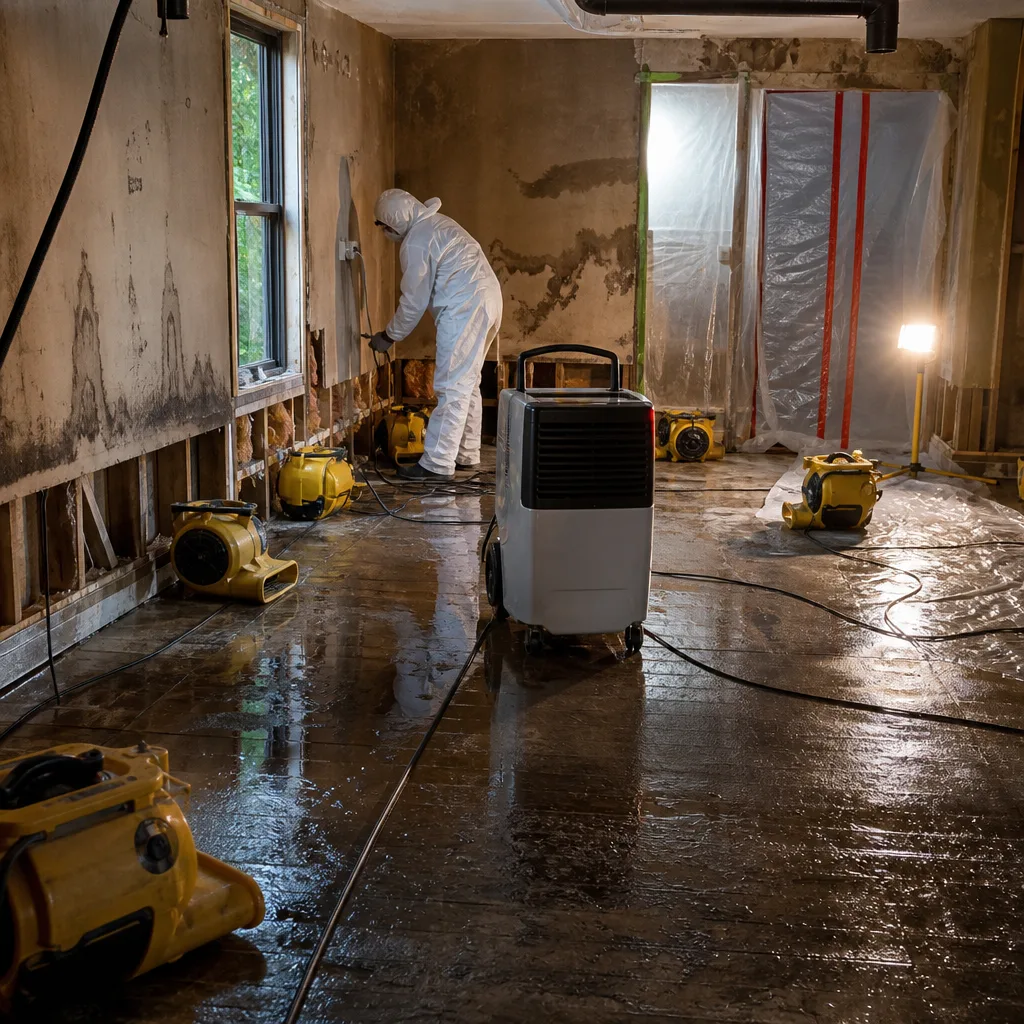
In Hackensack’s restoration market, a bid significantly below competitors is rarely a bargain. It is typically a contractor planning to supplement the claim later, using vague initial language to enable unlimited change orders once work is underway.
The supplement strategy works like this: The contractor submits a low initial scope with broad descriptions (“dry affected areas,” “clean as needed”). Once the job is authorized and equipment is in your home, they discover “hidden damage” requiring additional demolition, extended drying, or specialized cleaning. Each discovery becomes a change order. Because you have already signed a direction-to-pay or assignment of benefits, the contractor bills your insurer directly, and you have no opportunity to challenge individual line items.
Spot a supplement-prone scope by these characteristics:
- Unit prices are missing or labeled “TBD” with a note that they will be “determined during work.”
- Equipment quantities are listed as “as needed” rather than specific counts.
- Drying duration is open-ended (“until dry”) without defined measurement criteria.
- Material removal boundaries are described by percentage (“remove 30% of drywall”) rather than linear feet and wall locations.
- The scope references “industry standard practices” without naming the standard (IICRC S500, S520, S700).
Haven Standard, Clause 1 exists precisely to end this practice. A written price before work begins, with unit prices locked and no scope-creep additions once the crew is inside, protects the homeowner from the supplement cycle. In 12,000+ homes restored since 2011, every job at DryMark Restoration Hackensack started with a written price and ended with documentation that matched it.
For mold remediation specifically, the supplement risk is acute. Mold Remediation in Hackensack requires containment, negative air pressure, and HEPA filtration under IICRC S520. A low bid often omits these steps initially, then adds them as “discovered necessities” once disturbed mold spores create visible growth on adjacent surfaces. The homeowner pays through higher deductibles, policy limits, or out-of-pocket supplements that the insurer disputes.
Post-Storm Contractor Solicitation: Your Rights Under NJ Law
Bergen County’s location in the Northeast Corridor makes it a target for traveling restoration contractors after every major storm system. Hackensack homeowners face particular vulnerability due to the city’s density and the concentration of older multi-family housing near the river corridor.
New Jersey law provides specific protections for contracts signed under emergency conditions. Under the Consumer Fraud Act and Home Improvement Contractor regulations:
- You have three business days to cancel any home improvement contract signed at your residence, for any reason, no explanation required. This right cannot be waived.
- The cancellation notice must be included in the contract, in at least 12-point bold type, with a detachable form.
- Contractors cannot demand more than one-third of the contract price as a deposit before work begins. Any demand for full payment upfront is illegal.
- Door-to-door solicitors must provide a written notice of your three-day right to cancel before you sign anything.
- It is a violation of the Consumer Fraud Act for a contractor to represent that work is necessary when it is not, or to simulate damage to obtain a contract.
Post-storm red flags in Hackensack include: contractors with out-of-state license plates who arrived “just for this storm,” offers to pay your insurance deductible (illegal in New Jersey and considered insurance fraud), pressure to sign immediately because “your insurance company is sending someone tomorrow,” and requests to sign a direction-to-pay before any scope is written.
If a contractor knocks uninvited after a storm, ask for their HIC number, tell them you will verify it before any conversation continues, and close the door. Legitimate local contractors in Hackensack do not need emergency solicitation to maintain workload. At DryMark Restoration Hackensack, we have operated continuously since 2011 with no storm-chasing operations; our work comes from documented results and adjuster relationships built over years, not door-knocking after weather events.
Insurance-Grade Documentation: What Separates Payable Claims from Denied Ones
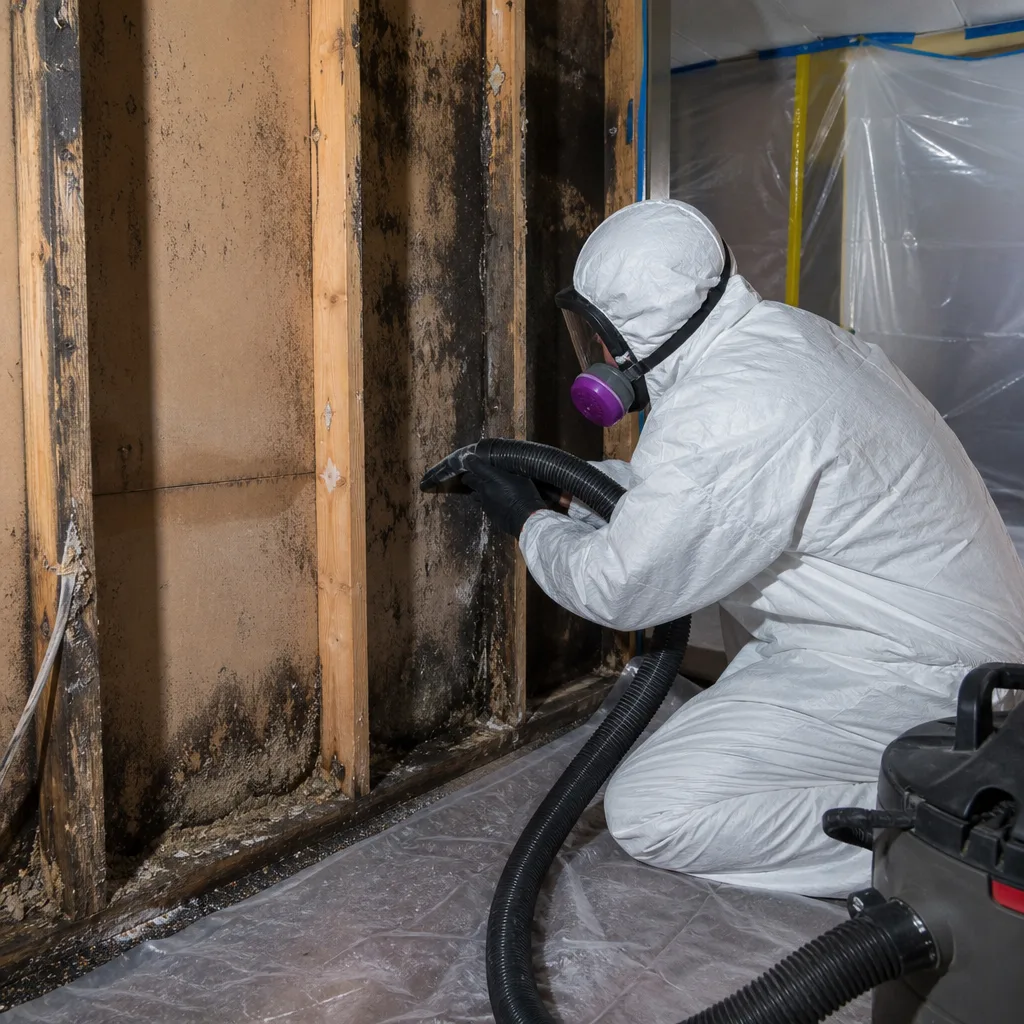
The documentation gap that costs homeowners their claims is not a mystery to former adjusters. We built Back to Dry Restoration around it. Insurance companies deny or reduce claims based on four documentation failures: failure to prove the loss was sudden and accidental, failure to prove the scope was necessary, failure to prove the work was actually performed, and failure to prove the pricing was reasonable.
A restoration contractor who understands this delivers documentation that addresses each failure point proactively. Here’s what that looks like in practice:
| Failure Point | Documentation Solution |
|---|---|
| Sudden and accidental loss | Timestamped photos of water source, moisture mapping showing migration pattern, weather data for date of loss |
| Necessary scope | Category and Class determination per IICRC S500, material-specific moisture readings showing saturation beyond salvageability |
| Work performed | Daily drying logs with equipment serial numbers, photo record of each phase, waste disposal receipts with weight tickets |
| Reasonable pricing | Unit-price schedule matched to Xactimate or comparable pricing database, written change orders with homeowner signature |
In Hackensack, where many homeowners carry HO-3 policies with replacement cost coverage but actual cash value on contents, the distinction between “restored” and “replaced” can shift thousands of dollars in coverage. Documentation determines which category applies. A contractor who photographs the progression from saturated to dry-standard, with moisture readings at each stage, creates evidence that supports replacement cost treatment. One who simply tears out and replaces without documentation invites actual cash value depreciation.
At DryMark Restoration Hackensack, we coordinate directly with adjusters when requested, providing our documentation package in the format their claim system requires. This is not an upsell service. It is the standard deliverable on every job, because incomplete documentation is the primary reason restoration invoices are reduced or denied.
Red Flags Specific to the Hackensack Market
Hackensack’s combination of older housing, river-adjacent flood risk, and proximity to New York City creates a restoration market with specific warning signs. Watch for these local patterns:
- The “NYC crew” with no Bergen County presence. Contractors based in Queens or Brooklyn who appear after major losses, work intensively for 30-60 days, then vanish. Verify their physical address; a Hackensack contractor has a Hackensack address, not a virtual office or mail drop.
- The mold specialist who won’t specify containment. In Hackensack’s pre-war buildings with shared walls and common HVAC, inadequate containment spreads contamination to adjacent units. Any mold remediation scope that omits negative air machines, HEPA air scrubbers, or 6-mil poly containment is incomplete.
- The water contractor who doesn’t own moisture meters. This sounds absurd, but we have encountered it. A contractor who relies on touch and visual inspection cannot document drying progress, cannot prove dry-standard achievement, and cannot defend their invoice to an adjuster.
- The “insurance approved” claim without documentation. No insurance company approves contractors in advance. “Insurance approved” means nothing. What matters is whether the contractor’s documentation will be approved after the work is done.
- The reconstruction bid that doesn’t reference Hackensack building codes. The City of Hackensack enforces the New Jersey Uniform Construction Code with local amendments. Permits are required for structural repairs, electrical work, and plumbing modifications. A reconstruction scope that omits permit costs and timelines is either uninformed or planning to work without permits.
For fire damage specifically, Fire & Smoke Damage Restoration in Hackensack requires understanding of local code requirements for fire-rated assemblies in multi-family buildings, common in the city’s downtown and near Hackensack University Medical Center. A contractor unfamiliar with these requirements will scope reconstruction that fails inspection, adding months to recovery.
Common Mistakes to Avoid
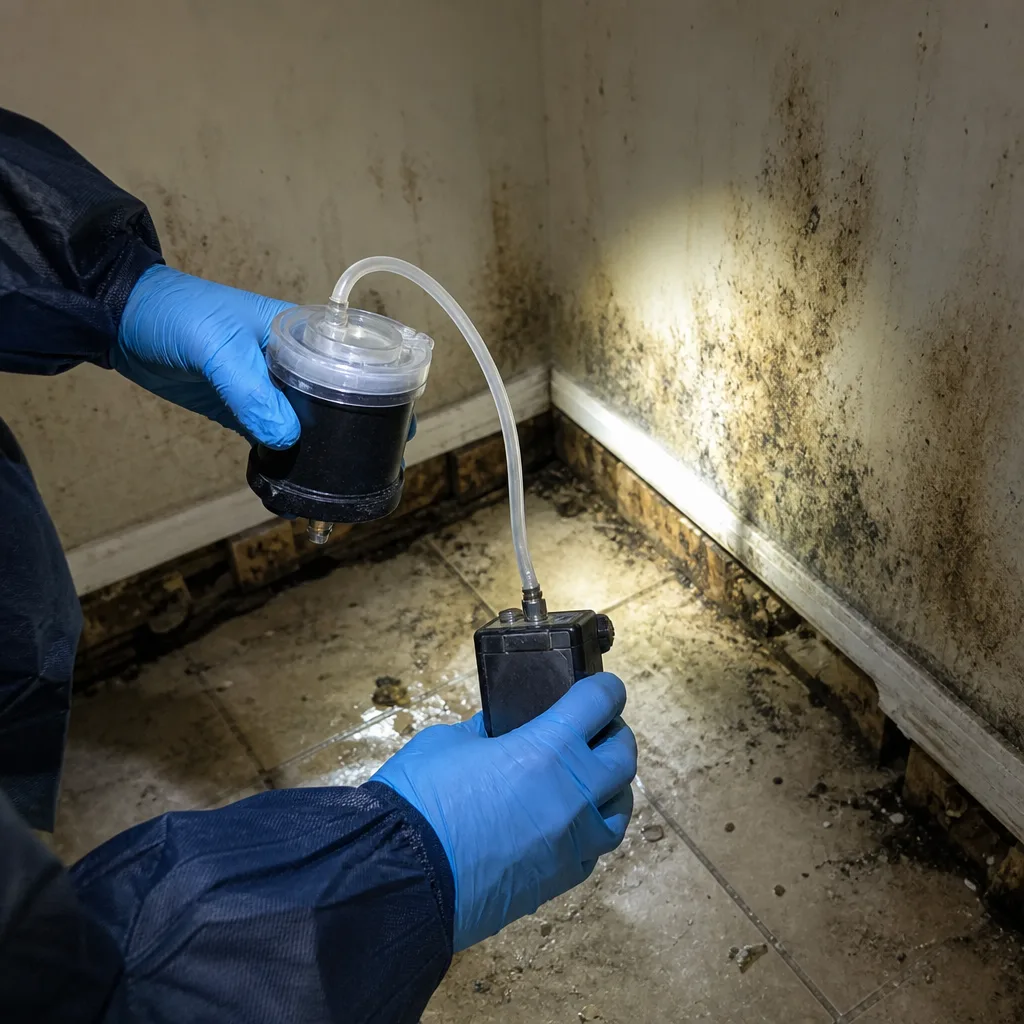
- Signing a direction-to-pay before reviewing a line-item scope. This document gives the contractor direct billing rights with your insurer and removes your ability to dispute charges. Review the scope first, then decide whether to assign benefits.
- Accepting “verbal estimates” or “ballpark figures.” In New Jersey, home improvement contracts exceeding $500 must be in writing. A contractor who won’t put a price in writing before work starts is violating the law and exposing you to unlimited liability.
- Hiring based on speed of arrival alone. Emergency mitigation requires prompt response, but reconstruction does not. A contractor who emphasizes same-day reconstruction scheduling is likely cutting scope-review corners. At DryMark Restoration Hackensack, we dispatch for emergencies immediately; reconstruction is always scoped, scheduled, and priced in writing.
- Neglecting to verify completed-operations coverage. General liability covers damage during work. Completed-operations covers failures after the crew leaves. Without it, a contractor who improperly dries your Hackensack basement, leading to mold growth six months later, has no coverage for your subsequent loss.
- Ignoring the drying log until a problem arises. Request and review daily drying logs in real time. If readings plateau or equipment changes without explanation, ask why. Passive homeowners receive passive documentation; engaged homeowners receive accurate documentation.
- Assuming all restoration companies document to the same standard. They do not. The difference between a photo record and a documented photo record, between a moisture reading and a drying log, is the difference between a paid claim and a disputed one.
When to Call a Professional
Contact a restoration contractor immediately when: water has saturated structural materials (drywall, insulation, subflooring) for more than 24 hours; you smell musty odors or see visible mold growth exceeding 10 square feet; fire damage has affected HVAC systems or structural members; sewage or Category 3 water has entered living spaces; or storm damage has compromised the building envelope allowing continued water intrusion. In each scenario, delayed response expands the scope, increases cost, and reduces insurance coverage likelihood.
DryMark Restoration Hackensack offers free estimates in Hackensack. Our live phone coverage is available 24 hours a day, 7 days a week with no voicemail on emergency lines. For immediate response or to schedule a free assessment, call (551) 213-3409. We also provide a Free Second Opinion on any competitor’s written estimate at no charge.
Frequently Asked Questions
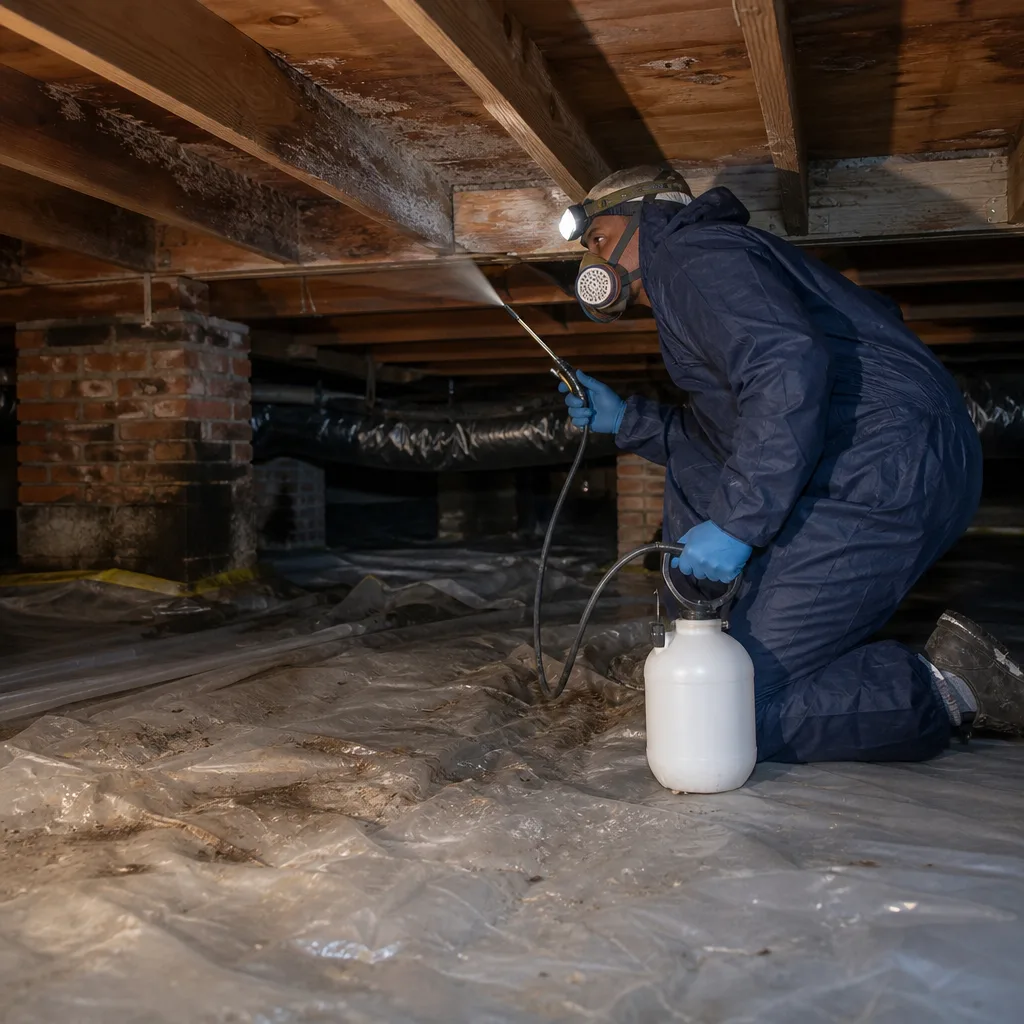
Water damage restoration in Hackensack typically ranges from $1,200 for limited Class 1 cleanup to $8,000+ for Class 3 or 4 losses involving structural drying and material removal. The exact cost depends on water category, affected square footage, and whether reconstruction is required. At DryMark Restoration Hackensack, we deliver a written price before work begins on every job, with unit prices locked, per Haven Standard, Clause 1. Call (551) 213-3409 for an exact quote; estimates are free.
Most Hackensack homeowners with HO-3 or equivalent policies have coverage for sudden and accidental water damage, excluding gradual leaks and flood (the latter requires separate NFIP coverage). The key variable is documentation: insurers pay claims that prove the loss was sudden, the scope was necessary, and the pricing was reasonable. A contractor who provides daily drying logs, timestamped photos, and unit-price scopes dramatically improves coverage likelihood. We coordinate directly with adjusters and provide documentation in claim-system-compatible formats.
For emergency mitigation, DryMark Restoration Hackensack dispatches immediately with live phone coverage 24 hours a day, 7 days a week. Response time to Hackensack addresses typically ranges from 30 to 60 minutes depending on traffic and weather. Reconstruction work is different; it is always scoped, scheduled, and priced in writing before scheduling, never dispatched as emergency service. Do not hire any contractor promising same-day reconstruction; proper scope review cannot be rushed.
For water damage affecting structural materials, professional drying is necessary. DIY efforts with household fans and dehumidifiers cannot achieve the vapor pressure differential or airflow volume required to dry wall cavities and subflooring, leading to mold growth within 48-72 hours. For mold exceeding 10 square feet, or any mold resulting from Category 2 or 3 water, professional remediation with containment and HEPA filtration is required under EPA guidelines. For small, clean-water spills on hard surfaces with no structural saturation, DIY cleaning may suffice.
You can choose to manage adjuster communication yourself, or authorize your contractor to coordinate directly. If you authorize direct coordination, request documentation of all submissions and maintain copies of all scope revisions. At DryMark Restoration Hackensack, we provide complete documentation packages to adjusters when requested, with homeowner copies of every submission. We do not sign assignments of benefits without explicit homeowner review of the line-item scope first.
Politely decline, close the door, and verify their HIC number independently before any further contact. Under New Jersey law, you have three business days to cancel any contract signed at your residence. Never sign under pressure. Legitimate Hackensack contractors have established local presence, visible HIC numbers, and no need for emergency door-to-door solicitation. If you need service, call (551) 213-3409 for a documented assessment.
The Bottom Line
Hiring a damage restoration contractor in Hackensack is not about finding the friendliest salesperson or the fastest arrival. It is about verifying that the contractor will document work to insurance-grade standards before a single dehumidifier is plugged in. Demand the five documents. Verify the HIC number. Ask the drying protocol questions. Reject vague scopes and direction-to-pay pressure. The contractor who welcomes this scrutiny is the contractor who will produce the documentation that gets your claim paid. The one who resists it is planning to rely on your inability to challenge their invoice later. Explore more guides & resources on protecting your home and claim.
At DryMark Restoration Hackensack, we built our practice around documentation because we have seen what its absence costs homeowners. Every job since 2011 has started with a written price and ended with a documented record. The 365-Day Done Right Promise under The Haven Standard is not a marketing line; it is a signed guarantee that the documentation matches the work, and the work matches the promise.
Written by Alicia Brennan, Owner at DryMark Restoration Hackensack, serving Hackensack since 2011.